
I used to drink my morning coffee black, fast, and standing up in the kitchen. Then a friend handed me a cup that tasted like a latte, kept me full until lunch, and had no sugar in it at all. I went home, tried my own version the next morning, and it has been part of my routine ever since. This guide shares the exact recipe I landed on, plus every variation I actually make.
Before we start, one honest note: this drink is rich, buttery, and high in calories, and it is not a weight-loss drink. Some people use it as a filling breakfast replacement, and others drink a smaller cup alongside breakfast. Either way, think of it as a satisfying morning drink, not a health promise, and check with your doctor if you have concerns about saturated fat or caffeine.
What Is Keto Coffee?
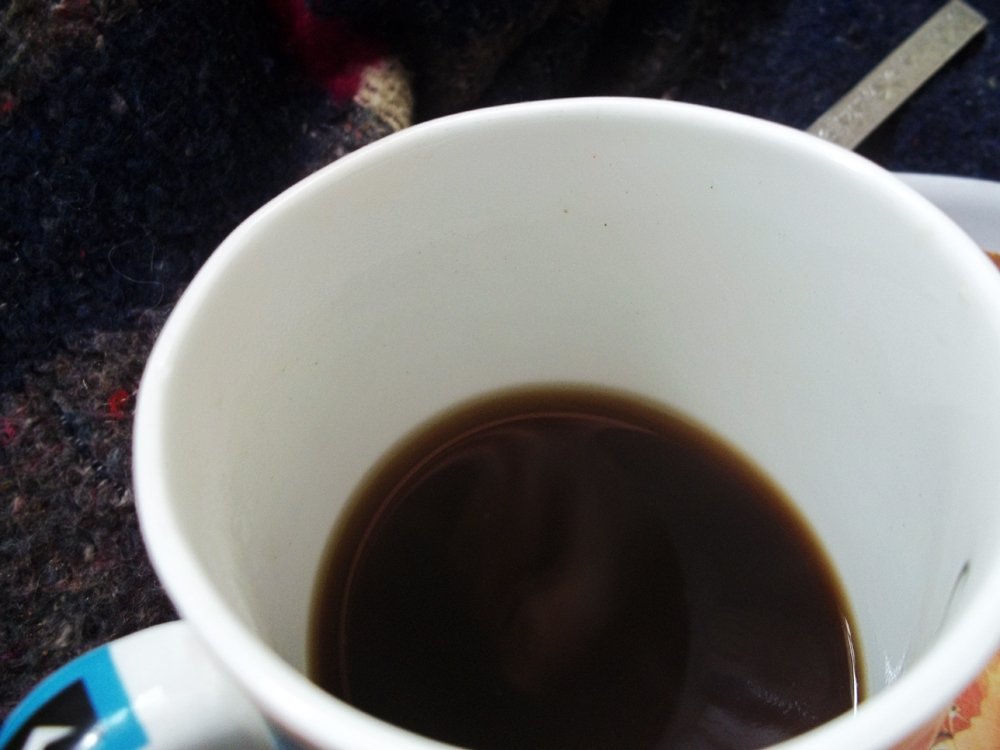
Keto coffee is hot brewed coffee blended with butter and MCT oil (or coconut oil) until it turns creamy and frothy, a little like a latte made without milk. It comes from the butter-coffee trend that grew popular with low-carb and keto eaters, who wanted a warm, filling drink that fits a very-low-carb way of eating. The blending step matters: without it, the butter just floats on top in an oily slick, but blended, it turns into a smooth, pale, creamy cup.
The classic version has almost no carbs, since coffee, butter, and oil contain virtually no carbohydrate. That is why it fits a keto eating pattern so neatly. It is also why the cup is so filling: a tablespoon of butter plus a tablespoon of oil adds more than 200 calories, which is close to a small meal. If you normally eat a light breakfast, this drink may replace it; if you eat a full breakfast, treat a smaller cup as a rich addition rather than a second meal.
Why You’ll Love This Keto Coffee
- It tastes like a treat: Blended butter and oil give the cup a silky, latte-like body with no sugar and no milk needed.
- It takes five minutes: Brew, blend for 30 seconds, and pour. There is no cooking, no special equipment beyond a blender, and barely any cleanup.
- It keeps you full: The fat in the cup slows down that mid-morning hunger crash I used to get from plain black coffee alone.
- It bends to your taste: Vanilla, cinnamon, cocoa, or ice all work, so one base recipe turns into a whole menu of morning drinks.
- It fits a low-carb routine: With no sugar and almost no carbs, it slots neatly into a keto day without any math at the table.
The Master Keto Coffee Recipe
This is the cup I make most mornings. It serves one, takes about five minutes from start to finish, and comes out creamy, lightly salty, and deeply coffee-flavored. Use good coffee here, since there is nothing to hide behind: a fresh, hot brew makes a noticeably better cup than a stale pot.
Prep time: 5 minutes | Cook time: 0 minutes | Servings: 1 | Estimated calories: about 230 calories per serving (estimate only, based on 1 tablespoon butter and 1 tablespoon MCT oil plus coffee; your total will vary with brands and amounts).
Ingredients:
- 12 ounces (1 1/2 cups) freshly brewed hot coffee
- 1 tablespoon unsalted butter, preferably grass-fed
- 1 tablespoon MCT oil or refined coconut oil
- 1 pinch of fine sea salt (optional, but it smooths the flavor)
- Low-carb sweetener to taste (optional; I usually skip it)
Steps:
- Brew 12 ounces of strong, hot coffee using your usual method: drip machine, French press, or pour-over all work well.
- Pour the hot coffee into a blender. Add the butter, the MCT oil, and the pinch of salt.
- Blend on high for 20 to 30 seconds, until the drink turns pale, creamy, and frothy on top. Be careful with hot liquid in a blender: hold the lid down firmly with a towel, and start on low before going to high.
- Taste and adjust. Add sweetener if you want it, or a splash more coffee if the cup tastes too rich.
- Pour into a warmed mug right away and drink while it is hot and frothy. The foam settles if the cup sits too long, so do not let it wait.
A few practical notes from my own kitchen: start with just 1 teaspoon of MCT oil if you have never used it before, then work up to a full tablespoon over a week or so, since a full spoon on day one can upset some stomachs. Use unsalted butter so you control the salt, and use refined coconut oil instead of MCT oil if you want a milder coconut flavor and a lower price. If you do not own a blender, a milk frother or an immersion blender in a tall jar works too, though the texture will be a little less thick.
Keto Coffee
Ingredients
Method
- Brew 12 ounces of strong, hot coffee using your usual method: drip machine, French press, or pour-over all work well.
- Pour the hot coffee into a blender. Add the butter, the MCT oil, and the pinch of salt.
- Blend on high for 20 to 30 seconds, until the drink turns pale, creamy, and frothy on top. Be careful with hot liquid in a blender: hold the lid down firmly with a towel, and start on low before going to high.
- Taste and adjust. Add sweetener if you want it, or a splash more coffee if the cup tastes too rich.
- Pour into a warmed mug right away and drink while it is hot and frothy. The foam settles if the cup sits too long, so do not let it wait.
Eight Ways to Change Up the Recipe
Once the master cup feels easy, these variations keep mornings interesting. Each one starts from the same base above, with one or two changes, so you never need a second recipe card. I have marked the swaps clearly in every variation.
1. Iced Keto Coffee
Brew the coffee double-strength (use the same grounds with 6 ounces of water instead of 12), then blend it hot with the butter and oil as usual. Pour the blended coffee over a tall glass full of ice and stir once. The drink chills fast, stays creamy, and tastes like an iced latte without any milk. Try it: add a splash of cold water if the first sip tastes too strong, and drink it right away before the ice melts and thins the cup.
2. Mocha Keto Coffee
Add 1 tablespoon of unsweetened cocoa powder and a pinch of extra salt to the blender with the base ingredients. Blend for a full 30 seconds so the cocoa dissolves completely, and taste before adding any sweetener, since cocoa brings a pleasant bitterness of its own. The result tastes like a rich mocha, and it pairs well with a low-carb dessert in the afternoon too. Try it: dust a little extra cocoa over the foam, and use Dutch-process cocoa if you prefer a darker, smoother chocolate note.
3. Vanilla Keto Coffee
Add 1/2 teaspoon of pure vanilla extract to the blender, or split a vanilla bean and scrape the seeds in if you want a stronger flavor. Vanilla rounds off the butter and makes the whole cup smell like a bakery, which is a nice trick on a cold morning. Keep the extract out of the hot brewing step, since heat dulls its flavor, and add it at blending time instead. Try it: pair this version with cinnamon toast-flavored low-carb snacks if you want a breakfast that feels like a treat.
4. Cinnamon Keto Coffee
Add 1/4 teaspoon of ground cinnamon and a tiny pinch of nutmeg to the blender with the base ingredients. Cinnamon gives the cup warmth and a hint of sweetness without any sugar, which is why this is my favorite version on winter mornings. Blend well, since cinnamon tends to float, and let the drink sit for 30 seconds after blending so the spice settles into the foam. Try it: top the foam with one more light dusting of cinnamon, and serve it with a low-carb muffin for a cozy weekend breakfast.
5. Protein Keto Coffee
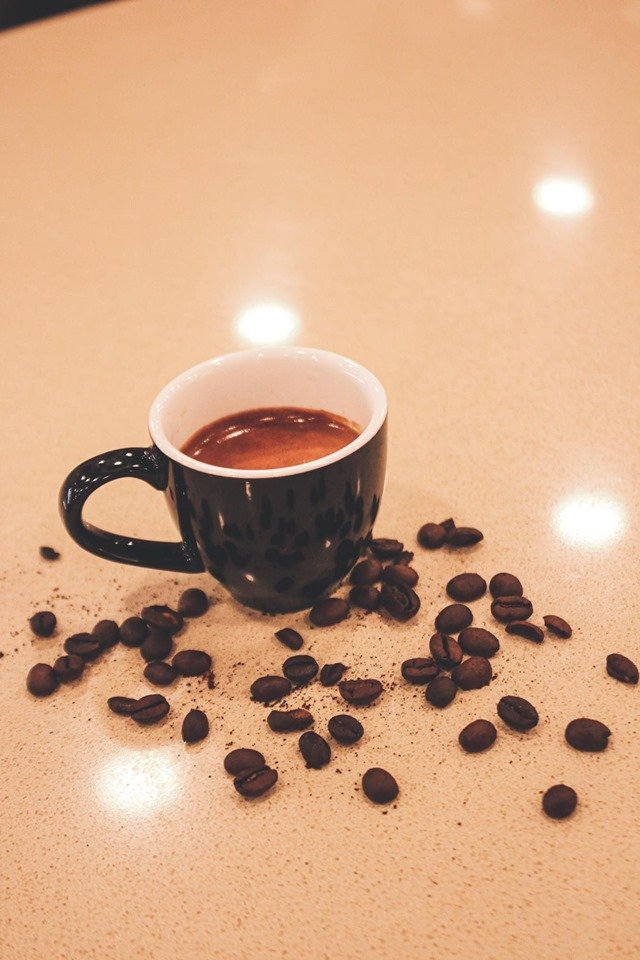
Add 1 scoop of unflavored or vanilla low-carb protein powder to the blender, and blend for a full 30 to 40 seconds so no powdery clumps remain. This version turns the drink into a more complete breakfast replacement, with protein alongside the fat, and it keeps me full noticeably longer than the base cup. Use a powder you already like the taste of, since its flavor comes through clearly. Try it: start with half a scoop if you are new to protein powder in coffee, and add the rest once you know you like the texture.
6. Dairy-Free Keto Coffee
Swap the butter for 1 tablespoon of coconut cream or 1 tablespoon of refined coconut oil, and keep the MCT oil as usual. The coconut cream version tastes a little tropical and blends into a thick, pale foam, while the all-oil version is lighter and cleaner-tasting. Either way, you get the same creamy body without any dairy. Try it: chill a can of coconut milk overnight and scoop the thick cream from the top, which blends far better than the watery liquid below.
7. Cold Brew Keto Coffee
Start with 12 ounces of cold brew concentrate diluted with an equal part of cold water, or use ready-to-drink cold brew straight from the fridge. Blend it with the butter and oil just as you would hot coffee, then pour over ice. Cold brew tastes naturally sweeter and less acidic than hot coffee, so this version needs no sweetener at all for most people. Try it: make a big batch of cold brew on Sunday, keep it in the fridge, and blend a fresh cup each morning in under two minutes.
8. Decaf-Friendly Keto Coffee
Make the base recipe with decaf coffee, exactly as written, and change nothing else. This version is for late afternoons, for people who are sensitive to caffeine, and for anyone who loves the ritual of a creamy coffee without the buzz. Remember that decaf is not caffeine-free: the FDA notes that an 8-ounce cup of decaf typically holds about 2 to 15 milligrams of caffeine, so it still counts a little toward your day. Try it: keep a bag of good decaf on hand so the evening cup tastes just as good as the morning one.
Common Mistakes to Avoid
Most problems with this drink come from one skipped step or one heavy hand. Here are the mistakes I see most often, and the simple fixes for each.
- Skipping the blend. Stirring butter into coffee leaves an oily layer on top and a thin drink below. Fix: blend for at least 20 seconds, or use a frother, until the cup turns pale and creamy.
- Using too much oil on day one. A full tablespoon of MCT oil can upset a stomach that is not used to it. Fix: start with 1 teaspoon, and build up to a tablespoon over a week.
- Pouring boiling coffee straight into a sealed blender. Steam builds pressure fast and can blow the lid off. Fix: let coffee cool for a minute, hold the lid down with a towel, and start blending on low.
- Adding sugar or sweetened creamer. Even a spoonful of sugar changes the carb count and the whole point of the drink for keto eaters. Fix: use a low-carb sweetener if you need sweetness, or let cinnamon and vanilla do the work.
- Treating the cup as calorie-free. With butter and oil, one cup carries roughly 230 calories, which is a small meal, not a free drink. Fix: count the cup as part of your day, and shrink it or skip breakfast accordingly.
- Drinking it too late in the day. A full-strength cup late in the afternoon can wreck sleep, even for regular coffee drinkers. Fix: switch to the decaf version after midday, and keep your total caffeine in mind. The FDA cites 400 milligrams a day as an amount not generally linked with negative effects for most healthy adults, which works out to roughly two to three 12-ounce cups of coffee: FDA guidance on how much caffeine is too much.
- Letting the cup sit until the foam falls. The creamy foam is the best part, and it fades within minutes. Fix: blend and pour right before you drink, and warm your mug first so the cup stays hot longer.
Keto Coffee Variations at a Glance
| Variation | What Changes | Best For |
|---|---|---|
| Classic (master recipe) | Butter + MCT oil, blended hot | Everyday mornings |
| Iced | Double-strength brew, poured over ice | Warm days and iced-latte fans |
| Mocha | Unsweetened cocoa powder added | Chocolate lovers |
| Vanilla | Vanilla extract at blending time | A softer, bakery-like cup |
| Cinnamon | Cinnamon and a pinch of nutmeg | Cold mornings |
| Protein | Low-carb protein powder blended in | A fuller breakfast replacement |
| Dairy-free | Coconut cream instead of butter | Dairy-free households |
| Cold brew | Cold brew base, served over ice | Smoother, less acidic taste |
| Decaf-friendly | Decaf coffee, same method | Evenings and caffeine-sensitive drinkers |
Frequently Asked Questions
What is this drink made of?
The classic version is brewed coffee blended with butter and MCT oil or coconut oil until creamy. Some people add salt, vanilla, cinnamon, or cocoa, but the base stays the same: coffee plus fat, blended, with no sugar and no milk.
Does this drink burn fat or cause weight loss?
No, and you should be wary of any source that promises that. The drink is high in calories and saturated fat, and it can support a keto eating pattern, but it does not melt fat on its own. Weight change depends on your whole diet, activity, and health, not on one morning drink.
Can I drink keto coffee every day?
Many people do, but it depends on the rest of your diet and your health. Because one cup carries about 230 calories, mostly from saturated fat, it makes sense to count it as a meal or part of one. If you have heart concerns or cholesterol questions, talk with your doctor before making it a daily habit.
Do I need MCT oil, or will coconut oil work?
Coconut oil works well and costs less, though it has a mild coconut flavor that refined coconut oil mostly removes. MCT oil is more neutral-tasting and blends a little more smoothly. Either fat fits the recipe, so use the one you already have.
Can I make keto coffee without a blender?
Yes. A milk frother, an immersion blender in a tall jar, or even a whisk in a pinch can mix the fat into the coffee. The texture will be thinner than a blender version, but the flavor stays close, and a frother gets you most of the way there.
Is keto coffee a meal replacement?
For some people, yes: a full cup with butter and oil can stand in for a light breakfast and keep hunger away for hours. Others prefer a smaller cup with a real breakfast. The protein variation comes closest to a balanced replacement, since it adds protein to the fat.
How much caffeine is in this drink?
About the same as the coffee you start with, since butter and oil add no caffeine. A 12-ounce cup of regular brewed coffee typically holds roughly 113 to 247 milligrams of caffeine, according to the FDA, so keep that in mind if you drink more than one cup.
Can I use decaf for keto coffee?
Yes, decaf works exactly the same way, and it is the best choice for evenings or for anyone sensitive to caffeine. Just remember that decaf still contains a small amount of caffeine, usually about 2 to 15 milligrams per 8-ounce cup, so it is low-caffeine, not caffeine-free.
Final Thoughts
This drink earned its place in my mornings because it is fast, it tastes good, and it keeps me full without sugar or fuss. Start with the master recipe, get the blending step right, and then play with the variations until you find your own favorite. I rotate between the classic, the cinnamon, and the iced versions depending on the season, and that little bit of variety keeps the habit enjoyable instead of boring.
Just keep the honest part in mind too: it is a rich, high-calorie cup, not a health shortcut. Enjoy it for what it is, count it as part of your day, and let the rest of your meals do the rest of the work.
Also Read: Keto Recipes for Dinner Your Whole Table Will Enjoy
Also Read: Keto Dessert Recipes for a Sweet Finish Without Sugar
Also Read: Keto Dinner Ideas for Easy Low-Carb Weeknights

Founder of NestFlavors — sharing tested recipes and honest home ideas, made for real life.