
I spent years eating a healthy breakfast, then losing the plot by lunch. A salad with barely any protein at noon, a handful of crackers at 4 p.m., and a huge dinner because I was starving by evening. The fix was not willpower. It was a plan I could follow without thinking about every meal. This high protein meal plan is the one I actually use: seven days of breakfasts, lunches, dinners, and one snack, each built around a clear protein anchor, with a shopping list so you only buy what the week needs.
Every day below lands around 100 to 130 grams of protein, which suits most adults who are active a few times a week. Protein numbers are estimates based on standard ingredient values, and your totals will shift a little with brands and portions. If your target is lower or higher, the adjustment section near the end shows how to scale this high protein meal plan up or down without rewriting it.
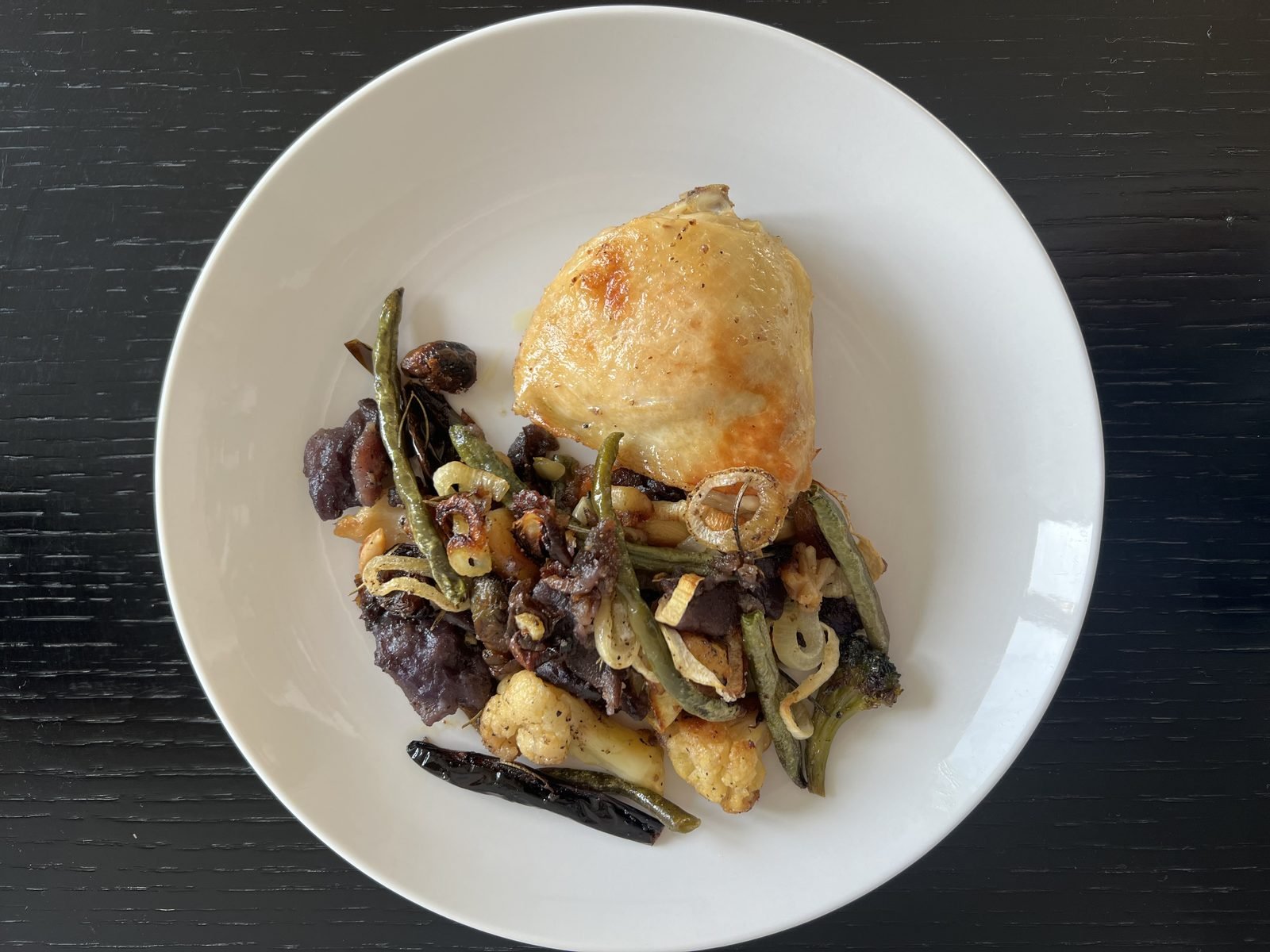
What Is a High Protein Meal Plan?
A high protein meal plan is a week of meals planned in advance so that each day delivers a steady, generous amount of protein across breakfast, lunch, dinner, and a snack, instead of loading it all into one meal. The idea is simple: pick a protein for every meal first, then build the rest of the plate around it with vegetables, a whole grain or starchy side, and a little healthy fat.
That order matters. When protein leads, meals stay filling for hours, and you stop grazing between meals just to feel satisfied. Spreading protein across the day also works better than saving it for dinner, since your body uses the protein from each meal as it comes. This plan keeps breakfasts quick, lunches mostly portable, and dinners the most relaxed meal of the day, so the week feels doable rather than like a project.
Why You’ll Love This High Protein Meal Plan
- No daily decisions: Every meal for seven days is already chosen, so you cook and eat instead of debating what to make.
- One shopping list: The list at the end covers the whole week, with leftovers deliberately reused so little goes to waste.
- Real food, no powders required: Protein comes from eggs, chicken, fish, beans, tofu, and Greek yogurt. Powder is an option, never a requirement.
- Balanced, not extreme: Carbs and fats stay on the plate. This is a filling, normal way of eating, not a restrictive diet.
- Flexible by design: Every day includes a swap line, so vegetarians, picky eaters, and busy cooks can adjust without breaking the plan.
The 7-Day High Protein Meal Plan
Read the week as a whole before you shop. Several dinners become the next day’s lunch, and the chicken you roast on Sunday does double duty on Monday. Portions below serve one person; double the dinner recipes if you are cooking for two and want lunch leftovers too.
Day 1: Eggs, Chicken, and a Simple Start
Breakfast: Scrambled eggs with spinach and feta. Cook 2 eggs with a big handful of spinach, 1/4 cup crumbled feta, and a slice of whole-grain toast. About 26 grams of protein. Lunch: Greek yogurt chicken salad. Mix 1 cup shredded rotisserie chicken with 1/2 cup plain Greek yogurt, diced celery, mustard, and lemon, and serve in a whole-grain wrap with lettuce. About 42 grams. Dinner: Sheet-pan lemon chicken thighs with broccoli and sweet potato. Roast 6 ounces of chicken thighs with 1 cup broccoli and 1 medium sweet potato in olive oil, salt, and lemon. About 38 grams. Snack: 3/4 cup cottage cheese with sliced cucumber. About 18 grams. Day total: about 124 grams.
Try it: make extra chicken thighs tonight, since Day 2 lunch uses them cold.
Day 2: Salmon and a No-Cook Lunch
Breakfast: Greek yogurt bowl. Stir 1 cup plain Greek yogurt with 1/2 cup rolled oats, a handful of berries, and 1 tablespoon peanut butter. About 27 grams. Lunch: Leftover chicken thigh grain bowl. Slice the cold chicken from Day 1 over 3/4 cup cooked quinoa with roasted broccoli, cherry tomatoes, and a tahini-lemon drizzle. About 36 grams. Dinner: Baked salmon with green beans and rice. Roast a 6-ounce salmon fillet at 400°F for 12 to 14 minutes with 1 1/2 cups green beans and serve over 3/4 cup cooked rice. About 40 grams. Snack: A hard-boiled egg and a small handful of almonds. About 12 grams. Day total: about 115 grams.
Try it: cook a double batch of rice tonight, since Day 3 lunch needs it.

Day 3: Tacos, Beans, and a Freezer-Friendly Dinner
Breakfast: Egg and black bean breakfast tacos. Scramble 2 eggs with 1/2 cup black beans, salsa, and a sprinkle of cheese in 2 corn tortillas. About 26 grams. Lunch: Salmon fried rice. Flake leftover salmon into a skillet with the cooked rice from Day 2, an egg, frozen peas and carrots, soy sauce, and scallions. About 34 grams. Dinner: Turkey and lentil chili. Brown 8 ounces ground turkey with onion, garlic, chili powder, and cumin, then simmer with 1 can diced tomatoes and 1 1/2 cups cooked lentils for 20 minutes. Top with Greek yogurt. About 42 grams. Snack: 1 cup plain Greek yogurt with cinnamon. About 17 grams. Day total: about 119 grams.
Try it: freeze half the chili now, and a busy night later in the month is already solved.
Day 4: Tofu, Noodles, and a Lighter Evening
Breakfast: Cottage cheese toast. Spread 3/4 cup cottage cheese on 2 slices of whole-grain toast with sliced tomato, salt, and pepper. About 26 grams. Lunch: Leftover chili over a baked sweet potato. Reheat 1 1/2 cups chili and spoon it over a microwaved sweet potato with a dollop of Greek yogurt. About 38 grams. Dinner: Crispy tofu and peanut noodles. Press and cube 8 ounces extra-firm tofu, toss in cornstarch, and pan-fry until crisp. Toss with rice noodles, shredded carrots, and a sauce of peanut butter, soy sauce, lime juice, and garlic. About 32 grams. Snack: Edamame with flaky salt, 1 cup in pods. About 9 grams. Day total: about 105 grams.
Try it: if tofu is new to you, press it for 15 minutes first. That step is the difference between crisp and soggy.
Day 5: Beef, Eggs, and a Big Weekend Breakfast
Breakfast: Steak and egg hash. Sear 4 ounces leftover-style sirloin strips (or cook fresh) with diced potatoes, peppers, and onion, then top with a fried egg. About 34 grams. Lunch: Tuna and white bean salad. Mix 1 can tuna with 1 cup white beans, red onion, parsley, lemon, and olive oil, and serve over greens with a slice of bread. About 44 grams. Dinner: Beef and broccoli stir-fry. Slice 6 ounces flank steak thin, stir-fry with 2 cups broccoli and a sauce of soy, ginger, and garlic, and serve over 3/4 cup cooked rice. About 38 grams. Snack: A small latte made with milk, or a cup of milk on its own. About 8 grams. Day total: about 124 grams.
Try it: slice the steak while it is partly frozen, which makes thin slices much easier.
Day 6: Chicken Soup and a Slow Morning
Breakfast: Overnight oats with Greek yogurt. Mix 1/2 cup oats, 3/4 cup Greek yogurt, milk, chia seeds, and berries the night before and eat cold. About 24 grams. Lunch: Chicken and white bean soup. Simmer shredded chicken with white beans, carrots, celery, onion, garlic, and broth for 25 minutes, and finish with lemon and parsley. About 38 grams. Dinner: Sheet-pan sausage and vegetables. Roast chicken sausage links with peppers, onion, and potatoes at 425°F for 25 minutes, and serve with mustard. About 34 grams. Snack: Cheese stick and an apple. About 7 grams. Day total: about 103 grams.
Try it: make a double batch of the soup and freeze half for a future lunch.
Day 7: A Relaxed Finish With Leftovers in Mind
Breakfast: Veggie egg muffins and fruit. Bake eggs with spinach, peppers, and cheese in a muffin tin (12 muffins from 10 eggs), eat 3, and keep the rest for next week. About 21 grams. Lunch: Leftover sausage and vegetable bowl. Slice the leftover sausage over greens with roasted potatoes and peppers from Day 6 and a spoonful of hummus. About 30 grams. Dinner: Garlic butter shrimp with white beans and spinach. Sauté 6 ounces shrimp in olive oil with garlic, then add 1 cup white beans, cherry tomatoes, and spinach until wilted. Serve with bread. About 38 grams. Snack: 3/4 cup Greek yogurt with a drizzle of honey. About 17 grams. Day total: about 106 grams.
Try it: use this evening to restock the staples on the shopping list, so next week starts without a grocery run.

The Shopping List for This High Protein Meal Plan
Most plans give you the meals and leave the shopping to you. That is where good intentions usually fall apart, so here is the full list for one person following this high protein meal plan. Pantry staples you probably own already, like oil, salt, and spices, are not listed. Buy the fresh items in two trips if you prefer: Days 1 to 4 first, then Days 5 to 7.
Protein: 1 dozen eggs plus 4 extra, 1 rotisserie chicken, 2 lbs chicken thighs, 1 lb salmon fillet, 1 lb ground turkey, 1 lb flank steak, 1 lb shrimp, 1 pack chicken sausage links, 1 block extra-firm tofu, 2 cans tuna, 1 large tub plain Greek yogurt, 1 tub cottage cheese, feta, shredded cheese, and milk. Produce: spinach, broccoli, green beans, sweet potatoes, potatoes, peppers, onions, carrots, celery, cherry tomatoes, lettuce, cucumber, lemons, limes, apples, berries, and fresh herbs. Pantry: quinoa, rice, rolled oats, rice noodles, corn tortillas, whole-grain bread and wraps, canned tomatoes, black beans, white beans, lentils, peanut butter, tahini, soy sauce, salsa, hummus, chia seeds, and almonds.
Two habits keep this list cheap. First, buy the rotisserie chicken and use it twice, as the plan does. Second, treat canned beans and tuna as the backup proteins for weeks when fresh meat costs more. They carry the same protein job at a fraction of the price, and they never spoil in the pantry.
What a Typical Day Looks Like on This High Protein Meal Plan
It helps to see the rhythm before you start cooking. Breakfast is the fastest meal of the day and never needs a pan for more than a few minutes. Lunch is usually yesterday’s dinner in a new form, eaten cold or reheated, which is why the plan repeats ingredients on purpose. Dinner is the one meal where you cook properly, and it is also the meal that sets up tomorrow. The snack is small and protein-led, not a dessert, and it exists to stop the late-afternoon slump that sends most plans off track.
Water and sleep matter here too, in a plain, practical way. A high-protein day feels much better when you actually drink water through the day and sleep enough to recover from training, and no meal plan fixes a week of short nights on its own. I also keep one rule for eating out during a planned week: pick the protein first at the restaurant, just as the plan does at home, and let the sides be whatever looks good. That single habit keeps a restaurant meal inside the spirit of this high protein meal plan without turning dinner with friends into a spreadsheet exercise.
How to Adjust This High Protein Meal Plan to Your Target
Not everyone needs the same daily total, and this high protein meal plan bends easily. A rough starting point many dietitians use is about 0.7 to 1 gram of protein per pound of body weight for active adults, and less for people who are mostly sedentary. Treat those numbers as a starting point, not a prescription, and talk with your doctor or a dietitian if you have kidney concerns or a medical condition that changes your protein needs.
To drop a day by about 20 grams, shrink the dinner protein to 4 ounces and swap the snack for fruit. To add about 20 grams, add an extra egg at breakfast and a cup of milk or Greek yogurt as a second snack. To make the week vegetarian, swap chicken, fish, and beef for tofu, tempeh, eggs, and extra beans and lentils in the same recipes, keeping the same vegetables and grains. The structure of this high protein meal plan stays the same; only the anchor protein changes.
Making the Week Easier: Leftovers and Prep
The fastest version of this high protein meal plan leans on two short prep sessions rather than daily cooking marathons. On Sunday, cook the rice and quinoa, boil a few eggs, and roast the chicken thighs for Days 1 and 2. On Wednesday evening, cook the lentils and the sweet potatoes for the second half of the week, and portion the chili into containers while it is still warm. Each session takes under an hour, and both pay for themselves several times over in saved weeknight time.
Label every container with the day it belongs to, and keep snacks visible at eye level in the fridge. When the cottage cheese and Greek yogurt are the first things you see, you reach for them instead of hunting for something else. That small fridge habit is unglamorous, and it is also the reason planned weeks actually get eaten instead of abandoned by Thursday.
Common Mistakes to Avoid
Most high-protein weeks fail in the same few places. Watch for these and the plan holds together.
- Skipping breakfast protein. A carb-only breakfast leaves you hungry by 10 a.m. and pushes the whole day off balance. Fix: put eggs, Greek yogurt, or cottage cheese on the breakfast plate every single day.
- Loading all the protein into dinner. One 70-gram dinner does not make up for two protein-light meals. Fix: aim for at least 20 grams at breakfast and lunch, and let dinner be the third solid meal, not the only one.
- Forgetting fiber. Protein without beans, vegetables, or whole grains fills you for an hour, not an evening. Fix: add at least one fiber-rich food to every meal, exactly as this plan does.
- Buying for the week in one giant trip. Fresh fish and greens bought on Sunday are sad by Thursday. Fix: shop twice, or freeze the second half of the week’s meat the day you buy it.
- Cooking every meal from scratch. That burns out even enthusiastic cooks by Wednesday. Fix: lean on the planned leftovers, the rotisserie chicken, and canned beans, which are built into this plan on purpose.
- Treating estimates as exact. Protein numbers shift with brands, cuts, and portions. Fix: if you track closely, log your exact ingredients once in a nutrition app and reuse those entries all week.
High Protein Meal Plan at a Glance
| Day | Protein Anchor | Estimated Daily Protein |
|---|---|---|
| Day 1 | Eggs, chicken, cottage cheese | About 124 grams |
| Day 2 | Greek yogurt, chicken, salmon | About 115 grams |
| Day 3 | Eggs, salmon, turkey and lentils | About 119 grams |
| Day 4 | Cottage cheese, chili, tofu | About 105 grams |
| Day 5 | Steak, tuna, beef stir-fry | About 124 grams |
| Day 6 | Oats and yogurt, chicken soup, sausage | About 103 grams |
| Day 7 | Egg muffins, sausage, shrimp | About 106 grams |
Frequently Asked Questions
How much protein does this high protein meal plan provide each day?
Each day provides roughly 100 to 130 grams of protein, depending on portions and brands. That range suits many active adults, and the adjustment section shows how to raise or lower it by about 20 grams without rewriting the week.
Can I follow this high protein meal plan as a vegetarian?
Yes, with swaps. Replace chicken, fish, beef, and shrimp with tofu, tempeh, eggs, and extra beans or lentils, and keep the same vegetables, grains, and snacks. The daily totals stay close if you keep one strong protein anchor at every meal.
Do I need protein powder for this high protein meal plan?
No. Every day hits its target with whole foods like eggs, yogurt, chicken, fish, beans, and tofu. Powder is a handy backup for busy mornings, but nothing in this plan depends on it.
How long does cooking take each day?
Most days need 20 to 35 minutes of active cooking, with breakfasts under 10 minutes and leftovers doing heavy lifting at lunch. The chili and soup days take a little longer, but both freeze well and repay the effort later.
Can I repeat meals I like instead of following all seven days?
Absolutely. If Day 1 and Day 5 become your favorites, repeat them and drop the days you liked least. The plan works as a template, and repeating meals you enjoy makes the week easier to stick with.
Is this high protein meal plan good for weight loss?
It can help, because protein-rich meals tend to keep you full longer, which makes it easier to stop eating when satisfied. Weight change still depends on your total calories, activity, and health, so treat the plan as a structure, not a promise.
How should I store leftovers from this plan?
Refrigerate cooked meals in airtight containers and eat them within 3 to 4 days, following USDA leftover guidance. Freeze chili, soup, and egg muffins in portions, and label everything with the date so nothing lingers forgotten.
What if I do not like fish or tofu?
Swap them for proteins you do like. Use chicken in place of salmon on Day 2, and use eggs, beans, or chicken in place of tofu on Day 4. Keep the vegetables and grains the same, and the day still works.
Final Thoughts
A good week of eating is rarely about a perfect recipe. It is about a plan that removes the daily guesswork, uses leftovers on purpose, and keeps protein on every plate. Cook the week once, notice which days you actually look forward to, and repeat those. That is how a high protein meal plan stops being a document and starts being a habit.

Founder of NestFlavors — sharing tested recipes and honest home ideas, made for real life.