

If your pasta night has been stuck in a jar-sauce rut, this is your way out.
These 13 creamy pasta recipes cover the whole silky spectrum: real-deal fettuccine alfredo, carbonara made the proper egg way, Cajun-spiced chicken pasta, a smoked salmon cream pasta that tastes like a date night, and even a cauliflower alfredo for the nights you want creamy Bookmark this list of creamy pasta recipes for the next time pasta night needs a rescue. without the heavy cream. Every sauce is made from scratch — no jars, no packets — and every recipe comes with US measurements, honest times, and the technique notes that keep cream sauces glossy instead of grainy.
Table of Contents
- [What Is Creamy Pasta, Exactly?](#what-is-creamy-pasta-exactly)
- [Why You’ll Love These Creamy Pasta Recipes](#why-youll-love-these-creamy-pasta-recipes)
- [Classic White-Sauce Creamy Pasta Recipes](#classic-white-sauce-creamy-pasta-recipes)
- [1. Classic Fettuccine Alfredo (The Real 3-Ingredient Way)](#1-classic-fettuccine-alfredo-the-real-3-ingredient-way)
- [2. Creamy Garlic Parmesan Pasta](#2-creamy-garlic-parmesan-pasta)
- [3. Lemon Parmesan Cream Pasta](#3-lemon-parmesan-cream-pasta)
- [4. Pasta alla Vodka (Pink, Silky, Restaurant-Style)](#4-pasta-alla-vodka-pink-silky-restaurant-style)
- [Chicken & Meat Creamy Pasta Recipes](#chicken–meat-creamy-pasta-recipes)
- [5. Creamy Tuscan Chicken Pasta](#5-creamy-tuscan-chicken-pasta)
- [6. Cajun Creamy Chicken Pasta](#6-cajun-creamy-chicken-pasta)
- [7. Creamy Pesto Chicken Pasta](#7-creamy-pesto-chicken-pasta)
- [8. Spaghetti Carbonara (The Real Egg Way)](#8-spaghetti-carbonara-the-real-egg-way)
- [Seafood Creamy Pasta Recipes](#seafood-creamy-pasta-recipes)
- [9. Creamy Garlic Shrimp Pasta](#9-creamy-garlic-shrimp-pasta)
- [10. Smoked Salmon & Dill Cream Pasta](#10-smoked-salmon–dill-cream-pasta)
- [Veggie & No-Cream Creamy Pasta Recipes](#veggie–no-cream-creamy-pasta-recipes)
- [11. Creamy Mushroom Stroganoff Pasta](#11-creamy-mushroom-stroganoff-pasta)
- [12. 15-Minute Cream Cheese Pasta](#12-15-minute-cream-cheese-pasta)
- [13. Cauliflower Alfredo (Creamy Without the Cream)](#13-cauliflower-alfredo-creamy-without-the-cream)
- [The Cream Sauce Playbook: 5 Base Sauces to Master](#the-cream-sauce-playbook-5-base-sauces-to-master)
- [Why Cream Sauces Break (and How to Save Them)](#why-cream-sauces-break-and-how-to-save-them)
- [Common Mistakes to Avoid](#common-mistakes-to-avoid)
- [All 13 creamy pasta recipes at a glance](#all-13-creamy-pasta-recipes-at-a-glance)
- [FAQ](#faq)
- [Final Thoughts](#final-thoughts)
What Is Creamy Pasta, Exactly?
Creamy pasta is any pasta dish coated in a rich, smooth sauce built on dairy or cheese — think alfredo, carbonara, vodka sauce, or a béchamel-based white sauce. The “creamy” part can come from heavy cream, cream cheese, butter and Parmesan emulsified with starchy pasta water, or even blended vegetables like cauliflower. What ties them together is that glossy, clinging texture that coats every strand or tube instead of pooling at the bottom of the bowl.
Why you’ll love these creamy pasta recipes
- Real sauces, from scratch. No jars, no seasoning packets — just butter, cream, cheese, and technique. The difference in flavor is not subtle.
- Weeknight-fast. Eleven of the thirteen land on the table in 30 minutes or less. The other two are worth every extra minute.
- The technique is the recipe. You’ll learn the five cream-sauce bases and exactly how to keep them silky — skills that transfer to every pasta you ever make.
- Something for every craving. Classic Italian, spicy Cajun, rich seafood, veggie-forward, and two genuinely good no-heavy-cream options.
- Honest measurements and times. US cups and ounces, real prep times, and calorie estimates on every recipe.
- Built to impress. Creamy pasta is the fastest way I know to make a Tuesday feel like a special occasion.
Classic white-sauce creamy pasta recipes
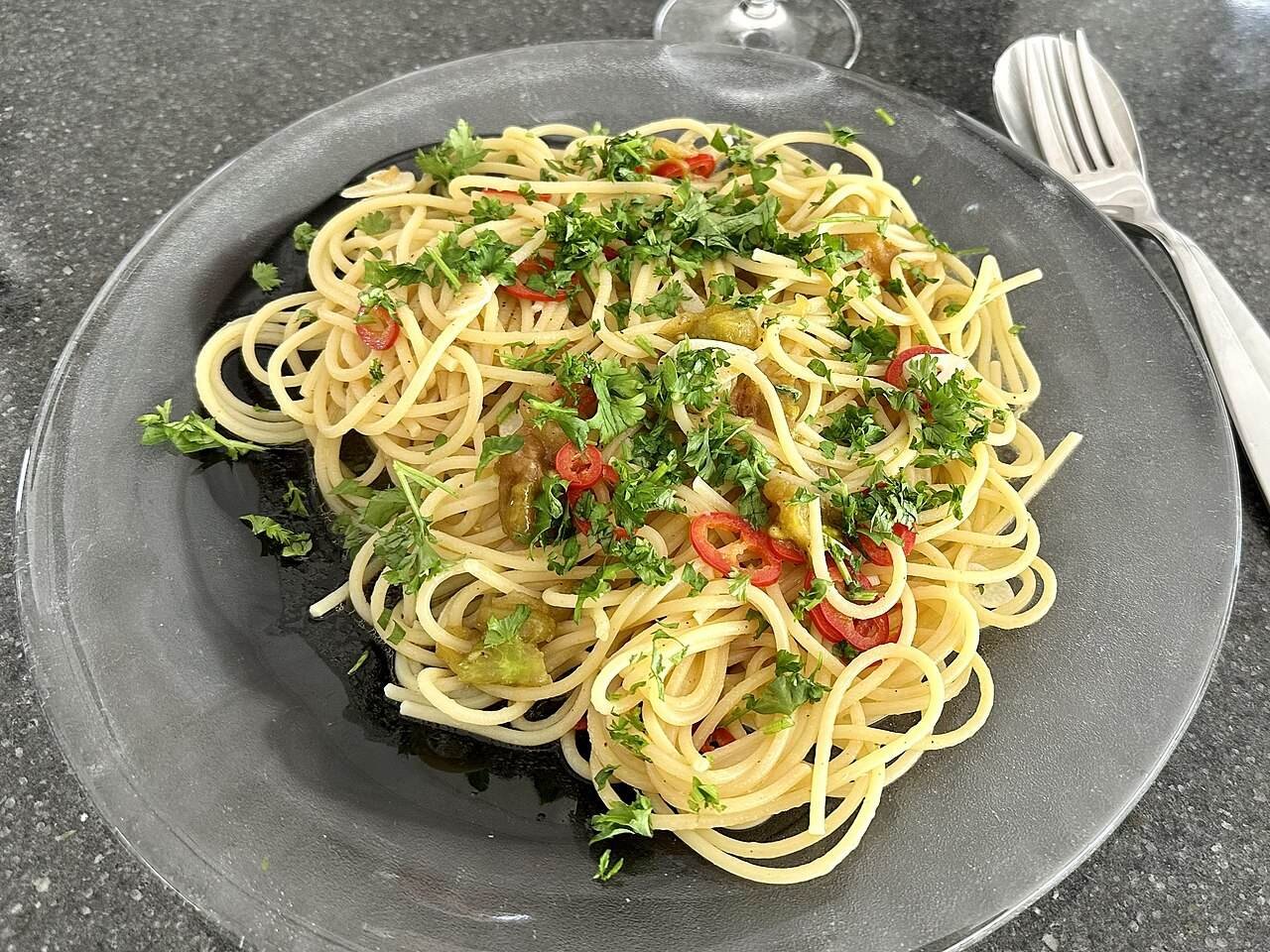
The foundation of everything. Master these four white sauce pasta recipes and you understand the DNA of every creamy pasta that follows — the alfredo emulsion, the roux-based béchamel, the bright lemon-cream balance, and the tomato-cream vodka sauce.
1. Classic Fettuccine Alfredo (The Real 3-Ingredient Way)
Real alfredo has three ingredients — butter, Parmesan, and starchy pasta water — and takes 20 minutes. The jarred stuff doesn’t come close. Once you nail the emulsification, when the cheese melts into the butter and water to form a glossy coat instead of a greasy slick, you’ll never go back.
Why these ingredients work: Butter provides the fat base, freshly grated Parmesan brings salty umami, and the starchy pasta water is the secret emulsifier — its dissolved starch binds fat and water into a stable, silky sauce. Pre-shredded Parmesan won’t melt smoothly here (the anti-caking starch is the culprit), so grate it yourself.
Ingredients:
- 12 oz fettuccine
- 6 tbsp unsalted butter
- 2 cloves garlic, minced
- 1 1/2 cups heavy cream
- 1 1/2 cups freshly grated Parmesan (grate it yourself)
- 3/4 tsp kosher salt
- 1/2 tsp black pepper
- Pinch of ground nutmeg (the background note you can’t quite name)
- 2 tbsp chopped fresh parsley
Instructions:
- Cook the fettuccine in well-salted boiling water until just shy of al dente. Before draining, scoop out 1 1/2 cups of the starchy pasta water — this is the most important step.
- Melt the butter in a large skillet over medium heat. Add the garlic and cook 1 minute until fragrant but not browned (brown garlic turns bitter).
- Pour in the heavy cream and bring to a gentle simmer — small lazy bubbles, never a rolling boil.
- Take the pan OFF the heat. Wait 60 seconds, then add the Parmesan a handful at a time, stirring until each addition melts before adding more. (My stove runs hot, so I always pull the pan fully off the burner for this.)
- Return to low heat. Add the fettuccine and toss with tongs, adding pasta water a splash at a time until the sauce is silky and coats every strand.
- Season with salt, pepper, and nutmeg. Serve immediately with parsley — alfredo waits for no one.
Time: Prep 5 min | Cook 15 min | Total 20 min | Servings: 4 | Est. calories: ~780 per serving (estimate)
Substitutions: Half-and-half works in place of heavy cream, but the sauce will be thinner — simmer 2 extra minutes. Pecorino Romano can replace half the Parmesan for a sharper bite.
Storage: Refrigerate up to 3 days. Reheat very gently in a skillet with a splash of milk, stirring — cream sauces seize in a screaming-hot microwave. (Freezing is not recommended; the sauce splits when thawed.)
Try it: Add sliced grilled chicken or sautéed mushrooms in step 5 to turn it into a full meal.
Classic Fettuccine Alfredo (The Real 3-Ingredient Way)
Ingredients
Method
- Cook the fettuccine in well-salted boiling water until just shy of al dente. Before draining, scoop out 1 1/2 cups of the starchy pasta water — this is the most important step.
- Melt the butter in a large skillet over medium heat. Add the garlic and cook 1 minute until fragrant but not browned (brown garlic turns bitter).
- Pour in the heavy cream and bring to a gentle simmer — small lazy bubbles, never a rolling boil.
- Take the pan OFF the heat. Wait 60 seconds, then add the Parmesan a handful at a time, stirring until each addition melts before adding more. (My stove runs hot, so I always pull the pan fully off the burner for this.)
- Return to low heat. Add the fettuccine and toss with tongs, adding pasta water a splash at a time until the sauce is silky and coats every strand.
- Season with salt, pepper, and nutmeg. Serve immediately with parsley — alfredo waits for no one.
2. Creamy Garlic Parmesan Pasta
This is the garlic-lover’s white sauce pasta: six cloves of garlic bloomed slowly in butter until sweet and golden, then built into a Parmesan cream sauce with a faint background note of nutmeg. It tastes like the expensive restaurant version because it IS the restaurant version — restaurants just aren’t shy about the butter.
Why these ingredients work: Slicing the garlic thin (instead of mincing) lets it soften into sweet, mellow chips rather than sharp, bitter bits. Blooming it in butter before any liquid goes in extracts maximum flavor into the fat. The nutmeg doesn’t taste like nutmeg — it just makes the cream taste creamier.
Ingredients:
- 12 oz linguine or fettuccine
- 4 tbsp unsalted butter
- 6 cloves garlic, thinly sliced
- 1 1/2 cups heavy cream
- 1 1/2 cups freshly grated Parmesan
- 1/2 tsp black pepper, plus more to serve
- 1/4 tsp ground nutmeg
- 3/4 tsp kosher salt
- 2 tbsp chopped fresh parsley
Instructions:
- Cook the pasta in well-salted water until just shy of al dente. Reserve 1 cup of pasta water, then drain.
- Melt the butter in a large skillet over medium-low heat. Add the sliced garlic and cook 2 to 3 minutes, stirring often, until soft and golden at the edges — not brown.
- Pour in the cream and simmer gently 2 minutes, letting the garlic flavor bloom through it.
- Whisk in the Parmesan a handful at a time until melted and smooth. Stir in the nutmeg, salt, and pepper.
- Add the pasta with a splash of pasta water and toss 1 to 2 minutes until glossy and every strand is coated. Thin with more pasta water as needed.
- Finish with parsley and an extra crack of black pepper. Serve in warm bowls.
Time: Prep 5 min | Cook 15 min | Total 20 min | Servings: 4 | Est. calories: ~720 per serving (estimate)
Substitutions: Add a handful of baby spinach or frozen peas in step 5 for color and a vegetable serving. Swap half the Parmesan for Gruyère for a nuttier sauce.
Storage: Refrigerate up to 3 days. Reheat gently with a splash of milk; stir constantly to bring the emulsion back together.
Try it: Top with toasted breadcrumbs (tossed in a dry skillet 2 minutes) for a crunch that contrasts the silk.
3. Lemon Parmesan Cream Pasta
Bright, silky, and done in 20 minutes — this is the creamy pasta for people who find alfredo too heavy. The lemon zest and juice cut through the richness the way a squeeze of lemon cuts through anything rich, and the whole thing tastes like spring in a bowl.
Why these ingredients work: Lemon zest (added off the heat) delivers bright citrus oils without the harsh acidity of juice alone; a smaller amount of juice then lifts the sauce. Cream and Parmesan provide the body, and the zest oils keep the finish fresh instead of cloying. Timing matters: lemon juice boiled in cream can turn harsh and even curdle the sauce.
Ingredients:
- 12 oz spaghetti or linguine
- 4 tbsp unsalted butter
- 3 cloves garlic, minced
- 1 cup heavy cream
- 1 cup freshly grated Parmesan
- Zest of 2 lemons, plus 2 tbsp fresh lemon juice
- 1/2 tsp black pepper
- 3/4 tsp kosher salt
- 1/4 cup chopped fresh basil or parsley
- Extra lemon wedges, for serving
Instructions:
- Cook the pasta in well-salted water until al dente. Reserve 1 cup of pasta water, then drain.
- Melt the butter in a large skillet over medium heat. Add the garlic; cook 1 minute until fragrant.
- Pour in the cream and simmer gently 2 minutes until slightly thickened.
- Off the heat, whisk in the Parmesan until melted and smooth. Stir in the lemon zest FIRST, then the lemon juice (zest before juice — the oils bloom better in the warm fat).
- Add the pasta with a splash of pasta water and toss until glossy. Season with salt and pepper; thin with more pasta water as needed.
- Top with basil and serve with lemon wedges for anyone who wants more brightness.
Time: Prep 5 min | Cook 15 min | Total 20 min | Servings: 4 | Est. calories: ~640 per serving (estimate)
Substitutions: Add 2 cups of steamed asparagus or peas in step 5 — classic pairings. Use half-and-half instead of cream for a lighter sauce (simmer 2 extra minutes).
Storage: Refrigerate up to 3 days. The lemon flavor fades slightly overnight; refresh with a squeeze of fresh lemon when reheating.
Try it: Add 1 lb of seared shrimp in step 5 for a lemon-shrimp cream pasta that tastes like a $26 entrée.
4. Pasta alla Vodka (Pink, Silky, Restaurant-Style)
That pink, silky, restaurant-style sauce with just a touch of background heat. The vodka’s job is chemistry, not flavor — it sharpens the tomato flavor and helps the cream emulsify into the tomato base. And no, it doesn’t taste like alcohol; it all cooks off in the simmer.
Why these ingredients work: Alcohol is a flavor solvent — it releases flavor compounds in tomatoes that water and fat alone can’t reach, which is why vodka sauce tastes more tomatoey than plain tomato-cream. Adding the cream over LOW heat after the tomatoes have simmered keeps the dairy from curdling in the acid. Red pepper flakes add warmth without real heat.
Ingredients:
- 12 oz penne or rigatoni
- 2 tbsp olive oil
- 1 small onion, finely diced
- 3 cloves garlic, minced
- 1/2 tsp red pepper flakes
- 1/2 cup vodka
- 1 can (28 oz) crushed tomatoes
- 1 cup heavy cream
- 3/4 tsp kosher salt
- 1/2 cup freshly grated Parmesan, plus more for serving
- Fresh basil, torn, for serving
Instructions:
- Heat the olive oil in a large skillet over medium heat. Cook the onion 5 minutes until soft. Add the garlic and red pepper flakes; cook 1 minute.
- Pour in the vodka and let it bubble 2 to 3 minutes, scraping up the browned bits, until reduced by about half. (If you’re nervous about open flame, keep the heat at medium — the alcohol burns off gently.)
- Add the crushed tomatoes and salt. Simmer 15 minutes until slightly thickened and the raw tomato edge is gone.
- Reduce the heat to LOW. Stir in the cream slowly, then the Parmesan until melted and smooth — never add cream to acidic tomatoes over high heat or it can curdle.
- Cook the penne in well-salted water until al dente. Reserve 1 cup pasta water, then drain.
- Toss the penne with the sauce and a splash of pasta water for 2 minutes. Top with basil and extra Parmesan.
Time: Prep 10 min | Cook 25 min | Total 35 min | Servings: 4 to 6 | Est. calories: ~680 per serving (estimate)
Substitutions: No vodka? The sauce still works without it — add 1 tsp of sugar to round out the tomatoes. A spoonful of ricotta dolloped on each serving takes it over the top.
Storage: Refrigerate up to 4 days. Reheats beautifully — the sauce is sturdy. Freezes up to 2 months (the cream holds because the tomato base stabilizes it).
Try it: Stir in a handful of baby spinach at the end, or add sliced Italian sausage browned in step 1 for a heartier version.
Chicken & Meat Creamy Pasta Recipes
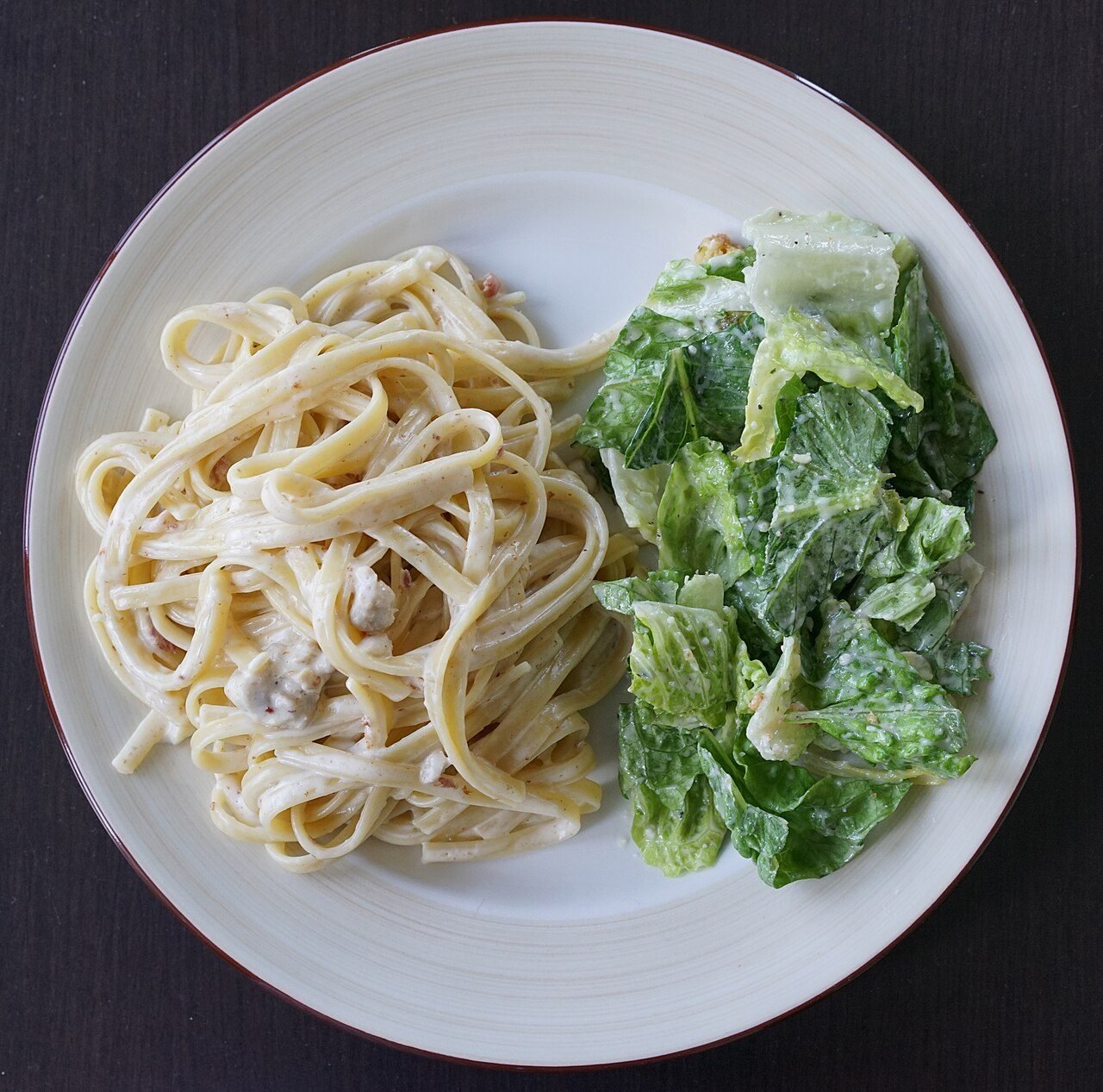
Protein meets silk. These are the hearty, dinner-worthy creamy pasta recipes — the ones where the sauce clings to seared chicken or pancetta and nobody leaves the table hungry.
5. Creamy Tuscan Chicken Pasta
Sun-dried tomatoes, garlic, spinach, and Parmesan cream — the “Tuscan” flavor profile that took over American menus for good reason. It tastes like a restaurant dish but cooks in one skillet in 30 minutes, and the sauce is the kind you want to drag bread through.
Why these ingredients work: Sun-dried tomatoes in oil bring concentrated umami and sweetness that makes the sauce taste slow-cooked in 25 minutes. Wilting the spinach directly into the hot sauce (instead of cooking it separately) keeps it bright. The chicken is seared first and finished in the sauce, so it stays juicy and picks up flavor from the simmer.
Ingredients:
- 12 oz penne or fettuccine
- 1 1/2 lbs boneless, skinless chicken breasts, cut into 1-inch pieces
- 1 tsp Italian seasoning
- 3/4 tsp kosher salt, divided, plus more for pasta water
- 1/2 tsp black pepper
- 2 tbsp olive oil
- 4 cloves garlic, minced
- 3/4 cup sun-dried tomatoes in oil, drained and sliced
- 1 tsp Italian seasoning (yes, more — it layers)
- 1/2 tsp red pepper flakes (optional)
- 1 1/2 cups heavy cream
- 1 cup freshly grated Parmesan
- 3 cups fresh baby spinach
- 1/4 cup chopped fresh basil
Instructions:
- Cook the pasta in well-salted water until al dente. Reserve 1 cup of pasta water, then drain.
- Season the chicken with Italian seasoning, 1/2 tsp salt, and pepper. Heat the olive oil in a large deep skillet over medium-high heat. Sear the chicken 5 to 6 minutes until golden (it doesn’t need to cook through yet). Remove to a plate.
- In the same skillet, add the garlic, sun-dried tomatoes, Italian seasoning, and red pepper flakes. Cook 1 minute until fragrant, scraping up the browned chicken bits.
- Pour in the cream and simmer 3 minutes until slightly thickened. Off the heat, whisk in the Parmesan until smooth.
- Return the chicken to the skillet and simmer 5 minutes until cooked through (165°F internal on a meat thermometer — the USDA number, not a guess).
- Stir in the spinach until wilted, then the pasta with a splash of pasta water. Toss 2 minutes until everything is glossy. Top with basil.
Time: Prep 10 min | Cook 20 min | Total 30 min | Servings: 6 | Est. calories: ~710 per serving (estimate)
Substitutions: Chicken thighs work beautifully (juicier, harder to overcook). Swap the spinach for kale — add it 3 minutes earlier since it’s sturdier. Half-and-half lightens the sauce.
Storage: Refrigerate up to 3 days. Reheat gently with a splash of cream or milk; the sauce tightens overnight.
Try it: Stir in a can of drained white beans with the spinach for extra protein and fiber.
6. Cajun Creamy Chicken Pasta
Smoky, spicy, creamy — the weeknight crowd-pleaser that tastes like a Louisiana restaurant. The Cajun seasoning blooms in the hot fat before the cream goes in, which is the difference between “pasta with spice sprinkled on top” and pasta that tastes deeply seasoned through and through.
Why these ingredients work: Blooming the Cajun seasoning in butter and chicken fat (instead of adding it to the finished sauce) wakes up the dried spices — heat plus fat carries their flavor through the whole dish. Bell peppers add sweetness that balances the heat, and the cream rounds the spice into something rich rather than harsh.
Ingredients:
- 12 oz penne or linguine
- 1 1/2 lbs boneless, skinless chicken breasts, sliced into strips
- 2 tbsp Cajun seasoning, divided (check the label — some are salt-heavy)
- 1/2 tsp kosher salt, plus more for pasta water
- 2 tbsp olive oil
- 2 tbsp butter
- 1 red bell pepper, sliced
- 1 green bell pepper, sliced
- 1 small onion, sliced
- 4 cloves garlic, minced
- 1 1/2 cups heavy cream
- 1 cup freshly grated Parmesan
- 3 tbsp chopped fresh parsley or sliced scallions
Instructions:
- Cook the pasta in well-salted water until al dente. Reserve 1 cup of pasta water, then drain.
- Toss the chicken strips with 1 tbsp of the Cajun seasoning and the salt. Heat the olive oil in a large skillet over medium-high heat. Sear the chicken 5 to 6 minutes until golden and cooked through. Remove to a plate.
- In the same skillet, melt the butter. Add the peppers and onion; cook 4 to 5 minutes until softened with charred edges. Add the garlic and the remaining 1 tbsp Cajun seasoning; cook 1 minute, stirring constantly — this blooming step is where the flavor happens.
- Pour in the cream and simmer 3 minutes, scraping up the browned bits. Off the heat, whisk in the Parmesan until smooth.
- Return the chicken to the skillet. Add the pasta with a splash of pasta water and toss 2 minutes until glossy.
- Taste before adding more salt — Cajun blends vary wildly in saltiness. Top with parsley or scallions.
Time: Prep 10 min | Cook 20 min | Total 30 min | Servings: 6 | Est. calories: ~700 per serving (estimate)
Substitutions: Swap chicken for shrimp (sear 2 minutes per side — they cook fast) or andouille sausage slices. For less heat, use 1 tbsp Cajun seasoning and add 1 tsp smoked paprika.
Storage: Refrigerate up to 3 days. The spice actually deepens overnight — leftovers might be better than day one.
Try it: A squeeze of fresh lime over each serving brightens the whole dish and cuts the richness.
7. Creamy Pesto Chicken Pasta
The best of both sauce worlds: bright, herby pesto folded into a Parmesan cream sauce. Pesto alone can feel thin and oily on pasta; cream gives it body and carries the basil flavor into every bite. This is my answer to “what do I do with the pesto in my fridge.”
Why these ingredients work: Stirring the pesto in OFF the heat preserves the fresh basil flavor — boiling pesto turns it dull and brownish. The cream mellows pesto’s intensity so it coats evenly instead of sitting in oily pools. Toasted pine nuts (or walnuts) on top restore the texture contrast.
Ingredients:
- 12 oz fettuccine or penne
- 1 1/2 lbs boneless, skinless chicken breasts, cut into bite-size pieces
- 3/4 tsp kosher salt, divided, plus more for pasta water
- 1/2 tsp black pepper
- 2 tbsp olive oil
- 3 cloves garlic, minced
- 1 cup heavy cream
- 3/4 cup basil pesto (store-bought is fine — look for one with real pine nuts)
- 3/4 cup freshly grated Parmesan, plus more for serving
- 1 cup cherry tomatoes, halved
- 1/4 cup toasted pine nuts or chopped walnuts
Instructions:
- Cook the pasta in well-salted water until al dente. Reserve 1 cup of pasta water, then drain.
- Season the chicken with 1/2 tsp salt and pepper. Heat the olive oil in a large skillet over medium-high heat. Sear the chicken 6 minutes until golden and cooked through (165°F). Remove to a plate.
- Lower the heat to medium. Add the garlic to the same skillet; cook 30 seconds. Pour in the cream and simmer 3 minutes until slightly thickened.
- Whisk in the Parmesan until melted and smooth. Return the chicken to the skillet with the cherry tomatoes; simmer 2 minutes.
- OFF the heat, stir in the pesto until evenly combined (heat dulls fresh basil — this step matters). Add the pasta with a splash of pasta water and toss until glossy.
- Top with toasted pine nuts and extra Parmesan. Serve immediately.
Time: Prep 10 min | Cook 18 min | Total 28 min | Servings: 6 | Est. calories: ~690 per serving (estimate)
Substitutions: Sun-dried tomato pesto makes a completely different, equally good version. Swap chicken for Italian sausage (casings removed, browned and crumbled). Dairy-free pesto + coconut cream works for a non-dairy version.
Storage: Refrigerate up to 3 days. The basil darkens slightly overnight but the flavor holds. Reheat gently with a splash of milk.
Try it: Add a handful of baby arugula at the end — the peppery bite plays beautifully against the rich sauce.
8. Spaghetti Carbonara (The Real Egg Way)
No cream. I repeat: real carbonara has no cream. The silkiness comes from eggs, Pecorino Romano, and starchy pasta water, tossed off the heat so the eggs thicken into a glossy sauce instead of scrambling. It’s the most technique-driven of these creamy pasta recipes — and the most rewarding when it clicks.
Why these ingredients work: Egg yolks plus finely grated Pecorino plus hot starchy water form an emulsion — the same principle as alfredo, but the eggs add a custardy richness no cream can match. Guanciale (cured pork jowl) renders fat that’s deeply porky; pancetta is the accessible swap. The pan MUST be off the heat when the eggs go in, or you get breakfast pasta.
Ingredients:
- 12 oz spaghetti or rigatoni
- 8 oz guanciale or pancetta, cut into small cubes
- 4 large egg yolks, plus 1 whole egg, at room temperature
- 1 1/2 cups finely grated Pecorino Romano (not Parmesan — pecorino is saltier and sharper)
- 2 tsp coarsely cracked black pepper, plus more to serve
- Kosher salt for pasta water (go light — the pork and cheese are salty)
Instructions:
- Bring a large pot of lightly salted water to a boil (light salt — the guanciale and pecorino bring plenty).
- Cook the guanciale in a large cold skillet over medium heat, starting cold so the fat renders slowly. Cook 8 to 10 minutes until crisp and golden. Take the skillet OFF the heat entirely.
- Meanwhile, whisk the egg yolks, whole egg, Pecorino, and black pepper in a bowl until it forms a thick paste.
- Cook the spaghetti until very al dente — 1 minute less than the package says. Reserve 2 cups of the starchy pasta water, then drain.
- Add the hot pasta to the skillet with the guanciale (off the heat!). Toss to coat in the rendered fat.
- Pour in the egg-cheese mixture and toss vigorously and continuously, adding hot pasta water a splash at a time. The residual heat cooks the eggs gently into a silky, glossy sauce — keep tossing until it shines. If it looks clumpy, more hot water and more tossing; it always comes together.
- Serve immediately in warm bowls with extra Pecorino and cracked pepper.
Time: Prep 10 min | Cook 15 min | Total 25 min | Servings: 4 | Est. calories: ~640 per serving (estimate)
Substitutions: Pancetta for guanciale (widely available). In a real pinch, thick-cut bacon works — the flavor is smokier, less traditional, still delicious. Half Parmesan + half Pecorino if straight pecorino is too sharp for you.
Storage: Carbonara is a serve-immediately dish — it doesn’t reheat well (the eggs overcook). Make only what you’ll eat. If you must store, refrigerate 1 day and reheat very gently with a splash of water, accepting some texture loss.
Try it: Once you’ve nailed the technique, try it with rigatoni — the tubes catch the sauce and crispy pork bits in every bite.
Seafood Creamy Pasta Recipes
Delicate proteins, rich sauces. Seafood and cream are a natural match — the sweetness of shrimp and salmon loves a garlic-Parmesan or lemon-dill cream. The rule here is speed: seafood overcooks in about 60 seconds, so the sauce is always built first and the seafood goes in last.
9. Creamy Garlic Shrimp Pasta
Plump shrimp folded through a garlic-Parmesan cream sauce with a squeeze of lemon. It tastes like the $28 restaurant plate because it follows the same formula — the only difference is you’re not paying for the tablecloth.
Why these ingredients work: Patting the shrimp very dry before searing is the whole game — dry shrimp sear and brown; wet shrimp steam and turn rubbery. The lemon juice goes in at the very end, off the heat, so it stays bright instead of turning harsh. Red pepper flakes add background warmth, not real heat.
Ingredients:
- 12 oz linguine or fettuccine
- 1 1/2 lbs large shrimp, peeled, deveined, and patted VERY dry
- 3/4 tsp kosher salt, divided, plus more for pasta water
- 1/2 tsp black pepper
- 2 tbsp olive oil
- 4 tbsp unsalted butter, divided
- 5 cloves garlic, thinly sliced
- 1/2 tsp red pepper flakes
- 1 1/4 cups heavy cream
- 3/4 cup freshly grated Parmesan
- 2 tbsp fresh lemon juice (about 1 lemon)
- 1/3 cup chopped fresh parsley
- Lemon wedges, for serving
Instructions:
- Cook the pasta in well-salted water until al dente. Reserve 1 cup of pasta water, then drain.
- Season the shrimp with 1/2 tsp salt and pepper. Heat the olive oil and 2 tbsp butter in a large skillet over medium-high heat. Sear the shrimp in a single layer 2 minutes per side until pink and just curled into a C. Remove to a plate immediately — they keep cooking off the heat.
- Lower the heat to medium. Melt the remaining 2 tbsp butter. Add the garlic and red pepper flakes; cook 1 minute until fragrant but not brown.
- Pour in the cream and simmer 3 minutes until slightly thickened. Off the heat, whisk in the Parmesan until smooth.
- Return the shrimp to the skillet. Add the pasta with a splash of pasta water and toss 1 to 2 minutes until glossy.
- Stir in the lemon juice and parsley off the heat. Taste for salt, and serve with lemon wedges.
Time: Prep 12 min | Cook 15 min | Total 27 min | Servings: 4 to 6 | Est. calories: ~660 per serving (estimate)
Substitutions: Scallops work the same way (sear 2 minutes per side). For a lighter version, use half-and-half and simmer 2 extra minutes. Add a handful of baby spinach with the shrimp for color.
Storage: Refrigerate up to 2 days. Shrimp get rubbery when reheated aggressively — warm gently in a skillet with a splash of cream, not the microwave.
Try it: Add 1/2 cup of dry white wine to the skillet after the garlic (step 3) and reduce 2 minutes before the cream — it adds a layer of restaurant depth.
10. Smoked Salmon & Dill Cream Pasta
Silky smoked salmon, fresh dill, and a lemony cream sauce over linguine. This is my date-night creamy pasta — it looks and tastes luxurious, takes 20 minutes, and the only “cooking” is boiling pasta and warming cream. No one needs to know how easy it was.
Why these ingredients work: Smoked salmon is added OFF the heat at the very end — heat makes it tough and fishy, but warm cream keeps it silky. Fresh dill (not dried) is non-negotiable here; dried dill tastes like dust in comparison. A touch of Dijon mustard in the cream adds depth you can’t quite identify but would miss.
Ingredients:
- 12 oz linguine
- 2 tbsp unsalted butter
- 1 small shallot, finely minced (milder and sweeter than onion here)
- 1 1/2 cups heavy cream
- 1 tsp Dijon mustard
- 3/4 cup freshly grated Parmesan
- Zest of 1 lemon, plus 1 tbsp lemon juice
- 8 oz cold-smoked salmon (lox-style), cut into ribbons
- 1/4 cup chopped fresh dill, plus sprigs for garnish
- 1/2 tsp black pepper
- 1/2 tsp kosher salt, plus more for pasta water
Instructions:
- Cook the linguine in well-salted water until al dente. Reserve 1 cup of pasta water, then drain.
- Melt the butter in a large skillet over medium heat. Add the shallot; cook 3 minutes until soft and translucent.
- Pour in the cream and simmer gently 3 minutes. Whisk in the Dijon, then the Parmesan until melted and smooth. Stir in the lemon zest.
- Add the pasta with a splash of pasta water and toss until glossy and coated.
- Take the pan OFF the heat. Fold in the smoked salmon ribbons, dill, and lemon juice — the residual heat warms the salmon through without cooking it tough.
- Season with salt and pepper. Serve with dill sprigs and extra lemon zest on top.
Time: Prep 8 min | Cook 12 min | Total 20 min | Servings: 4 | Est. calories: ~690 per serving (estimate)
Substitutions: Hot-smoked salmon (the flaky kind) also works — fold it in the same way. No dill? Fresh chives or tarragon are good backups. Capers (1 tbsp, drained) add a briny pop.
Storage: Refrigerate up to 2 days. The salmon texture is best fresh; reheat very gently and expect it to firm up slightly.
Try it: Add a handful of frozen peas with the pasta in step 4 — the sweetness is a classic pairing with salmon.
Veggie & No-Cream Creamy Pasta Recipes
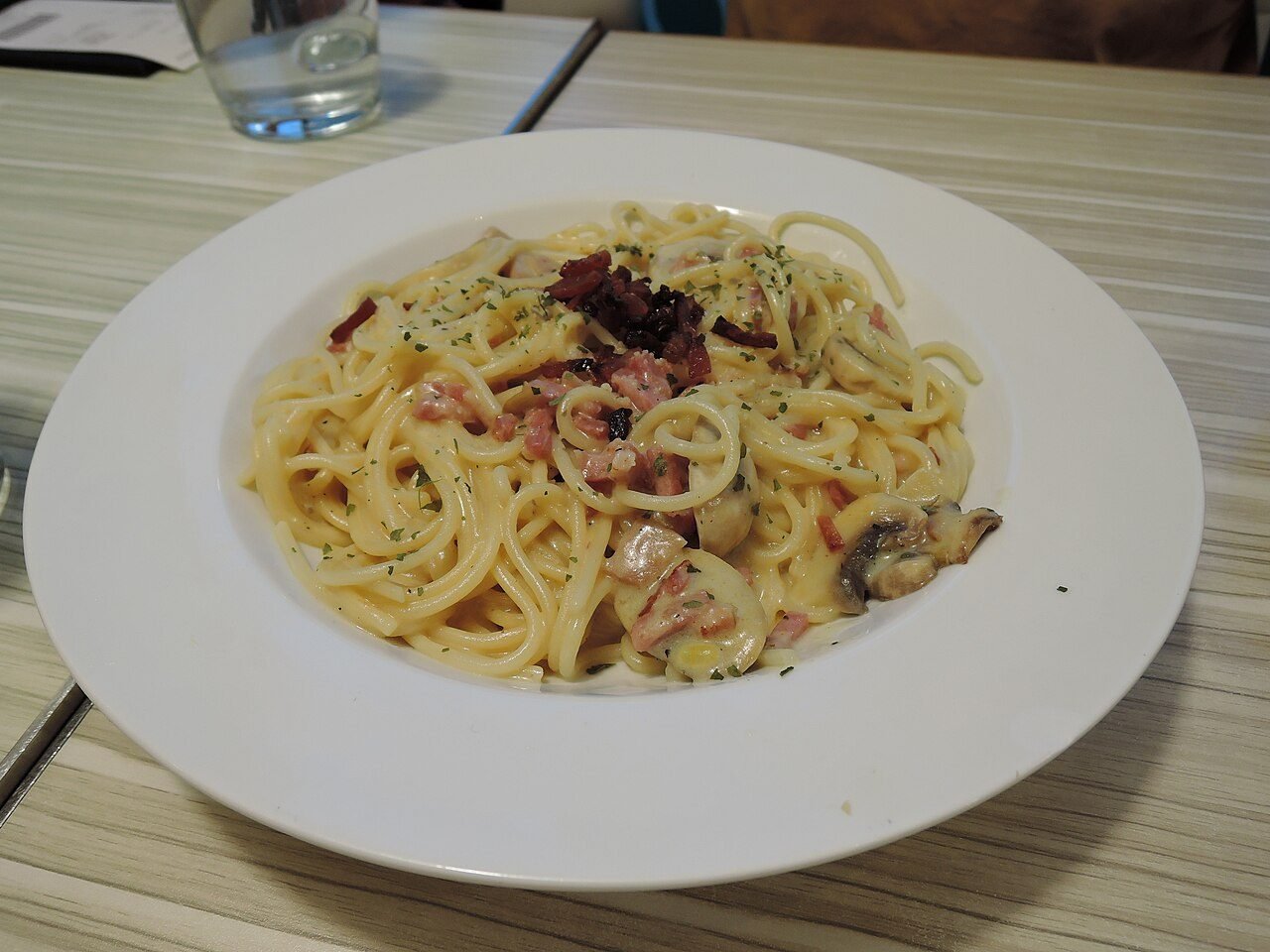
Proof that creamy doesn’t have to mean heavy — or even dairy. These three deliver the silk: a mushroom stroganoff with real depth, a 15-minute cream cheese pasta for emergencies, and a cauliflower alfredo that genuinely fools people.
11. Creamy Mushroom Stroganoff Pasta
All the cozy of beef stroganoff, built on mushrooms instead. The secret is browning the mushrooms HARD in a single uncrowded layer — that’s where the meaty, savory depth comes from. The sour cream goes in off the heat so it stays silky instead of splitting.
Why these ingredients work: Mushrooms browned undisturbed develop Maillard crust — deep, meaty flavor that boiled mushrooms never get. A spoonful of tomato paste adds background umami and color. Sour cream stirred in off the heat (never boiled) keeps the sauce smooth; boiling sour cream makes it grainy every time.
Ingredients:
- 12 oz wide egg noodles or pappardelle
- 3 tbsp butter, divided
- 1 tbsp olive oil
- 1 1/2 lbs cremini mushrooms, sliced thick (thick slices brown; thin slices steam)
- 1 large onion, diced
- 3 cloves garlic, minced
- 1 tbsp tomato paste
- 1 tsp paprika (sweet, not smoked, for the classic flavor)
- 1/2 cup dry white wine or vegetable broth
- 1 cup vegetable or beef broth
- 1 tbsp Worcestershire sauce
- 3/4 cup sour cream, at room temperature
- 1 tbsp Dijon mustard
- 3/4 tsp kosher salt, plus more for pasta water
- 1/2 tsp black pepper
- 2 tbsp chopped fresh parsley or dill
Instructions:
- Cook the noodles in well-salted water until al dente. Reserve 1 cup of pasta water, then drain.
- Heat 1 tbsp butter plus the olive oil in a large skillet over medium-high heat. Add half the mushrooms in a single layer — don’t crowd them — and sear 4 to 5 minutes undisturbed until deeply browned. Flip, brown 2 more minutes, transfer to a plate. Repeat with the second half and 1 tbsp butter. (Salt the mushrooms only AFTER they brown — salting early draws out water and they steam.)
- Lower the heat to medium. Add the remaining 1 tbsp butter, the onion, and garlic; cook 4 minutes until soft. Stir in the tomato paste and paprika; cook 1 minute.
- Pour in the wine and scrape up every browned bit — that’s pure flavor. Add the broth and Worcestershire; simmer 5 minutes until slightly reduced.
- Take the pan OFF the heat. Whisk the room-temperature sour cream with the Dijon in a small bowl, then stir it into the skillet until smooth. (Room-temp sour cream + off-heat pan = no splitting, guaranteed.)
- Return the mushrooms to the pan. Add the noodles with a splash of pasta water and toss until coated. Season with salt and pepper; top with parsley.
Time: Prep 12 min | Cook 25 min | Total 37 min | Servings: 4 to 6 | Est. calories: ~520 per serving (estimate)
Substitutions: A mix of mushroom varieties (shiitake, oyster) makes it fancier. Greek yogurt can replace the sour cream — same off-heat rule applies. Add a handful of baby spinach at the end for color.
Storage: Refrigerate up to 3 days. Reheats well on the stove with a splash of broth. Mushrooms hold their texture better than most vegetables on day two.
Try it: Serve over the egg noodles as written, or spoon it over mashed potatoes for the full comfort-food experience.
12. 15-Minute Cream Cheese Pasta
The emergency creamy pasta. When the fridge is nearly empty and dinner needs to happen in 15 minutes, cream cheese plus Parmesan plus garlic plus pasta water makes a shockingly good sauce. I’ve made this more times than I can count, and it has never once disappointed.
Why these ingredients work: Cream cheese melts into a naturally thick, tangy sauce — it has stabilizers that keep it smooth where plain cream might split, which makes this nearly foolproof. Softening it first (or using room-temp) means it melts in seconds instead of clumping. The Parmesan adds the salty depth that cream cheese alone lacks.
Ingredients:
- 8 oz pasta of your choice (penne, fusilli, or spaghetti all work)
- 4 oz cream cheese, softened (leave it on the counter 20 minutes, or microwave 15 seconds)
- 2 cloves garlic, minced
- 1 tbsp olive oil
- 1/2 cup freshly grated Parmesan
- 3/4 cup milk (whole or 2%)
- 1/2 tsp kosher salt, plus more for pasta water
- 1/4 tsp black pepper
- Pinch of red pepper flakes (optional)
- 2 tbsp chopped fresh basil or parsley
Instructions:
- Cook the pasta in well-salted water until al dente. Before draining, reserve 1 1/2 cups of the pasta water — you’ll need more than usual here.
- While the pasta cooks, heat the olive oil in a large skillet over medium heat. Add the garlic; cook 30 seconds until fragrant.
- Add the softened cream cheese and milk. Whisk constantly 2 to 3 minutes until the cream cheese melts into a smooth sauce. (If it looks lumpy, keep whisking — it always comes together.)
- Whisk in the Parmesan, salt, pepper, and red pepper flakes until smooth.
- Add the drained pasta with a splash of pasta water and toss 1 to 2 minutes, adding more pasta water until the sauce is silky and coats every piece. The sauce thickens fast — don’t be shy with the water.
- Top with basil or parsley and extra Parmesan. Serve immediately.
Time: Prep 3 min | Cook 12 min | Total 15 min | Servings: 4 | Est. calories: ~480 per serving (estimate)
Substitutions: Stir in a handful of frozen peas or baby spinach in step 5. Add cooked chicken, shrimp, or bacon to make it a full meal. A squeeze of lemon brightens the whole thing.
Storage: Refrigerate up to 3 days. Reheat with a generous splash of milk — cream cheese sauces thicken aggressively in the fridge.
Try it: This is the base for endless variations — stir in 1/2 cup of pesto, or a can of drained artichoke hearts, or sun-dried tomatoes. The formula never fails.
13. Cauliflower Alfredo (Creamy Without the Cream)
I was skeptical too. But blended cauliflower — cooked until completely tender, then blitzed with Parmesan, garlic, and a little butter — makes a genuinely creamy, genuinely delicious alfredo-style sauce. It’s lighter, it’s sneaky-vegetable genius for kids, and blind tasters in my kitchen could not identify the cauliflower.
Why these ingredients work: Cauliflower cooked past tender (truly soft, even slightly overcooked) blends into a completely smooth purée with no graininess — undercooked cauliflower is the #1 reason vegetable sauces taste “healthy” in a bad way. The Parmesan and butter provide the familiar alfredo flavor signals, so your brain reads “creamy pasta” instead of “vegetable pasta.” A high-speed blender (or patient food processor) is the tool that makes it work.
Ingredients:
- 12 oz fettuccine or penne
- 1 medium head cauliflower (about 2 lbs), cut into small florets
- 4 cups vegetable or chicken broth (for cooking the cauliflower)
- 3 tbsp unsalted butter
- 4 cloves garlic, minced
- 3/4 cup freshly grated Parmesan, plus more for serving
- 1/2 cup milk (any kind)
- 1/4 tsp ground nutmeg
- 3/4 tsp kosher salt, plus more for pasta water
- 1/2 tsp black pepper
- 2 tbsp chopped fresh parsley
Instructions:
- Cook the pasta in well-salted water until al dente. Reserve 1 cup of pasta water, then drain.
- Meanwhile, simmer the cauliflower in the broth 12 to 15 minutes until COMPLETELY tender — a fork should slide through with zero resistance. Slightly overcooked is perfect here. Drain, reserving 1/2 cup of the cooking liquid.
- Melt the butter in the same pot over medium heat. Add the garlic; cook 1 minute until fragrant.
- Add the drained cauliflower, Parmesan, milk, nutmeg, salt, and pepper to the pot. Blend with an immersion blender (or transfer to a regular blender) until completely silky — a full 2 minutes. Add splashes of the reserved cooking liquid until it’s the texture of a cream sauce. Taste and adjust salt aggressively — cauliflower needs more seasoning than you expect.
- Add the pasta with a splash of pasta water and toss 1 to 2 minutes until every piece is coated.
- Top with parsley and extra Parmesan. Serve immediately.
Time: Prep 10 min | Cook 20 min | Total 30 min | Servings: 4 to 6 | Est. calories: ~420 per serving (estimate)
Substitutions: Add a handful of raw cashews (soaked 10 minutes in hot water) to the blender for an even richer sauce. Roasted garlic instead of raw takes the flavor deeper. This sauce is also excellent over steamed vegetables or as a base for mac and cheese.
Storage: Refrigerate up to 4 days. It thickens as it sits — thin with milk when reheating. Freezes up to 2 months (vegetable-based sauces freeze far better than dairy ones).
Try it: Add 2 cups of roasted broccoli florets in step 5 — the charred edges against the silky sauce are fantastic.
The Cream Sauce Playbook: 5 Base Sauces to Master
Here’s the section no competitor gives you: the five cream-sauce bases behind every creamy pasta recipe on this list — and exactly when to reach for each one. Learn these and you can improvise creamy pasta from whatever’s in the fridge.
1. The Alfredo Emulsion (butter + Parmesan + pasta water). The purist’s sauce. No cream needed — the starch in the pasta water binds melted butter and cheese into silk. Best for: fettuccine, linguine, any long pasta. Watch out: the pan must be off the heat when the cheese goes in, or it breaks.
2. The Béchamel Base (butter + flour + milk). A roux-thickened white sauce — the workhorse behind mac and cheese and most baked creamy pastas. Best for: baked dishes, feeding a crowd, sauces that need to hold. Watch out: cook the flour in the butter a full minute or the sauce tastes pasty; add the milk gradually while whisking.
3. The Cream Reduction (heavy cream + Parmesan). Simmered cream thickened further with cheese. The most forgiving weeknight sauce — hard to break, easy to flavor. Best for: chicken, shrimp, and vegetable cream pastas. Watch out: simmer, never boil hard; add cheese off the heat.
4. The Egg Emulsion (egg yolks + Pecorino + pasta water). Carbonara’s method. No cream, no roux — just eggs, cheese, and starch whisked by residual heat. Best for: spaghetti, rigatoni, pork-based pastas. Watch out: everything happens off the heat. This is the technique-sensitive one — but it’s a 25-minute skill, not a talent.
5. The Vegetable Blend (cauliflower/cashew + Parmesan). Cooked-till-silky vegetables blended smooth. Best for: lighter creamy pasta, sneaking vegetables past kids, dairy-flexible cooking. Watch out: the vegetable must be cooked past tender and blended a full 2 minutes, and it needs aggressive seasoning.
My rule of thumb: weeknight speed → cream reduction. Date night or impressing guests → alfredo emulsion or egg emulsion. Feeding a crowd or baking → béchamel. Eating light → vegetable blend. Once you know which base fits the moment, the specific recipe almost writes itself.
Why Cream Sauces Break (and How to Save Them)
If you’ve ever watched a beautiful cream sauce turn grainy, greasy, or curdled, this section is for you. Every break has a cause — and almost every break has a rescue.
Cause 1: The heat was too high. Dairy proteins tighten and squeeze out fat when boiled hard, and cheese seizes into clumps. This is the #1 killer. The fix: simmer gently — small lazy bubbles. Take the pan off the heat before adding cheese, wait 60 seconds, then add it gradually.
Cause 2: The cheese went in too fast or too cold. A cold mountain of cheese dropped into a hot pan melts unevenly — some seizes while the rest sits in a lump. The fix: freshly grated cheese (not bagged shreds — the anti-caking starch fights melting), added a handful at a time, off the heat, stirring until each addition melts.
Cause 3: Acid met dairy at high heat. Lemon juice or tomatoes added to boiling cream can curdle it. The fix: lower the heat to low before adding acidic ingredients, add them slowly, and when possible add lemon juice off the heat at the very end.
Cause 4: No starch to hold the emulsion. Fat and water want to separate; starch is the mediator. Sauces built without any pasta water are fragile. The fix: always reserve pasta water before draining, and toss the pasta in the sauce for the last 1 to 2 minutes — the starch finishes the sauce better than any thickener.
The rescue moves (when it’s already broken): Take the pan off the heat immediately. Whisk in a splash of hot pasta water — the starch often pulls a split sauce back together. For a grainy cheese sauce, an immersion blender for 10 seconds can re-emulsify it. And if all else fails: strain out any solid bits, call it “rustic,” and serve it anyway. A slightly imperfect homemade cream sauce still beats the jar by a mile.
Common Mistakes to Avoid
- Adding cheese to a ripping-hot pan. The sauce breaks into a greasy, grainy mess. Take the pan off the heat, wait 60 seconds, then add cheese gradually. This single habit fixes half of all cream-sauce failures.
- Using pre-shredded cheese. Bagged shreds contain anti-caking starch that makes them melt gritty instead of silky. Grate your own Parmesan and Pecorino — it takes 2 minutes and the melt is dramatically better.
- Forgetting to reserve pasta water. That cloudy, starchy liquid is what turns a thin sauce into a glossy one that clings. Scoop it out BEFORE draining — once it’s down the sink, it’s gone.
- Boiling the cream hard. A rolling boil tightens dairy proteins and splits the sauce. Gentle simmer — small lazy bubbles — is the maximum heat any cream sauce should ever see.
- Adding lemon juice or tomatoes over high heat. Acid plus boiling dairy equals curdling. Lower the heat first, add acidic ingredients slowly, or stir lemon juice in off the heat at the end.
- Boiling sour cream or cream cheese sauces. Sour cream stirred into a bubbling pan goes grainy every time. Off the heat, room-temperature dairy, stirred in gently — that’s the rule for stroganoff and cream cheese sauces.
- Serving on cold plates. Cream sauces start setting the moment they leave the pan. Warm your serving bowls with hot water (dump it out before plating) and serve immediately — creamy pasta waits for no one.
All 13 creamy pasta recipes at a glance
| # | Recipe | Sauce Base | Total Time | Est. Calories | Best For |
|---|---|---|---|---|---|
| 1 | Classic Fettuccine Alfredo | Alfredo emulsion | 20 min | 780 | The purist’s classic |
| 2 | Creamy Garlic Parmesan Pasta | Cream reduction | 20 min | 720 | Garlic lovers |
| 3 | Lemon Parmesan Cream Pasta | Cream reduction | 20 min | 640 | Light-but-creamy |
| 4 | Pasta alla Vodka | Tomato-cream | 35 min | 680 | Restaurant-style night |
| 5 | Creamy Tuscan Chicken Pasta | Cream reduction | 30 min | 710 | One-skillet dinner |
| 6 | Cajun Creamy Chicken Pasta | Cream reduction | 30 min | 700 | Spice lovers |
| 7 | Creamy Pesto Chicken Pasta | Cream + pesto | 28 min | 690 | Pesto in the fridge |
| 8 | Spaghetti Carbonara | Egg emulsion | 25 min | 640 | Technique flex |
| 9 | Creamy Garlic Shrimp Pasta | Cream reduction | 27 min | 660 | Date night |
| 10 | Smoked Salmon & Dill Cream Pasta | Cream reduction | 20 min | 690 | Effortless luxury |
| 11 | Creamy Mushroom Stroganoff Pasta | Sour cream | 37 min | 520 | Cozy vegetarian |
| 12 | 15-Minute Cream Cheese Pasta | Cream cheese | 15 min | 480 | Emergency dinner |
| 13 | Cauliflower Alfredo | Vegetable blend | 30 min | 420 | Light & sneaky-healthy |
FAQ
What is the secret to a silky creamy pasta sauce?
Two things: starchy pasta water and gentle heat. The dissolved starch in pasta water emulsifies fat and liquid into a glossy sauce that clings to the noodles, and keeping the heat at a gentle simmer (never a hard boil) stops dairy from splitting. Take the pan off the heat before adding cheese, and add it a handful at a time.
Can I make creamy pasta without heavy cream?
Absolutely. Half-and-half works in most cream sauces (simmer 2 extra minutes since it’s thinner), evaporated milk is a great stabilizer, and blended cauliflower or soaked cashews make genuinely creamy dairy-light sauces. The cauliflower alfredo in this list is the proof — it fools blind tasters.
Why does my alfredo sauce turn grainy?
Almost always one of three causes: the pan was too hot when the cheese went in, you used pre-shredded cheese (the anti-caking starch prevents smooth melting), or you added all the cheese at once. Fix it next time with freshly grated Parmesan, added gradually off the heat. To rescue a grainy sauce now, whisk in hot pasta water a splash at a time.
What’s the difference between alfredo and carbonara?
Alfredo is built on butter, Parmesan, and cream (or just butter, Parmesan, and pasta water in the traditional version). Carbonara uses no cream at all — its silkiness comes from egg yolks, Pecorino Romano, and starchy pasta water tossed off the heat, plus cured pork like guanciale or pancetta. They taste completely different: alfredo is rich and buttery, carbonara is savory and custardy.
How do I keep cream sauce from curdling with tomatoes or lemon?
Lower the heat before the acid goes in. Dairy curdles when acid meets high heat, so bring the sauce down to a gentle simmer (or off the heat entirely for lemon juice), then stir the acidic ingredient in slowly. In vodka sauce, the tomatoes simmer first and the cream goes in last over low heat for exactly this reason.
Can I make creamy pasta ahead of time?
Cream sauces are best fresh — they thicken and can split when reheated. If you must prep ahead, make the sauce and store it separately from the pasta for up to 3 days, then reheat the sauce gently with a splash of milk and toss with freshly cooked pasta. Béchamel-based sauces (like mac and cheese) hold up best to making ahead.
What pasta shape is best for creamy sauces?
Long strands (fettuccine, linguine, spaghetti) for thin, silky sauces like alfredo and carbonara — the sauce coats every strand. Tube and twist shapes (penne, rigatoni, fusilli) for chunky cream sauces with chicken, vegetables, or sausage — the sauce catches inside. Wide noodles (pappardelle) for hearty mushroom sauces.
Is creamy pasta unhealthy?
It depends on the recipe and the portion. A cauliflower alfredo at around 420 calories per serving is a genuinely reasonable dinner; a restaurant-style fettuccine alfredo is an indulgence. Easy ways to lighten any creamy pasta: use half-and-half instead of heavy cream, load up on vegetables, and serve a sensible portion alongside a big green salad.
Final Thoughts
Creamy pasta is where technique pays off fastest in the kitchen. Learn the five sauce bases, respect the heat, save your pasta water — and suddenly every bowl tastes like the restaurant version, because it IS the restaurant version.
Start with the classic fettuccine alfredo tonight — 20 minutes, three real ingredients, and you’ll wonder why you ever bought the jar. Which creamy pasta are you making first?

Founder of NestFlavors — sharing tested recipes and honest home ideas, made for real life.