
Some nights only pasta will do — and these 14 recipes are the ones I reach for again and again.
If you’ve ever stood in front of the pantry wondering which of the best pasta recipes is actually worth your evening, this list ends the debate. I’ve cooked every single one of these in my own kitchen — some dozens of times — and I’m sharing the full recipes, the timing, the calories, and the little tricks that make each one work. No vague “toss with sauce and serve.” Real measurements, real steps, real dinner.
The best pasta recipes aren’t about fancy technique. They’re about the right pasta shape meeting the right sauce, salted water, and not walking away from the stove at the wrong moment. Whether you want a 20-minute creamy garlic parmesan pasta or a bubbling tray of baked ziti for Sunday, you’ll find your new favorite below.
What Are the Best Pasta Recipes?
The best pasta recipes are the ones that deliver maximum flavor with ingredients you can actually find — a great sauce clinging to properly cooked pasta, seasoned boldly and served hot. They’re weeknight-friendly without tasting like a shortcut, and special enough for company without a culinary degree.
Every recipe below earned its spot the hard way: I made it, my family rated it, and it survived the “would I cook this again on a tired Tuesday?” test. You’ll find classic Italian pasta dishes like carbonara and cacio e pepe alongside creamy comfort-food pasta, bubbling baked pasta dishes, and lighter fresh options.
Why You’ll Love These Best Pasta Recipes
- Something for every mood — silky classics, creamy weeknight bowls, hearty bakes, and bright lighter picks all in one place.
- Full recipes, not just ideas — exact US measurements, step-by-step instructions, timing, servings, and calorie estimates for all 14.
- Pantry-friendly — most recipes use ingredients you probably already have: garlic, olive oil, canned tomatoes, dried pasta, Parmesan.
- Real technique, simply explained — you’ll learn why starchy pasta water matters and how to keep creamy sauces from breaking.
- Tested timing — every recipe lists honest prep and cook times from my own kitchen, hot spots and all.
- Flexible — each one includes substitutions and variations, so dietary needs and empty fridges aren’t deal-breakers.
Timeless Italian Classics
These are the famous pasta dishes every cook should have in their back pocket. They look impressive, taste like a Roman trattoria, and — here’s the secret — most take under 30 minutes.
1. Spaghetti Carbonara (The Real Roman Way)
Real carbonara has no cream. The silkiness comes from eggs, Pecorino Romano, and starchy pasta water whisked into an emulsion. Once you nail it, you’ll never go back to the jarred stuff.
Prep time: 10 minutes | Cook time: 15 minutes | Total time: 25 minutes Servings: 4 | Estimated calories: 620 per serving
Ingredients:
- 12 oz spaghetti
- 6 oz pancetta or guanciale, cut into small cubes
- 3 large eggs, at room temperature
- 1 cup finely grated Pecorino Romano, plus more for serving
- 1 tsp freshly cracked black pepper, plus more to taste
- 1 tbsp kosher salt (for the pasta water)
Why these ingredients: The pancetta renders fat that becomes the flavor base of the sauce. Pecorino Romano is saltier and sharper than Parmesan — it’s what makes carbonara taste like carbonara. Room-temperature eggs are less likely to scramble when they hit the hot pasta.
Instructions:
- Bring a large pot of water to a rolling boil and salt it generously (it should taste like the sea). Cook the spaghetti 1 minute shy of the package’s al dente time. Before draining, scoop out 1 1/2 cups of the starchy pasta water — don’t skip this.
- While the pasta cooks, add the pancetta to a cold large skillet and set it over medium heat. Cook 8-10 minutes, stirring now and then, until crisp and golden. Take the pan off the heat.
- In a medium bowl, whisk the eggs, Pecorino, and black pepper until smooth and thick.
- Drain the pasta and add it straight to the skillet with the pancetta (off the heat). Toss quickly to coat in the rendered fat.
- Pour in the egg mixture while tossing constantly, adding splashes of hot pasta water until the sauce turns glossy and clings to every strand. (My first carbonara turned into spaghetti omelet because I poured the eggs over screaming-hot pasta — off the heat is the whole trick.)
- Serve immediately with extra Pecorino and black pepper.
Pro tips: Work fast once the eggs go in — the residual heat cooks the sauce in under a minute. If it looks dry, more pasta water; if it looks wet, keep tossing and it tightens up.
Variations: Swap pancetta for thick-cut bacon in a pinch. Add a handful of frozen peas for color and sweetness.
Storage & reheating: Carbonara is best fresh. Leftovers keep 2 days in the fridge; reheat gently in a skillet with a splash of water over low heat — the microwave turns it grainy.
Try it: Make this on a Friday night when you want restaurant food without leaving the house.
Spaghetti Carbonara (The Real Roman Way)
Ingredients
Method
- Bring a large pot of water to a rolling boil and salt it generously (it should taste like the sea).
- While the pasta cooks, add the pancetta to a cold large skillet and set it over medium heat. Cook 8-10 minutes, stirring now and then, until crisp and golden. Take the pan off the heat.
- In a medium bowl, whisk the eggs, Pecorino, and black pepper until smooth and thick.
- Drain the pasta and add it straight to the skillet with the pancetta (off the heat). Toss quickly to coat in the rendered fat.
- Pour in the egg mixture while tossing constantly, adding splashes of hot pasta water until the sauce turns glossy and clings to every strand. (My first carbonara turned into spaghetti omelet because I poured the eggs over screaming-hot pasta — off the heat is the whole trick.)
- Serve immediately with extra Pecorino and black pepper.
2. Cacio e Pepe (Three Ingredients, Zero Excuses)
Pasta, Pecorino Romano, black pepper. That’s the whole ingredient list, and it’s one of the best pasta recipes on the planet when you treat it right. The magic is all technique.
Prep time: 5 minutes | Cook time: 15 minutes | Total time: 20 minutes Servings: 4 | Estimated calories: 540 per serving
Ingredients:
- 12 oz tonnarelli or spaghetti
- 1 1/2 cups finely grated Pecorino Romano (grate it yourself — pre-grated won’t melt smoothly)
- 2 tsp coarsely cracked black pepper
- 1 tbsp kosher salt (for the pasta water)
Why these ingredients: Freshly grated Pecorino melts into a cream; the anti-caking powder on pre-grated cheese makes the sauce gritty. Coarsely cracked pepper gives little pops of heat you can’t get from the fine dust.
Instructions:
- Toast the black pepper in a large dry skillet over medium heat for 2 minutes until fragrant. Set aside.
- Boil the pasta in well-salted water until just shy of al dente. Reserve 2 cups of pasta water before draining — you need the starchiest water possible, so use a little less water than usual.
- Add 1 cup of the hot pasta water to the skillet with the toasted pepper and bring to a simmer.
- Add the drained pasta and toss for 1 minute.
- Remove the pan from the heat. Sprinkle in the Pecorino a handful at a time, tossing vigorously and adding more pasta water as needed, until a glossy, peppery sauce coats the pasta. (I add the cheese off the heat after one too many clumpy disasters — the pan’s residual heat is plenty.)
- Serve right away in warm bowls.
Pro tips: The “man-teca” tossing motion — lifting and turning the pasta — builds the emulsion. If the sauce seizes, a splash of hot water and aggressive tossing usually rescues it.
Variations: Stir in a knob of butter for extra richness. Add lemon zest for a brighter take.
Storage & reheating: Best eaten immediately. Leftovers keep 1-2 days; reheat in a skillet with water over low heat, tossing until creamy again.
Try it: Cook this when your fridge is nearly empty — it proves great pasta needs almost nothing.
3. Fettuccine Alfredo (Silky, Not Gluey)
American-style Alfredo gets a bad rap because restaurant versions are heavy and bland. This one is rich but balanced — butter, cream, garlic, and real Parmigiano-Reggiano, with nutmeg doing quiet background work.
Prep time: 5 minutes | Cook time: 20 minutes | Total time: 25 minutes Servings: 4 | Estimated calories: 680 per serving
Ingredients:
- 12 oz fettuccine
- 4 tbsp unsalted butter
- 4 cloves garlic, minced
- 1 1/2 cups heavy cream
- 1 1/2 cups freshly grated Parmigiano-Reggiano
- 1/4 tsp freshly grated nutmeg
- Salt and freshly cracked black pepper to taste
- Chopped fresh parsley, for serving
Why these ingredients: Heavy cream (not half-and-half) is stable enough to simmer without curdling. Nutmeg is the classic Italian pairing with cream sauces — you won’t taste it directly, but you’ll miss it if it’s gone.
Instructions:
- Cook the fettuccine in salted boiling water until al dente. Reserve 1 cup of pasta water, then drain.
- Meanwhile, melt the butter in a large skillet over medium heat. Add the garlic and cook 1 minute until fragrant but not brown.
- Pour in the cream and bring to a gentle simmer. Cook 4-5 minutes, stirring, until slightly thickened and coating the back of a spoon.
- Whisk in the Parmigiano a handful at a time until melted and smooth. Stir in the nutmeg, salt, and pepper.
- Add the pasta and toss for 2 minutes, loosening with pasta water until every ribbon is glossed with sauce.
- Shower with parsley and extra Parmigiano and serve hot.
Pro tips: Grate the cheese finely so it melts fast. If the sauce breaks, whisk in a splash of hot pasta water — the starch pulls it back together.
Variations: Add sliced grilled chicken or sautéed shrimp to make it a full meal. Swap half the cream for whole milk plus 1 tbsp flour whisked in for a lighter version.
Storage & reheating: Keeps 3 days refrigerated. Reheat low and slow in a skillet with a splash of cream or milk; high heat makes it oily.
Try it: Serve this with a simple green salad and crusty bread for an easy date night at home.
4. Classic Basil Pesto Pasta
Fresh pesto beats the jar by a mile, and it takes 10 minutes in a food processor. The key is balancing the basil, garlic, nuts, and cheese so no single flavor shouts.
Prep time: 10 minutes | Cook time: 10 minutes | Total time: 20 minutes Servings: 4 | Estimated calories: 520 per serving
Ingredients:
- 12 oz short pasta (fusilli, penne, or trofie)
- 2 cups packed fresh basil leaves
- 1/3 cup pine nuts (or walnuts)
- 2 cloves garlic
- 1/2 cup freshly grated Parmigiano-Reggiano
- 1/2 cup extra-virgin olive oil, plus more as needed
- 1/2 tsp kosher salt, plus more for pasta water
- 1 tbsp fresh lemon juice
Why these ingredients: Toasting the nuts deepens their flavor. Lemon juice keeps the basil bright green and lifts the whole sauce. Short twisted pasta catches pesto in every groove.
Instructions:
- Toast the pine nuts in a dry skillet over medium heat for 3-4 minutes until golden and fragrant. Let cool slightly.
- Cook the pasta in salted boiling water until al dente. Reserve 1 cup of pasta water, then drain.
- In a food processor, pulse the basil, toasted nuts, garlic, Parmigiano, and salt until coarsely chopped. With the motor running, stream in the olive oil until smooth but still textured. Stir in the lemon juice.
- Toss the hot pasta with the pesto, loosening with pasta water until it clings in a vibrant green coat.
- Serve with extra cheese and a drizzle of olive oil.
Pro tips: Blanch the basil for 15 seconds and shock it in ice water before blending if you want the greenest possible pesto. Never heat pesto hard — add it to warm (not screaming hot) pasta.
Variations: Swap half the basil for baby spinach or arugula. Use pecorino for a sharper bite.
Storage & reheating: Pesto keeps 5 days in the fridge under a thin layer of olive oil, or frozen in ice cube trays for 3 months. Toss with freshly cooked pasta; don’t microwave the sauce.
Try it: Double the pesto and freeze half — future you will be thrilled.
Creamy Weeknight Comfort Bowls
When the day has been long and you need dinner to feel like a hug, these creamy pasta recipes deliver. They’re weeknight-fast but taste like you tried harder than you did.

5. Creamy Garlic Parmesan Penne
This is the recipe I make when someone says “I don’t know, just make something good.” Six ingredients, one pan for the sauce, 25 minutes start to finish.
Prep time: 10 minutes | Cook time: 15 minutes | Total time: 25 minutes Servings: 4 | Estimated calories: 590 per serving
Ingredients:
- 12 oz penne
- 3 tbsp unsalted butter
- 5 cloves garlic, thinly sliced
- 1 1/4 cups heavy cream
- 1 cup freshly grated Parmesan
- 1/2 tsp Italian seasoning
- Salt and black pepper to taste
- Red pepper flakes and parsley, for serving
Why these ingredients: Slicing (not mincing) the garlic lets it turn golden and sweet instead of burning. Italian seasoning is a shortcut that actually works here — oregano, basil, and thyme in one shake.
Instructions:
- Cook the penne in salted boiling water until al dente. Reserve 1 cup of pasta water, then drain.
- Melt the butter in a large skillet over medium heat. Add the sliced garlic and cook 2-3 minutes, stirring, until golden at the edges.
- Pour in the cream and Italian seasoning; simmer 3-4 minutes until slightly thickened.
- Stir in the Parmesan until melted. Season with salt and plenty of black pepper.
- Add the penne and toss 2 minutes, adding pasta water until the sauce coats every tube.
- Top with red pepper flakes and parsley.
Pro tips: Keep the heat at medium — boiling cream can separate. The sauce thickens as it sits, so serve promptly or keep a little extra pasta water handy.
Variations: Add baby spinach (it wilts right in) or sun-dried tomatoes. Stir in shredded rotisserie chicken for protein.
Storage & reheating: Refrigerate up to 3 days. Reheat in a skillet over low heat with a splash of milk, stirring until creamy.
Try it: This is the perfect “first pasta to learn” if you’re teaching a teen to cook.
6. One-Pot Creamy Tuscan Pasta
Everything — pasta included — cooks in one pot, and the starch from the pasta thickens the sauce naturally. Fewer dishes, deeper flavor.
Prep time: 10 minutes | Cook time: 20 minutes | Total time: 30 minutes Servings: 4 | Estimated calories: 610 per serving
Ingredients:
- 12 oz penne or rotini
- 1 tbsp olive oil
- 1 small yellow onion, diced
- 3 cloves garlic, minced
- 1/2 cup sun-dried tomatoes in oil, drained and sliced
- 1 tsp Italian seasoning
- 1/2 tsp red pepper flakes
- 3 cups low-sodium chicken or vegetable broth
- 1 cup heavy cream
- 3 cups baby spinach
- 3/4 cup grated Parmesan
- Salt and black pepper to taste
Why these ingredients: Cooking the pasta directly in broth means the noodles absorb seasoned liquid instead of plain water. Sun-dried tomatoes bring concentrated tangy sweetness that balances the cream.
Instructions:
- Heat the olive oil in a large Dutch oven or deep skillet over medium heat. Sauté the onion 4 minutes until soft. Add the garlic, sun-dried tomatoes, Italian seasoning, and red pepper flakes; cook 1 minute.
- Pour in the broth and cream and bring to a boil. Stir in the dry pasta.
- Reduce to a steady simmer and cook 12-14 minutes, stirring often so nothing sticks, until the pasta is al dente and the sauce has thickened.
- Stir in the spinach until wilted, then the Parmesan until melted. Season with salt and pepper.
- Rest 2 minutes (the sauce keeps thickening) and serve.
Pro tips: Stir every couple of minutes — one-pot pasta sticks if ignored. If the sauce gets too thick, splash in broth; too thin, simmer 2 more minutes.
Variations: Add sliced Italian sausage (brown it first) or white beans for a vegetarian protein boost.
Storage & reheating: Keeps 3 days. The pasta drinks up sauce overnight, so reheat with a generous splash of broth or cream.
Try it: Make this on nights when even the thought of washing two pans feels like too much.
7. Sun-Dried Tomato Cream Pasta
Sweet-tart sun-dried tomatoes, garlic, and a parmesan cream sauce over rigatoni — this tastes like something from a cozy Italian restaurant, and it takes 30 minutes.
Prep time: 10 minutes | Cook time: 20 minutes | Total time: 30 minutes Servings: 4 | Estimated calories: 640 per serving
Ingredients:
- 12 oz rigatoni
- 2 tbsp butter
- 1 tbsp olive oil
- 4 cloves garlic, minced
- 3/4 cup sun-dried tomatoes in oil, drained and chopped
- 1 tsp dried oregano
- 1/4 tsp red pepper flakes
- 1 1/2 cups heavy cream
- 1 cup freshly grated Parmesan
- 2 cups baby spinach
- Salt and black pepper to taste
Why these ingredients: Rigatoni’s ridges grab the chunky sauce. The oil from the sun-dried tomato jar is liquid gold — use a spoonful in place of some olive oil for extra flavor.
Instructions:
- Cook the rigatoni in salted water until al dente. Reserve 1 cup of pasta water; drain.
- In a large skillet, heat the butter and olive oil over medium heat. Add the garlic, sun-dried tomatoes, oregano, and red pepper flakes; cook 2 minutes until fragrant.
- Add the cream and simmer 4-5 minutes until slightly thickened.
- Whisk in the Parmesan until smooth. Stir in the spinach until wilted.
- Toss with the pasta, loosening with pasta water as needed. Season boldly with salt and pepper.
- Serve with extra Parmesan.
Pro tips: Chop the sun-dried tomatoes small so they distribute instead of clumping. Taste before salting — Parmesan and sun-dried tomatoes both bring salt.
Variations: Add grilled chicken strips or crispy pancetta. Swap spinach for chopped kale (add it earlier so it softens).
Storage & reheating: 3 days in the fridge. Reheat gently with a splash of cream.
Try it: Cook this when you want to impress someone with minimal effort — it looks gorgeous.
8. Creamy Mushroom Pasta with Thyme
Deeply browned mushrooms, thyme, garlic, and a light cream sauce — earthy, savory, and completely meat-free without feeling like anything’s missing.
Prep time: 10 minutes | Cook time: 20 minutes | Total time: 30 minutes Servings: 4 | Estimated calories: 560 per serving
Ingredients:
- 12 oz fettuccine or pappardelle
- 3 tbsp butter, divided
- 1 tbsp olive oil
- 1 lb cremini mushrooms, sliced
- 1 small shallot, minced
- 3 cloves garlic, minced
- 1 tbsp fresh thyme leaves (or 1 tsp dried)
- 1/2 cup dry white wine (or broth)
- 1 cup heavy cream
- 3/4 cup grated Parmesan
- Salt and black pepper to taste
Why these ingredients: Cremini mushrooms have more flavor than white button mushrooms. The wine deglazes the pan, lifting all the browned mushroom bits into the sauce — that’s where the depth lives.
Instructions:
- Cook the pasta in salted water until al dente. Reserve 1 cup of pasta water; drain.
- Heat 2 tbsp butter with the olive oil in a large skillet over medium-high heat. Add the mushrooms in a single layer (work in two batches if needed) and cook undisturbed 3-4 minutes per side until deeply browned. (Crowding the pan steams mushrooms instead of searing them — I learned this the soggy way.)
- Push the mushrooms aside; add the remaining 1 tbsp butter, shallot, garlic, and thyme. Cook 2 minutes.
- Pour in the wine and scrape up the browned bits. Simmer 2 minutes until reduced by half.
- Stir in the cream and simmer 3 minutes. Add the Parmesan until melted.
- Toss with the pasta and pasta water until glossy. Season with salt and lots of black pepper.
Pro tips: Don’t salt the mushrooms until they’re browned — salt draws out moisture and prevents searing.
Variations: Add a handful of baby spinach or swap thyme for rosemary. A drizzle of truffle oil at the end makes it dinner-party fancy.
Storage & reheating: 3 days refrigerated. Reheat gently; mushrooms reheat better than most pasta add-ins.
Try it: Serve this to a mushroom skeptic — the caramelized edges convert people.
Hearty Baked Pasta Dishes
Baked pasta is comfort food’s final form: crispy golden edges, molten cheese pulls, and a whole dish that feeds a crowd. These three are the classics for a reason.
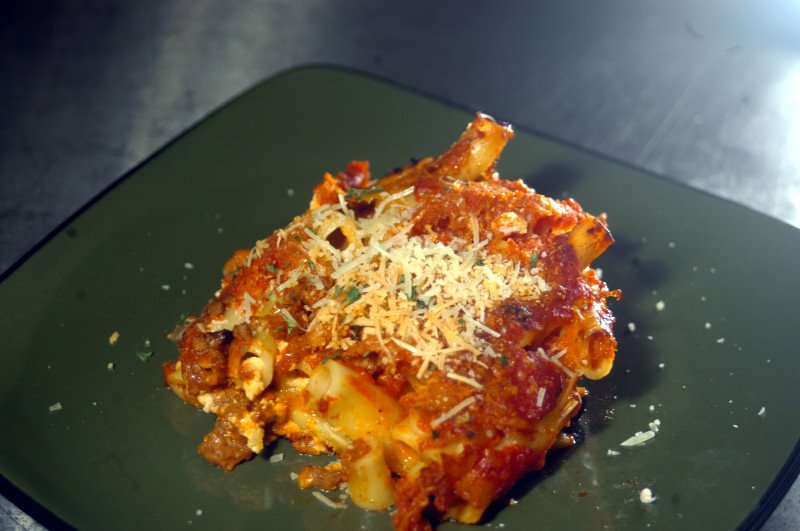
9. Classic Baked Ziti
Sausage, marinara, ricotta, and a blanket of mozzarella baked until bubbly — this is the dish that disappears first at every potluck I’ve ever brought it to.
Prep time: 15 minutes | Cook time: 35 minutes | Total time: 50 minutes Servings: 8 | Estimated calories: 640 per serving
Ingredients:
- 1 lb ziti or penne
- 1 lb Italian sausage, casings removed (sweet or hot)
- 1 small onion, diced
- 3 cloves garlic, minced
- 1 jar (24 oz) marinara sauce
- 1 can (14.5 oz) diced tomatoes, drained
- 1 tsp Italian seasoning
- 15 oz ricotta cheese
- 1 large egg
- 1/2 cup grated Parmesan, divided
- 3 cups shredded low-moisture mozzarella, divided
- 1/4 cup chopped fresh basil, plus more for serving
- Salt and black pepper to taste
Why these ingredients: The egg mixed into the ricotta keeps it creamy instead of grainy after baking. Low-moisture mozzarella melts smoothly; fresh mozzarella releases water and makes baked pasta soupy.
Instructions:
- Heat the oven to 375°F. Cook the ziti 2 minutes shy of al dente (it finishes in the oven). Drain.
- In a large oven-safe skillet or Dutch oven, brown the sausage over medium-high heat, breaking it up, 6-8 minutes. Add the onion and cook 4 minutes; add the garlic and cook 1 minute.
- Stir in the marinara, diced tomatoes, and Italian seasoning. Simmer 5 minutes. Season with salt and pepper.
- In a bowl, mix the ricotta, egg, half the Parmesan, 1 cup of the mozzarella, and the basil.
- Toss the pasta with the sauce. Spread half in a 9×13-inch baking dish, dollop with the ricotta mixture, then top with the remaining pasta.
- Sprinkle with the remaining mozzarella and Parmesan. Bake 25 minutes until bubbly and golden on top. Rest 10 minutes before serving (it sets up and serves cleanly).
Pro tips: Undercook the pasta — mushy baked ziti is the most common failure. Resting is not optional; cut too early and it collapses.
Variations: Go meatless with sautéed mushrooms and zucchini instead of sausage. Add a pinch of red pepper flakes for heat.
Storage & reheating: Refrigerate up to 4 days or freeze up to 3 months. Reheat covered at 350°F until hot, 20-25 minutes.
Try it: Assemble this in the morning and bake at dinner — the flavors meld beautifully.
10. Cheesy Stuffed Shells with Ricotta
Jumbo shells stuffed with herbed ricotta, arranged in marinara under melted mozzarella. A little more hands-on than baked ziti, and worth every minute.
Prep time: 20 minutes | Cook time: 30 minutes | Total time: 50 minutes Servings: 6 | Estimated calories: 580 per serving
Ingredients:
- 24 jumbo pasta shells
- 15 oz ricotta cheese
- 1 large egg
- 1 1/2 cups shredded mozzarella, divided
- 1/2 cup grated Parmesan
- 2 cups baby spinach, chopped (optional)
- 2 cloves garlic, minced
- 2 tbsp chopped fresh basil, plus more for serving
- 1 jar (24 oz) marinara sauce
- Salt and black pepper to taste
Why these ingredients: Jumbo shells are sturdy little cups that hold filling without tearing — if a few break, chop them and scatter over the top. The egg binds the filling so it stays put.
Instructions:
- Heat the oven to 375°F. Cook the shells 2 minutes shy of al dente; drain and rinse with cool water so you can handle them.
- Spread 1 cup of marinara in the bottom of a 9×13-inch baking dish.
- Mix the ricotta, egg, 1 cup mozzarella, Parmesan, spinach, garlic, basil, 1 tsp salt, and 1/2 tsp pepper.
- Fill each shell with about 2 tbsp of the mixture and arrange in the dish.
- Spoon the remaining marinara over the shells and sprinkle with the remaining 1/2 cup mozzarella.
- Cover with foil and bake 20 minutes; uncover and bake 10 more minutes until bubbly and lightly browned. Rest 5 minutes.
Pro tips: A zip-top bag with the corner snipped makes filling shells fast and clean. Don’t overfill — the filling expands slightly.
Variations: Add Italian sausage to the filling or swap spinach for chopped artichoke hearts.
Storage & reheating: 4 days refrigerated; freezes well for 3 months. Thaw overnight and bake at 350°F for 25 minutes.
Try it: Make a double batch and freeze one — it’s the kindest gift to your future busy self.
11. Skillet Lasagna (No Layering Required)
All the flavor of lasagna — savory meat sauce, creamy ricotta dollops, melted mozzarella — in one skillet and half the time. Weeknight lasagna is finally real.
Prep time: 10 minutes | Cook time: 25 minutes | Total time: 35 minutes Servings: 6 | Estimated calories: 620 per serving
Ingredients:
- 8 oz mafalda or broken lasagna noodles (about 8 noodles snapped into 2-inch pieces)
- 1 lb ground beef (80/20) or Italian sausage
- 1 small onion, diced
- 3 cloves garlic, minced
- 1 jar (24 oz) marinara sauce
- 1 cup water or beef broth
- 1 tsp Italian seasoning
- 1 cup ricotta cheese
- 1 1/2 cups shredded mozzarella
- 1/4 cup grated Parmesan
- Fresh basil, for serving
- Salt and black pepper to taste
Why these ingredients: Mafalda’s ruffled edges catch sauce like a dream, but broken lasagna noodles work just as well. The water/broth cooks the noodles directly in the sauce — one pan, no separate boiling.
Instructions:
- Brown the beef in a large deep oven-safe skillet over medium-high heat, 6-8 minutes, breaking it up. Add the onion and cook 4 minutes; stir in the garlic for 1 minute. Drain excess fat.
- Stir in the marinara, water, Italian seasoning, and the broken noodles. Bring to a boil, then reduce to a simmer.
- Cover and cook 12-14 minutes, stirring once halfway, until the noodles are tender.
- Dollop the ricotta over the top, sprinkle with mozzarella and Parmesan.
- Broil 2-3 minutes until the cheese is melted and spotty-brown. (Watch it like a hawk — broilers go from golden to burnt fast.)
- Rest 5 minutes, scatter with basil, and serve straight from the skillet.
Pro tips: If your skillet isn’t oven-safe, just cover the pan for 3 minutes after adding cheese — it melts fine without the broiler.
Variations: Use ground turkey and add a handful of spinach. Add red pepper flakes for a spicy kick.
Storage & reheating: 3-4 days in the fridge. Reheat in the skillet with a splash of water, covered, over medium-low heat.
Try it: This is my answer whenever someone says they “don’t have time” for lasagna.
Fresh, Bright & Lighter Picks
Not every pasta night needs a cream sauce. These three keep things light and vibrant — olive oil, lemon, fresh vegetables, and herbs doing the heavy lifting.

12. Pasta Primavera with Lemon Butter
“Primavera” means spring, and this is spring in a bowl — crisp-tender vegetables, a light lemon-butter sauce, and a snowfall of Parmesan.
Prep time: 15 minutes | Cook time: 15 minutes | Total time: 30 minutes Servings: 4 | Estimated calories: 480 per serving
Ingredients:
- 12 oz penne or farfalle
- 3 tbsp unsalted butter
- 2 tbsp olive oil
- 3 cloves garlic, minced
- 1 cup cherry tomatoes, halved
- 1 cup broccoli florets, cut small
- 1 zucchini, halved lengthwise and sliced
- 1 yellow bell pepper, sliced
- 1 cup snap peas
- Zest and juice of 1 lemon
- 1/2 cup grated Parmesan, plus more for serving
- 1/4 cup chopped fresh basil
- Salt and black pepper to taste
- Red pepper flakes (optional)
Why these ingredients: Cutting the vegetables small and uniform means everything finishes at the same time. Lemon zest (not just juice) gives bright citrus flavor without extra liquid thinning the sauce.
Instructions:
- Cook the pasta in salted boiling water until al dente. Reserve 1 cup of pasta water; drain.
- While the pasta cooks, heat the butter and olive oil in a large skillet over medium-high heat. Add the broccoli and bell pepper; cook 3 minutes.
- Add the zucchini, snap peas, and cherry tomatoes; cook 3-4 minutes until crisp-tender and the tomatoes start to slump.
- Stir in the garlic and cook 1 minute. Add the lemon zest and juice.
- Add the pasta and toss with pasta water until a light, glossy sauce forms. Stir in the Parmesan and basil.
- Season with salt, pepper, and red pepper flakes if you like heat.
Pro tips: Don’t overcook the vegetables — they should still have bite. This is a use-what-you-have dish; asparagus, green beans, and carrots all work.
Variations: Add grilled shrimp or chicken for protein. Swap the butter for all olive oil to keep it dairy-light (skip the Parmesan too, or use nutritional yeast).
Storage & reheating: Best fresh, but keeps 2-3 days. Reheat in a skillet with a splash of water; the vegetables soften on reheating but still taste great.
Try it: Make this at the first sign of spring produce — it’s a celebration bowl.
13. Spaghetti Aglio e Olio
Garlic, olive oil, red pepper flakes, parsley. Four humble ingredients that add up to one of Italy’s greatest pasta dishes — ready in the time it takes to boil spaghetti.
Prep time: 5 minutes | Cook time: 15 minutes | Total time: 20 minutes Servings: 4 | Estimated calories: 450 per serving
Ingredients:
- 12 oz spaghetti
- 1/2 cup extra-virgin olive oil
- 6 cloves garlic, thinly sliced
- 1/2 tsp red pepper flakes (more if you like heat)
- 1/2 cup chopped fresh flat-leaf parsley
- 1/2 cup grated Parmesan (optional but recommended)
- Salt to taste
Why these ingredients: Good olive oil is the sauce here, so use one you’d happily dip bread in. Sliced garlic turns sweet and golden; minced garlic burns in seconds at this heat.
Instructions:
- Cook the spaghetti in well-salted boiling water until just shy of al dente. Reserve 1 1/2 cups of pasta water; drain.
- While the pasta cooks, warm the olive oil in a large skillet over medium-low heat. Add the garlic and red pepper flakes. Cook slowly 4-5 minutes, stirring, until the garlic is pale gold — not brown. (Brown garlic tastes bitter and there’s no hiding it.)
- Add 1 cup of the hot pasta water to the skillet — it will sizzle and steam. Swirl to create a lightly emulsified sauce.
- Add the pasta and toss vigorously for 2 minutes, adding more pasta water until the oil clings to the spaghetti instead of pooling.
- Toss with the parsley and Parmesan if using. Serve immediately.
Pro tips: Low and slow on the garlic is everything. The pasta water is what turns “oily noodles” into an actual sauce — don’t be shy with it.
Variations: Add a handful of breadcrumbs toasted in olive oil for crunch, or a squeeze of lemon. Anchovy fillets melted into the oil add deep savory flavor (you won’t taste fish).
Storage & reheating: Best fresh. Leftovers keep 2 days; reheat in a skillet with a splash of water and fresh parsley.
Try it: Keep these ingredients on hand always — this is your emergency “there’s nothing to eat” dinner.
14. Burst Cherry Tomato Pasta with Basil
Peak-summer tomatoes blistered in olive oil until they burst into their own sauce, tossed with pasta and torn basil. Simple doesn’t get better than this.
Prep time: 5 minutes | Cook time: 20 minutes | Total time: 25 minutes Servings: 4 | Estimated calories: 470 per serving
Ingredients:
- 12 oz spaghetti or bucatini
- 3 pints cherry tomatoes
- 1/3 cup extra-virgin olive oil
- 5 cloves garlic, thinly sliced
- 1/2 tsp red pepper flakes
- 1 cup torn fresh basil leaves, plus more for serving
- 3/4 cup grated Parmesan
- Salt and black pepper to taste
Why these ingredients: Cherry tomatoes have the best flavor-to-effort ratio of any tomato — they burst into sauce with zero chopping. Bucatini’s hollow center traps the juicy sauce.
Instructions:
- Cook the pasta in salted boiling water until al dente. Reserve 1 cup of pasta water; drain.
- Heat the olive oil in a large skillet over medium-high heat. Add the tomatoes and a big pinch of salt. Cook undisturbed 3-4 minutes until the bottoms char slightly.
- Stir and continue cooking 5-6 minutes, pressing some tomatoes with a spoon, until most have burst and released their juices.
- Stir in the garlic and red pepper flakes; cook 2 minutes until fragrant.
- Add the pasta and toss with pasta water until the tomatoes coat everything in a rosy sauce.
- Off the heat, toss with the basil and Parmesan. Serve with more basil on top.
Pro tips: A mix of red and yellow cherry tomatoes makes this stunning. Don’t rush the blistering — the charred bits are pure flavor.
Variations: Add a ball of torn burrata on top for luxury, or white beans for protein. A splash of balsamic vinegar deepens the tomato flavor.
Storage & reheating: 3 days refrigerated. Reheat gently in a skillet; add fresh basil after reheating.
Try it: Make this in August when tomatoes are at their peak — you’ll think about it all winter.
Match Your Pasta Shape to the Sauce
Here’s something most “best pasta recipes” roundups never tell you: the shape matters as much as the sauce. Italians pair them deliberately, and once you know the logic, every pasta dinner gets better.
Long, thin strands (spaghetti, linguine, bucatini): Made for smooth, clingy sauces — carbonara, cacio e pepe, aglio e olio, light tomato sauces. The sauce coats each strand. Avoid chunky sauces; the pieces slide right off.
Wide ribbons (fettuccine, pappardelle, tagliatelle): Built for rich, heavy sauces — Alfredo, mushroom cream sauces, meaty ragùs. The broad surface stands up to weight without drowning.
Short tubes (penne, rigatoni, ziti): The all-rounders. Ridges and hollows trap chunky and creamy sauces alike — perfect for baked pasta dishes, Tuscan-style sauces, and garlic parmesan.
Twists and curls (fusilli, rotini, cavatappi): Sauce magnets. Every groove grabs pesto, primavera-style vegetable sauces, and chunky tomato sauces.
Shells (conchiglie, jumbo shells): Little cups made for holding things — ricotta filling, peas, small bits of sausage. Also great in baked dishes.
The starchy pasta water trick: That cloudy water is liquid gold. The starches released by the pasta act as an emulsifier, binding oil- or butter-based sauces to the noodles so they cling instead of pooling at the bottom of the bowl. Always scoop out a cup or two before draining — you can freeze extra in ice cube trays for soups and pan sauces later.
Common Mistakes to Avoid
- Not salting the pasta water enough. The water should taste like the sea. This is your only chance to season the pasta itself — unsalted pasta makes a bland dish no sauce can fully fix. Use about 1 tablespoon of kosher salt per 4 quarts of water.
- Rinsing the pasta after draining. Rinsing washes away the surface starch that helps sauce cling. The only exception: cold pasta salad, where you want to stop the cooking and keep grains separate.
- Dumping all the cheese in at once over high heat. Cheese added to a ripping-hot pan seizes into clumps. Take the pan off the heat, add cheese gradually, and toss — residual heat melts it into silk.
- Overcooking the pasta before baking. Baked pasta dishes keep cooking in the oven. Pull the pasta 2 minutes shy of al dente or you’ll serve mush. This ruins more baked ziti than any other mistake.
- Skipping the pasta water. If your sauce looks greasy, broken, or won’t stick to the noodles, the fix is almost always a splash of hot starchy pasta water and vigorous tossing.
- Crowding mushrooms (or any vegetable) in the pan. Too much in the skillet at once steams instead of sears. Brown in batches for caramelized flavor — it’s the difference between gray and golden.
- Serving on cold plates. Pasta cools fast and sauces tighten as they sit. Warm your serving bowls with hot water while the pasta cooks, then dry them. Small step, big difference.
Best Pasta Recipes at a Glance
| # | Recipe | Time | Style | Calories (est.) |
|---|---|---|---|---|
| 1 | Spaghetti Carbonara | 25 min | Classic Italian | 620 |
| 2 | Cacio e Pepe | 20 min | Classic Italian | 540 |
| 3 | Fettuccine Alfredo | 25 min | Classic Italian | 680 |
| 4 | Basil Pesto Pasta | 20 min | Classic Italian | 520 |
| 5 | Creamy Garlic Parmesan Penne | 25 min | Creamy weeknight | 590 |
| 6 | One-Pot Creamy Tuscan Pasta | 30 min | Creamy weeknight | 610 |
| 7 | Sun-Dried Tomato Cream Pasta | 30 min | Creamy weeknight | 640 |
| 8 | Creamy Mushroom Pasta | 30 min | Creamy weeknight | 560 |
| 9 | Classic Baked Ziti | 50 min | Baked | 640 |
| 10 | Cheesy Stuffed Shells | 50 min | Baked | 580 |
| 11 | Skillet Lasagna | 35 min | Baked | 620 |
| 12 | Pasta Primavera | 30 min | Fresh & light | 480 |
| 13 | Spaghetti Aglio e Olio | 20 min | Fresh & light | 450 |
| 14 | Burst Cherry Tomato Pasta | 25 min | Fresh & light | 470 |
Frequently Asked Questions
What is the most popular pasta recipe in the US?
Mac and cheese, spaghetti with marinara, and fettuccine Alfredo consistently top American pasta polls. That said, carbonara and baked ziti have surged in popularity thanks to social media — the cheese pull is irresistible on camera.
How much pasta should I cook per person?
Plan on 2 ounces of dried pasta per person for a side dish and 4 ounces per person for a main course. A pound (16 oz) box comfortably serves 4 as a main. When in doubt, cook a little extra — leftover pasta is never a problem.
Why do Italians say to save the pasta water?
The water contains starch released by the cooking pasta, which helps sauces emulsify and cling to the noodles. It’s the difference between a glossy, cohesive sauce and an oily puddle. Professional kitchens treat it as an ingredient, not waste.
Can I make these pasta recipes ahead of time?
Baked dishes (ziti, stuffed shells, skillet lasagna) are excellent made ahead — assemble, refrigerate up to 24 hours, then bake. Cream and oil-based sauces are best fresh, but leftovers reheat well for 3 days with a splash of liquid.
What’s the best cheese for pasta?
Parmigiano-Reggiano is the gold standard for grating over finished pasta — nutty, salty, and complex. Pecorino Romano is sharper and saltier (essential for carbonara and cacio e pepe). For melting, low-moisture mozzarella wins. Grate your own; pre-grated cheese contains anti-caking agents that hinder melting.
How do I keep creamy pasta sauces from breaking?
Three rules: don’t boil the cream hard (gentle simmer only), add cheese off the heat gradually, and keep starchy pasta water handy to whisk the sauce back together. If it separates, remove from heat and whisk in hot pasta water a spoonful at a time.
What pasta shape is best for baked dishes?
Short, sturdy shapes: ziti, penne, rigatoni, and jumbo shells. They hold up to oven time without turning mushy and their hollows trap sauce and cheese. Cook them 2 minutes shy of al dente since they finish cooking in the oven.
Is fresh pasta better than dried?
Different, not better. Fresh pasta is tender and delicate — wonderful with light butter or cream sauces. Dried pasta (especially bronze-die) has a firmer bite and rougher surface that grabs hearty sauces. For most of the recipes here, good dried pasta is actually the better choice.
Final Thoughts
Fourteen recipes, four moods, one very happy dinner table. Start with whichever one made your stomach growl — my money’s on the carbonara or the baked ziti — and work your way through the list. Pasta rewards repetition: the third time you make cacio e pepe, your hands will just know the toss.
Which one are you cooking first? I’d love to hear how it turns out — and if you put your own spin on any of these, tell me about it. The best pasta recipes are the ones that become your recipes.

Founder of NestFlavors — sharing tested recipes and honest home ideas, made for real life.