
A black coffee table is the fastest way to make a living room look like someone with strong opinions lives there.
I used to think black furniture was risky. Then I swapped my honey-oak coffee table for a matte black one, changed nothing else in the room, and three different friends asked if I’d redecorated. That’s the power of a black coffee table — it anchors everything around it.
But black can go wrong fast. The wrong finish, the wrong size, or black with nothing to balance it, and your living room feels like a cave instead of a statement. In this guide I’m sharing 15 black coffee table ideas organized by style — modern, classic, and small-space — plus the exact styling formulas, color pairings, and sizing rules I use so your black coffee table looks intentional instead of heavy.
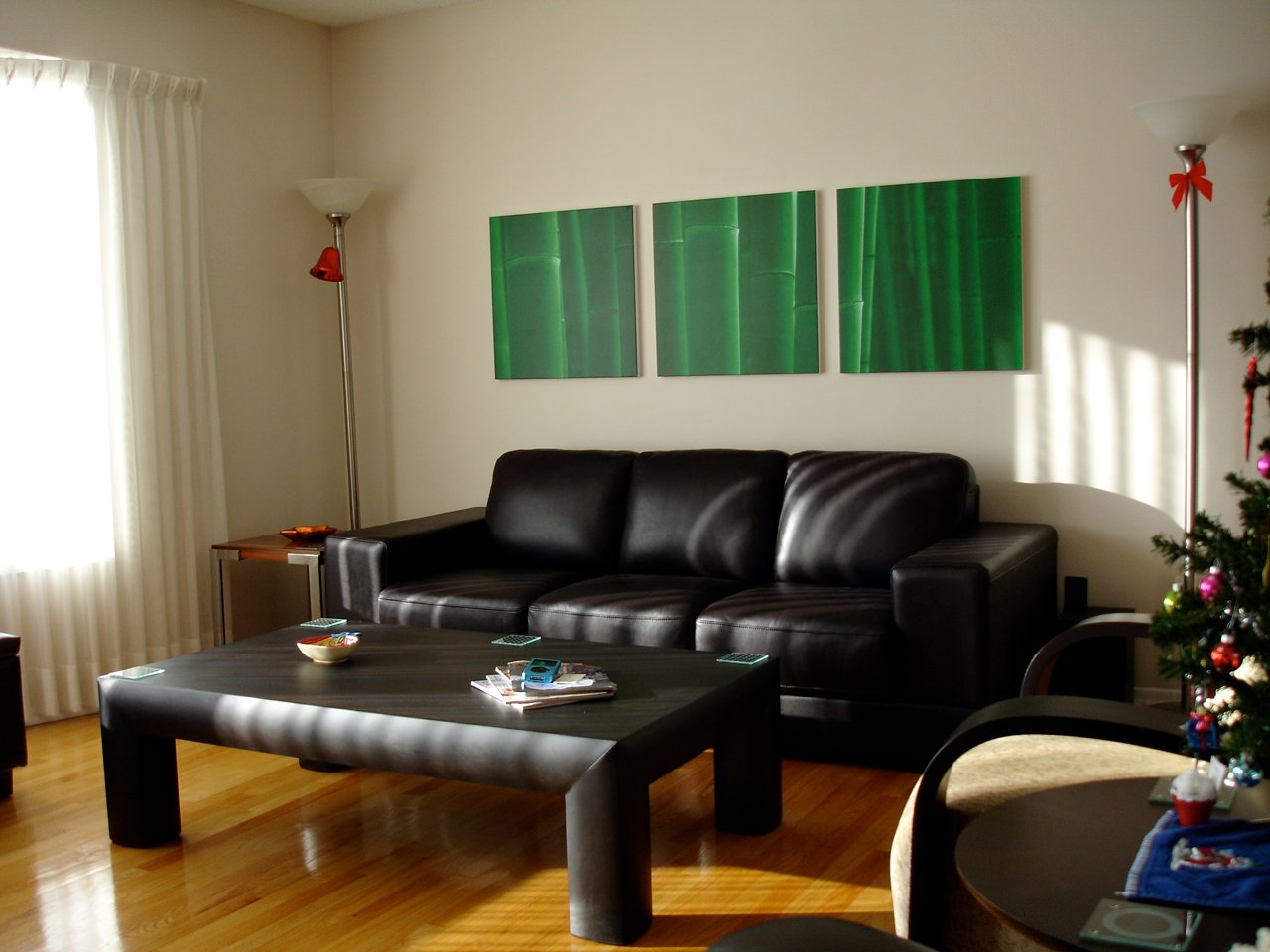
Mindmatrix, CC BY-SA 2.0 via Wikimedia Commons
What Is a Black Coffee Table?
A the table is a low living room table — typically 16 to 18 inches tall — finished in black, from matte black paint and powder-coated metal to high-gloss lacquer, black marble, and ebonized wood. It does the same job as any coffee table (holding drinks, books, and feet), but visually it works as an anchor: the dark mass that grounds light sofas, pale rugs, and bright walls.
Black is a neutral, so it technically goes with everything — but the finish and shape decide whether it reads modern, glam, rustic, or traditional. That’s what the 15 ideas below are really about: picking the right black for the room you already have.
Why You’ll Love a Black Coffee Table
- It grounds a light room instantly. A pale sofa, cream rug, and white walls can float away visually; one black coffee table gives the eye a place to land.
- It hides real life. Dust, fingerprints, and the odd scuff show far less on black than on white or light wood — especially in matte and textured finishes.
- It makes everything around it look more expensive. Designers call this contrast: dark next to light reads as deliberate, and deliberate reads as high-end.
- It never goes out of style. Black has been in every design era for a century. You won’t be replacing this table because it looks dated.
- It works with every color scheme. Warm woods, cool grays, jewel tones, all-white rooms — black plays well with all of them as long as you repeat it once or twice elsewhere.
Modern & Minimalist Black Coffee Table Ideas
Modern rooms want a black table that looks engineered, not decorated. Clean lines, honest materials, and a finish that stays quiet while the shape does the talking.
1. The Matte Black Slab
A thick rectangular slab in matte black is the purest version of this idea — no ornament, just mass and proportion. The matte finish is the key: it absorbs light instead of reflecting it, so the table reads as sculpture rather than furniture. This is the one I recommend most for Scandinavian and Japandi rooms where everything else is pale wood and white.
Matte black shows fewer fingerprints than gloss, but it does show dust — a weekly wipe with a dry microfiber cloth keeps it looking sharp. Try it: pair the slab with a light jute rug so the dark mass floats instead of sinking into a dark floor.
2. The Black Glass-Top Coffee Table
Black glass gives you the drama of black with half the visual weight. The reflective top bounces light around the room, which makes this the smartest black coffee table for small or dark living rooms. From across the room it reads almost like a shadow — present, but not heavy.
Tempered glass is non-negotiable for safety, and a black-tinted top hides smudges far better than clear glass. Budget-wise these sit in the middle, usually $150 to $400. Try it: style the glass top minimally — one low bowl, one book — because reflections plus clutter equals visual noise.
3. The Black Metal Frame with a Wood Top
Powder-coated black steel legs with a wood top is the industrial-modern workhorse, and honestly one of the toughest black tables you can buy. The metal resists scratches and dents that would scar painted wood, and the two-material mix keeps black from feeling flat or severe.
This combo suits rooms that already have black metal somewhere — a floor lamp, curtain rods, shelf brackets. Repetition is what makes it look designed. Try it: match the frame’s black to your lamp base or curtain rod so the metal feels repeated, not random.
4. The Low Black Platform Table
A low platform — think 12 to 14 inches tall, wide and minimal — is the Japanese-influenced take on the the table. It changes the whole posture of the room: seating feels lower, calmer, more lounge-like. I love this in rooms with low-profile sofas or floor cushions, where a standard-height table would tower awkwardly.
The trade-off is reach: it’s a stretch from a tall sofa, so this pairs best with seating under 17 inches high. Try it: use a low black platform with a shaggy light rug — the texture contrast does all the decorating.
5. The Black Nesting Coffee Table Pair
Two black tables that tuck under each other give you a coffee table that shape-shifts. Nested, they read as one sculptural piece; pulled apart, they’re a coffee table plus a side table for guests. For small living rooms, this is the most practical black coffee table on the list.
Buy a set where the smaller table is genuinely usable on its own — some sets include a tiny third piece that’s basically decorative. Mixed materials (black metal + black wood) keep the pair interesting. Try it: separate the set for movie night — one in front of the sofa, one beside the armchair — then nest them back when you need floor space.
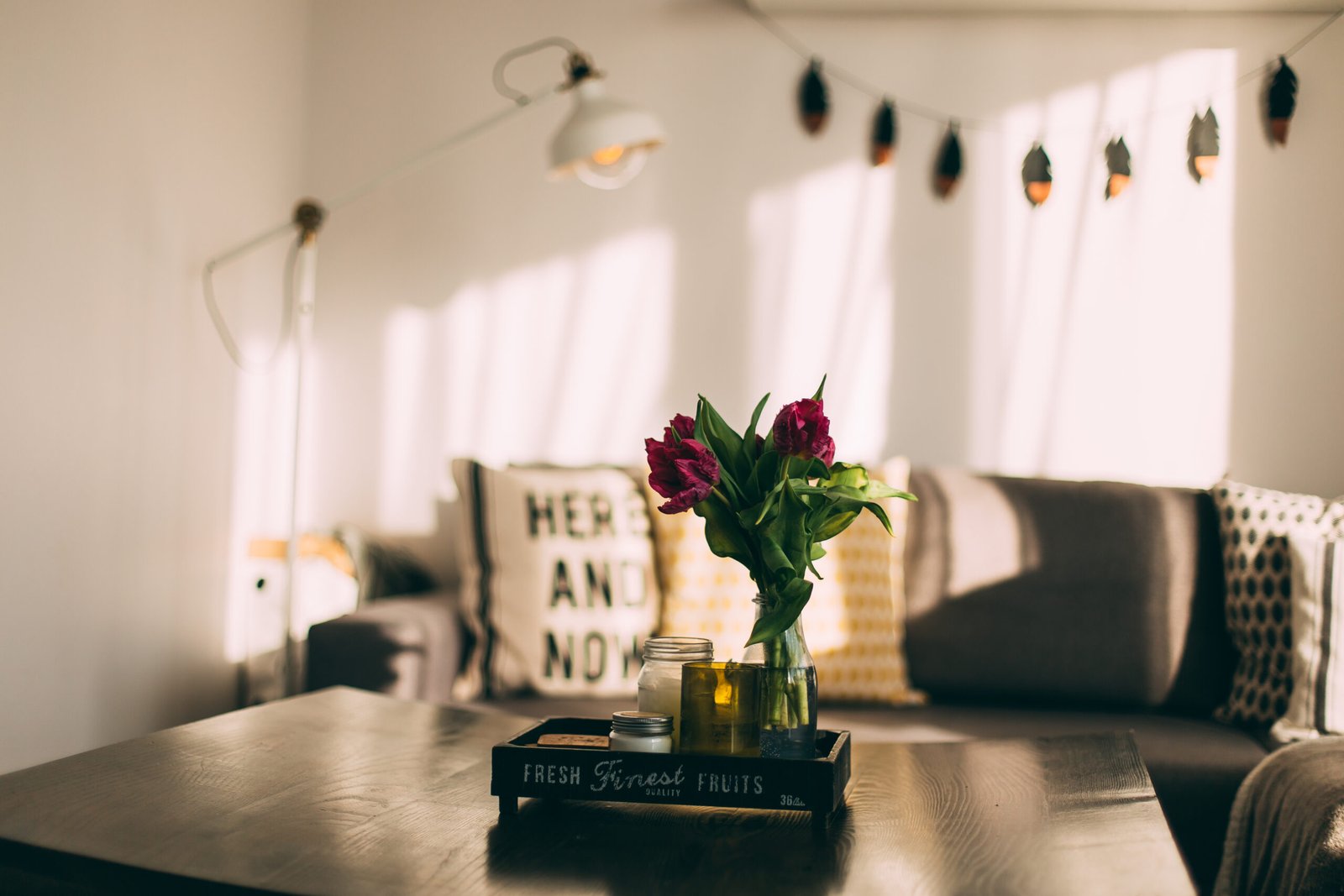
Fæ, CC0 via Wikimedia Commons
Classic & Glam Black Coffee Table Ideas
Black has a formal side too. These five this piece ideas lean into shine, stone, and old-world craft — for rooms that want drama with polish.
6. The High-Gloss Black Lacquer Statement
High-gloss black lacquer is the tuxedo of coffee tables: unapologetically formal, mirror-shiny, and impossible to ignore. The gloss reflects the room, which paradoxically makes a black table feel lighter — it throws light back instead of absorbing it. This is the black table for dining-room-adjacent living rooms and anyone who loves a little glamour.
Lacquer chips rather than dents, so this isn’t the pick for homes with toddlers who throw wooden blocks. Wipe with a soft damp cloth; never use abrasive cleaners on the shine. Try it: place one brass or gold object on a lacquered black coffee table — the metal against the mirror-black is the whole look.
7. The Black Marble-Top Coffee Table
Black marble — or marble-look porcelain if your budget or your kids say no to the real thing — brings veining that does the decorating for you. Every slab is one of a kind, and the cool stone surface feels luxurious in a way no painted finish can fake. I reach for this when a room needs one genuinely expensive-looking moment.
Real black marble needs sealing and coasters (it’s softer than you’d think). Marble-look porcelain shrugs off red wine and costs a third of the price. Try it: keep styling minimal on marble — two objects max — because the stone is the decor.
8. The Black and Brass Combination
Black plus brass is the pairing that never misses: the brass warms up the black, the black makes the brass look richer. Whether it’s a black top on a brass base or black legs with brass ferrules, this combination suits traditional, transitional, and Hollywood-regency rooms alike.
Here’s the rule most people get wrong: your metals don’t have to match. A brass-base black table with a black lamp and a ceramic vase looks collected and confident. Try it: if your room feels flat, one black-and-brass piece is the fastest fix — shine adds dimension that color alone can’t.
9. The Ebonized Wood Vintage Find
Ebonized wood — wood stained nearly black to mimic ebony — is the thrift-store sleeper of the the table world. Vintage ebonized pieces have a depth and grain you can’t get from paint, and they cost a fraction of new. I’ve flipped several; the bones on old pieces are usually excellent.
Shop with a checklist: solid joinery, no wobble, and a finish that’s worn but not gouged. A fresh coat of black furniture wax revives most ebonized tops in an afternoon. Try it: pair an ebonized vintage table with modern art — the old/new tension is what makes it look curated.
10. The Black Trunk-Style Coffee Table with Storage
A trunk-style black coffee table — hinged lid, sometimes with metal banding — hides blankets, board games, and the remote graveyard inside. From the outside it reads as one clean dark shape; inside it’s doing real organizational work. This is the the table for living rooms that need to look tidy without trying.
Check the hinge quality before you buy — a lid that doesn’t sit flush or slams shut will drive you mad within a week. Try it: put a tray on top so you still have a stable surface for drinks while the trunk handles the clutter.
Small-Space & Budget Black Coffee Table Ideas
Small rooms and tight budgets don’t mean settling. These five this piece ideas are scaled, priced, or hacked for real apartments.
11. The Round Black Coffee Table for Tight Rooms
In a small living room, a round a black table beats a rectangular one every time. No corners means better traffic flow, and the circle softens a room full of rectangles. Black keeps it from looking dainty — a small round table in black still has presence.
Size it at about two-thirds your sofa’s length, and leave 14 to 18 inches between the table and the sofa. Try it: pair a round black coffee table with a round rug just 12 inches wider — small table, small rug, perfectly scaled.
12. The Black C-Table That Slides Under the Sofa
A C-shaped side table in black does coffee-table duty in truly tiny spaces: it slides over the sofa seat or under the arm, putting your drink and laptop exactly where you need them with almost zero footprint. It’s not a traditional black table, but for studios and reading corners it replaces one completely.
Look for a weighted base so it doesn’t tip when you lean on it, and a top big enough for a laptop — about 18 inches deep minimum. Try it: use two C-tables instead of one coffee table in a narrow room; they tuck away when guests need floor space.
13. The DIY Black Paint Flip
The cheapest the table is the one you already own. A solid-wood table with good bones plus a quart of black furniture paint (or black stain for a wood-grain look) gives you a custom piece for under $40. I’ve done this flip more times than I can count, and black is the most forgiving color to paint — brush marks hide in the darkness.
Prep is everything: clean with degreaser, scuff-sand, prime, then two thin coats. Skip the primer and the paint chips within months — ask me how I know. Try it: paint the base black and leave the top natural wood for a two-tone look that reads custom, not crafty.
14. The Black Ottoman as a Coffee Table
A black ottoman — especially a storage ottoman — works as a coffee table with a softer, more relaxed feel. Add a rigid tray and you have a stable surface for drinks; remove the tray and it’s a footrest or extra seat. For family rooms, this is the most forgiving black coffee table option: no sharp corners, no hard edges.
Choose a firm-topped ottoman so the tray sits level, and size it like a coffee table — roughly two-thirds the sofa length. Try it: use a deep-rimmed tray on the ottoman so drinks can’t slide off the upholstered edge.
15. The Thrifted Black Coffee Table
Thrift stores are full of this pieces with better bones than anything new at three times the price — solid wood, interesting legs, honest joinery. Black finishes are the easiest to refresh: a light sand and a fresh coat of satin black paint, and nobody will know it cost $25.
Knock on it (dense, not hollow), check for wobble, and skip anything with swollen veneer — that’s not worth saving. Measure your space before you go; “it was only $12” is how wrong-size tables happen. Try it: look for mid-century black tables specifically — the tapered legs keep even a dark piece feeling light.
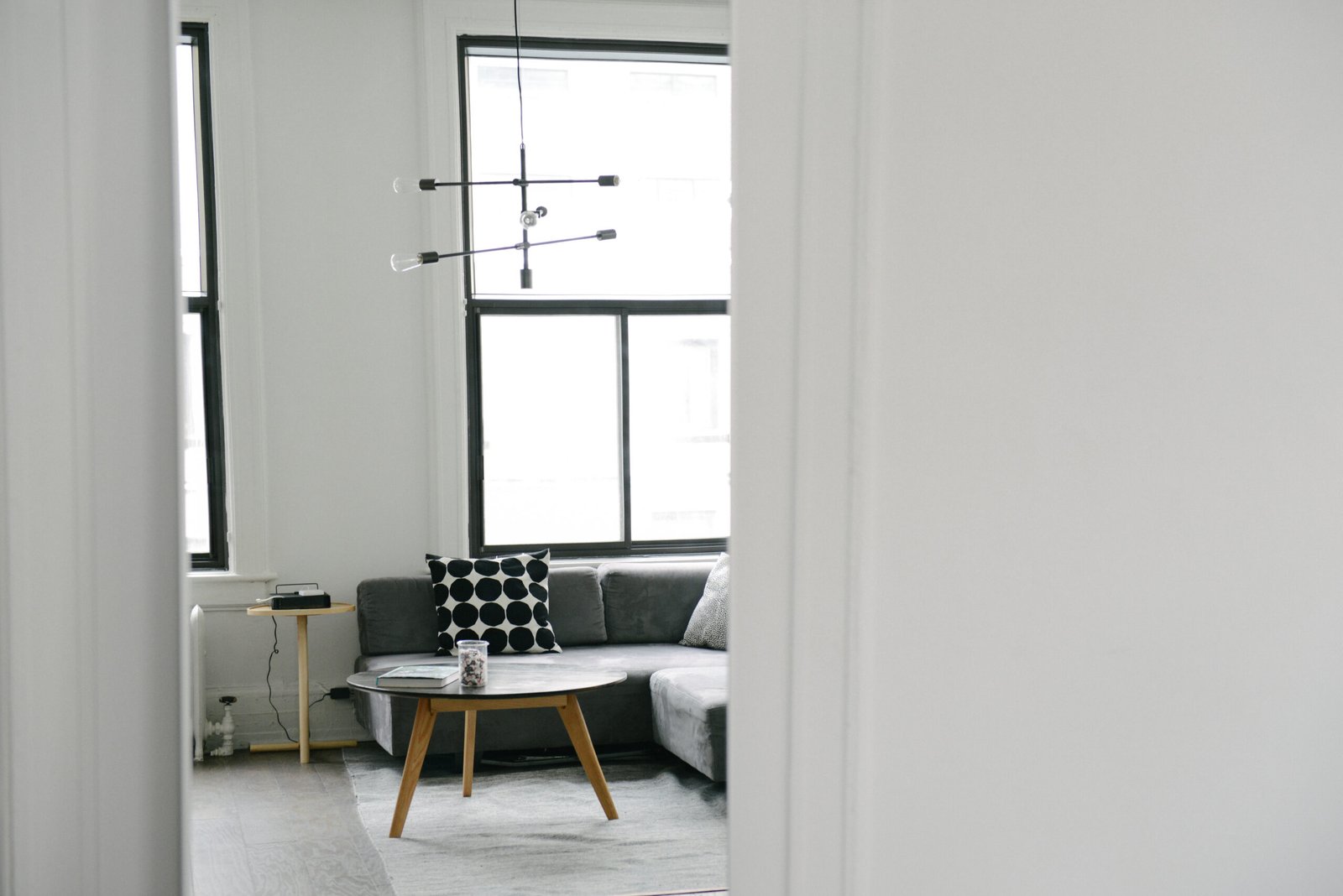
Fæ, CC0 via Wikimedia Commons
How to Style a Black Coffee Table Like a Designer
Black is a strong base, which means styling rules matter more, not less. Here’s the formula I use every time:
- Repeat the black once or twice. A a black table with zero other black in the room looks like a mistake. Echo it in a lamp base, picture frames, or curtain rods and the table suddenly looks planned.
- Go light on top. Style a black coffee table with lighter objects — cream books, a white vase, light wood tray — so the vignette doesn’t disappear into the dark surface.
- Add one metallic. Brass, gold, or even chrome against black is the contrast move that makes the whole arrangement look expensive.
- Leave breathing room. Black shows clutter more than light surfaces do. Keep the tabletop about one-third clear — the dark surface is part of the look.
- Bring in something living. A green plant or fresh stems against black is the color contrast that keeps the table from feeling severe.
- Check your undertones. Some blacks read warm, some read cool. Hold your table’s finish next to your sofa fabric in daylight — warm black with warm woods, cool black with grays.
Common Mistakes to Avoid
- Letting black float alone in the room. A black table with no other black accents looks accidental. The fix: repeat black in at least one or two smaller details — frames, lamp, hardware.
- Pairing black with a dark floor and dark sofa. Black on black on black absorbs all the light and the room caves in. The fix: keep at least two of the three big surfaces (floor, sofa, table) light.
- Buying gloss for a high-traffic family room. Glossy black shows every fingerprint, dust mote, and toy scratch. The fix: choose matte, textured, or stone finishes when kids and pets are in the picture.
- Ignoring the undertone clash. A cool blue-black table next to warm brown leather can look muddy. The fix: compare finishes in natural daylight before committing, and keep undertones in the same family.
- Overcrowding the dark surface. Clutter reads louder on black than on light wood. The fix: use the tray rule — one tray corrals the small stuff, and everything else earns its spot.
- Choosing the wrong size. A massive black table in a small room feels like a hole in the floor. The fix: two-thirds the sofa length, 14 to 18 inches of clearance, and go round if the room is tight.
Black Coffee Table at a Glance
| Style | Best Pick | When to Use It |
|---|---|---|
| Modern minimalist | Matte black slab or metal-frame | Scandi, Japandi, and industrial rooms that want quiet structure |
| Small or dark rooms | Black glass-top | When you want the anchor without the visual weight |
| Glam and formal | High-gloss lacquer or black marble | Dining-adjacent living rooms; rooms that want one luxe moment |
| Warm traditional | Black and brass combo, ebonized vintage | Rooms with wood tones that need contrast without coldness |
| Hidden storage | Trunk-style or storage ottoman | Family rooms and apartments where clutter needs a home |
| Tight budgets | DIY paint flip or thrifted find | When the bones are good and only the finish needs work |
Black Coffee Table FAQ
Does a black coffee table make a room look smaller?
It can, if everything else is dark too. Paired with light walls, a light rug, and a pale sofa, a the table actually adds depth and definition — the contrast makes the room feel more designed, not smaller. The risk is black-on-black-on-black, so keep surrounding surfaces light.
What color sofa goes best with a black table?
Almost any, but the classics are cream, beige, light gray, and cognac leather — all give you the light-dark contrast that makes black sing. Jewel tones like emerald and navy work beautifully too. I’d avoid a very dark charcoal sofa unless the rug and walls are light.
How do you keep a black coffee table from looking dusty?
Matte and textured finishes hide dust better than gloss. A weekly wipe with a dry microfiber cloth handles most of it — skip feather dusters, which just move dust around. In sunny rooms, position the table out of direct harsh light, which makes every speck visible.
Is a black table a good choice for small living rooms?
Yes, with the right shape. A round black coffee table or a black nesting pair works well in small rooms because the dark color recedes visually while still anchoring the seating. Avoid massive rectangular slabs in tight spaces — they dominate.
What finish is best for a black coffee table with kids?
Matte black, powder-coated metal, or textured finishes — they hide fingerprints and minor scuffs far better than high-gloss lacquer. Black glass is a middle ground: it hides smudges better than clear glass but still needs wiping. Skip lacquer until the wooden-block-throwing phase passes.
Should a black table match your other black furniture?
It doesn’t need to match exactly, but black should appear at least twice more in the room — a lamp base, frames, hardware, or a side table. Exact matching can look flat; the goal is repetition with variation, so the table feels like part of a plan.
Can you mix a black coffee table with wood furniture?
Absolutely — black and wood is one of the most reliable pairings in design. Warm woods (walnut, oak) soften black’s severity, and the contrast makes both materials look better. Just watch undertones: pair warm blacks with warm woods and cool blacks with gray-washed woods.
How do you style a black table without it looking cluttered?
Use lighter objects on top so they stand out against the dark surface, group items on a tray, and leave about a third of the table clear. One metallic accent and one living thing (plant or flowers) complete the formula — contrast and life keep black from feeling heavy.
Final Thoughts
A black coffee table is one of those rare purchases that changes the room more than its price suggests. Pick the finish for your real life — matte for busy households, gloss or marble for the wow factor — repeat the black once or twice around the room, and style the top light. Do that, and the darkest piece in your living room becomes the reason the whole space finally looks finished.
For a full breakdown of which colors and finishes pair best with black furniture, see Furniture in Fashion’s guide to the colours that go with black coffee tables.

Founder of NestFlavors — sharing tested recipes and honest home ideas, made for real life.