
Pasta night doesn’t have to wreck your macros — these 12 protein pasta recipes each deliver 30 grams of protein or more per serving, and every single one tastes like comfort food, not diet food.
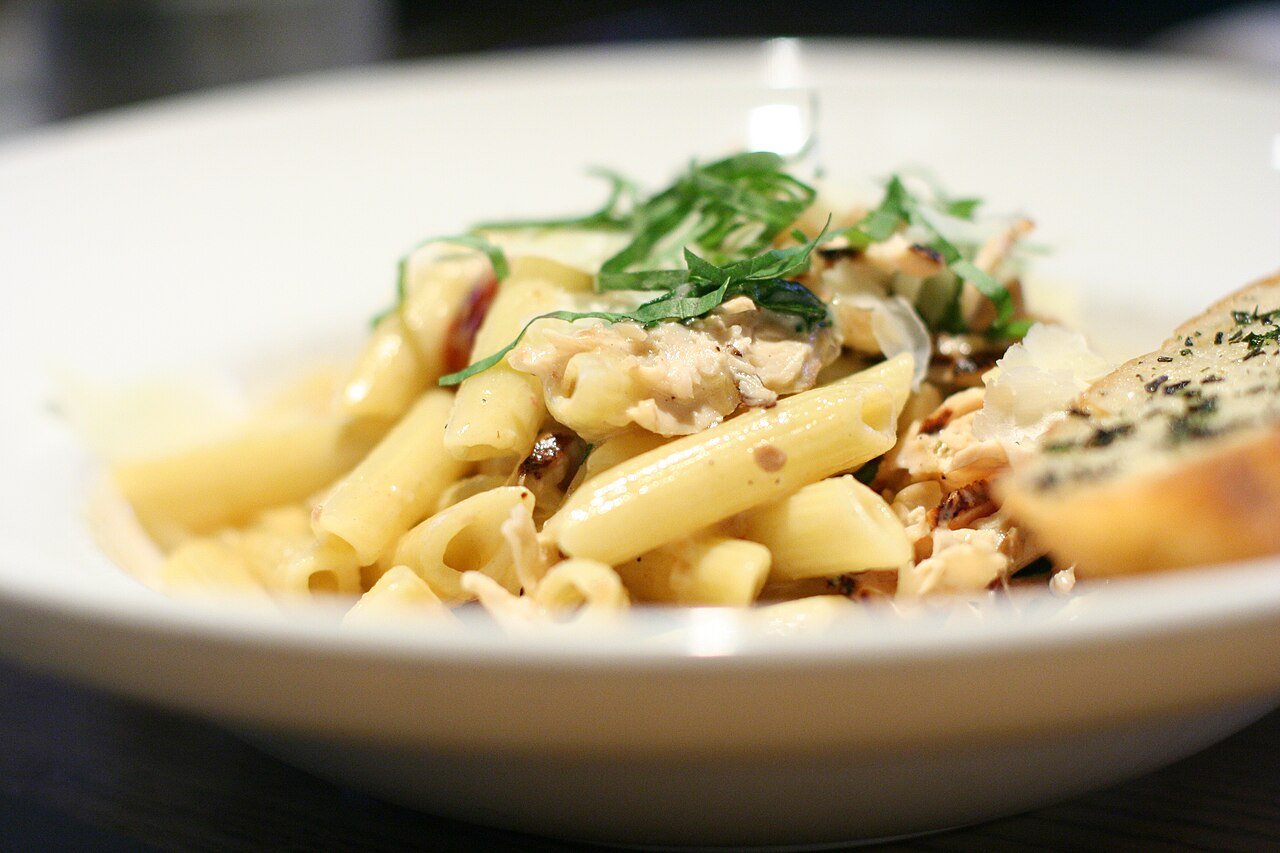
I’ve spent the last two years in my own kitchen chasing the same goal you probably have: dinners that hit real protein numbers without tasting like punishment. Regular pasta gives you maybe 7 grams of protein per serving — barely a dent if you’re aiming for 100+ grams a day. But swap in the right pasta, add the right protein, and finish with a protein-boosted sauce, and suddenly a bowl of pasta carries 30 to 45 grams. That’s a genuine post-workout meal.
These 12 protein pasta recipes are the ones that survived my testing. Each one lists estimated protein per serving (labeled as estimates — your exact numbers depend on brands and portions), uses honest US measurements, and tells you the why behind the protein math. Let’s build some muscle-friendly dinners.
Table of Contents
- What Is Protein Pasta, Exactly?
- Why You’ll Love These Protein Pasta Recipes
- Chicken-Powered Protein Pastas
- 1. Creamy Garlic Parmesan Chicken Pasta (42g protein)
- 2. One-Pan Chicken Alfredo, Lightened Up (38g protein)
- 3. Chicken Pesto Pasta with Greek Yogurt (36g protein)
- Creamy Sauces Without the Heavy Cream
- 4. Blended Cottage Cheese Alfredo (31g protein)
- 5. Greek Yogurt Mac and Cheese (30g protein)
- 6. Cottage Cheese “Vodka-Style” Tomato Sauce (30g protein)
- Beef, Turkey & Seafood Protein Pastas
- 7. Lean Beef Marinara with Chickpea Pasta (35g protein)
- 8. Turkey Taco Pasta Skillet (33g protein)
- 9. Garlic Butter Shrimp Pasta (34g protein)
- Plant-Based & Meal-Prep Protein Pastas
- 10. White Bean, Kale & Sausage-Style Pasta (32g protein)
- 11. Tuna & White Bean Pasta Salad (33g protein)
- 12. Edamame Spaghetti Primavera (30g protein)
- The Protein Math: How to Build 30-50g Protein Per Serving
- Which Protein Pasta Should You Buy? (Honest Taste Test)
- Common Mistakes to Avoid
- Protein Pasta Recipes at a Glance
- FAQ
- Final Thoughts
What Is Protein Pasta, Exactly?
Protein pasta recipes are pasta dishes engineered to deliver high protein — typically 30+ grams per serving — by combining protein-fortified pasta (chickpea, lentil, or wheat-blend) with protein-rich add-ins like chicken, shrimp, or beans, and protein-boosted sauces made from cottage cheese or Greek yogurt. Regular pasta averages about 7 grams of protein per serving; these recipes triple or quadruple that without giving up the comfort-food experience.
Why You’ll Love These Protein Pasta Recipes
- Real protein numbers. Every recipe targets 30g+ protein per serving, with estimates printed right on the card — no guessing, no “high protein” label on a 12-gram dinner.
- They taste like actual pasta night. Creamy alfredo, garlicky parmesan, hearty marinara — nothing here eats like diet food.
- Meal-prep friendly. Most of these hold up 3-4 days in the fridge, so Sunday cooking covers your whole week of lunches.
- No weird ingredients. Cottage cheese, Greek yogurt, chicken, beans — everything comes from a normal grocery store.
- Fast enough for weeknights. The longest recipe here takes 40 minutes; most are 30 or under.
- The protein math is taught, not just listed. You’ll learn the framework, so you can freestyle your own high-protein pastas after this.
Chicken-Powered Protein Pasta Recipes
Chicken breast is the undisputed king of protein pasta recipes — 1 pound delivers roughly 120 grams of protein, it takes on any flavor, and it cooks in the time the pasta boils. These three are my most-cooked dinners.
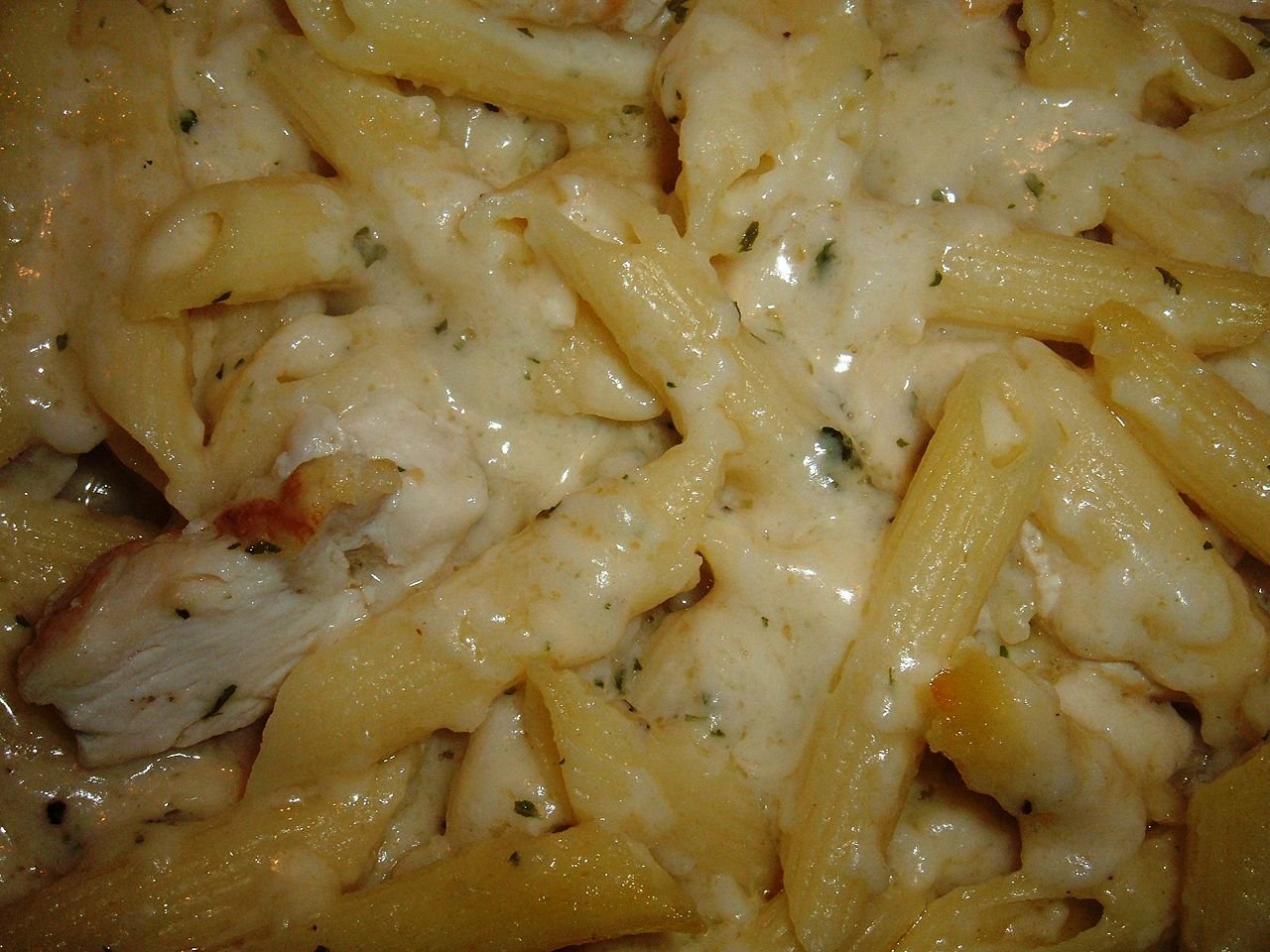
1. Creamy Garlic Parmesan Chicken Pasta (42g protein)
This is the recipe I make when someone says “healthy pasta can’t be creamy.” A Greek yogurt-enriched garlic parmesan sauce coats every piece of penne, and a pound and a half of chicken pushes this to 42 grams of protein per serving. It tastes like the restaurant dish — it just isn’t.
Why these ingredients work: Greek yogurt adds 10+ grams of protein to the sauce while keeping it creamy with a fraction of heavy cream’s fat. Pounding the chicken to even thickness means it cooks through at the same rate — no dry edges, no raw centers.
Ingredients:
- 12 oz penne or rigatoni (use Barilla Protein+ or Banza for +6g protein per serving)
- 1 1/2 lbs boneless, skinless chicken breasts, pounded to even thickness
- 1 tsp Italian seasoning
- 1/2 tsp smoked paprika
- 1/2 tsp garlic powder
- 1 tsp kosher salt, divided, plus more for pasta water
- 1/2 tsp black pepper
- 1 tbsp olive oil
- 3 tbsp butter (or olive oil)
- 6 cloves garlic, minced
- 1/2 cup chicken broth
- 1 cup freshly grated Parmesan, plus more for serving
- 3/4 cup plain Greek yogurt (2% or whole — nonfat can turn grainy)
- 1/4 tsp red pepper flakes
- 1/4 cup chopped fresh parsley
- 1 tbsp lemon juice
Instructions:
- Season the chicken with Italian seasoning, paprika, garlic powder, 1/2 tsp salt, and pepper. Sear in olive oil over medium-high heat, 5-6 minutes per side, until the internal temperature hits 165°F (USDA safe temp — use a thermometer, don’t guess). Rest 5 minutes, then slice. (Resting keeps the juices in the meat instead of on the cutting board.)
- Cook the pasta in well-salted boiling water until al dente. Reserve 1 cup pasta water, then drain.
- In the same skillet, melt the butter over medium heat. Add the garlic and red pepper flakes; cook 1 minute until fragrant but not browned.
- Pour in the broth and simmer 2 minutes, scraping up the browned bits. Add the pasta and 1/2 cup pasta water; toss.
- Off the heat, add the Parmesan a handful at a time, then stir in the Greek yogurt and lemon juice until smooth and creamy. (Off-heat is the trick — yogurt + high heat = curdled sauce.)
- Fold in the sliced chicken and parsley. Loosen with more pasta water if needed. Serve with extra Parmesan.
Time: Prep 10 min · Cook 20 min · Total 30 min · Servings: 4 · ~520 calories, ~42g protein per serving (estimate)
Substitutions: Swap chicken for shrimp (cook 2 minutes per side) or use rotisserie chicken to skip step 1. Dairy-free? This one’s hard to adapt — try the white bean pasta (recipe 10) instead.
Storage: Refrigerate up to 4 days. Reheat gently with a splash of broth or milk — the yogurt sauce tightens in the fridge.
Try it: Add a handful of baby spinach in step 6 — it wilts into the hot pasta and you won’t taste it.
Creamy Garlic Parmesan Chicken Pasta (42g protein)
Ingredients
Method
- Season the chicken with Italian seasoning, paprika, garlic powder, 1/2 tsp salt, and pepper. Sear in olive oil over medium-high heat, 5-6 minutes per side, until the internal temperature hits 165°F (USDA safe temp — use a thermometer, don’t guess). Rest 5 minutes, then slice. (Resting keeps the juices in the meat instead of on the cutting board.)
- Cook the pasta in well-salted boiling water until al dente. Reserve 1 cup pasta water, then drain.
- In the same skillet, melt the butter over medium heat. Add the garlic and red pepper flakes; cook 1 minute until fragrant but not browned.
- Pour in the broth and simmer 2 minutes, scraping up the browned bits. Add the pasta and 1/2 cup pasta water; toss.
- Off the heat, add the Parmesan a handful at a time, then stir in the Greek yogurt and lemon juice until smooth and creamy. (Off-heat is the trick — yogurt + high heat = curdled sauce.)
- Fold in the sliced chicken and parsley. Loosen with more pasta water if needed. Serve with extra Parmesan.
2. One-Pan Chicken Alfredo, Lightened Up (38g protein)
Everything cooks in one skillet — pasta included — so the starch thickens the sauce naturally and there’s exactly one pan to wash. Cottage cheese blended silky replaces most of the heavy cream, and nobody at my table has ever noticed.
Why these ingredients work: Cooking the pasta directly in broth means the noodles absorb flavor and release starch, which is what makes the sauce cling. Blended cottage cheese delivers casein protein and creaminess for a fraction of the calories of cream.
Ingredients:
- 12 oz fettuccine or linguine, broken in half
- 1 lb boneless, skinless chicken breasts, cut into 1-inch pieces
- 1 tsp kosher salt, plus more to taste
- 1/2 tsp black pepper
- 1 tsp garlic powder
- 1 tbsp olive oil
- 4 cloves garlic, minced
- 3 1/2 cups low-sodium chicken broth
- 1 cup low-fat cottage cheese
- 1/2 cup milk (any kind)
- 3/4 cup freshly grated Parmesan
- 1/4 tsp ground nutmeg (the quiet hero of alfredo — trust me)
- 2 cups baby spinach (optional)
- Chopped parsley, for serving
Instructions:
- Season the chicken pieces with salt, pepper, and garlic powder. Sear in olive oil over medium-high heat until golden, 5-6 minutes. Remove to a plate. (It’ll finish cooking in the sauce — don’t overcook it now.)
- In the same pan, add the garlic; cook 30 seconds. Pour in the broth, scraping up the browned bits, and bring to a boil.
- Add the dry pasta, pushing it under the liquid. Reduce to a steady simmer and cook 10-12 minutes, stirring often, until the pasta is al dente and most liquid is absorbed into a light sauce.
- Meanwhile, blend the cottage cheese and milk until completely smooth — no curds visible. (This takes a full 60 seconds in the blender. Under-blended cottage cheese = lumpy sauce.)
- Off the heat, stir the cottage cheese mixture into the pasta with the Parmesan and nutmeg. Return the chicken (and spinach, if using) and toss 2 minutes until everything is hot and creamy.
Time: Prep 8 min · Cook 22 min · Total 30 min · Servings: 4 · ~540 calories, ~38g protein per serving (estimate)
Substitutions: Use Banza chickpea pasta for +5g protein per serving (reduce cook time by 1-2 minutes — chickpea pasta overcooks fast). Swap spinach for peas or broccoli florets.
Storage: Keeps 3 days refrigerated. The sauce thickens — loosen with milk when reheating.
Try it: A squeeze of lemon over each bowl brightens the whole dish.
3. Chicken Pesto Pasta with Greek Yogurt (36g protein)
Jarred pesto is already flavorful; stretching it with Greek yogurt doubles the volume, adds protein, and keeps it from being an oil slick. Tossed with chicken and cherry tomatoes, this is my favorite summer meal-prep lunch.
Why these ingredients work: Pesto’s fat carries flavor, but a full cup is a calorie bomb — Greek yogurt bulks it into a creamy sauce while adding ~12g protein. Cherry tomatoes burst slightly against the hot pasta and their acidity cuts the richness.
Ingredients:
- 12 oz rotini or fusilli (chickpea or protein-blend if you like)
- 1 1/4 lbs boneless, skinless chicken breasts
- 1 tsp kosher salt, divided, plus more for pasta water
- 1/2 tsp black pepper
- 1 tbsp olive oil
- 1/2 cup basil pesto (jarred is fine)
- 1/2 cup plain Greek yogurt
- 1 pint cherry tomatoes, halved
- 1/2 cup freshly grated Parmesan, plus more for serving
- Zest and juice of 1 lemon
- 1/4 tsp red pepper flakes (optional)
Instructions:
- Season the chicken with 1/2 tsp salt and pepper. Cook in olive oil over medium-high heat 5-6 minutes per side until 165°F internally. Rest 5 minutes; slice or dice.
- Cook the pasta until al dente in well-salted water. Reserve 1/2 cup pasta water; drain.
- Whisk the pesto, Greek yogurt, lemon zest and juice, and red pepper flakes in a large bowl.
- Add the hot pasta to the bowl with a splash of pasta water; toss until coated. Fold in the tomatoes and chicken, then the Parmesan. Season with remaining salt.
Time: Prep 10 min · Cook 18 min · Total 28 min · Servings: 4 · ~560 calories, ~36g protein per serving (estimate)
Substitutions: Use rotisserie chicken to make this a 15-minute dinner. Swap Greek yogurt for cottage cheese blended smooth.
Storage: Excellent meal-prep pasta — keeps 4 days refrigerated. Eat cold or at room temp; the pesto sauce doesn’t need reheating.
Try it: Toasted pine nuts or walnuts on top add crunch and healthy fats.
Creamy Sauces Without the Heavy Cream
Here’s the technique that changed my pasta game: blended cottage cheese. Warmed gently (never boiled), it turns into a silky, high-protein sauce base that carries flavor like cream. These three recipes prove it.
4. Blended Cottage Cheese Alfredo (31g protein)
The viral cottage cheese alfredo actually works — if you respect the technique. Low heat, blended silky-smooth, pasta water to marry it all. My kids eat this without knowing the secret ingredient, which tells you everything.
Why these ingredients work: Cottage cheese is mostly casein protein, which melts into creaminess when blended and warmed gently. Parmesan brings the sharp, salty alfredo flavor so your brain registers “alfredo” immediately.
Ingredients:
- 12 oz fettuccine
- 16 oz low-fat cottage cheese (2% blends creamiest — fat-free can go grainy)
- 1/2 cup milk
- 3/4 cup freshly grated Parmesan, plus more for serving
- 3 cloves garlic, minced
- 2 tbsp butter
- 1/2 tsp kosher salt, plus more for pasta water
- 1/2 tsp black pepper
- 1/4 tsp ground nutmeg
- 1/4 cup chopped fresh parsley
Instructions:
- Blend the cottage cheese and milk for a full 60-90 seconds until completely smooth. No visible curds — this is non-negotiable. Set aside.
- Cook the fettuccine in well-salted water until al dente. Reserve 1 cup pasta water; drain.
- Melt the butter in a large skillet over medium-low heat. Add the garlic; cook 1 minute until fragrant.
- Reduce heat to LOW. Pour in the cottage cheese mixture and warm, whisking constantly, 2-3 minutes until steamy but never bubbling. (Boiling = curdled sauce. Low and slow.)
- Whisk in the Parmesan, nutmeg, salt, and pepper. Add the pasta with 1/2 cup pasta water; toss 1-2 minutes until glossy. Shower with parsley and extra Parmesan.
Time: Prep 5 min · Cook 15 min · Total 20 min · Servings: 4 · ~480 calories, ~31g protein per serving (estimate)
Substitutions: Add 2 cups shredded rotisserie chicken to push this past 40g protein. For gluten-free, use Banza or lentil fettuccine.
Storage: Keeps 3 days refrigerated. Reheat very gently with a splash of milk, whisking — high heat will split the sauce.
Try it: Cracked black pepper and lemon zest on top make it taste restaurant-made.
5. Greek Yogurt Mac and Cheese (30g protein)
Mac and cheese with a protein conscience. Greek yogurt plus sharp cheddar gives you the tangy, creamy bowl you crave, and chickpea elbows quietly add 7 extra grams of protein per serving over regular pasta.
Why these ingredients work: Sharp cheddar does the heavy flavor lifting so you need less cheese overall. Greek yogurt stirred in off the heat adds creaminess and protein without the fat of a full cream-and-butter roux.
Ingredients:
- 12 oz chickpea elbow pasta (Banza) or regular elbows
- 2 tbsp butter
- 2 tbsp all-purpose flour
- 2 cups milk, warmed (warm milk = no lumps)
- 2 cups shredded sharp cheddar
- 3/4 cup plain Greek yogurt
- 1/2 tsp mustard powder (makes cheese taste cheesier — real trick)
- 1/2 tsp kosher salt, plus more for pasta water
- 1/4 tsp black pepper
- 1/4 tsp paprika, for the top
Instructions:
- Cook the pasta 1 minute shy of al dente in salted water (it’ll finish in the sauce). Drain.
- Melt the butter in a large saucepan over medium heat. Whisk in the flour; cook 1 minute until toasty-smelling.
- Slowly whisk in the warm milk. Simmer 3-4 minutes, whisking, until thick enough to coat a spoon.
- Off the heat, whisk in the cheddar a handful at a time until melted. Then whisk in the Greek yogurt, mustard powder, salt, and pepper until smooth.
- Fold in the pasta. Serve with paprika dusted over the top.
Time: Prep 8 min · Cook 18 min · Total 26 min · Servings: 6 · ~450 calories, ~30g protein per serving (estimate)
Substitutions: Stir in a can of drained tuna or 2 cups diced ham for a 40g+ version. Top with buttered breadcrumbs and broil 2 minutes for a crunchy top.
Storage: Refrigerate up to 4 days. Reheat with a splash of milk — chickpea pasta drinks up sauce overnight.
Try it: A dash of hot sauce in your bowl is elite.
6. Cottage Cheese “Vodka-Style” Tomato Sauce (30g protein)
No vodka needed — the “vodka-style” here means that pink, creamy tomato sauce you love, built on blended cottage cheese instead of heavy cream. It clings to penne like a dream and the protein math works.
Why these ingredients work: Tomato paste cooked until dark red (2 full minutes) develops deep, almost meaty flavor through caramelization. The cottage cheese blend turns the sharp tomato sauce pink and silky while adding ~14g protein to the pot.
Ingredients:
- 12 oz penne or rigatoni
- 1 cup low-fat cottage cheese
- 1/2 cup milk
- 2 tbsp olive oil
- 4 cloves garlic, minced
- 1/2 tsp red pepper flakes
- 3 tbsp tomato paste
- 1 can (28 oz) crushed tomatoes
- 1 tsp dried oregano
- 1 tsp kosher salt, plus more for pasta water
- 1/2 tsp black pepper
- 1/2 cup freshly grated Parmesan
- Fresh basil, for serving
Instructions:
- Blend the cottage cheese and milk until completely smooth, 60-90 seconds. Set aside.
- Heat the olive oil in a large skillet over medium heat. Add the garlic and red pepper flakes; cook 1 minute.
- Add the tomato paste and cook, stirring, 2 minutes until it darkens to brick red. (This step is the whole flavor — don’t rush it.)
- Pour in the crushed tomatoes, oregano, salt, and pepper. Simmer 10 minutes until slightly thickened.
- Reduce heat to low. Slowly whisk in the cottage cheese blend until the sauce turns pink and silky. Never let it boil.
- Cook the penne until al dente; reserve 1/2 cup pasta water and drain. Toss the pasta with the sauce, loosening with pasta water, and the Parmesan.
Time: Prep 8 min · Cook 22 min · Total 30 min · Servings: 4 · ~470 calories, ~30g protein per serving (estimate)
Substitutions: Add 1 lb browned ground turkey for a 40g+ protein dinner. Use lentil penne for even more protein.
Storage: Keeps 4 days refrigerated; the sauce is also excellent on its own over roasted vegetables.
Try it: A knob of butter swirled in at the end gives it restaurant gloss.
Beef, Turkey & Seafood Protein Pasta Recipes
When you want the protein to come from the main event — not the sauce — these are the heavy hitters. Ground meat and shrimp bring 25-35 grams per serving before the pasta even enters the chat.
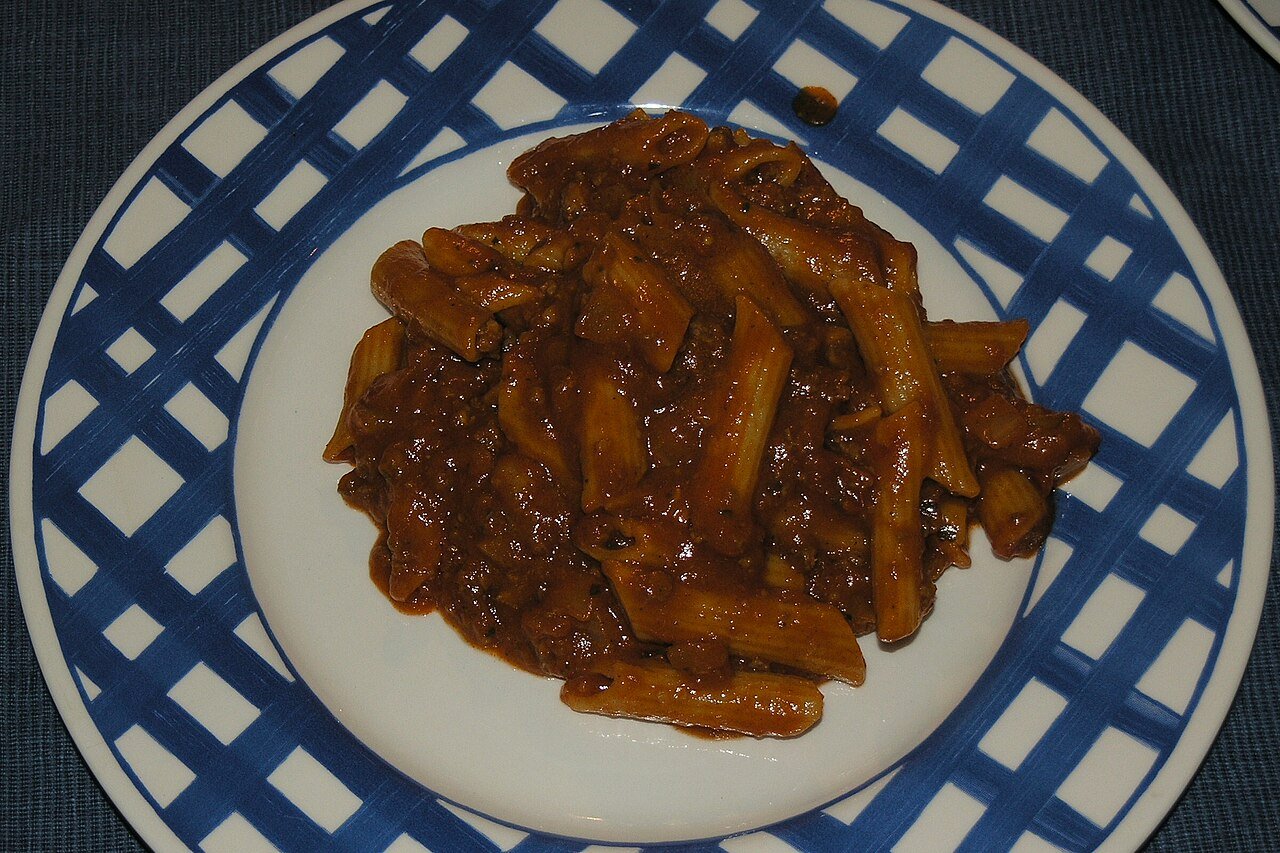
7. Lean Beef Marinara with Chickpea Pasta (35g protein)
A classic weeknight marinara, but every component pulls protein weight: 93% lean beef, chickpea pasta, and a Parmesan finish. My husband — a man deeply suspicious of “healthy pasta” — asked for seconds.
Why these ingredients work: 93/7 lean beef keeps the fat low while delivering ~22g protein per serving. Chickpea pasta adds another 7g over regular pasta plus fiber, which keeps you full longer.
Ingredients:
- 12 oz Banza chickpea penne (cook 1-2 min less than package — it overcooks fast)
- 1 lb 93% lean ground beef
- 1 tbsp olive oil
- 1 small yellow onion, diced
- 3 cloves garlic, minced
- 2 tbsp tomato paste
- 1 can (28 oz) crushed tomatoes
- 1 tsp dried basil
- 1 tsp dried oregano
- 1/2 tsp red pepper flakes (optional)
- 1 tsp kosher salt, plus more for pasta water
- 1/2 tsp black pepper
- 3/4 cup freshly grated Parmesan
- Fresh basil, for serving
Instructions:
- Heat the olive oil in a large deep skillet over medium-high heat. Brown the beef, breaking it into crumbles, 6-7 minutes. Don’t crowd the pan — browning (not steaming) is where the flavor lives. Drain excess fat.
- Add the onion; cook 4 minutes until soft. Add the garlic and tomato paste; cook 2 minutes, stirring, until the paste darkens.
- Pour in the crushed tomatoes, basil, oregano, red pepper flakes, salt, and pepper. Simmer 12-15 minutes until thickened.
- Meanwhile, cook the chickpea penne in well-salted water until just al dente. Reserve 1/2 cup pasta water; drain. (Chickpea pasta goes from perfect to mushy fast — start tasting a minute early.)
- Toss the pasta with the sauce and Parmesan, loosening with pasta water. Serve with basil.
Time: Prep 10 min · Cook 25 min · Total 35 min · Servings: 4 · ~560 calories, ~35g protein per serving (estimate)
Substitutions: Ground turkey (93% lean) works 1:1. For a veggie boost, add a grated zucchini with the onion — it melts into the sauce.
Storage: Keeps 4 days refrigerated; freezes beautifully for 3 months. Chickpea pasta holds up better than wheat pasta in the freezer, in my experience.
Try it: A spoonful of ricotta on each bowl makes it taste like lasagna.
8. Turkey Taco Pasta Skillet (33g protein)
Taco night meets pasta night in one skillet. Lean ground turkey, black beans, corn, and cheddar over rotini — it’s the dinner my kids request and the macros I need. The whole thing is done in 30 minutes with one pan to wash.
Why these ingredients work: Turkey + black beans is a protein double-hit (about 28g combined per serving) with fiber that keeps you full. Cooking the pasta in the seasoned broth means every bite tastes like tacos, not plain noodles.
Ingredients:
- 12 oz rotini (protein-blend or regular)
- 1 lb 93% lean ground turkey
- 1 tbsp olive oil
- 1 small onion, diced
- 1 bell pepper, diced
- 2 tbsp taco seasoning (or 1 packet)
- 1 can (15 oz) black beans, drained and rinsed
- 1 cup frozen corn
- 1 can (10 oz) diced tomatoes with green chiles (Rotel-style)
- 2 1/2 cups low-sodium chicken broth
- 1 1/2 cups shredded Mexican-blend cheese, divided
- Salt to taste
- Toppings: sour cream or Greek yogurt, cilantro, lime wedges, diced avocado
Instructions:
- Heat the olive oil in a large deep skillet over medium-high heat. Brown the turkey with the onion and bell pepper, 6-7 minutes, breaking it up. Stir in the taco seasoning; cook 1 minute until fragrant.
- Add the dry rotini, black beans, corn, diced tomatoes, and broth. Stir well, bring to a boil, then reduce to a simmer.
- Cook 12-14 minutes, stirring occasionally, until the pasta is tender and the liquid has become a light sauce. (If it thickens too fast, add broth 1/4 cup at a time.)
- Off the heat, stir in 1 cup of the cheese until melted. Top with remaining cheese, cover 2 minutes to melt. Serve with toppings.
Time: Prep 10 min · Cook 20 min · Total 30 min · Servings: 6 · ~520 calories, ~33g protein per serving (estimate)
Substitutions: Swap turkey for lean ground beef. Use Greek yogurt instead of sour cream on top for +3g protein per serving.
Storage: Keeps 4 days refrigerated. Reheat with a splash of broth.
Try it: Crushed tortilla chips over each bowl. You’re welcome.
9. Garlic Butter Shrimp Pasta (34g protein)
Shrimp is pure protein — virtually no fat, about 24g protein per 4 ounces — and it cooks in literally 3 minutes. Tossed with linguine, garlic butter, and lemon, this tastes like a $28 restaurant plate and hits 34 grams of protein.
Why these ingredients work: Shrimp’s mild sweetness is the perfect canvas for garlic butter and lemon. Searing (not steaming) the shrimp — dry pan, hot oil, single layer — gives you golden edges instead of rubbery curls.
Ingredients:
- 12 oz linguine
- 1 1/2 lbs large shrimp, peeled and deveined
- 1 tsp kosher salt, divided, plus more for pasta water
- 1/2 tsp black pepper
- 3 tbsp olive oil, divided
- 5 tbsp butter, divided
- 6 cloves garlic, thinly sliced
- 1/2 tsp red pepper flakes
- Zest and juice of 1 lemon
- 1/2 cup dry white wine or chicken broth
- 1/2 cup freshly grated Parmesan
- 1/2 cup chopped fresh parsley
Instructions:
- Pat the shrimp VERY dry with paper towels and season with 1/2 tsp salt and pepper. (Wet shrimp steam; dry shrimp sear. This is the whole game.)
- Cook the linguine until al dente. Reserve 1 cup pasta water; drain.
- Heat 2 tbsp olive oil and 2 tbsp butter in a large skillet over medium-high heat until foaming. Sear the shrimp in a single layer, 90 seconds per side, until just pink. Remove to a plate. (They’ll finish in the sauce — overcooked shrimp turn to rubber bands.)
- In the same skillet, add remaining oil and butter, garlic, and red pepper flakes; cook 1 minute. Pour in the wine and lemon juice; simmer 2 minutes.
- Add the pasta with 1/2 cup pasta water, tossing 1 minute until glossy. Return the shrimp, add lemon zest, Parmesan, and parsley; toss once more.
Time: Prep 12 min · Cook 15 min · Total 27 min · Servings: 4 · ~580 calories, ~34g protein per serving (estimate)
Substitutions: Scallops work the same way (sear 90 seconds per side). For dairy-free, use all olive oil instead of butter.
Storage: Best fresh — shrimp gets rubbery reheated. If you must, reheat very gently in a skillet, not the microwave.
Try it: A handful of arugula tossed in at the end adds a peppery bite.
Plant-Based & Meal-Prep Protein Pasta Recipes
No meat? No problem. Beans, tuna, and edamame pasta quietly deliver 30g+ protein per serving — and the tuna pasta salad is the best high-protein lunch prep I know.
10. White Bean, Kale & Chicken Sausage Pasta (32g protein)
Creamy cannellini beans melt into a silky sauce (no cream needed), kale wilts in, and chicken sausage brings the protein home. It’s a one-pot situation and it tastes like something from a Tuscan farmhouse.
Why these ingredients work: Blended white beans create body the way cream does, but with fiber and 8g protein per half-cup. Chicken sausage (check the label — most are 12-14g protein per link) seasons the whole pot with fennel and garlic.
Ingredients:
- 12 oz orecchiette or small shells
- 4 links (12 oz) Italian chicken sausage, casings removed
- 1 tbsp olive oil
- 4 cloves garlic, minced
- 1/2 tsp red pepper flakes
- 2 cans (15 oz each) cannellini beans, drained and rinsed, divided
- 3 cups low-sodium chicken broth
- 5 oz baby kale or spinach (about 5 packed cups)
- 3/4 cup freshly grated Parmesan, plus more for serving
- 1 tsp kosher salt, plus more for pasta water
- 1/2 tsp black pepper
- Lemon wedges, for serving
Instructions:
- Brown the sausage in olive oil over medium-high heat, breaking into crumbles, 6-7 minutes. Add the garlic and red pepper flakes; cook 1 minute.
- Mash 1 can of beans with a fork (or blend with a splash of broth) — this is your “cream.” Add it to the pot with the broth and remaining whole beans.
- Add the dry pasta; bring to a boil, then simmer 12-14 minutes, stirring often, until the pasta is tender and the broth has thickened into a sauce.
- Stir in the kale a few handfuls at a time until wilted, about 2 minutes. Off the heat, stir in the Parmesan. Season boldly with salt, pepper, and a squeeze of lemon.
Time: Prep 10 min · Cook 25 min · Total 35 min · Servings: 4 · ~540 calories, ~32g protein per serving (estimate)
Substitutions: Use turkey sausage or leave the meat out and double the beans (still ~24g protein). Any short pasta shape works.
Storage: Keeps 4 days refrigerated. The beans thicken it overnight — loosen with broth when reheating.
Try it: A fried egg on top takes it to brunch territory.
11. Tuna & White Bean Pasta Salad (33g protein) — Meal-Prep Hero
Two cans of tuna + two cans of white beans + protein pasta = the highest-protein lunch prep in my rotation, and it costs almost nothing. It actually improves after a day in the fridge, which is rare for pasta.
Why these ingredients work: Tuna brings 25g protein per can for pennies; white beans add another 8g plus fiber. A sharp lemon-olive oil dressing (not mayo) keeps it fresh-tasting for days and won’t turn in a lunchbox.
Ingredients:
- 12 oz rotini or fusilli (chickpea or protein-blend for max protein)
- 2 cans (5 oz each) tuna in olive oil, drained
- 1 can (15 oz) cannellini beans, drained and rinsed
- 1 pint cherry tomatoes, halved
- 1 English cucumber, diced
- 1/2 small red onion, finely diced
- 1/3 cup extra-virgin olive oil
- Zest and juice of 2 lemons
- 2 cloves garlic, minced
- 1/2 cup chopped fresh parsley
- 1/4 cup chopped fresh basil or dill
- 1 tsp kosher salt, plus more for pasta water
- 1/2 tsp black pepper
- 1/2 tsp red pepper flakes (optional)
Instructions:
- Cook the pasta 1 minute less than the package says (it firms up as it chills — mushy cold pasta is the saddest texture). Drain, rinse under cold water until cool, and toss with 1 tbsp olive oil.
- Whisk the olive oil, lemon zest and juice, garlic, salt, pepper, and red pepper flakes in a large bowl.
- Add the cooled pasta, tuna (broken into chunks), beans, tomatoes, cucumber, and red onion. Toss gently.
- Fold in the parsley and herbs. Refrigerate at least 1 hour (overnight is better). Taste and add more lemon before serving — cold mutes flavor.
Time: Prep 15 min · Cook 10 min · Chill 1 hr · Total 1 hr 25 min (25 active) · Servings: 6 · ~420 calories, ~33g protein per serving (estimate)
Substitutions: Swap tuna for canned salmon or shredded rotisserie chicken. Add diced avocado at serving time (not before — it browns).
Storage: The whole point — keeps 4 days refrigerated in meal-prep containers. Refresh with olive oil and lemon before eating.
Try it: A scoop of cottage cheese on the side pushes lunch past 40g protein.
12. Edamame Spaghetti Primavera (30g protein)
Edamame spaghetti looks a little green and tastes pleasantly nutty — and it packs 24 grams of protein per serving all by itself. Tossed with spring vegetables and Parmesan, this is the easiest 30g-protein dinner on the list.
Why these ingredients work: Edamame pasta IS the protein here (24g per 2-oz serving vs 7g in wheat pasta), so the vegetables just need to taste good. A light garlic-olive oil sauce lets the nutty pasta shine instead of burying it.
Ingredients:
- 12 oz edamame spaghetti (or chickpea spaghetti)
- 3 tbsp olive oil, plus more for drizzling
- 4 cloves garlic, thinly sliced
- 1/2 tsp red pepper flakes
- 2 cups broccoli florets, cut small
- 1 cup snap peas, halved
- 1 cup cherry tomatoes, halved
- Zest and juice of 1 lemon
- 3/4 cup freshly grated Parmesan, plus more for serving
- 1 tsp kosher salt, plus more for pasta water
- 1/2 tsp black pepper
- 1/2 cup chopped fresh basil
Instructions:
- Cook the edamame spaghetti according to the package — usually 4-5 minutes. It goes from perfect to mushy FAST, so start tasting at 3 minutes. Reserve 1 cup pasta water; drain. (Don’t rinse — the starch helps the sauce cling.)
- While the pasta cooks, heat the olive oil in a large skillet over medium heat. Add the garlic and red pepper flakes; cook 1 minute.
- Add the broccoli with 1/4 cup water; cover and steam 3 minutes. Uncover, add the snap peas and tomatoes; cook 2 minutes more until bright and just tender.
- Add the pasta to the skillet with 1/2 cup pasta water, lemon zest and juice; toss 1 minute. Off the heat, add the Parmesan and basil; toss until silky. Season boldly.
Time: Prep 10 min · Cook 12 min · Total 22 min · Servings: 4 · ~430 calories, ~30g protein per serving (estimate)
Substitutions: Any legume pasta works (lentil, chickpea). Add 2 cups shredded rotisserie chicken for a 40g+ version.
Storage: Keeps 3 days refrigerated. Edamame pasta reheats better than you’d expect — a splash of water in the skillet brings it back.
Try it: Toasted sesame oil instead of olive oil + a splash of soy sauce takes it in an Asian direction.
The Protein Math: How to Build 30-50g Protein Per Serving
Here’s the framework I wish someone had given me two years ago. Every high-protein pasta is just three layers — hit all three and 30g+ is nearly automatic:
Layer 1 — The pasta base (7-24g). Regular wheat pasta: ~7g per serving. Barilla Protein+ or similar wheat blends: ~10g. Chickpea/lentil pasta (Banza): ~14g. Edamame pasta: ~24g. Just swapping the box is the easiest 7-17g you’ll ever gain.
Layer 2 — The protein add-in (20-35g). Chicken breast (1 lb across 4 servings ≈ 30g each), shrimp (1.5 lbs ≈ 28g each), 93% lean beef or turkey (1 lb ≈ 22-28g each), canned tuna (2 cans across 6 servings ≈ 17g each), white beans (2 cans ≈ 10g each). Pick one per dinner.
Layer 3 — The protein sauce (8-15g). Blended cottage cheese (~14g per cup), Greek yogurt (~12g per 3/4 cup), Parmesan (~8g per 3/4 cup), or simply the starchy pasta water + cheese trick. This layer is what separates a 22g dinner from a 35g one.
The math on a typical recipe here: chickpea pasta (14g) + chicken (30g) + Greek yogurt sauce (10g, shared across servings ≈ 3g each)… wait, that overshoots because the add-in is the bulk. Real example from recipe 1: 1.5 lbs chicken ÷ 4 servings = ~34g from chicken alone, + pasta ~4g, + yogurt/Parmesan ~4g = ~42g. The add-in does the heavy lifting; the base and sauce are bonus.
My weeknight rule: if I’m short on time, I just do Layer 1 + Layer 2 (protein pasta + rotisserie chicken + jarred sauce) and still land around 30g. The fancy sauce is optional.
Which Protein Pasta Should You Buy? (Honest Taste Test)
I’ve cooked them all, many times. Here’s the no-sponsorship truth:
Banza (chickpea): The most protein (14g/serving) and the most fiber. Taste is pleasantly nutty; texture is good if you undercook it slightly, gummy if you don’t. Best in: baked dishes, hearty meat sauces, mac and cheese. Watch it like a hawk — the window between al dente and mush is about 60 seconds. My pick for max protein.
Barilla Protein+ (wheat blend): 10g protein, tastes the MOST like regular pasta — my kids can’t tell. Slightly firmer bite. Best in: anything, honestly. It’s the safe everyday choice and usually the cheapest. My pick for picky eaters.
Edamame/lentil pasta: Up to 24g protein (edamame), distinctly beany/nutty flavor, greenish color that surprises people. Texture is delicate — great in light primavera-style dishes, less great in heavy bakes. My pick for vegetarian 30g+ dinners.
Regular wheat pasta: 7g protein, best taste and texture, cheapest. Totally fine as a base when your add-in is strong (a pound of chicken doesn’t care what noodle it’s on). Don’t let anyone shame you for it.
The honest hierarchy for this list: if the sauce is the star (alfredo, pesto), use Barilla Protein+ so the pasta doesn’t compete. If the add-in is the star (beef marinara, taco skillet), use Banza for max numbers. If you’re vegetarian, edamame pasta is your 24g head start.
Common Mistakes to Avoid
- Boiling cottage cheese sauce. The #1 killer of creamy protein sauces. Cottage cheese and Greek yogurt sauces must be warmed gently and never boiled — high heat curdles them into grainy sadness. Low heat, constant whisking, off-heat cheese additions.
- Under-blending the cottage cheese. Thirty seconds in the blender is not enough. You need a full 60-90 seconds until it’s completely silky with zero visible curds. Under-blended = lumpy sauce, and no amount of whisking fixes it later.
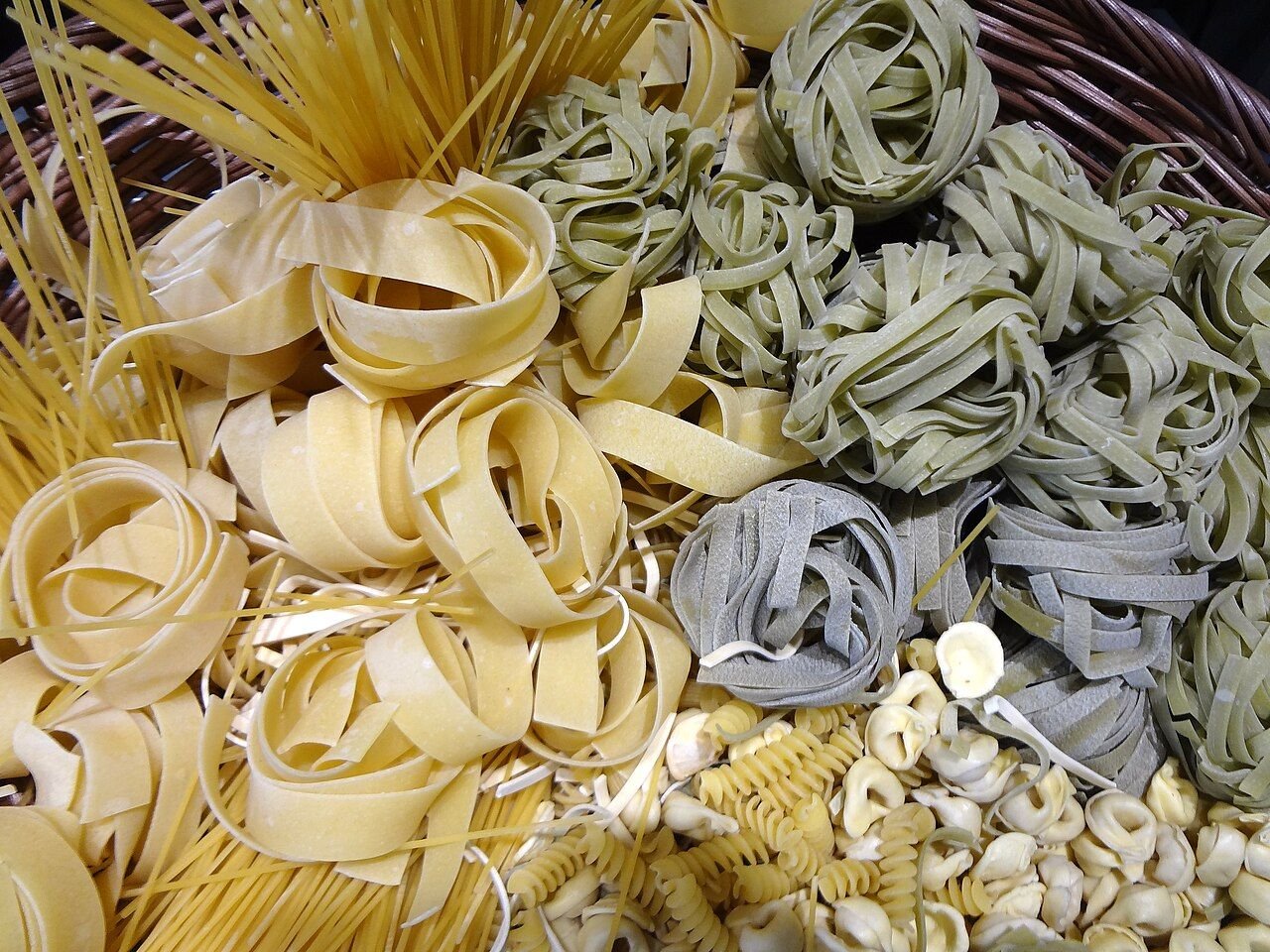
- Overcooking legume pasta. Chickpea, lentil, and edamame pastas go from perfect to mush in about a minute. Start tasting 2 minutes before the package says, and always cook 1 minute shy — it keeps cooking in the sauce.
- Skipping the pasta water. That starchy liquid is what turns cottage cheese, yogurt, and Parmesan into an actual sauce instead of a coating. Scoop out a full cup before you drain — every time, no exceptions.
- Forgetting to season the pasta water. With high-protein ingredients that can taste flat (cottage cheese, I’m looking at you), the pasta itself needs to be seasoned. The water should taste like the sea.
- Counting on protein pasta alone. A box of Banza with jarred marinara is ~17g protein — good, not 30g. You need the add-in (chicken, shrimp, beans, tuna) to cross the line. The pasta is the foundation, not the house.
- Meal-prepping dairy sauces wrong. Yogurt and cottage cheese sauces tighten and can separate after a day in the fridge. Always reheat gently with a splash of milk or broth, whisking — never microwave on high.
Protein Pasta Recipes at a Glance
| # | Recipe | Protein (est.) | Total Time | Style |
|---|---|---|---|---|
| 1 | Creamy Garlic Parmesan Chicken Pasta | 42g | 30 min | Chicken, creamy |
| 2 | One-Pan Chicken Alfredo, Lightened Up | 38g | 30 min | Chicken, one-pan |
| 3 | Chicken Pesto Pasta with Greek Yogurt | 36g | 28 min | Chicken, pesto |
| 4 | Blended Cottage Cheese Alfredo | 31g | 20 min | Vegetarian, creamy |
| 5 | Greek Yogurt Mac and Cheese | 30g | 26 min | Vegetarian, comfort |
| 6 | Cottage Cheese “Vodka-Style” Tomato Sauce | 30g | 30 min | Vegetarian, tomato |
| 7 | Lean Beef Marinara with Chickpea Pasta | 35g | 35 min | Beef, hearty |
| 8 | Turkey Taco Pasta Skillet | 33g | 30 min | Turkey, one-pan |
| 9 | Garlic Butter Shrimp Pasta | 34g | 27 min | Seafood, fast |
| 10 | White Bean, Kale & Chicken Sausage Pasta | 32g | 35 min | One-pot, sausage |
| 11 | Tuna & White Bean Pasta Salad | 33g | 25 min active | Meal prep, no-reheat |
| 12 | Edamame Spaghetti Primavera | 30g | 22 min | Vegetarian, fast |
FAQ
How much protein is in regular pasta vs protein pasta?
Regular wheat pasta has about 7 grams of protein per 2-ounce serving. Barilla Protein+ has around 10g, chickpea pasta (Banza) about 14g, and edamame pasta up to 24g. But the pasta alone won’t get you to 30g — you need a protein add-in like chicken, shrimp, or beans plus a protein-boosted sauce.
Is chickpea pasta actually healthy?
Yes — chickpea pasta typically has 14g protein and 8g fiber per serving, roughly double the protein and triple the fiber of wheat pasta. The trade-off is texture: it can turn gummy if overcooked, so cook it 1-2 minutes less than the package says and don’t let it sit in the colander.
Can you really make alfredo sauce with cottage cheese?
Yes, and it’s genuinely good if you follow two rules: blend it for a full 60-90 seconds until completely silky (no curds), and warm it gently without ever boiling. Boiling curdles it. Done right, it tastes rich and creamy with about 14g protein per cup of cottage cheese used.
What’s the best pasta shape for high-protein sauces?
Short, sturdy shapes — penne, rigatoni, rotini, shells — hold up best, especially with legume pastas that are more fragile than wheat. Their ridges and curves trap creamy cottage cheese and yogurt sauces. Save delicate long shapes for wheat-blend pastas.
How do I meal prep protein pasta without it getting mushy?
Three rules: cook the pasta 1 minute shy of al dente (it firms as it chills, then softens on reheat), cool it quickly and refrigerate within 2 hours, and reheat gently with a splash of liquid. Cold pasta salads (like the tuna white bean, recipe 11) are the easiest — they’re designed to be eaten cold.
Is 30g of protein per meal enough?
For most active adults, 25-40g of protein per meal across 3-4 meals is the commonly cited target for muscle maintenance (individual needs vary — this isn’t medical advice). These recipes land at 30-42g per serving, which fits that framework for dinner or post-workout meals.
Can I make these dairy-free and still high protein?
It’s harder but doable. Lean on the add-ins: chicken, shrimp, turkey, tuna, and beans all bring protein without dairy. Use olive oil-based sauces and nutritional yeast for cheesy flavor. The edamame primavera (recipe 12) is easily adapted — skip the Parmesan or use a dairy-free alternative.
Does protein pasta taste different?
Honestly? A little. Chickpea pasta is nutty, edamame pasta is beany, wheat-blend (Barilla Protein+) tastes the closest to regular pasta — most people can’t tell. The sauce and add-ins do 90% of the flavor work, which is why these recipes lead with bold flavors like garlic parmesan, taco seasoning, and pesto.
Final Thoughts
Protein pasta recipes work because they don’t ask you to give anything up — same creamy, cheesy, twirlable dinners, just built on a smarter foundation. Start with the garlic parmesan chicken pasta if you want the crowd-pleaser, the blended cottage cheese alfredo if you’re skeptical (it converts people), or the tuna white bean salad if you meal prep.
Which one are you making first? My money’s on the one-pan chicken alfredo — 38 grams of protein, one pan, thirty minutes. That’s the whole pitch.
Sources: USDA FoodData Central, Banza, Barilla.https://www.barilla.com/https://www.eatbanza.com/

Founder of NestFlavors — sharing tested recipes and honest home ideas, made for real life.