
I used to read with a lamp that made my eyes ache by page twenty, and I blamed the book. The real problem was the light: too dim, too harsh, and aimed in the wrong direction. Once I fixed the setup beside my chair, reading at night turned back into the relaxing habit I remembered, and I stopped squinting, shifting, and giving up early. A good reading lamp does quiet work. It puts steady light exactly where the page sits, leaves the rest of the room calm, and lets you stay comfortable for a whole chapter instead of a few pages.
What Makes a Good Reading Lamp
Before you shop for a reading lamp, it helps to know what actually matters. Brightness matters, but so does control. A lamp that only has one harsh setting will feel wrong in a dark room, even if it looks lovely in a store. For a reading lamp, I look for a warm white light, a shade or head that aims light down at the page, and a way to dim it or change the tone.
Position matters just as much. Light should come from beside you or slightly behind your shoulder, not straight into your eyes and not from across the room where your own shadow falls on the page. If you read in bed, a reading lamp that stays out of your partner’s eyes is worth more than a fancy base. If you read in a chair, height matters: the light source should sit near or just above shoulder height so the page is lit without glare on the cover.
I also pay attention to the bulb type and the switch. A simple touch dimmer or a three-way switch beats a lamp you have to fiddle with every night. Warm light in the evening feels calmer to me, and I keep cooler, brighter light for daytime reading at a desk. The Energy Star program has useful general guidance on choosing efficient lighting for the home, and it is worth a look before you buy: Energy Star lighting products. With those basics in mind, here are the ideas I keep coming back to in real bedrooms and living rooms.
15 Reading Lamp Ideas for Bedroom and Living Room
These fifteen ideas cover the spots where most of us actually read: beside the bed, next to a favorite chair, at a desk, and in a quiet corner. Pick the one that matches your seat first, then worry about style.
1. A Classic Bedside Table Lamp
This reading lamp setup is the one I recommend most often because it just works. A medium table lamp on your nightstand, with the shade at about shoulder height when you sit up in bed, gives you a pool of light on the book and soft light for the rest of the room. Choose a shade that is wide enough to spread light over both pages without shining straight at your face. A linen or cotton shade softens the light nicely. Keep the base stable and the switch within easy reach, so you are not stretching across the bed in the dark. This style suits almost any bedroom, from a plain white room to a darker, wood-heavy space.
2. A Clip-On Lamp for the Headboard
If your nightstand is crowded or you have no nightstand at all, a clip-on reading lamp is a smart fix. It clamps to a headboard, a shelf, or the edge of a thick bookcase and aims a small, focused beam right at the page. I like this option for small bedrooms and for renters, because it leaves no mark and moves with you. Look for a flexible neck so you can aim it down and away from a sleeping partner. The light stays close to the book, which means less spill across the room and fewer complaints at midnight.
3. A Swing-Arm Wall Lamp Beside the Bed
A wall-mounted swing-arm reading lamp frees up the whole nightstand. You mount it on the wall beside the bed, swing the arm out when you read, and fold it back when you sleep. I find this especially useful in small rooms where every inch of table space counts. It also keeps the cord off the table and out of the way. Mount it so the shade sits a little above your shoulder while you sit up, and pick a model with a dimmer so you can lower the light as you get sleepy.
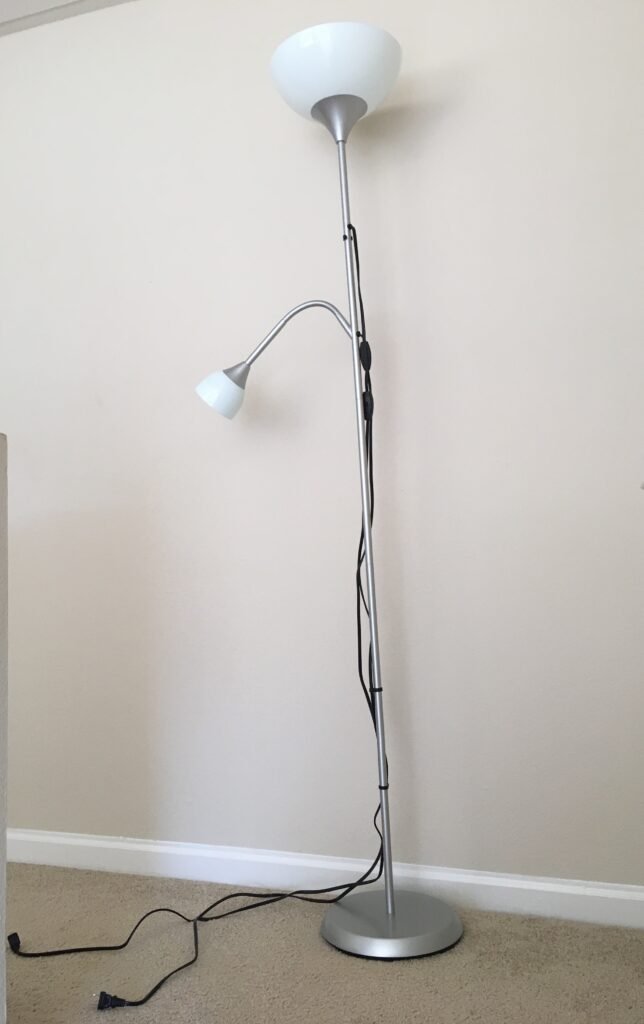
4. A Floor Lamp Behind Your Reading Chair
A tall floor reading lamp placed just behind and beside an armchair is my favorite living room setup. The light falls over your shoulder onto the page, your hands stay free, and the room keeps a warm glow. Look for a lamp with an adjustable head or a separate reading arm, so you can point the beam down at the book instead of washing the ceiling. A heavier base matters here, because a floor lamp near a chair gets bumped. This idea works well in a corner that otherwise stays dark in the evening.
5. An Arc Lamp Over a Corner Chair
An arc lamp curves out from its base and hangs its light over your chair, which feels generous and a little dramatic. It suits a living room corner where a table lamp would look lost. The arc also lets you read without a side table, since the light comes from above and slightly in front of you. I would keep the shade simple and the bulb warm, so the arc reads as a calm reading spot rather than a spotlight. Make sure the base can sit flat and stable on your floor, and leave room to walk around it.
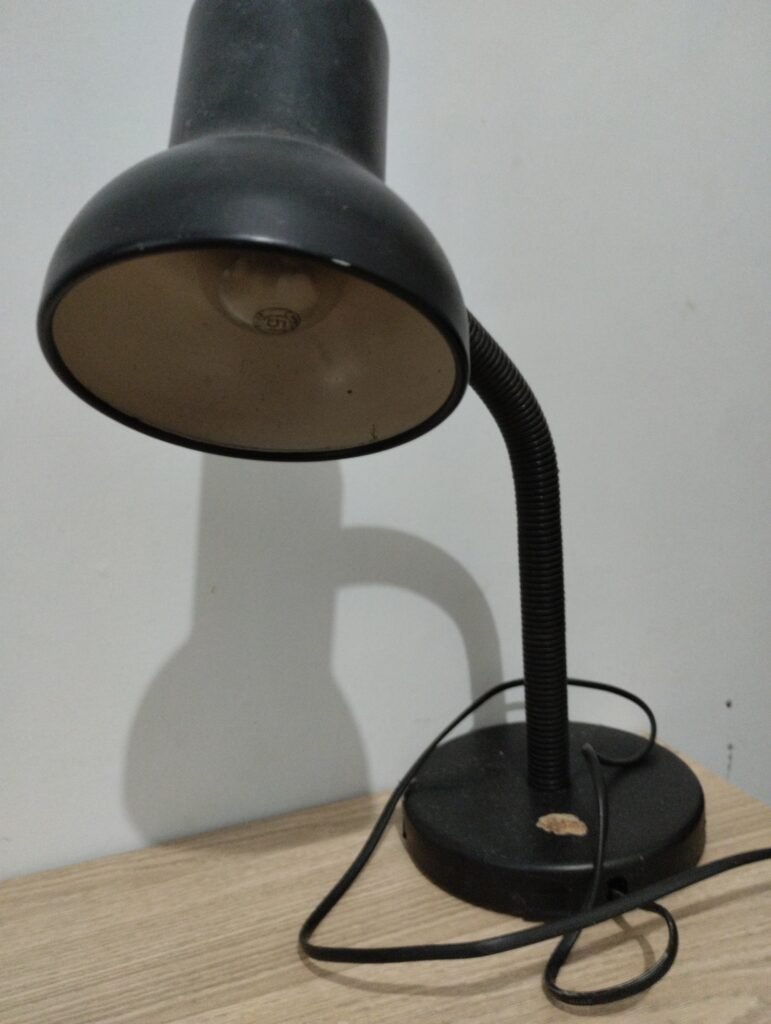
6. A Gooseneck Desk Lamp for Focused Reading
When I read at a desk, a gooseneck reading lamp wins for control. You bend the neck until the light lands exactly on the page, and the rest of the desk stays in softer light. This is ideal for study notes, cookbooks propped open, or a paperback you want to finish without glare. A matte black or brushed metal finish keeps the look simple. Choose a head that does not wobble once you set it, and a base heavy enough that the lamp stays put when you adjust it.
7. A Banker’s Lamp for a Traditional Desk
A banker’s reading lamp, with its green glass shade and brass base, gives a desk a settled, old-library feel. The shade directs light down in a tidy rectangle, which suits a desk where you read papers or a hardcover. I like this style in a home office or a wood-paneled corner. It is not the brightest option, so pair it with soft room light if you read for long stretches. The charm here is the shape and the warm, even pool of light on the work surface.
8. A Pharmacy Floor Lamp for a Tight Corner
A pharmacy reading lamp is tall and slim, with a small adjustable shade that you can raise, lower, and tilt. It tucks into narrow spots beside a chair or a bed where a wider lamp would crowd the room. I have used one in a hallway reading nook, and the slim profile made the corner feel planned rather than squeezed. The adjustable height is the real benefit: you can set it for a low chair one week and a taller bed the next without buying a new lamp.
9. A Pair of Matching Bedside Lamps
Two matching reading lamps, one on each nightstand, give a bedroom a calm, balanced look and solve the two-reader problem. Each person gets their own light, their own switch, and no argument about brightness. I keep the shades the same size and the bulbs the same warmth, so the room feels even when both lamps are on. If only one of you reads at night, the other lamp can stay off or sit at its lowest dim setting. Matching pairs also make a bed feel finished, even in a simple room.
10. A Warm Paper Shade Lamp for Soft Evening Light
A paper shade reading lamp spreads light gently and makes a room feel softer at night. I reach for this style when I want the bedroom to feel calm and the light to feel less direct. Paper shades work best with warm bulbs and a dimmer, because they can look washed out under very bright light. Keep the shade away from high heat bulbs and follow the maker’s bulb guidance. The effect is a glowing, paper-lantern feel that suits a relaxed bedroom or a reading corner with soft textiles.
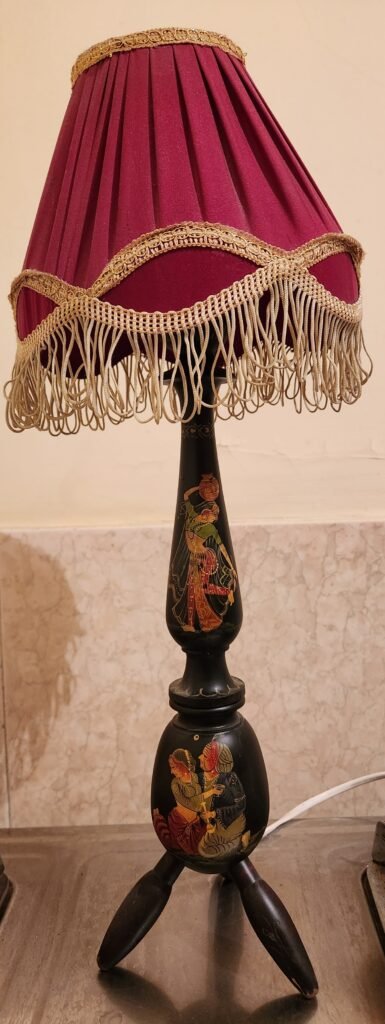
11. A Wooden Base Lamp for a Warm Bedroom
A wooden base reading lamp brings warmth that metal and glass sometimes miss. In a bedroom with wood furniture, a turned wood base or a simple oak stem ties the lamp to the rest of the room without trying too hard. I pair a wood base with a plain linen shade so the lamp looks calm rather than busy. This style suits a bedroom with natural textures, like cotton bedding and a woven rug. The lamp becomes part of the room, not a bright object sitting on top of it.
12. A Small Lamp for a Window Seat
A window seat is a lovely daytime reading spot that turns dark early in winter. A small reading lamp on the seat’s end shelf, or a tiny clip lamp on the frame, keeps the spot usable after sunset. I keep the lamp small here, because the seat is already a cozy, enclosed space. A warm, low light preserves that feeling. If the seat has storage below, a battery or rechargeable lamp can avoid a trailing cord across the cushion.
13. A Rechargeable Book Light for Travel Reading
For travel, a small rechargeable book light clips to the cover and lights only the page. I pack one for planes, hotels, and guest rooms where the bedside light is too dim or too far away. It will not replace a proper lamp at home, but it keeps reading comfortable when you are away. Look for adjustable brightness and a warm setting, and charge it before a trip. This is also a kind way to read in a shared room without waking anyone else.
14. A Drum Shade Floor Lamp for the Living Room
A large drum shade on a floor reading lamp gives a living room a soft, even glow and a clear reading zone. The shade spreads light in all directions, so the chair feels lit without a hard beam. I like this in a family room where the lamp also serves as general evening light. Choose a shade that is not so large that it blocks sight lines across the room. A simple fabric shade in a neutral color keeps the focus on the chair and the book.
15. A Shelf Lamp for a Reading Nook
If your reading spot is a built-in nook or a bookshelf corner, a small lamp on the shelf above or beside you can do the job without taking floor space. I have seen this work well in a hallway nook with a cushion and a stack of paperbacks. The lamp should sit close enough that light reaches the page, but not so close that the shade heats the shelf. A small, shaded lamp with a warm bulb turns an overlooked corner into a place you actually use.
How to Place Your Lamp for Comfort
Placement is where most reading setups go wrong, and it is easy to fix. Sit in your usual reading spot, hold your book where you normally hold it, and check where the light lands. If your head or hand casts a shadow on the page, move the lamp to the other side or a little higher.
For right-handed readers, light from the left often works well; for left-handed readers, light from the right can reduce hand shadows. In bed, aim for the shade to sit near shoulder height and slightly behind you. In a chair, a lamp behind and to one side usually beats a lamp directly in front of you, which can shine in your eyes. Test the setup at night, in the dark, before you decide it works.
Common Mistakes to Avoid
The most common mistake is buying for looks alone and finding the light too dim or too glaring at night. A second mistake is placing the lamp too low, so the bulb shines straight into your eyes, or too far away, so you lean forward to read. A third mistake is mixing very cool and very warm bulbs in the same room, which can make the space feel uneven.
A fourth mistake is skipping a dimmer: one fixed brightness rarely suits both a bright evening and a sleepy last chapter. A fifth mistake is forgetting the cord path, which can leave a cable across a walkway or dangling where it gets pulled. Finally, do not hide the switch in a hard-to-reach spot; a lamp you cannot switch off easily will stay on, or stay unused.
Reading Lamp Ideas at a Glance
| Spot | Best lamp style | Why it works |
|---|---|---|
| Bedside | Table lamp or swing-arm wall lamp | Light close to the book, nightstand stays usable |
| Reading chair | Floor lamp with adjustable head | Light over the shoulder, no table needed |
| Desk | Gooseneck or banker’s lamp | Focused light on the page or papers |
| Small room | Clip-on or pharmacy lamp | Saves table and floor space |
| Travel | Rechargeable book light | Lights only the page, packs light |
Frequently Asked Questions
How bright should a lamp for reading be?
Bright enough that you can read small print without strain, but not so bright that the page glares. A dimmer helps a lot, because the right level changes with the room, the time of day, and how tired your eyes feel. Start at a middle setting and adjust until the page looks clear and the surrounding room feels calm.
Is warm or cool light better for reading at night?
I prefer warm light at night because it feels calmer and matches the rest of the evening room. Cool light can feel alert and clinical in a bedroom. For daytime desk reading, a slightly cooler light can feel clearer. The best choice is a lamp that lets you change the tone, or a warm bulb you already like.
Where should I put a lamp when I read in bed?
Place it beside the bed, with the shade near shoulder height when you sit up, and slightly behind you rather than in front of your face. That position lights the page without shining in your eyes or your partner’s eyes. A swing-arm wall lamp works well if your nightstand is small.
Can a floor lamp work as a reading light?
Yes, if the head adjusts and the lamp sits close behind or beside your chair. A fixed uplight that only washes the ceiling will not light a page well. Look for a floor lamp with a reading arm or a tilting head, and test it from your chair before you settle on it.
What shade shape is best for reading?
A shade that directs light downward and spreads it over both pages works best. Drum and empire shades do this well. Very narrow shades can create a small, harsh pool, while a fully open shade can glare. Linen and cotton shades soften the light without cutting it too much.
Do I need a dimmer?
You do not strictly need one, but I recommend it. A dimmer lets one lamp serve a bright evening chapter and a sleepy final page. It also helps when two people share a room and one wants to sleep while the other finishes a chapter.
How do I stop glare on glossy pages?
Move the lamp so light hits the page at an angle rather than straight on, and lower the brightness a little. A shaded lamp aimed from the side usually cuts glare better than a bare bulb above the book. Matte paperbacks glare less, but angle and dimming fix most glossy-page problems.
What should I check before buying?
Check the height against your chair or bed, the shade size, the switch type, and whether the bulb is included and easy to replace. Measure your nightstand or the space beside your chair, and picture the lamp at night, not just in a bright store. A quick check now saves a return later.
Final Thoughts
The best reading setup is the one you forget about while you read. Pick a lamp that fits your seat, aim it so the page is clear, and keep the light warm and adjustable. You do not need the most expensive lamp in the store. You need steady light in the right place, a switch you can reach, and a shade that does not glare. Start with one spot, fix the placement, and the habit of nightly reading gets much easier to keep.
Also Read: 15 Modern Table Lamps That Make a Room Look Finished
Also Read: 15 Small Table Lamps That Fix Dark Corners Fast
Also Read: 15 Home Library Ideas for a Cozy Reading Retreat

Founder of NestFlavors — sharing tested recipes and honest home ideas, made for real life.