
I bought my first good vase by accident, at a small pottery stall, and it changed how my living room felt. It was not fancy, and it was not large, but the soft glaze caught the light every morning, and suddenly a few grocery-store stems looked like a real arrangement. That is the quiet power of ceramic vases: they add shape, color, and texture even when they hold nothing at all. In this guide, I share 15 ceramic vases ideas that work in real homes, from tall floor pieces to tiny bud vases, so you can pick pieces that suit your rooms, your stems, and your budget.
How to Choose Ceramic Vases That Suit Your Home
Before you buy, look at the room first. A tall, narrow vase suits a console or a corner that needs height, while a short, round vase works better on a coffee table where people need to see across it. Think about weight too. Ceramic is heavier than glass, which helps top-heavy stems stay upright, but a very large piece can be hard to move when you clean. Check the opening as well: a wide mouth suits full bouquets, and a narrow neck holds a few stems in place without extra fuss.
Color is where many people get stuck. If your room already has a lot of pattern, a plain white, cream, or stone vase will calm things down. If your room feels plain, a glazed blue, green, or terracotta piece can carry the whole display. I like to keep one neutral vase for everyday stems and one bolder piece for days when I want the vase itself to be the star. For background on how ceramic is made and glazed, Britannica’s guide to ceramics is a clear place to start.
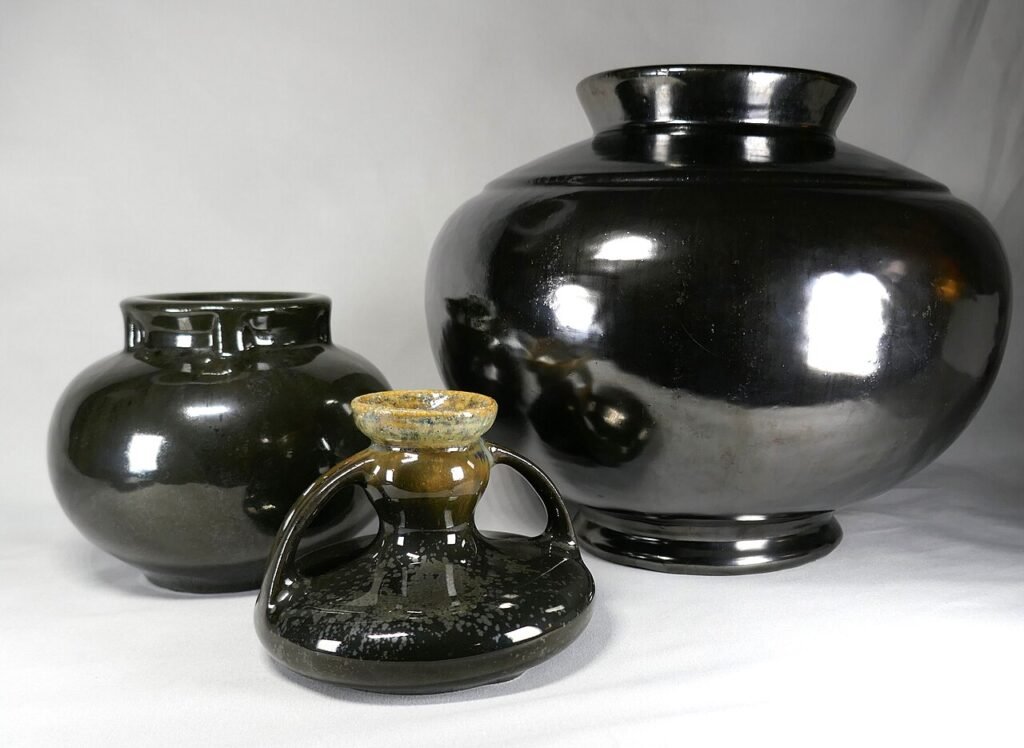
Stems matter just as much as the vase. Long branches need a tall, stable base. Short, soft flowers like ranunculus or sweet peas look best in a low, wide shape where they can spill a little. Dried stems, pampas grass, and eucalyptus need no water at all, so you can use a vase with a narrow neck or even a piece you would rather not fill with water. When you match stem length to vase height, the whole arrangement looks calm instead of crowded.
15 Ceramic Vases Ideas for Every Room
Use this list as a starting point, not a shopping list. Pick the two or three ideas that fit rooms you actually live in, and let the rest wait until you have a spot that needs them.
1. A Tall White Vase for the Entryway Console
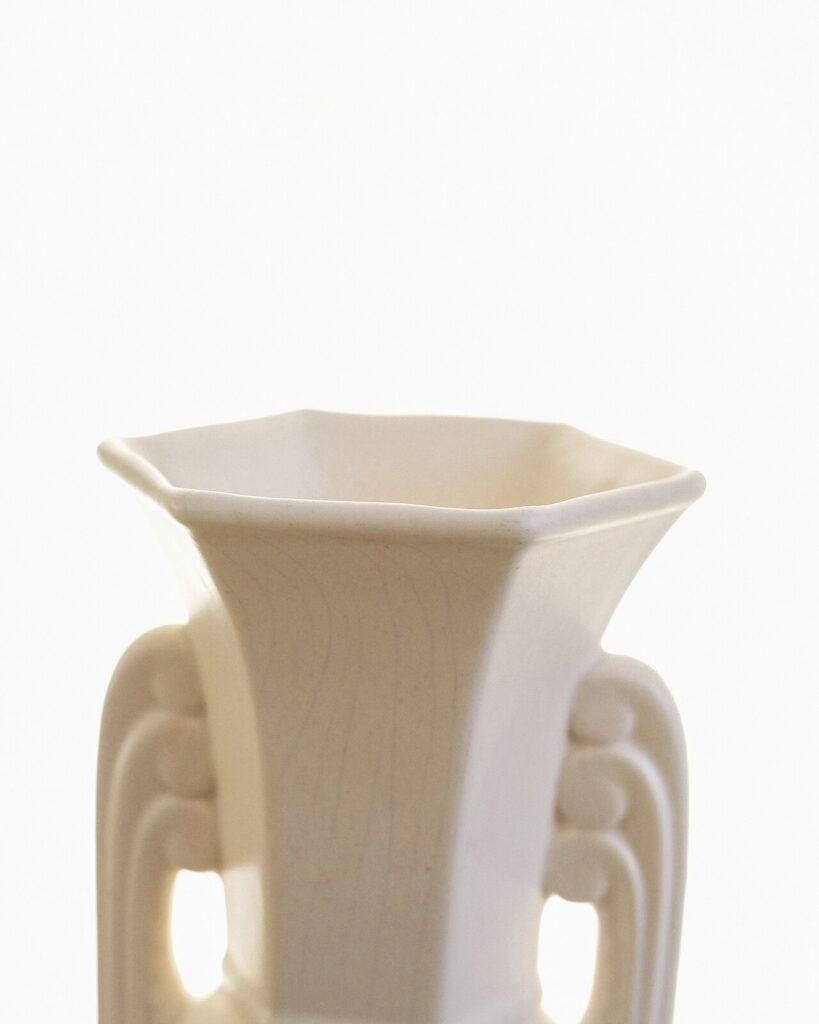
A tall white vase gives an entryway instant polish without shouting for attention. Place it at one end of the console, add three or four long branches, and leave the other end clear for keys and mail. White works with almost any wall color, and the height draws the eye up, which makes a narrow hall feel taller. If your console is dark wood, white ceramic gives a clean contrast that still feels warm.
2. A Pair of Matching Vases on the Mantel
Pairs feel settled and calm on a mantel. Choose two vases in the same glaze but different heights, put one on each side, and keep the middle simple with a mirror or a framed print. You can fill one with stems and leave the other empty, which sounds odd but looks planned rather than unfinished. Swap the stems with the seasons, and the mantel gets a fresh look without new furniture.
3. A Rustic Terracotta Vase for Dried Stems
Terracotta has a warm, earthy tone that suits dried wheat, bunny tails, and pampas grass. The rough texture pairs well with linen, wood, and woven baskets, and dried stems last for months, so this is a low-effort display. Keep it away from damp spots, since unglazed clay can mark surfaces, and set it on a small tray or coaster to protect the table.
4. A Blue Glazed Vase as a Living Room Accent
When a living room leans neutral, a blue glazed vase adds color in one controlled spot. Cobalt feels bold and classic, while a softer blue glaze feels relaxed and coastal. Try it on a side table next to a chair, with just a few stems, so the color reads as a choice rather than clutter. Blue also pairs well with cream sofas, oak floors, and brass details.
5. A Small Bud Vase for the Bedside Table
A bud vase holds one or two stems, which is perfect for a bedside table where space is tight. I keep one by my bed with a single rose or a sprig of eucalyptus, and it makes the whole room feel cared for. Choose a shape that will not tip easily if you reach for a glass of water at night, and change the water often so the stem stays fresh.
6. A Sculptural Vase That Stands Empty
Some vases are beautiful enough to stand alone. A sculptural piece with an unusual curve, a matte finish, or a hand-formed rim works like a small piece of art on a shelf or a sideboard. Do not feel you must fill every vase. An empty sculptural vase gives the eye a place to rest, and it lets the shape and glaze do the talking.
7. A Cluster of Three Vases on a Coffee Table
Groups of three look natural and easy to style. Use one tall, one medium, and one short vase in the same color family, and place them slightly off-center on a tray. Fill only one or two, and leave the smallest empty. The tray keeps the group together and protects the table, and you can lift the whole display away when you need the surface for board games or dinner.
8. A Wide Bowl Vase for Short Spring Flowers
Short spring flowers like tulips, daffodils, and hyacinths open wide and flop in tall vases. A wide, low bowl vase holds them at a height where you can enjoy the blooms up close. This shape also works well as a dining table centerpiece, since guests can still see each other across it. Keep the stems trimmed so the heads sit just above the rim.
9. A Speckled Stoneware Vase for a Kitchen Shelf
Speckled stoneware feels at home in a kitchen, where it echoes handmade mugs and cutting boards. Put one on an open shelf with a few herb stems or a small bunch of market flowers, and the shelf looks styled without feeling staged. Stoneware is sturdy, so it handles daily kitchen life well, but wipe drips off the shelf right away to avoid water rings.
10. A Tall Floor Vase for an Empty Corner
An empty corner can make a room feel unfinished. A tall floor vase with long branches fills that space without adding furniture. Choose a base wide enough to stay steady, especially if you have pets or kids running past. Tall grasses or faux branches work well here, since you will not need to climb up to change water every few days.
11. A Matte Black Vase for a Modern Room
Matte black ceramic looks sharp in a modern room with clean lines and simple furniture. It pairs well with white walls, pale wood, and a single bold stem like a calla lily or a long branch. Because black can feel heavy, keep the rest of the display light: one vase, one stem type, and plenty of empty space around it. The contrast does the work.
12. A Hand-Painted Vase for a Bathroom Vanity
A small hand-painted vase brings charm to a bathroom vanity, where most items are plain and practical. Use it for a few faux stems or a single fresh flower, since bathrooms can be humid and fresh stems fade fast there. Pick a glazed finish that wipes clean easily, and keep the vase away from the direct splash zone by the tap.
13. A Green Glazed Vase for a Plant-Filled Room
If you already love plants, a green glazed vase ties the whole room together. It echoes leafy greens without competing with them, and it looks good with both fresh cuttings and dried stems. Try a sage or moss green in a room with lots of wood, and a deeper forest green in a room with white walls and black frames.
14. A Vintage-Style Vase for a Reading Nook
A reading nook deserves something with character. A vintage-style vase with a soft glaze, a gentle crackle, or an old-fashioned shape adds warmth to a chair, a lamp, and a stack of books. You do not need a rare antique; a new vase with a classic shape gives the same feeling. Keep the stems simple so the nook stays calm and easy to sit in.
15. A Set of Mini Vases for a Windowsill
Mini vases are my favorite way to use single stems and garden cuttings. Line three or four along a windowsill, each with a different flower, and the light through the glass and glaze makes the whole sill glow. This is also a good use for small vases you already own but never quite knew where to put. Rotate the flowers as they open and fade.
Styling Tips That Make Ceramic Vases Look Their Best
Odd numbers tend to look more relaxed than even ones, so groups of one, three, or five usually work better than pairs, except on a mantel where symmetry helps. Give each vase breathing room. When vases crowd each other, the display reads as storage rather than styling, so leave a hand’s width between pieces when you can. Step back and look from the doorway, since that is how guests will see the room.
Change the water for fresh stems every two or three days, and trim the stems at an angle each time you refresh them. For dried stems, a quick shake outside keeps dust down. If a vase has a narrow neck, a small piece of floral tape across the mouth in a grid can hold stems upright without showing. Clean ceramic with warm soapy water and a soft cloth, and avoid harsh scrubbers on matte glazes, which can scuff.
Where to Put Ceramic Vases So They Get Used
A vase that lives in a cupboard does no one any good, so give your ceramic vases a home in rooms you pass through every day. The entryway is an easy win, since you see it coming and going, and a single stem there sets the tone for the whole house. A kitchen windowsill is another good spot, because you stand there while cooking and a small vase makes a working room feel pleasant. In a bedroom, one vase on a dresser beats a crowded shelf, since you notice it first thing in the morning.
Think about light as well. Glazed ceramic vases shine in a spot that gets soft daylight, while matte finishes look best where the light is gentle and even, so their texture shows without glare. Avoid placing a tall vase right beside a door that swings open, and keep delicate pieces out of narrow walkways where a bag or an elbow can catch them. If you have a favorite piece you worry about, put it on a sturdy sideboard rather than a wobbly plant stand, and let it be the one display you never have to move.
Finally, rotate your ceramic vases instead of buying more. Move the blue vase from the living room to the bedroom for a month, swap the terracotta piece onto the dining table for a dinner party, and bring the white vase back to the entryway when guests visit. Rotation makes old pieces feel new again, and it helps you learn which rooms suit which shapes. Over time, you will know at a glance which vase belongs where, and your home will look styled without feeling like a shop window.
Common Mistakes to Avoid
The most common mistake is buying a vase for the flowers instead of the room. A beautiful vase that fights your wall color or your furniture will sit in a cupboard, no matter how lovely it looked in the shop. Another common mistake is choosing a vase that is too tall for the table, so guests have to talk around it at dinner. Measure the space first, and remember that stems add height on top of the vase.
People also overfill vases, packing in so many stems that none of them can breathe. Fewer stems, well placed, almost always look better. On the practical side, do not put a valuable unglazed vase on a wooden surface without a coaster, and do not leave water sitting in a vase for weeks. Stale water smells, stains the inside, and shortens the life of fresh stems.
Summary Table: Ceramic Vases at a Glance
| Idea | Best Room | Best Stems |
|---|---|---|
| Tall white vase | Entryway | Long branches |
| Matching mantel pair | Living room | Seasonal stems |
| Terracotta vase | Cozy living spaces | Dried stems |
| Blue glazed vase | Living room | A few fresh stems |
| Bud vase | Bedroom | One or two stems |
| Sculptural vase | Any shelf or sideboard | None, or one stem |
| Cluster of three | Living room | Mixed short stems |
| Wide bowl vase | Dining room | Short spring flowers |
| Speckled stoneware | Kitchen | Herbs and market flowers |
| Tall floor vase | Empty corner | Tall grasses |
| Matte black vase | Modern rooms | One bold stem |
| Hand-painted vase | Bathroom | Faux or single stems |
| Green glazed vase | Plant-filled rooms | Cuttings and dried stems |
| Vintage-style vase | Reading nook | Simple stems |
| Mini vases | Windowsill | Single garden stems |
Frequently Asked Questions
Are ceramic vases better than glass vases?
Neither is better in every case. Ceramic hides stems and water, adds color and weight, and suits rooms where you want the vase to be part of the decor. Glass shows the stems and water, which suits a light, airy look. I use ceramic when I want color or stability, and glass when the stems themselves are the feature.
How do I keep a ceramic vase from tipping over?
Choose a vase with a base that is wide for its height, and keep tall stems trimmed so the arrangement is not top-heavy. For a very tall piece, add a few clean stones at the bottom for weight, and place it where it will not be brushed by passing traffic or a swinging door.
Can I put fresh flowers in any ceramic vase?
Most glazed ceramic vases hold water well, but unglazed or cracked pieces may leak or absorb water. If you are unsure, test the vase over a sink first, or use a small glass liner inside it. Dried stems are a safe choice for any vase you do not want to fill with water.
How do I clean a ceramic vase?
Rinse it with warm water and mild soap, and use a bottle brush for narrow necks. For mineral marks inside, soak the vase in warm water with a little white vinegar, then rinse well. Dry it fully before storing, since trapped damp can leave a musty smell.
What size vase do I need for a standard bouquet?
For a shop bouquet, a vase about one-third to one-half the height of the stems usually looks balanced. Trim the stems so the blooms sit above the rim, and remove any leaves that would sit below the water line, since they cloud the water fast.
Do ceramic vases work in small rooms?
Yes, and they can help a small room feel finished. Use one or two smaller pieces rather than a large floor vase, and pick a color close to your wall color so the vase blends in. A bud vase or a mini vase adds charm without taking up surface space you need.
How do I style ceramic vases with different finishes?
Mixing finishes works when one element stays consistent, such as the same color family or a similar shape. A matte vase next to a glossy one looks planned if both are cream or both are rounded. If every piece is a different color, shape, and finish, the group can look scattered, so pick one thread to tie them together.
Can I use ceramic vases outdoors?
You can, but bring them in during frost, since freezing water can crack ceramic. Glazed pieces handle a covered porch well, while unglazed terracotta absorbs rain and may stain. For a patio display, dried stems or faux stems avoid the water problem entirely.
Final Thoughts
The best vase is the one you actually use, not the one that looks perfect in a photo. Start with one neutral piece and one color you love, try them in different rooms, and notice where they make you smile when you walk past. Ceramic vases are forgiving that way: move them, swap the stems, leave one empty, and the room still feels cared for. I hope these 15 ideas give you a place to start, and that your next bunch of flowers finds a home worthy of it.
Also Read: 15 Stunning Floor Vase Ideas That Make Rooms Feel Taller
Also Read: 15 Kitchen Counter Decor Ideas for a Tidy Kitchen
Also Read: How to Style a Coffee Table Without the Clutter: 7 Best Tips

Founder of NestFlavors — sharing tested recipes and honest home ideas, made for real life.