
My first small living room taught me a lesson fast: the wrong sofa can eat a whole room, while the right pieces can make the same room feel open and easy to live in. I bought a big, deep sofa because I liked how it looked in the store, and then I spent months shuffling around it. When I finally swapped it for a slimmer frame, the room changed overnight. That is the heart of choosing furniture for small living room spaces: every piece has to earn its floor space.
Here are 15 furniture for small living room ideas, grouped by what they do: seating that fits, tables that work harder, storage that hides clutter, and pieces that make the room feel larger. Each idea includes concrete steps you can use while shopping or rearranging, so you can act on it this weekend.
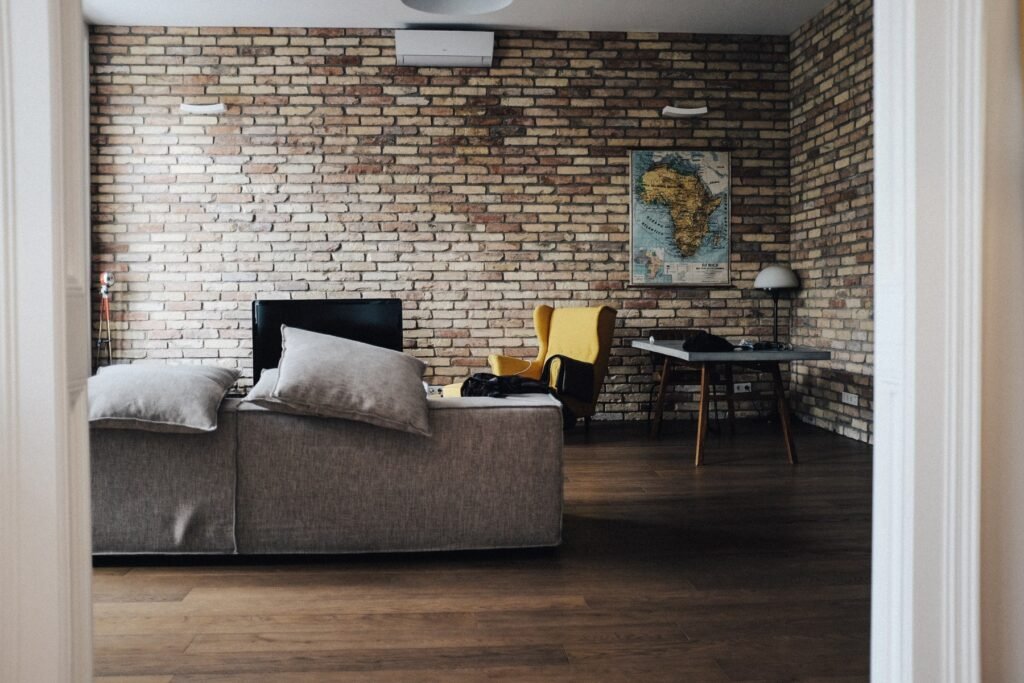
Seating Ideas: Furniture for Small Living Room Comfort
Seating is where small rooms go wrong most often. A sofa that is too deep, too long, or too tall blocks sightlines and walkways. Start here, and let the rest of the room follow.
1. A Slim Apartment Sofa
Look for a sofa between 72 and 78 inches long, with a seat depth around 21 to 22 inches and arms no wider than 6 inches. Measure your wall first, then leave at least 30 inches of walkway in front of the sofa. Raised legs help too, because you can see floor beneath the frame, which makes the room feel less crowded. Test the seat in person if you can: sit, lean back, and check that your feet still reach the floor. This one measurement check saves more furniture for small living room mistakes than any other step.
2. A Loveseat Instead of a Full Sofa
If your room is under about 12 feet wide, a loveseat may fit better than a three-seater. Place it against the longest wall, then add a single accent chair at an angle rather than a second sofa. You keep seating for three people without filling two walls with upholstery. I like this setup for renters, because a loveseat is also easier to move through narrow doorways and stairwells.
3. A Pair of Accent Chairs
Two small accent chairs can replace a bulky sofa in a very tight room, and they are easier to rearrange for guests. Choose chairs with open arms or armless frames, and keep the footprint under 30 inches wide each. Angle them slightly toward each other around a small table to create a conversation spot. When you need floor space, one chair can slide into a corner or a bedroom.
4. A Storage Ottoman
A storage ottoman works as a footrest, a coffee table, and a hiding spot for blankets, remotes, and board games. Pick one with a flat, firm top so a tray sits steady on it, and choose a size about two-thirds the length of your sofa. Store the items you reach for daily inside, and keep anything you rarely use elsewhere. If the ottoman has casters, you can roll it aside when you need open floor.
Also Read: 15 Boho Decor Ideas for a Warm, Relaxed Home
Smart Tables: Furniture for Small Living Room Layouts
Tables should serve more than one job in a small room. The best ones fold, nest, lift, or tuck away when you are done with them.
5. A Nesting Coffee Table Set
Nesting tables give you a full coffee table when guests visit and a single small table the rest of the time. Slide the smaller tables underneath the main one, and pull one out only when you need a spot for a drink. Choose round or oval tops if your walkways are tight, because curved edges are kinder on shins and leave a little more passing room. Keep the main table low and light in color so it does not visually block the sofa. That low profile is a quiet furniture for small living room win: the room keeps its sightlines even when the table is fully extended.
6. A C-Shaped Side Table
A C-shaped side table slides its base under the sofa, so the top hovers right where you need it for a book, a phone, or a cup of tea. It takes up almost no floor space of its own, which makes it ideal next to a loveseat or an armchair. I keep one on each side of my reading chair: one for a lamp, one for whatever I am reading. Measure your sofa seat height first so the table top lands a few inches above the cushion.
7. A Lift-Top Coffee Table
A lift-top coffee table raises its surface to lap height, so you can eat, work, or play a game without hunching over. Inside, it usually hides a shallow compartment for laptops, chargers, and magazines. When you shop, lift the top fully and check that it stays steady and does not wobble. This piece works best if you often eat dinner in the living room or work from the sofa.
8. A Wall-Mounted Drop-Leaf Table
A drop-leaf table mounts to the wall and folds down when you need it, then folds flat when you do not. Use it as a desk, a dining spot for two, or a place to wrap gifts. Mount it at standard table height, about 30 inches, and add two folding chairs that hang on nearby hooks. I have seen this setup rescue a studio apartment, because the whole dining area disappears into a few inches of wall.
Also Read: 15 Bookshelf Decor Ideas for Shelves That Look Styled
Storage That Disappears: Furniture for Small Living Room Clutter
Clutter makes a small room feel smaller than it is. Storage pieces that blend into the wall or double as seating keep the room calm without adding bulk.
9. A Tall, Narrow Bookshelf
A tall bookshelf uses vertical space that often goes to waste. Choose a shelf no wider than 24 to 30 inches, anchor it to the wall for safety, and leave the top shelf for lighter items so the piece does not feel top-heavy. Mix books with a few baskets on the lower shelves to hide cables, games, and chargers. A light-colored frame against a light wall reads as part of the room rather than a heavy block, which is exactly the effect good furniture for small living room storage should give.
10. A Media Console with Closed Doors
Open shelves show every cable and device, which adds visual noise in a small room. A low media console with closed doors hides the mess and keeps the television at a comfortable viewing height. Measure your TV and your components before buying, and leave a few inches of airflow behind the doors. A console that spans about two-thirds of the wall under the TV usually looks balanced without overwhelming the room.
11. A Storage Bench by the Window
A storage bench under a window gives you a seat, a reading nook, and a place for out-of-season blankets or kids’ toys. Build or buy one that fits the window width exactly, so it looks built in rather than squeezed in. Add a cushion in a washable fabric and a couple of throw pillows, and keep the inside organized with small bins. This is one of my favorite pieces, because it turns a dead spot into the coziest seat in the room.
12. Floating Shelves Instead of a Bookcase
Floating shelves hold books, plants, and framed photos without touching the floor at all. Install two or three shelves above a sofa or beside the television, spacing them about 12 to 15 inches apart. Keep the shelves shallow, around 8 to 10 inches deep, so they do not jut into walkways. Anchor every shelf into studs, especially if you plan to load it with books, and leave some empty space so the display breathes.
Also Read: 15 Bedroom Wall Art Ideas for a Calm, Beautiful Room
Pieces That Open Up the Room
These last ideas do not add seating or storage. They change how big the room feels, which can matter just as much in a tight space.
13. A Light-Colored, Low-Profile Sofa
A low-back sofa in a pale fabric lets your eye travel past it to the wall and window beyond, which makes the room feel wider. Keep the back height under 32 inches if you can, and avoid tall, rolled arms that add visual weight. If you worry about stains, choose a washable slipcover or a performance fabric, and add color with pillows and a throw you can swap by season. In my experience, this is the most forgiving furniture for small living room choice for families and pet owners.
14. A Glass or Acrylic Coffee Table
A glass-top coffee table holds drinks and books without blocking the view of the rug and floor beneath it. That see-through quality is useful in a small room, because the floor reads as one continuous surface. Choose tempered glass with rounded corners for safety, and keep the base slim. If glass feels too bare, add a tray on top to corral remotes and coasters into one tidy spot.
15. A Full-Length Mirror on a Stand or Wall
A large mirror reflects light and the opposite wall, which can double the sense of depth in a small living room. Lean a full-length mirror against the wall opposite a window, or hang one above a console, and keep the frame thin and simple. Angle it slightly so it reflects a pleasant view, not a cluttered corner. I treat a mirror as furniture here, because in a small room it does as much work as a chair.
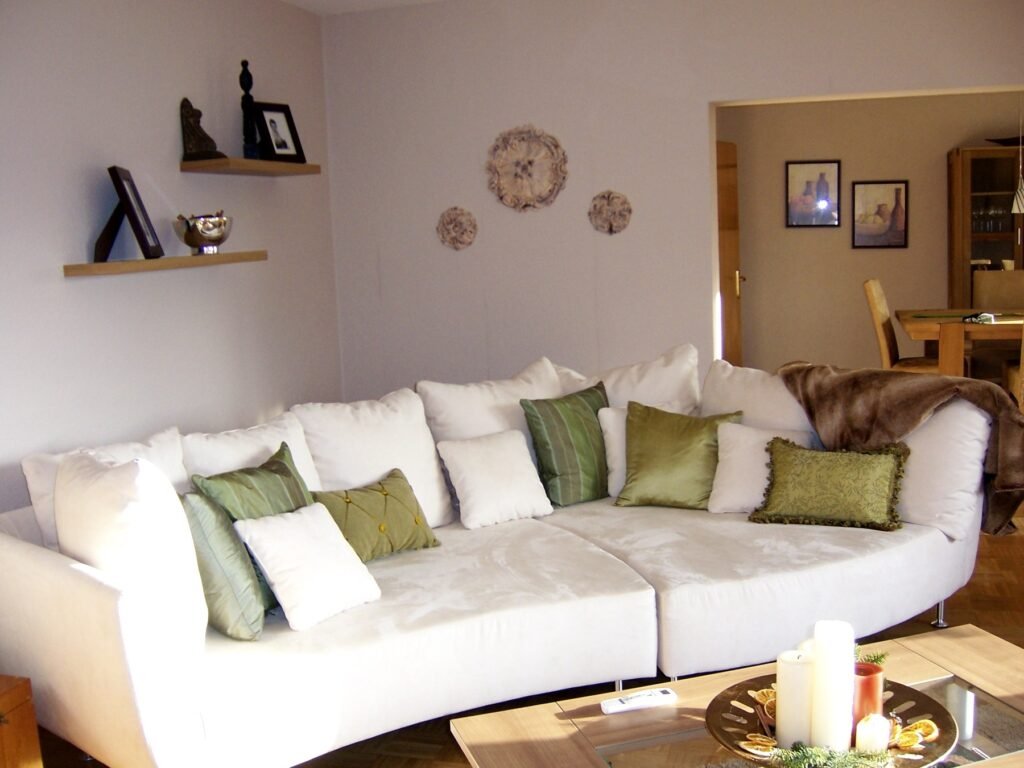
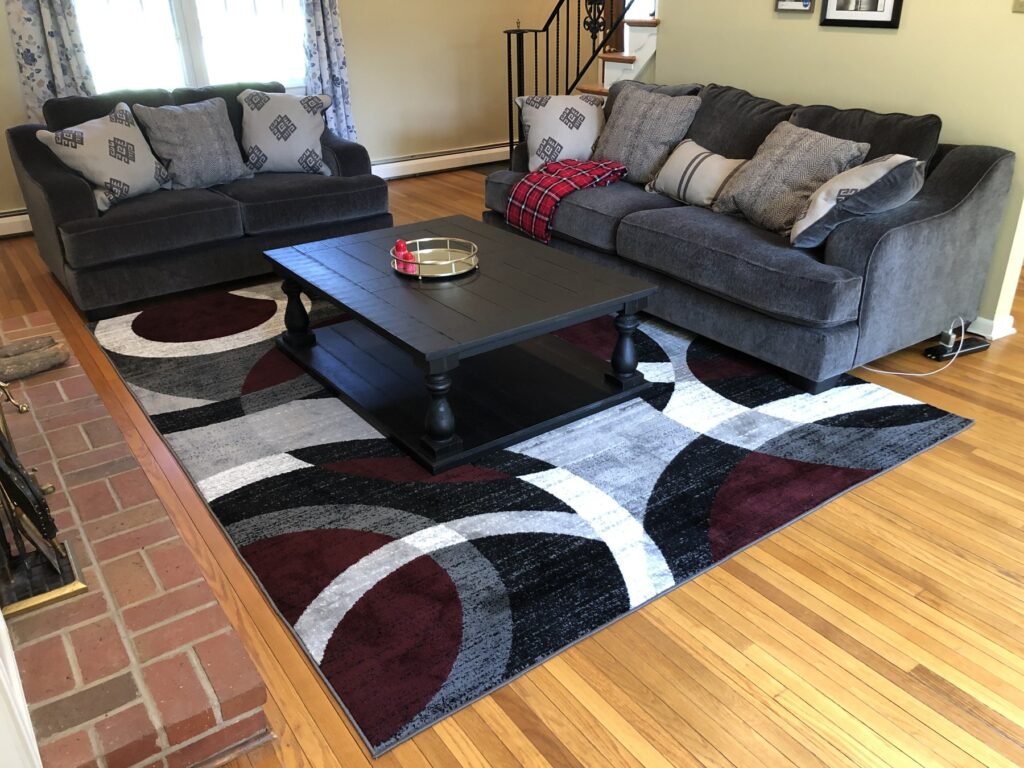
Common Mistakes to Avoid
Most furniture for small living room regrets come from buying too big, too tall, or too dark. These five fixes cover the mistakes I see most often.
Buying the sofa before measuring. A sofa that looks right in a showroom can swallow a small room at home. Fix: tape the footprint on your floor with painter’s tape, then live with the outline for a day and check every walkway before you order.
Pushing everything against the walls. It feels logical, but it can leave a dead zone in the middle and make conversation awkward. Fix: pull seating a few inches off the wall when you can, and anchor the group with a rug so the arrangement feels intentional.
Choosing one huge storage piece. A single oversized cabinet can dominate the room and still leave awkward gaps. Fix: split storage into a tall narrow shelf, a console with doors, and a storage ottoman, so no one piece carries all the visual weight.
Blocking the window with tall furniture. Tall bookcases beside a window cut light and make the room feel closed in. Fix: keep tall pieces on solid walls, and use low benches or floating shelves near windows instead.
Skipping a rug, or picking one that is too small. A tiny rug floats in the middle of the room and chops up the floor. Fix: choose a rug large enough for the front legs of your sofa and chairs to sit on it, so the seating group reads as one zone.
Furniture for Small Living Room Spaces at a Glance
| Piece | Why It Works | Watch Out For |
|---|---|---|
| Slim apartment sofa | Fits without blocking walkways | Seat depth over 23 inches |
| Loveseat | Seats three on one wall | Pairing it with a second sofa |
| Accent chairs | Easy to rearrange | Chairs wider than 30 inches |
| Storage ottoman | Seat, table, and storage | A soft top that will not hold a tray |
| Nesting coffee tables | Expand only when needed | Sharp corners in tight walkways |
| C-shaped side table | Slides under seating | Wrong height for your sofa |
| Lift-top coffee table | Works for meals and laptops | A wobbly lifting mechanism |
| Drop-leaf wall table | Folds away flat | Weak wall anchors |
| Tall narrow bookshelf | Uses vertical space | Forgetting to anchor it |
| Media console with doors | Hides cables and devices | Poor airflow for electronics |
| Storage bench | Seat plus hidden storage | A width that does not fit the window |
| Floating shelves | No floor footprint | Shelves mounted without studs |
| Low-profile sofa | Keeps sightlines open | Tall arms that add bulk |
| Glass coffee table | Keeps the floor visible | Untempered or sharp-edged glass |
| Full-length mirror | Reflects light and depth | Reflecting a cluttered corner |
For background on how interior spaces are planned around light, scale, and use, Britannica’s interior design overview is a useful read.
FAQs
What size sofa is best for a small living room?
A sofa between 72 and 78 inches long, with a seat depth around 21 to 22 inches, suits most small rooms. Measure your wall and your walkways first, and tape the footprint on the floor before you buy.
Is a sectional ever a good idea in a small living room?
Yes, if it is a compact, apartment-sized sectional with a short chaise and slim arms. Measure carefully, keep one side open for a walkway, and skip the sectional if it forces you to block a door or window.
Should I choose a light or dark sofa for a small room?
Light colors usually make a small room feel more open, but a dark sofa can work if the walls, rug, and curtains stay light. If you love a dark frame, balance it with a light rug and low, open side tables.
How do I arrange furniture for small living room TV viewing?
Place the sofa directly opposite the TV, about 6 to 8 feet away for most living rooms, and keep the media console low. Angle one accent chair toward both the sofa and the screen, so guests can join the conversation without blocking the view.
What coffee table works best in a tight space?
Nesting tables, a C-shaped side table, or a glass-top table usually work best as furniture for small living room coffee tables. Each one keeps the floor visible or folds away, and none of them demands the full footprint of a large rectangular table.
How can I add storage without buying bulky cabinets?
Use a storage ottoman, a bench with bins inside, floating shelves, and a console with closed doors. Spreading storage across several slim pieces hides clutter without letting one cabinet dominate the room.
Can I fit a dining table in a small living room?
Yes, with a wall-mounted drop-leaf table or a small round table that seats two. Fold it away or push it against the wall when it is not in use, and store folding chairs on hooks nearby.
What is the biggest mistake people make with small living rooms?
The biggest mistake is buying oversized seating first and planning around it afterward. Measure the room, choose a slim sofa or loveseat that fits with clear walkways, and then add tables and storage to suit that layout.
Final Thoughts
Good furniture for small living room spaces does not ask you to live with less comfort. It asks each piece to do a little more: a sofa that fits, a table that folds away, a bench that hides blankets, a mirror that borrows light from the window. Start with seating, measure twice, and add one piece at a time. Your room will feel larger, calmer, and much easier to live in.

Founder of NestFlavors — sharing tested recipes and honest home ideas, made for real life.