
Bookshelf decor is what turns a wall of books into a room feature. I have styled shelves that looked like a storage unit and shelves that stopped guests mid-sentence, and the difference was never money.
It was balance: a mix of vertical books, horizontal stacks, breathing room, and a few objects that actually mean something. This guide gives you 15 ideas you can use today, with items you probably already own.
I also cover the angle most styling guides skip: safety and upkeep. A tall, loaded bookcase needs anchoring, and shelves collect dust fast, so this guide includes both before you start rearranging.
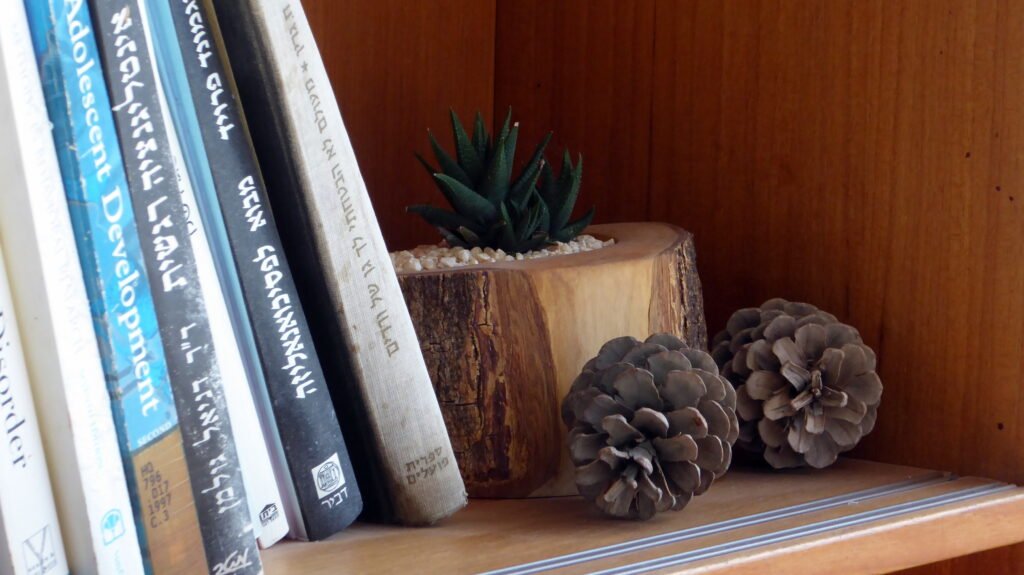
What Is Bookshelf Decor?
Bookshelf decor is the art of arranging books together with objects, plants, art, and lighting so a bookcase looks intentional rather than crammed. It covers what goes on each shelf, how items are grouped, and how much empty space is left on purpose.
Good bookshelf decor still lets you find and grab a book. If styling makes the shelf unusable, it has gone too far.
Why You’ll Love These Bookshelf Decor Ideas
- They cost little or nothing. Most ideas here use books, items, and plants you already have at home.
- They work on any bookcase. Built-ins, freestanding shelves, and small cube units all get options here.
- They are easy to change. Nothing is glued or fixed, so you can restyle a shelf in an afternoon.
- They keep books usable. Every layout here leaves books reachable and readable, not sealed behind objects.
- They suit any style. Minimal, rustic, traditional, and modern rooms all find ideas below.
- They make a room feel personal. Travel finds, photos, and favorite titles tell your story better than generic decor.
Start With a Strong Foundation
Every well-styled shelf starts the same way: empty it, clean it, and put the books back with a plan. That slow start is the core of good bookshelf decor, because it forces you to choose what earns a place instead of just refilling the shelf in the same order. I also use this reset to check for wobbly shelves, loose brackets, and books damaged by damp, since fixing those now beats restyling around them later. A solid, clean unit makes everything you add afterward look better. Skipping this step is why most shelves end up looking crowded instead of curated.
1. Empty the Shelf and Start Clean
Take everything off your shelves, yes, everything. A blank shelf shows you what you actually have, what no longer fits your style, and how much space each shelf really offers.
Wipe down the shelves and check the bones of the unit: shelf count, height, depth, and which shelf catches the eye first. That eye-level shelf is your feature shelf, so plan your best grouping there.
Try it: Clear one bookcase completely, dust it, and sort what comes off into keep, relocate, and donate piles before anything goes back.
2. Anchor Tall Bookcases Before You Style Them
A tall, fully loaded bookcase can tip, and that risk matters most in homes with kids or pets. Before you add a single vase, anchor the unit to the wall with the hardware it came with or a furniture strap.
Anchor into a stud where possible, and keep the heaviest books on the lowest shelves. That lowers the center of gravity and makes the whole unit steadier.
Try it: Put heavy hardcovers low, lighter paperbacks high, and check the anchor is snug before styling the top shelves.
3. Mix Vertical Rows With Horizontal Stacks
Shelves filled only with vertical rows look like a library aisle. Break them up with horizontal stacks of two to four books laid flat, which create platforms for small objects and give the eye a place to rest.
Vary the mix from shelf to shelf: some shelves mostly vertical, others anchored by a stack. Leave a bit of open space on each shelf so the arrangement can breathe.
Try it: On each shelf, pair one vertical run of books with one horizontal stack topped by a small object.
Use Books as Decor Themselves
Books are not just the background of bookshelf decor. Their colors, sizes, and covers are design tools in their own right, and using them well costs nothing. Think of the books as the main pattern of the shelf: the objects and plants only work when the books underneath them look considered. That means pulling spines forward to one neat line, grouping similar sizes where it helps, and letting a few beautiful covers do the talking instead of crowding every gap with small trinkets.
4. Group Books by Color for a Cohesive Look
Color-coding books creates a striking visual effect, especially in modern or minimalist rooms. Arrange spines in gentle color blocks rather than a strict rainbow, which can look forced.
In traditional or rustic rooms, grouping by topic or size often feels warmer and more authentic. Pick the system that matches your room, not the one trending online.
Try it: Try color blocks on one bookcase first, and live with it for a week before redoing the rest.
5. Face a Favorite Cover Outward
Displaying one book with its cover facing out breaks up rows of spines and draws attention to a title you love. It works best with a beautiful cover or a book that means something to you.
Use this sparingly, one or two covers per bookcase. More than that and the shelf starts to look like a shop display instead of a home.
Try it: Pick your favorite cover, lean it against the back of a shelf, and place a small object in front of it.
6. Vary Book Heights and Leave Breathing Room
Grouping books of similar heights together looks tidy, but mixing heights across shelves keeps the whole unit from looking rigid. A tall book next to a short stack adds movement.
Just as important is empty space. A shelf packed edge to edge reads as storage; a shelf with one open gap reads as styled. Aim for roughly a third of each shelf to stay open.
Try it: Pull one or two books off each crowded shelf and leave the gap empty on purpose.

Add Objects, Plants, and Texture
Objects soften a bookcase and give it personality. The rule of good bookshelf decor is restraint: a few well-chosen pieces beat a shelf crowded with small things. Tiny objects are the fastest route to visual clutter, so when a shelf feels busy, remove the smallest item first and step back. You will usually find the shelf improves at once, because the larger pieces finally have room to be seen.
7. Style in Groups of Three
Grouping items in odd numbers, especially threes, helps shelves feel balanced and natural. A stack of books plus a candle plus a small plant is a classic trio that rarely fails.
Vary the height and texture inside each group: tall, medium, and low pieces together move the eye around instead of letting it stall on one level.
Try it: Build one trio per shelf: a book stack, one tall item, and one small textured piece.
8. Add Greenery for Life and Color
Plants add dimension and color that books alone cannot. A trailing plant on a high shelf softens the shelf edge, while a small potted plant on a middle shelf adds a fresh focal point.
If your shelves get little light, use a faux plant or two rather than watching a real one fade. Space plants out sporadically instead of putting one on every shelf.
Try it: Place one trailing plant on the top shelf and one small potted plant at eye level, then stop.
9. Use Baskets and Boxes for Hidden Storage
Baskets and decorative boxes add texture and hide the less pretty stuff: chargers, remote controls, magazines, or books with worn covers. They also break up long runs of spines.
If you are short on space, put some books inside the boxes themselves. That trick frees a whole shelf while keeping the books close at hand.
Try it: Place one basket on a low shelf for everyday clutter, and keep the eye-level shelves for display.
10. Shop Your Home Before You Buy Anything
The most personal shelves are styled with items you already own: small vases, candles, picture frames, a vintage camera, a wooden box, or travel souvenirs like shells and stones.
Walk through your home with fresh eyes and gather candidates in one spot. You will be surprised how many pieces you forgot you had, and your shelves will look collected over time rather than bought in one trip.
Try it: Gather ten items from other rooms, then keep only the five that fit your shelf’s color palette.
Layer Art, Photos, and Light
Art and light are what lift a bookcase from tidy to striking, and they are the finishing layer of thoughtful bookshelf decor. Both are easy to add and easy to reverse, which makes them low-risk experiments. If a frame or a light does not work, you move it in minutes, unlike a painted back panel or a new bookcase. That reversibility is why I suggest trying art and light before any bigger change.
11. Lean Framed Art Against the Back of a Shelf
Leaning larger art and photos along the back of a bookshelf takes up visual space. For more layering ideas, see this guide to styling a bookshelf from Brooklinen, which covers mixing books with objects and greenery. and leaves room for smaller items in front. Mix orientations and sizes, and layer smaller frames in front of larger ones.
Keep frame colors within one palette so the grouping feels calm. A small photo placed on top of a book pile adds a personal touch without needing wall space.
Try it: Lean one medium frame at the back of your feature shelf, then place books and one small object in front of it.
12. Add Battery Puck Lights for a High-End Glow
A basic bookcase looks far more expensive with light. Wireless, battery-operated puck lights or a small picture light above the top shelf create a warm glow in the evening.
Light also makes the shelf usable at night, so you can actually find a book after dark. Stick-on lights mean no wiring and no damage to the unit.
Try it: Add one puck light to the underside of the top shelf and one to the feature shelf, then check the effect at night.
13. Paint or Paper the Back Panel for Contrast
Painting the back wall of a bookcase a contrasting dark color, or applying textured peel-and-stick wallpaper behind the shelves, makes books and objects pop.
This is a bigger commitment than moving objects, so test it on one unit first. A deep green or navy back panel with light books looks rich, while a soft neutral keeps things calm.
Try it: Try peel-and-stick paper first, since it removes cleanly if you change your mind.
Keep Shelves Livable Over Time
Styling is not a one-time job. Shelves drift back toward clutter unless you build in small habits that keep them looking good, and that upkeep is part of bookshelf decor, not an afterthought. Mail, chargers, and half-read books migrate to shelves by default, so give those strays a proper home elsewhere. When every item on a shelf is there on purpose, the shelf stays styled with far less effort.
14. Rotate Seasonally Instead of Restyling Constantly
A full restyle every few months is exhausting. Instead, swap just two or three items per season: pine cones and warm candles in winter, fresh greenery and light ceramics in spring.
Keep a small box of seasonal shelf pieces so swaps take ten minutes. The books stay put, and the shelf still feels fresh.
Try it: Pick three seasonal items to swap now, and store the outgoing pieces together in one labeled box.
15. Dust on a Schedule and Edit Ruthlessly
Shelves collect dust fast, and dusty shelves look tired no matter how well they are styled. A quick weekly pass with a microfiber cloth on the shelf edges and book tops keeps the whole unit looking sharp.
Each time you dust, remove one item that no longer earns its place. Shelves stay styled when editing is a habit, not a yearly event.
Try it: Set a weekly five-minute dusting routine, and remove one tired item each time you do it.
Common Mistakes to Avoid
Most bookshelf decor mistakes come from adding too much, too fast. These fixes keep your shelves calm and usable.
- Cramming every shelf full. The fix: leave about a third of each shelf open so the arrangement can breathe.
- Using only small objects. The fix: mix tall, medium, and low pieces so the eye moves up and down the shelf.
- Skipping the wall anchor. The fix: anchor tall units to studs and keep heavy books low before you style anything.
- Matching everything perfectly. The fix: keep one palette but mix textures, sizes, and a few personal pieces for warmth.
- Blocking the books. The fix: if you cannot pull a book out without moving three objects, the shelf is over-styled.
- Forgetting light. The fix: add one or two battery puck lights and check the shelf at night, not just in daylight.
Bookshelf Decor at a Glance
| Idea | What it does | Cost |
|---|---|---|
| Empty and clean first | Reveals space and what you own | Free |
| Anchor the unit | Keeps tall shelves safe | Low |
| Vertical plus horizontal books | Breaks up rigid rows | Free |
| Color grouping | Creates a cohesive look | Free |
| Cover facing out | Highlights a favorite title | Free |
| Breathing room | Makes shelves read as styled | Free |
| Groups of three | Balances each shelf naturally | Free |
| Greenery | Adds life and color | Low |
| Baskets and boxes | Hides clutter, adds texture | Low |
| Shop your home | Adds personal character | Free |
| Leaned art | Adds depth and personality | Free to low |
| Puck lights | Creates a high-end glow | Low |
| Back panel color | Makes books pop | Low |
| Seasonal rotation | Keeps shelves fresh | Free |
| Regular dusting | Keeps styling looking sharp | Free |
Frequently Asked Questions
Should books be organized by color on a styled bookshelf?
Color-coding books can create a striking visual impact in bookshelf decor, but it depends on your overall decor style. Color-blocked books work well in modern or minimalist spaces where clean lines are preferred. For traditional, rustic, or eclectic rooms, grouping by topic or size creates a warmer, more authentic feel.
How do I style a bookshelf if I have a massive book collection?
Dedicate most of your shelf space to vertical book rows if you need maximum storage. You can still keep a designed look by breaking up long runs of spines with occasional horizontal stacks, using decorative bookends, and reserving one or two central shelves for framed art or sculptural accents.
What are the best objects to use as bookends?
Good bookends must be heavy enough to hold books upright while adding visual charm. Heavy marble blocks, brass geometric sculptures, geode rocks, ceramic jars filled with sand, and sturdy wooden carvings all work well. Test that a bookend actually holds the row before you trust it with a full shelf.
How can I make a cheap or plain bookcase look more expensive?
Paint the back panel a contrasting dark color or apply textured peel-and-stick wallpaper behind the shelves. Swap standard hardware on lower cabinet doors for brass or matte black pulls, and add wireless battery puck lights above the top shelf. Those three changes lift a basic unit more than any single object can.
How much empty space should a styled bookshelf have?
Aim for roughly a third of each shelf to stay open. Empty space is what separates a styled shelf from a storage shelf, and it gives the eye places to rest. If every shelf is packed edge to edge, pull one or two items off each shelf and see how much calmer the unit looks.
Can I style a bookshelf without buying new decor?
Yes, and that is the best place to start. Books, items from other rooms, plants you already own, and framed photos you have on hand are enough for a full restyle. Shopping your home first also makes the shelves feel personal, since the pieces already mean something to you.
How do I keep a styled bookshelf from collecting dust?
Run a microfiber cloth over shelf edges and book tops once a week, which takes about five minutes per bookcase. Fewer small objects also mean less dusting, so edit ruthlessly. A regular short routine beats a deep clean every few months.
Do I need to anchor a bookcase to the wall?
Any tall or top-heavy bookcase should be anchored, especially in homes with children or pets. Safe bookshelf decor starts with a unit that cannot tip, whatever else you style on it. Use the hardware that came with the unit or a furniture strap, and anchor into a wall stud where possible. Keep the heaviest books on the lowest shelves to lower the center of gravity.
Final Thoughts
Great bookshelf decor is not about buying more things. It is about balance, breathing room, and a few pieces that mean something to you.
Start with one bookcase, anchor it, clear it, and rebuild it with the ideas above. You will be surprised how different the whole room feels by dinner. The best part of this kind of bookshelf decor is that it grows with you: as you finish new books, find new objects on your travels, or change the colors in the room, the shelves change too, without a big project or a big budget. Keep the system simple, keep the anchor checked once a year, and keep editing out the pieces that no longer earn their place. A shelf that is easy to maintain is a shelf that stays beautiful, season after season.
Also Read:
21 Living Room Lamps That Instantly Warm Your Space
15 Best Glass Vases Styling Ideas for Every Room
15 Best Modern Floor Lamps for Every Room Style

Founder of NestFlavors — sharing tested recipes and honest home ideas, made for real life.