
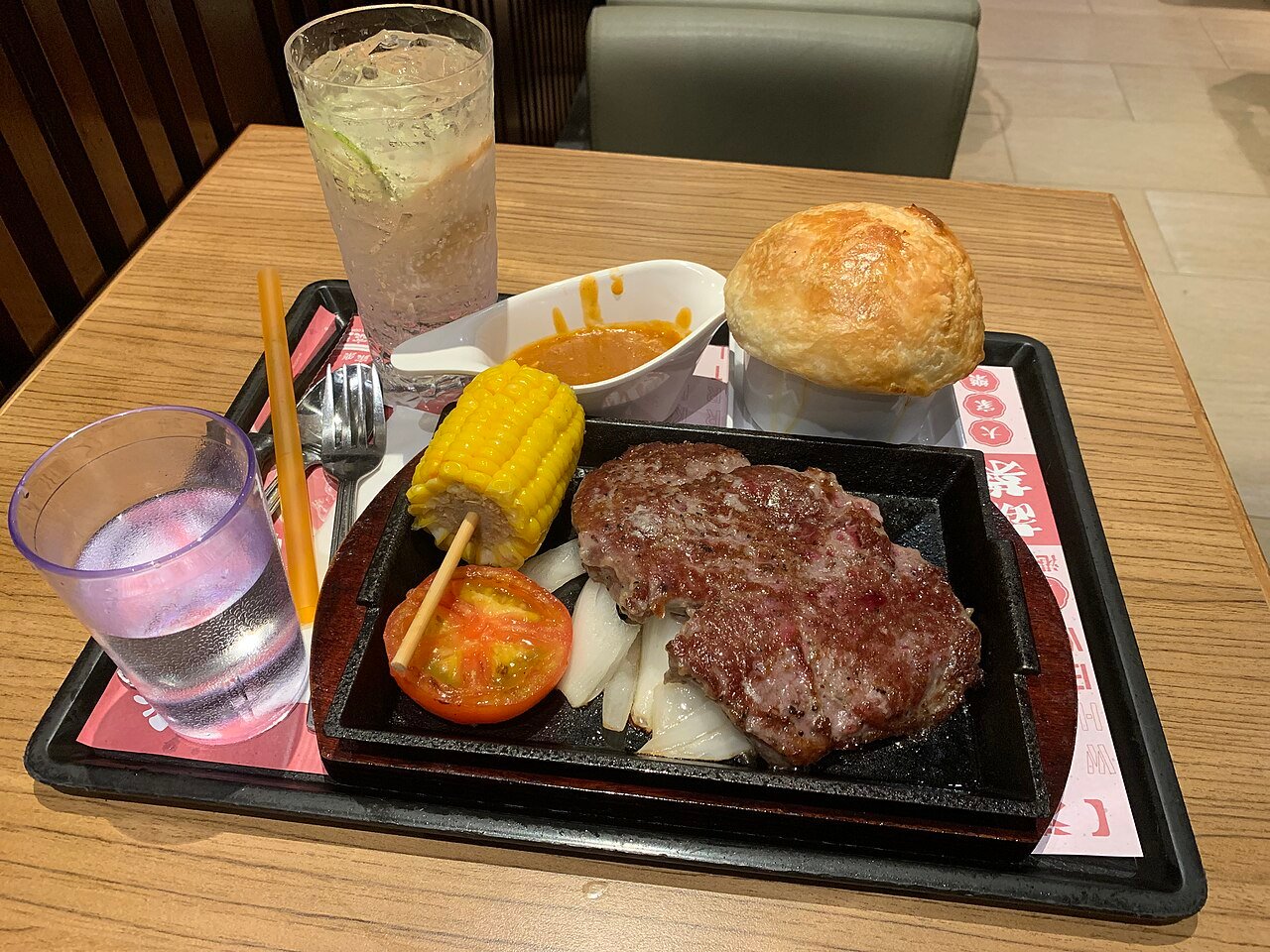
Cooking dinner for one person shouldn’t feel like a punishment — or a math problem.
If you’ve ever stood in your kitchen halving a recipe meant for four, ending up with half an onion going soft in the fridge and a pot of pasta you’ll be eating until Thursday, these 15 easy dinner recipes for one are for you.
Every single recipe below is built from the ground up for exactly one serving: one pan, one plate, zero sad leftovers. Most land on the table in 15 to 30 minutes, and they use the kind of pantry staples — rice, pasta, canned beans, frozen vegetables, eggs — that pull double duty across the whole list.
What Is Solo Cooking, Really?
Solo cooking is the practice of planning, shopping for, and preparing meals scaled for exactly one person — one serving, minimal waste, and no “family-size” math. It’s not sad desk dinners or cereal three nights in a row. Done right, it’s the most efficient, creative, and honestly fun way to cook: you call every shot, you eat what you crave, and the dishes take five minutes.
Why You’ll Love These Easy Dinner Recipes for One
- Every recipe serves exactly one. No dividing by four, no mystery leftovers, no food waste guilt.
- Fast by design. The 15-minute section gets dinner done faster than delivery; nothing here takes over 35 minutes.
- One pan, one pot, one sheet pan. Cleanup is measured in minutes, not sink-loads.
- Ingredients overlap on purpose. Buy a dozen eggs, a bag of rice, and a rotisserie chicken and you’ll cover half this list.
- Real dinners, not snacks. Each one is a complete, satisfying plate — protein, carbs, vegetables — built to actually fill you up.
15-Minute Solo Dinners
When you’re hungry now, these are the ones. Fifteen minutes or less, minimal chopping, maximum payoff.
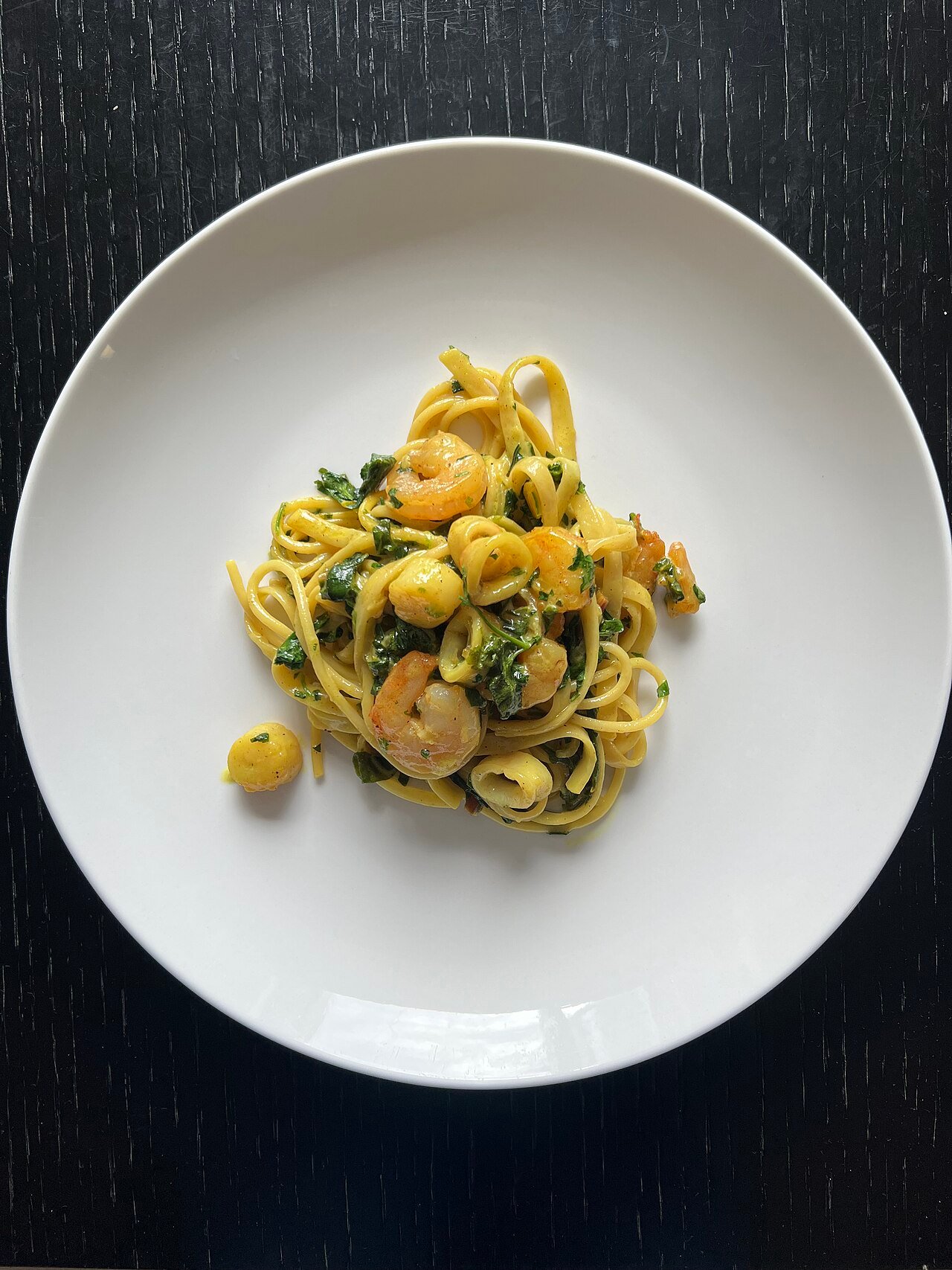
1. 15-Minute Garlic Butter Shrimp Pasta
This is the dinner I make when I want to feel like I tried without actually trying. Frozen shrimp thaw in minutes under cold water, and a 3-ounce nest of spaghetti is the perfect single serving — enough to twirl, not enough to regret.
Why these ingredients work: Shrimp cook in about 3 minutes flat, which makes them the fastest real protein in your freezer. Garlic bloomed in butter (not oil alone) gives you that restaurant richness, and a squeeze of lemon at the end keeps the whole thing bright instead of heavy.
Ingredients:
– 3 oz spaghetti or linguine (about a quarter of a standard box)
– 6-8 large frozen shrimp, thawed and patted dry
– 2 tbsp butter
– 3 cloves garlic, thinly sliced
– 1/4 tsp red pepper flakes
– 1 tbsp lemon juice, plus a wedge to serve
– 2 tbsp chopped parsley
– Salt and black pepper
Instructions:
1. Bring a small pot of well-salted water to a boil and cook the spaghetti until just al dente, about 8-9 minutes. Scoop out 1/4 cup of the pasta water before draining (this starchy water is what makes the sauce cling).
2. While the pasta cooks, melt the butter in a skillet over medium heat. Add the garlic and red pepper flakes and cook 60-90 seconds until golden at the edges — not brown, or it turns bitter (learned that one the hard way).
3. Add the shrimp in a single layer, season with salt and pepper, and cook 2-3 minutes, flipping once, until pink and just opaque.
4. Toss in the drained pasta with the lemon juice and a splash of pasta water. Toss for 30 seconds until glossy, then shower with parsley.
Time: Prep 5 min · Cook 10 min · Total 15 min · Servings: 1 · ~520 calories (estimate)
Storage: Eat it fresh — shrimp pasta doesn’t reheat gracefully. If you must, refrigerate up to 1 day and warm gently in a skillet with a splash of water.
Try it: Swap the shrimp for a sliced chicken sausage link when that’s what you’ve got — the garlic-butter base works with almost any quick protein.
15-Minute Garlic Butter Shrimp Pasta
Ingredients
Method
- Bring a small pot of well-salted water to a boil and cook the spaghetti until just al dente, about 8-9 minutes. Scoop out 1/4 cup of the pasta water before draining (this starchy water is what makes the sauce cling).
- While the pasta cooks, melt the butter in a skillet over medium heat. Add the garlic and red pepper flakes and cook 60-90 seconds until golden at the edges – not brown, or it turns bitter (learned that one the hard way).
- Add the shrimp in a single layer, season with salt and pepper, and cook 2-3 minutes, flipping once, until pink and just opaque.
- Toss in the drained pasta with the lemon juice and a splash of pasta water. Toss for 30 seconds until glossy, then shower with parsley.
2. Speedy Egg Fried Rice
Day-old rice is non-negotiable here — fresh rice turns gummy. But here’s my solo-cook trick: spread hot rice on a plate and freeze it for 10 minutes while you prep everything else. It dries out just enough to fry up properly.
Why these ingredients work: Eggs do double duty as protein and binder, coating each grain so the rice fries instead of steams. Sesame oil goes in at the very end (off the heat) because its flavor dies under high heat — a teaspoon is all you need.
Ingredients:
– 1 cup cooked rice, day-old or quick-chilled (see trick above)
– 2 large eggs, beaten with a pinch of salt
– 1/2 cup frozen peas and carrots, thawed
– 2 tbsp soy sauce
– 1 tsp sesame oil
– 1 tbsp neutral oil (avocado or canola)
– 2 scallions, sliced
– 1/4 tsp garlic powder
Instructions:
1. Heat the neutral oil in a wok or large skillet over medium-high heat until it shimmers.
2. Pour in the beaten eggs and scramble for 30-45 seconds until just set but still soft. Scoop them out onto a plate — they’ll finish cooking later, and this keeps them fluffy instead of rubbery.
3. In the same pan, add the rice and frozen veg. Press the rice into the pan and let it sit undisturbed for 60 seconds so it gets those crispy bits, then stir-fry 2-3 minutes.
4. Return the eggs, add the soy sauce around the edges of the pan (it caramelizes on contact — this is the takeout trick), garlic powder, and scallions. Toss 30 seconds, kill the heat, and drizzle with sesame oil.
Time: Prep 5 min · Cook 8 min · Total 13 min · Servings: 1 · ~480 calories (estimate)
Storage: Refrigerate up to 2 days. Reheat in a hot skillet with a teaspoon of water to re-steam it.
Try it: Toss in a handful of diced rotisserie chicken or a sliced hot dog (no judgment — it’s genuinely good) to make it a full meal.
3. 10-Minute Tuna Melt Quesadilla
The tuna melt and the quesadilla had a baby, and it’s the best 10-minute dinner for one I know. Everything happens in one skillet, and the crispy-cheesy-creamy contrast is absurdly satisfying.
Why these ingredients work: Canned tuna is the solo cook’s protein insurance policy — shelf-stable, cheap, and already cooked. Mixing it with mayo and Dijon (not just mayo) kills any “canned” taste, and a flour tortilla crisps up faster and more evenly than bread in a dry skillet.
Ingredients:
– 1 (5 oz) can tuna, drained well
– 1 tbsp mayonnaise
– 1 tsp Dijon mustard
– 1 large flour tortilla (10-inch)
– 1/2 cup shredded cheddar or Monterey Jack
– 1 tbsp diced red onion (optional)
– Pickles or hot sauce, to serve
Instructions:
1. In a small bowl, mix the drained tuna (press it dry — wet tuna makes a soggy quesadilla), mayo, Dijon, and red onion if using.
2. Lay the tortilla in a cold skillet, spread the tuna mixture over one half, and top with the cheese. Fold the tortilla over.
3. Turn the heat to medium and cook 2-3 minutes per side, pressing gently with a spatula, until deep golden and the cheese is fully melted.
4. Slide onto a cutting board, rest 1 minute (so the cheese sets), and cut into wedges.
Time: Prep 3 min · Cook 6 min · Total 9 min · Servings: 1 · ~560 calories (estimate)
Try it: Swap the tuna for shredded rotisserie chicken and add a spoonful of salsa for a chicken quesadilla night.
4. Salsa Verde Chicken Skillet
This is my “I bought a rotisserie chicken and now I need a plan” dinner. It tastes like you simmered something all afternoon, but the chicken is already cooked — you’re just warming it through in a tangy, bubbling sauce.
Why these ingredients work: Salsa verde (tomatillo salsa) brings acidity and brightness that cuts through rich chicken, so the dish never feels heavy. A spoonful of sour cream stirred in at the end tames the tang and makes the sauce silky without any real cooking.
Ingredients:
– 1 cup shredded rotisserie chicken
– 1/3 cup salsa verde (from a jar)
– 1/2 cup cooked rice (or microwave rice cup)
– 1/4 cup shredded Monterey Jack
– 1 tbsp sour cream
– 1 tbsp chopped cilantro
– Lime wedge
Instructions:
1. Add the salsa verde to a small skillet over medium heat and bring to a lively simmer, about 2 minutes — this cooks off the raw jarred taste.
2. Stir in the chicken and rice, and simmer 3-4 minutes until everything is heated through and the sauce thickens slightly.
3. Turn off the heat, stir in the sour cream and half the cheese until melty. Top with the remaining cheese, cover 1 minute to melt, then finish with cilantro and a lime squeeze.
Time: Prep 3 min · Cook 8 min · Total 11 min · Servings: 1 · ~540 calories (estimate)
Storage: Refrigerate up to 3 days — this one reheats beautifully in the microwave.
Try it: Spoon it into warm tortillas with extra cheese for instant tacos, or over tortilla chips for emergency nachos.
5. 15-Minute Peanut Noodles
Salty, sweet, a little spicy, and completely pantry-driven. The sauce comes together while the noodles boil, and it’s the kind of dinner that makes eating alone feel like a choice, not a circumstance.
Why these ingredients work: Peanut butter loosens into a glossy sauce with hot noodle water — no cooking required. Soy sauce brings salt and umami, rice vinegar brings the acid that keeps it from tasting flat, and sriracha’s heat is adjustable to your exact mood.
Ingredients:
– 3 oz ramen noodles or spaghetti (discard the ramen seasoning packet)
– 2 tbsp creamy peanut butter
– 1 tbsp soy sauce
– 1 tsp rice vinegar
– 1 tsp sriracha, plus more to taste
– 1 tsp honey or brown sugar
– 1/4 cup hot noodle water
– 1 scallion, sliced, and 1 tsp sesame seeds, to finish
– Optional: 1 soft-boiled egg or a handful of shredded rotisserie chicken
Instructions:
1. Boil the noodles according to package directions. Before draining, scoop out 1/2 cup of the hot cooking water.
2. In your serving bowl, whisk the peanut butter, soy sauce, vinegar, sriracha, and honey with 1/4 cup of the hot water until smooth and pourable. Add more water a spoonful at a time if it’s too thick — it should coat a spoon like heavy cream.
3. Add the drained noodles and toss hard for 30 seconds so every strand gets coated.
4. Top with scallion, sesame seeds, and the egg or chicken if using.
Time: Prep 4 min · Cook 9 min · Total 13 min · Servings: 1 · ~580 calories (estimate)
Storage: Best fresh. Leftovers keep 1 day refrigerated; loosen with a splash of hot water before eating.
Try it: Add a big handful of baby spinach to the hot noodles — it wilts in seconds and you won’t even notice you’re eating vegetables.
One-Pan Dinners for One
One pan, one sheet pan, one pot. These are the dinners where the oven or a single skillet does all the work while you do literally anything else.
6. Sheet Pan Lemon Herb Chicken & Veggies
A whole sheet pan to yourself is one of solo cooking’s quiet luxuries. Everything roasts together, the chicken stays juicy on the bone of your schedule, and there’s exactly one pan to wash.
Why these ingredients work: Chicken breast dries out fast, so cutting the vegetables small (so they cook in the same 20 minutes) and giving the chicken a quick olive-oil-and-herb coat protects it. Lemon goes on after roasting — lemon juice before roasting can make the chicken’s surface mushy over long cooks.
Ingredients:
– 1 boneless, skinless chicken breast (6-7 oz)
– 1 small zucchini, half-moons
– 1 cup cherry tomatoes
– 1/2 red onion, wedged
– 2 tbsp olive oil, divided
– 1 tsp Italian seasoning
– 1/2 tsp garlic powder
– 1/2 lemon (half for roasting, half for squeezing)
– Salt and black pepper
Instructions:
1. Heat the oven to 425°F and line a quarter sheet pan (or half, with room to spare) with foil for zero-scrub cleanup.
2. Toss the vegetables with 1 tbsp olive oil, half the Italian seasoning, garlic powder, salt, and pepper right on the pan. Spread in a single layer.
3. Rub the chicken with the remaining oil and seasoning, nestle it among the vegetables, and tuck the lemon half alongside.
4. Roast 18-20 minutes until the chicken reads 165°F on a thermometer (the USDA safe temp — don’t guess on poultry) and the vegetables are caramelized at the edges. Rest 3 minutes, squeeze the roasted lemon over everything.
Time: Prep 8 min · Cook 20 min · Total 28 min · Servings: 1 · ~420 calories (estimate)
Storage: Refrigerate up to 3 days. Slice the chicken cold over salads or reheat gently in a 350°F oven for 10 minutes.
Try it: Swap in whatever vegetables are wilting in your crisper — bell peppers, broccoli, and green beans all roast on the same timeline.
7. One-Pan Sausage & Peppers
Two sausage links, a pile of peppers, one skillet, twenty minutes. This is the dinner equivalent of a firm handshake — simple, reliable, and always welcome.
Why these ingredients work: Italian sausage renders its own seasoned fat, so you need barely any added oil, and that fat becomes the flavor base for the peppers. A splash of water and a lid at the end steams everything tender without burning the fond (those browned bits) you built.
Ingredients:
– 2 Italian sausage links (sweet or hot, about 6 oz total)
– 1 bell pepper, sliced (any color)
– 1/2 onion, sliced
– 1 tbsp olive oil
– 1/4 tsp dried oregano
– 2 tbsp water
– Crusty roll or cooked polenta, to serve (optional)
Instructions:
1. Heat the olive oil in a skillet over medium-high heat. Brown the sausages 2-3 minutes per side — you’re building color, not cooking through.
2. Push the sausages aside, add the peppers, onion, and oregano with a pinch of salt. Cook 5 minutes, stirring, until softened and picking up browned bits.
3. Add the water, cover, and reduce heat to medium-low. Cook 8-10 minutes until the sausages read 160°F and the peppers are silky.
4. Uncover and cook 1-2 minutes more to evaporate any remaining liquid.
Time: Prep 5 min · Cook 18 min · Total 23 min · Servings: 1 · ~550 calories (estimate, without roll)
Storage: Refrigerate up to 3 days. Reheats perfectly in a skillet or microwave.
Try it: Slice the leftovers (if you somehow have any) over pasta with a spoonful of marinara tomorrow.
8. Skillet Chicken Fajita Rice Bowl
All the sizzling-fajita drama, none of the restaurant price tag, and the rice cooks right in the skillet soaking up every bit of spiced chicken juice.
Why these ingredients work: Searing the chicken first in a screaming-hot skillet gives you charred edges (flavor), then the peppers and onions go into the same fat. Cooking the rice in chicken broth instead of water means the grains absorb seasoning from the start rather than tasting plain underneath everything.
Ingredients:
– 1 small chicken breast (5-6 oz), cut into thin strips
– 1 tsp chili powder, 1/2 tsp cumin, 1/4 tsp smoked paprika
– 1 tbsp olive oil
– 1/2 bell pepper, sliced
– 1/4 onion, sliced
– 1/3 cup long-grain rice
– 2/3 cup chicken broth
– 2 tbsp salsa, plus lime and cilantro to finish
Instructions:
1. Toss the chicken strips with the spices and a pinch of salt. Heat the oil in a skillet over medium-high until shimmering.
2. Sear the chicken 3-4 minutes until browned and cooked through. Scoop out and set aside.
3. In the same skillet, sauté the pepper and onion 3 minutes until charred at the edges. Add the rice and stir 1 minute to toast it in the seasoned fat.
4. Pour in the broth, bring to a boil, then cover and reduce to low. Cook 15 minutes without peeking.
5. Fluff the rice, return the chicken on top, cover 2 minutes to rewarm, then finish with salsa, lime, and cilantro.
Time: Prep 8 min · Cook 22 min · Total 30 min · Servings: 1 · ~560 calories (estimate)
Storage: Refrigerate up to 3 days. Sprinkle water over the rice before microwaving to revive it.
Try it: Swap the rice for a low-carb cauliflower rice (add it in step 4 with just 1/4 cup broth, 8 minutes covered).
9. One-Pot Creamy Tomato Orzo
Orzo looks like rice, cooks like pasta, and — crucially — releases starch as it simmers, which means it thickens its own sauce. One pot, no draining, no colander.
Why these ingredients work: Canned crushed tomatoes are more consistent than fresh for a weeknight sauce, and a splash of cream (or half-and-half) stirred in off the heat keeps the sauce silky without curdling. Baby spinach wilts into the hot orzo in seconds, disappearing into the sauce while adding actual nutrition.
Ingredients:
– 1/2 cup orzo
– 1 cup chicken or vegetable broth
– 1/2 cup crushed tomatoes (from a can)
– 1 clove garlic, minced
– 1 tbsp olive oil
– 1 handful baby spinach
– 2 tbsp heavy cream or half-and-half
– 2 tbsp grated Parmesan, plus more to serve
– 1/4 tsp dried basil or Italian seasoning
Instructions:
1. Heat the olive oil in a small saucepan or deep skillet over medium heat. Add the garlic and cook 30 seconds until fragrant.
2. Stir in the orzo and toast 1-2 minutes until a few grains turn golden — this nutty step keeps the orzo from tasting bland.
3. Pour in the broth, crushed tomatoes, and dried basil. Bring to a boil, then reduce to a gentle simmer, stirring every few minutes so the orzo doesn’t stick. Cook 10-12 minutes until tender and the sauce is thick and creamy.
4. Off the heat, stir in the spinach until wilted, then the cream and Parmesan. Taste and salt as needed.
Time: Prep 4 min · Cook 14 min · Total 18 min · Servings: 1 · ~480 calories (estimate)
Storage: Refrigerate up to 2 days. It thickens as it sits — loosen with a splash of broth when reheating.
Try it: Stir in a handful of shredded rotisserie chicken or a sliced sausage link to make it heartier.
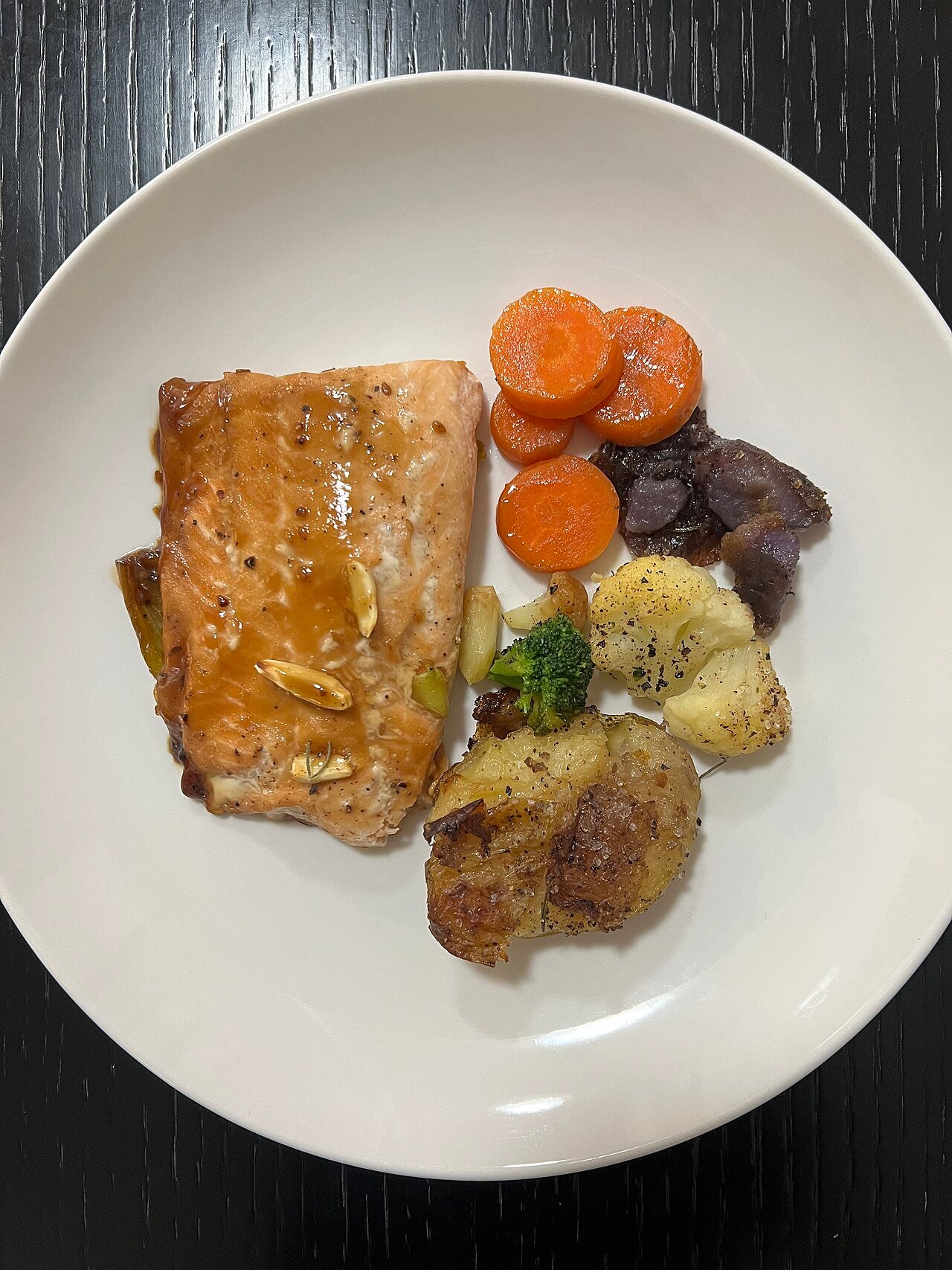
10. Sheet Pan Salmon & Asparagus
This is the dinner that makes you feel like an adult who has their life together, and it takes about as much effort as preheating the oven. Salmon and asparagus share the same roasting timeline, which is the whole trick.
Why these ingredients work: Salmon’s natural oils keep it moist at high heat, and asparagus spears roast to tender-crisp in the same 12 minutes a fillet needs. Dijon brushed on top before roasting forms a tangy crust that doubles as the sauce — no separate sauce step required.
Ingredients:
– 1 salmon fillet (5-6 oz), skin on or off
– 8-10 asparagus spears, woody ends snapped off
– 1 tbsp olive oil
– 1 tbsp Dijon mustard
– 1 tsp honey
– 1/2 lemon, sliced
– Salt, pepper, and a pinch of garlic powder
Instructions:
1. Heat the oven to 425°F and line a quarter sheet pan with foil.
2. Toss the asparagus with the olive oil, salt, pepper, and garlic powder right on the pan. Push to the edges.
3. Whisk the Dijon and honey, brush it over the salmon, and season with salt and pepper. Place skin-side down in the center of the pan with lemon slices on top.
4. Roast 11-13 minutes until the salmon flakes easily and reads 145°F (the USDA temp for fish), and the asparagus tips are crisped.
Time: Prep 5 min · Cook 13 min · Total 18 min · Servings: 1 · ~420 calories (estimate)
Storage: Refrigerate up to 2 days. Eat leftovers cold over salad — reheated salmon is never as good.
Try it: Swap the asparagus for green beans or broccolini; same time, same temperature, zero adjustments.
No-Waste Single-Serving Dinners
The solo cook’s superpower: turning half-cans, leftover bits, and “what is this in my fridge” into real dinners. Nothing wasted, everything delicious.
11. “Clean the Crisper” Fried Rice
This is less a recipe and more a method — the formula that turns whatever vegetables are fading in your fridge into dinner. The only rule: cut everything roughly the same size so it cooks evenly.
Why this method works: High heat and a hot pan are doing all the heavy lifting, caramelizing whatever you throw in. Day-old rice (or my 10-minute freezer trick from recipe #2) stays separate and chewy instead of clumping, and soy sauce plus a fried egg on top makes literally any vegetable combination taste intentional.
Ingredients:
– 1 cup cooked rice, day-old or quick-chilled
– 1 1/2 cups mixed vegetables, diced small (whatever you have: carrots, peas, bell pepper, zucchini, broccoli, corn)
– 2 eggs
– 2 tbsp soy sauce
– 1 tsp sesame oil
– 1 tbsp neutral oil
– 1 scallion or 1/4 onion, sliced
– Optional: leftover chicken, shrimp, or tofu
Instructions:
1. Heat the neutral oil in your largest skillet or wok over high heat until it just starts to smoke.
2. Add the hardest vegetables first (carrots, broccoli) and stir-fry 2 minutes, then add softer ones (peppers, zucchini, peas) for 2 more minutes. Everything should have browned spots.
3. Push the veg aside, scramble the eggs in the empty space until just set, then mix everything together.
4. Add the rice, breaking up clumps with your spatula. Fry 2-3 minutes, pressing the rice into the pan for crispy bits. Add soy sauce around the edges, toss, kill the heat, and finish with sesame oil and scallion.
Time: Prep 8 min · Cook 10 min · Total 18 min · Servings: 1 · ~450 calories (estimate)
Storage: Refrigerate up to 2 days — though the whole point is there’s usually nothing left.
Try it: Keep a running “fried rice bag” in your freezer: toss in leftover diced veg all week, and Friday night is fried rice night.
12. Half-Can Black Bean Tacos
A full can of black beans is two servings too many for one person — unless you know the half-can taco formula. The other half goes into tomorrow’s lunch (or recipe #11’s fried rice). Nothing wasted.
Why these ingredients work: Mashing half the beans creates a creamy base that holds the tacos together, while the whole beans keep their bite — you get refried-bean richness without opening a second can. A hot, dry skillet chars the tortillas in seconds, which is the difference between sad tacos and great ones.
Ingredients:
– 3/4 cup black beans (half a 15-oz can, drained and rinsed — save the rest)
– 4 small corn or flour tortillas
– 1/2 tsp cumin, 1/4 tsp chili powder
– 1 tbsp olive oil
– 2 tbsp salsa
– 2 tbsp crumbled cotija or shredded cheddar
– Shredded cabbage or lettuce, diced onion, cilantro, lime
Instructions:
1. Heat the olive oil in a skillet over medium heat. Add the beans, cumin, chili powder, and a splash of water. Cook 3-4 minutes, mashing about half the beans with the back of a spoon until creamy but still chunky.
2. Scoop the beans into a bowl. Wipe the skillet, crank to medium-high, and char each tortilla 20-30 seconds per side until blistered in spots. Keep warm in a clean towel.
3. Fill each tortilla with beans, salsa, cheese, cabbage, onion, and cilantro. Lime over everything.
Time: Prep 5 min · Cook 10 min · Total 15 min · Servings: 1 (4 tacos) · ~480 calories (estimate)
Storage: The leftover half-can of beans keeps 3-4 days refrigerated in a sealed container — use in fried rice, quesadillas, or a second taco night.
Try it: Add a fried egg on top of each taco for breakfast-for-dinner energy.
13. Leftover Rotisserie Chicken Soup for One
One quart of broth, one small pot, fifteen minutes — this is the soup equivalent of a weighted blanket. It’s also the highest and best use of the last scraps of a rotisserie chicken.
Why these ingredients work: Store-bought rotisserie chicken has already done the hard work of building flavor, so the soup tastes slow-simmered in a fraction of the time. Small pasta shapes (orzo, ditalini, acini di pepe) cook directly in the broth in under 10 minutes, thickening it slightly as they release starch.
Ingredients:
– 2 cups chicken broth
– 3/4 cup shredded rotisserie chicken (or turkey)
– 1/4 cup small pasta (orzo or ditalini)
– 1 small carrot, diced small
– 1 stalk celery, diced small (or a handful of frozen peas)
– 1/2 tsp dried thyme
– 1 bay leaf
– Salt and pepper, lemon wedge to finish
Instructions:
1. Bring the broth to a boil in a small saucepan with the carrot, celery, thyme, and bay leaf.
2. Add the pasta and cook at a lively simmer for 7-8 minutes until the pasta is tender and the vegetables are soft.
3. Stir in the chicken and simmer 2 more minutes just to heat through. Fish out the bay leaf, season boldly with salt and pepper, and finish with a squeeze of lemon — the acid wakes the whole pot up.
Time: Prep 5 min · Cook 12 min · Total 17 min · Servings: 1 (about 2 1/2 cups) · ~380 calories (estimate)
Storage: Refrigerate up to 3 days. The pasta will keep absorbing broth — add a splash when reheating.
Try it: Crack an egg into the simmering soup and poach it 3 minutes for an egg-drop twist.
14. Single-Serve Shakshuka
Eggs poached in spiced tomato sauce, scooped up with crusty bread. It sounds fancy, eats like comfort food, and the whole thing happens in one small skillet in 15 minutes.
Why these ingredients work: Canned crushed tomatoes are the solo cook’s best friend — half a can is the perfect amount for one serving, and the rest freezes beautifully in a zip-top bag. Cumin and smoked paprika bloom in olive oil first (30 seconds is all it takes), which wakes up their flavor far more than dumping them into liquid.
Ingredients:
– 3/4 cup crushed tomatoes (about half a 15-oz can)
– 2 large eggs
– 1 tbsp olive oil
– 1/2 tsp cumin, 1/4 tsp smoked paprika
– 1 small clove garlic, minced (or 1/4 tsp garlic powder)
– Pinch of red pepper flakes
– 1 tbsp crumbled feta
– 1 tbsp chopped parsley or cilantro
– Crusty bread, for scooping
Instructions:
1. Heat the olive oil in a small (8-inch) skillet over medium heat. Add the garlic, cumin, paprika, and pepper flakes; cook 30 seconds until fragrant.
2. Pour in the crushed tomatoes with a pinch of salt and simmer 5 minutes until slightly thickened.
3. Make two little wells with the back of a spoon and crack an egg into each. Cover and cook 4-5 minutes until the whites are set but the yolks still jiggle.
4. Top with feta and herbs, and eat straight from the skillet with bread.
Time: Prep 4 min · Cook 11 min · Total 15 min · Servings: 1 · ~350 calories (estimate, without bread)
Storage: Best eaten immediately. Freeze the remaining half-can of tomatoes flat in a bag for next time.
Try it: Add a handful of baby spinach with the tomatoes, or a spoonful of harissa if you like real heat.
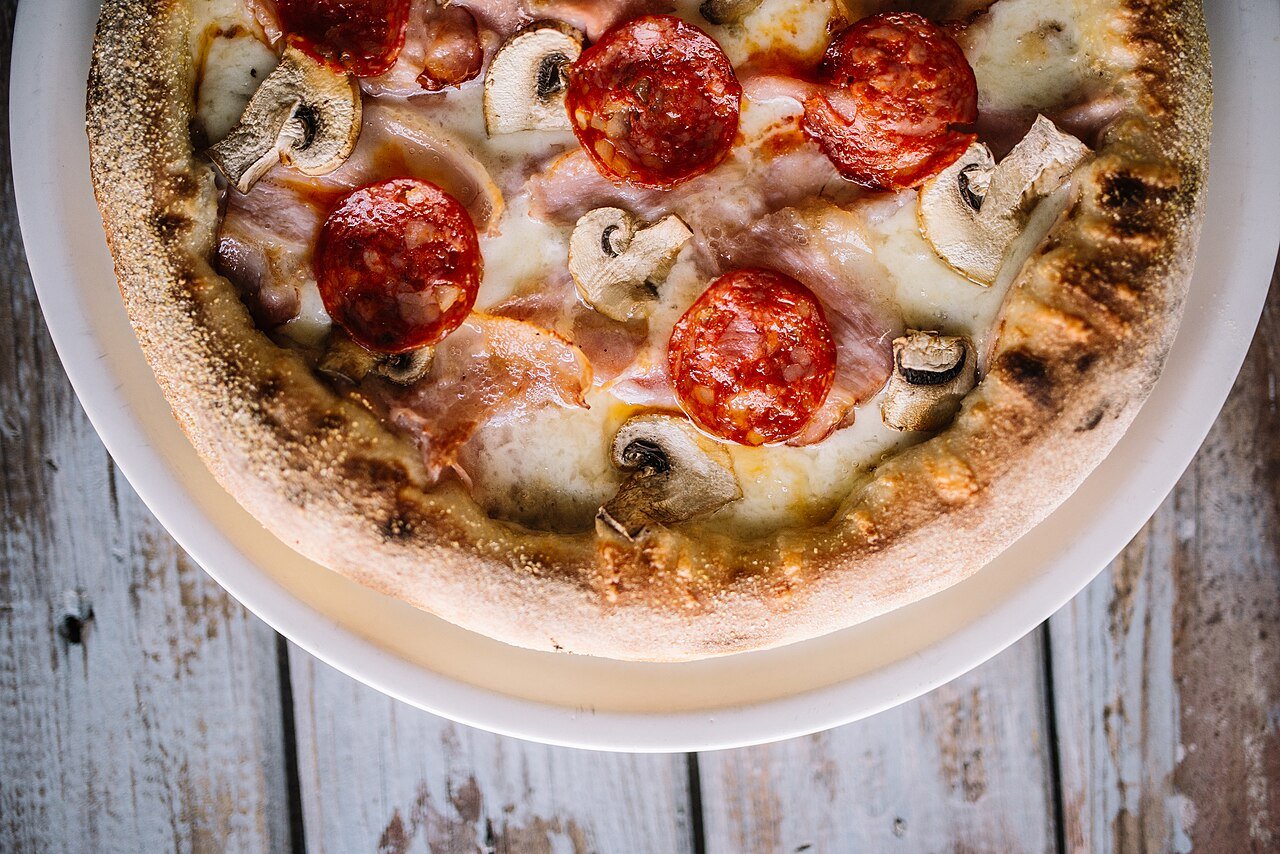
15. Pesto Chicken Flatbread
Naan bread is the solo cook’s secret pizza crust — it’s already the right size for one, it crisps up in minutes, and it never gets soggy the way a tortilla can. This tastes like a $14 café flatbread for about $3.
Why these ingredients work: Store-bought pesto is concentrated flavor in a jar — basil, garlic, Parmesan, pine nuts — so two tablespoons do the work of four separate ingredients. Fresh mozzarella melts into creamy pools (shredded low-moisture works too and browns better), and the naan’s chew holds up under toppings where pita would collapse.
Ingredients:
– 1 piece naan bread
– 2 tbsp basil pesto
– 1/2 cup shredded rotisserie chicken
– 1/3 cup shredded mozzarella
– 4-5 cherry tomatoes, halved
– 1 tbsp grated Parmesan
– Fresh basil leaves (optional)
Instructions:
1. Heat the oven to 425°F (or use a toaster oven — even better for one).
2. Spread the pesto edge to edge on the naan. Top with chicken, mozzarella, tomatoes, and Parmesan.
3. Bake directly on the oven rack 8-10 minutes until the cheese is bubbly and browned in spots and the naan edges are crisp.
4. Rest 2 minutes (molten cheese needs a moment), scatter basil if using, and slice.
Time: Prep 4 min · Cook 10 min · Total 14 min · Servings: 1 · ~620 calories (estimate)
Storage: Eat fresh — flatbread doesn’t reheat well. But honestly, there won’t be leftovers.
Try it: Swap the pesto for barbecue sauce and add red onion for a BBQ chicken flatbread, or go Margherita with just mozzarella, tomatoes, and basil.
The Solo Cook’s Scaling System
Here’s the content gap none of the ranking pages cover: a real system for scaling any recipe down to one serving — plus what to do with the awkward leftovers that scaling creates.
The divide-by-four rule. Most recipes serve four. To cook for one: divide every ingredient by four. A cup becomes 1/4 cup. A tablespoon becomes 3/4 teaspoon (a scant teaspoon is close enough). A pound of chicken becomes 4 ounces. Write the converted amounts directly on the recipe so you never do math twice.
The egg problem. You can’t quarter an egg cleanly — but you can beat one egg and use half (about 1 1/2 tablespoons). The other half keeps in the fridge for 2 days and goes into tomorrow’s fried rice or a breakfast scramble.
The half-can rescue plan. Half a can of tomatoes, beans, or coconut milk is the solo cook’s recurring dilemma. Freeze it flat in a zip-top bag (labeled, dated) and it keeps 3 months — future you will be grateful. Or plan “echo meals”: tacos tonight (half-can beans), fried rice tomorrow (other half).
The freezer is your pantry. Buy the family pack of chicken breasts (it’s cheaper per pound), wrap each one individually, and freeze. Frozen shrimp, frozen vegetables, and frozen rice portions mean you can cook a real dinner for one with zero fresh ingredients on hand.
Spices don’t scale linearly. When dividing a recipe by four, start with half the divided spice amount and taste. It’s easy to add more heat or salt; it’s miserable to fix an over-salted single serving with no extra ingredients to dilute it.
Common Mistakes to Avoid
1. Cooking the full recipe “for leftovers” and eating the same thing four nights in a row.
Leftovers are fine; resentment isn’t. If you want batch cooking, choose recipes designed for it (soups, stews, grain bowls) and freeze portions in single servings — don’t just make four plates of the same stir-fry.
2. Buying “single serving” packaged ingredients at triple the price.
Those tiny $4 sauce packets and pre-portioned everything add up fast. Buy normal sizes of pantry staples (soy sauce, rice, pasta, canned beans) — they’re cheap, last forever, and work across dozens of solo meals.
3. Skipping the thermometer on chicken.
A single chicken breast overcooks in the blink of an eye, and undercooked poultry isn’t worth the risk. A $10 instant-read thermometer is the best investment a solo cook makes — 165°F for chicken (per USDA guidelines), every time.
4. Making a huge pot of pasta “because it’s easy.”
Three ounces of dry pasta is a real serving for one person. A full box is four. Cook what you’ll eat; pasta takes 9 minutes, so there’s no time savings in making extra you’ll throw away Thursday.
5. Forgetting acid.
Solo dinners go bland fast when you’re cooking on autopilot. A squeeze of lemon, a splash of vinegar, or a spoonful of salsa at the end wakes up almost any dish — it’s the cheapest flavor upgrade in your kitchen.
6. Eating over the sink instead of plating.
This one’s about joy, not nutrition. Put it on a real plate, sit down, and eat like the meal mattered — because you cooked it, and it did. Solo cooking is a skill worth celebrating, not hiding.
Easy Dinner Recipes for One at a Glance
| # | Recipe | Time | Method | Best For |
|---|---|---|---|---|
| 1 | Garlic Butter Shrimp Pasta | 15 min | Stovetop | Date-night-for-one energy |
| 2 | Speedy Egg Fried Rice | 13 min | Skillet | Using up day-old rice |
| 3 | Tuna Melt Quesadilla | 9 min | Skillet | Fastest real dinner |
| 4 | Salsa Verde Chicken Skillet | 11 min | Skillet | Rotisserie chicken rescue |
| 5 | Peanut Noodles | 13 min | Stovetop | Pantry-only nights |
| 6 | Sheet Pan Lemon Herb Chicken | 28 min | Oven | Hands-off cooking |
| 7 | One-Pan Sausage & Peppers | 23 min | Skillet | Hearty appetites |
| 8 | Skillet Chicken Fajita Rice Bowl | 30 min | Skillet | One-pan complete meal |
| 9 | One-Pot Creamy Tomato Orzo | 18 min | One pot | No-drain comfort |
| 10 | Sheet Pan Salmon & Asparagus | 18 min | Oven | Feeling fancy, minimal effort |
| 11 | “Clean the Crisper” Fried Rice | 18 min | Wok/Skillet | Zero-waste fridge cleanout |
| 12 | Half-Can Black Bean Tacos | 15 min | Skillet | Meatless + budget |
| 13 | Rotisserie Chicken Soup | 17 min | Saucepan | Cozy comfort |
| 14 | Single-Serve Shakshuka | 15 min | Skillet | Brunch-for-dinner |
| 15 | Pesto Chicken Flatbread | 14 min | Oven | Café vibes at home |
FAQ
How do I scale a recipe that serves 4 down to 1?
Divide every ingredient by four — cups become quarter-cups, tablespoons become scant teaspoons, and a pound of protein becomes 4 ounces. For spices, start with half the divided amount and adjust to taste, since seasonings don’t scale perfectly linearly. See the Solo Cook’s Scaling System above for the egg and half-can tricks.
What’s the fastest healthy dinner for one?
Sheet pan salmon and asparagus (18 minutes, one pan) or a tuna melt quesadilla (9 minutes) are the speed champions here. For the absolute fastest nutritious option, keep frozen shrimp on hand — they thaw in 5 minutes under cold water and cook in 3.
How can I cook for one without wasting food?
Build your week around overlapping ingredients: one rotisserie chicken covers four recipes on this list, and a bag of rice plus a dozen eggs covers five more. Freeze half-cans flat in zip-top bags, wrap chicken breasts individually before freezing, and keep frozen vegetables as backup — they’re picked at peak ripeness and just as nutritious as fresh.
Is it cheaper to cook for one or order takeout?
Cooking wins by a landslide. Most dinners on this list cost $2-4 per serving in groceries, versus $12-18 for delivery after fees. The trick is buying versatile staples (rice, pasta, eggs, frozen veg, soy sauce) instead of single-use specialty ingredients.
What kitchen equipment do I actually need for solo cooking?
A 10-inch skillet, a small saucepan, a quarter sheet pan, and a chef’s knife cover 90% of solo dinners. An instant-read thermometer ($10) takes the guesswork out of chicken. Everything else — wok, toaster oven, mini rice cooker — is nice but optional.
How do I store half an onion or half a can of beans?
Wrap cut onion tightly and refrigerate up to 7 days (or dice and freeze). Transfer half-cans of beans or tomatoes to a sealed container (never store in the can) and refrigerate 3-4 days, or freeze flat in a bag for 3 months. Label everything — mystery containers are how food gets wasted.
Can I meal prep as a single person?
Absolutely — just prep components, not full meals. Cook a batch of rice, roast a tray of vegetables, and shred a rotisserie chicken on Sunday; then assemble different dinners all week (fried rice Monday, tacos Tuesday, soup Wednesday). You get variety without eating the same plate four days straight.
What are good high-protein dinners for one?
The sheet pan lemon herb chicken (about 35g protein), skillet chicken fajita bowl (about 32g), and salmon with asparagus (about 30g) are the protein leaders here — all estimates. Eggs are the budget protein hero: the shakshuka and fried rice each deliver 15-20g for under two dollars.
Final Thoughts
Cooking for one isn’t a lesser version of cooking — it’s cooking with the training wheels off. You get faster instincts, less waste, and dinners that are exactly what you wanted, because you were the only vote that counted.
Start with the 9-minute tuna melt quesadilla tonight. Work your way up to the sheet pan salmon when you’re feeling ambitious. And the next time a recipe says “serves four,” you’ll know exactly what to do with it.
What’s your go-to solo dinner? I’d love to hear what you’re cooking for one — drop it in the comments and I might test it for the next roundup.

Founder of NestFlavors — sharing tested recipes and honest home ideas, made for real life.