
The jar is the backup plan, not the plan.
I’ve burned through more jars of pasta sauce than I can count, and here’s what I finally learned: almost every jarred sauce is a pale copy of something you can make at home in about the same time it takes to boil the pasta. These 15 pasta sauce recipes cover the classics and a few you probably haven’t tried, every one of them tested in my kitchen, every one of them faster or more forgiving than you’d expect.
Below you’ll find complete recipes for each sauce — exact US measurements, numbered steps, timing, storage, and freezing notes. First, though, the five rules that separate a great homemade pasta sauce from a watery, bland one.
Table of Contents
- What Makes a Great Pasta Sauce?
- Why You’ll Love These Pasta Sauce Recipes
- The 5 Rules of Homemade Pasta Sauce (Read This First)
- Classic Tomato Pasta Sauce Recipes
- Creamy & Cheesy Pasta Sauce Recipes
- Fresh & No-Cook Pasta Sauce Recipes
- Bold & Unexpected Pasta Sauce Recipes
- How to Match Your Pasta Sauce to the Right Shape
- Common Mistakes to Avoid
- Pasta Sauce Recipes at a Glance
- FAQ
- Final Thoughts
What Makes a Great Pasta Sauce?
A great pasta sauce clings to the pasta instead of pooling at the bottom of the bowl. That’s the whole test. Everything else — the quality tomatoes, the real Parmigiano, the patient simmer — exists to pass it. A proper sauce is seasoned boldly (it gets diluted the second it meets a pound of pasta), balanced between fat and acid, and finished with the pasta, never poured over it.
The tomato-based, creamy, and oil-based pasta sauce recipes below all pass that test. Some do it with a fast simmer, some with starchy pasta water, some with a knob of cold butter at the end. Pick any one and your weeknight pasta stops tasting like a weeknight compromise.
Why You’ll Love These Pasta Sauce Recipes
- Faster than you think — 11 of the 15 sauces below are done in 30 minutes or less, most while the pasta boils.
- Cheaper than jars — a can of tomatoes and some garlic costs a fraction of premium jarred sauce and tastes noticeably better.
- Freezer-friendly by design — every tomato and meat sauce here freezes beautifully, so one Sunday batch covers weeks of dinners.
- Control the ingredients — less sugar, less sodium, zero preservatives. You decide what goes in.
- Endlessly adaptable — each recipe includes substitutions for dairy-free, gluten-conscious, and pantry-only cooking.
- Beginner-proof — numbered steps with the “why” behind key ingredients, so you learn as you cook.
The 5 Rules of Homemade Pasta Sauce (Read This First)
Most roundup pages skip straight to the recipes. Don’t. These five rules are the difference between sauce people rave about and sauce that’s watery, bland, or broken.
1. Salt your pasta water like the ocean. Your pasta absorbs that water as it cooks, and unsalted pasta makes even a perfect sauce taste flat. Use about 1 tablespoon of kosher salt per 4 quarts of water. This is non-negotiable.
2. Save your pasta water before draining. That cloudy, starchy water is liquid gold. A splash (start with 1/2 cup) tossed with your sauce and pasta loosens thick sauces and — more importantly — helps fat and liquid emulsify into a glossy sauce that actually clings to the noodles. I drain my pasta into a colander set over a bowl when I remember, or just scoop a mugful out before draining.
3. Finish the pasta IN the sauce. Never pour sauce over naked pasta. Move your drained pasta into the pan with the sauce, add that splash of pasta water, and toss for 1-2 minutes over medium heat. The pasta drinks in flavor and the starch thickens the sauce. Restaurant pasta tastes different from yours mostly because of this one step.
4. Balance fat and acid. Rich sauces (alfredo, carbonara, brown butter) need a squeeze of lemon or a grating of cheese’s salty bite to cut the fat. Acidic tomato sauces need a pinch of sugar or a swirl of butter/olive oil to round them out. Taste, then adjust — that’s the entire skill of sauce-making.
5. Don’t drown the pasta. For 1 pound of dried pasta, you need roughly 3 to 4 cups of sauce. Any more and it swims; any less and it’s dry. If your sauce looks thin in the pan, remember: the pasta finishes cooking in it and drinks up a surprising amount.
Classic Tomato Pasta Sauce Recipes
Tomato sauces are the backbone of Italian-American cooking, and they’re the ones most worth making from scratch — a jar simply can’t touch a sauce that simmered 20 minutes with real garlic and basil. Four classics, from a 15-minute marinara to a rich weeknight bolognese.

1. 15-Minute Weeknight Marinara
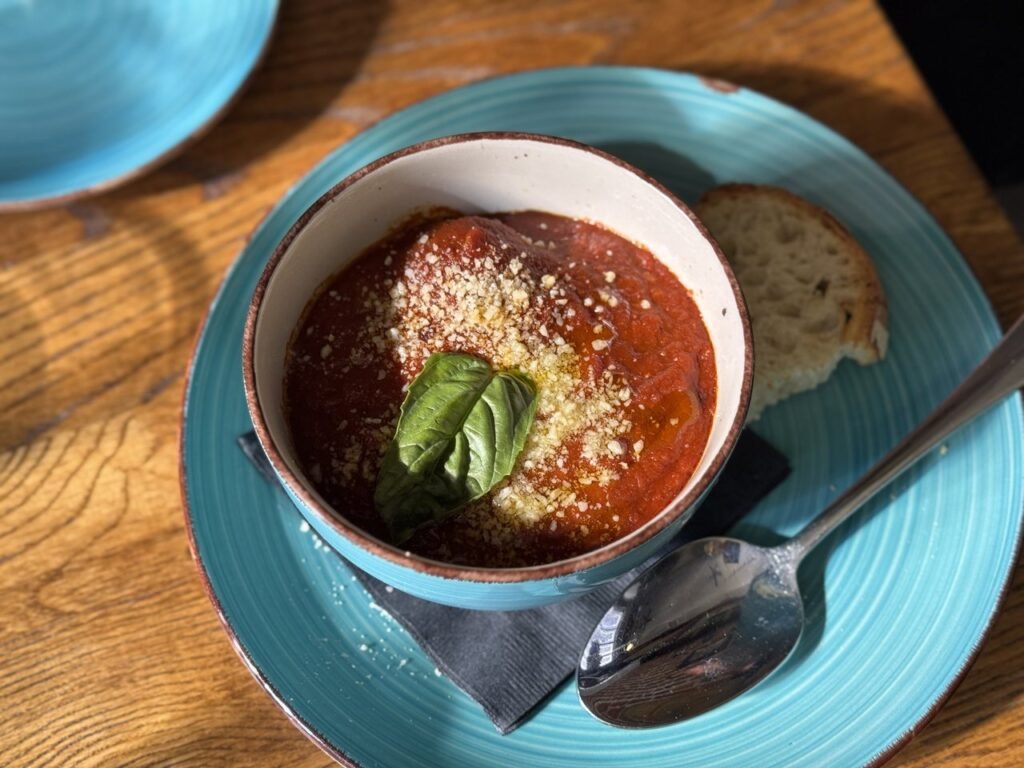
The sauce I make more than any other. Real marinara is not a long-simmered project — in Italy, it’s a quick sauce, bright and fresh, done in about the time the spaghetti cooks. The secret is good canned tomatoes and not overcooking them.
Prep: 5 min | Cook: 15 min | Total: 20 min | Servings: 4 (about 3 cups) | Est. calories: 120 per 3/4-cup serving
Ingredients:
- 2 tbsp extra-virgin olive oil — the flavor base; use the good stuff, you’ll taste it
- 4 garlic cloves, thinly sliced — sliced (not minced) so it perfumes the oil without burning
- 1/2 tsp red pepper flakes (optional) — background warmth, not heat
- 1 (28 oz) can crushed San Marzano-style tomatoes — the whole sauce; better tomatoes = better marinara
- 1 tsp kosher salt, plus more to taste
- 1/2 tsp dried oregano
- 1/4 tsp sugar — tames tomato acidity without making it sweet
- 8-10 fresh basil leaves, torn — added off heat so the flavor stays bright
- 1 tbsp unsalted butter (optional) — rounds out the edges; my favorite restaurant trick
Instructions:
- Heat the olive oil in a large skillet or sauté pan over medium heat. Add the garlic and red pepper flakes and cook 1-2 minutes, stirring, until fragrant and just turning golden at the edges (don’t let it brown — burnt garlic turns the whole sauce bitter).
- Pour in the crushed tomatoes (stand back — it spatters), then stir in the salt, oregano, and sugar.
- Bring to a lively simmer and cook 12-15 minutes, stirring occasionally, until slightly thickened and the raw tomato edge is gone. Don’t simmer it for an hour — quick marinara should still taste fresh.
- Remove from heat. Stir in the torn basil and the butter, if using. Taste and add more salt until it pops.
Pro tip: Crush whole canned tomatoes with your hands instead of buying pre-crushed — the texture is better and you control the chunk size.
Substitutions: Diced tomatoes work but give a chunkier sauce; tomato puree gives a smoother one. No fresh basil? Use 1 tsp dried basil added with the oregano.
Storage & reheating: Refrigerate up to 5 days. Reheat gently in a saucepan. Freezer: freezes perfectly up to 3 months — freeze in 1-cup portions or ice cube trays, then bag the cubes.
Try it: Toss with spaghetti, a splash of pasta water, and a snowfall of Parmesan. This is also my go-to pizza sauce in a pinch.
15-Minute Weeknight Marinara
Ingredients
Method
- Heat the olive oil in a large skillet or sauté pan over medium heat. Add the garlic and red pepper flakes and cook 1-2 minutes, stirring, until fragrant and just turning golden at the edges (don’t let it brown — burnt garlic turns the whole sauce bitter).
- Pour in the crushed tomatoes (stand back — it spatters), then stir in the salt, oregano, and sugar.
- Bring to a lively simmer and cook 12-15 minutes, stirring occasionally, until slightly thickened and the raw tomato edge is gone. Don’t simmer it for an hour — quick marinara should still taste fresh.
- Remove from heat. Stir in the torn basil and the butter, if using. Taste and add more salt until it pops.
2. Spicy Arrabbiata
“Arrabbiata” means “angry” in Italian, and this sauce earns the name — a simple tomato sauce with a real chili kick. It’s the sauce I make when I want marinara’s comfort with actual personality.
Prep: 5 min | Cook: 20 min | Total: 25 min | Servings: 4 (about 3 cups) | Est. calories: 130 per 3/4-cup serving
Ingredients:
- 3 tbsp extra-virgin olive oil — carries the chili heat evenly through the sauce
- 5 garlic cloves, thinly sliced
- 1-2 tsp red pepper flakes — 1 tsp is lively, 2 tsp is genuinely angry; start low
- 1 (28 oz) can whole peeled tomatoes, crushed by hand — whole tomatoes break down into the best texture
- 1 tsp kosher salt
- 1/2 tsp freshly cracked black pepper
- Fresh basil or flat-leaf parsley, chopped, for serving
Instructions:
- Heat the oil in a large skillet over medium heat. Add garlic and red pepper flakes; cook 2 minutes until fragrant, letting the flakes sizzle in the oil (this blooms their heat — don’t skip it).
- Add the hand-crushed tomatoes and their juices, salt, and black pepper. Stir to combine.
- Simmer 15-18 minutes, stirring occasionally and breaking up any large tomato pieces with a spoon, until thickened and brick-red.
- Toss with penne (the ridges and tubes trap the spicy sauce) plus 1/2 cup pasta water. Shower with herbs.
Pro tip: Arrabbiata improves as it sits — make it an hour ahead or even the day before and the heat mellows into the tomatoes beautifully.
Substitutions: Calabrian chili paste (1-2 tbsp) replaces the flakes with a fruitier heat. For a milder version, use 1/2 tsp flakes.
Storage & reheating: Keeps 5 days refrigerated. Freezer: freezes great up to 3 months.
Try it: The classic pairing is penne all’arrabbiata — and a glass of something cold to handle the heat.
3. Puttanesca (The “Whatever’s in the Pantry” Sauce)
Bold, briny, and made entirely from pantry staples — olives, capers, and anchovies. If those ingredients sound intimidating, trust me: the anchovies melt away completely and just taste like deep, savory richness. This sauce converted me from an anchovy skeptic.
Prep: 5 min | Cook: 20 min | Total: 25 min | Servings: 4 (about 3 cups) | Est. calories: 150 per 3/4-cup serving
Ingredients:
- 3 tbsp extra-virgin olive oil
- 4-6 anchovy fillets — they dissolve entirely; this is the umami backbone, not a fishy flavor
- 4 garlic cloves, minced
- 1 tsp red pepper flakes
- 1/2 cup pitted Kalamata olives, halved — briny punch; the sauce’s signature
- 2 tbsp capers, drained — little bursts of salty brightness
- 1 (28 oz) can crushed tomatoes
- 1/2 tsp dried oregano
- Chopped fresh parsley, for serving
Instructions:
- Heat the oil in a large skillet over medium heat. Add the anchovies and mash them into the oil with a wooden spoon until they dissolve into a paste, about 2 minutes.
- Stir in the garlic and red pepper flakes; cook 1 minute until fragrant.
- Add the olives, capers, tomatoes, and oregano. Simmer 15 minutes, stirring occasionally, until thickened.
- Toss with spaghetti and 1/2 cup pasta water. Top with parsley. (Traditionally no cheese here — the briny flavors don’t need it — but I won’t tell if you add some.)
Pro tip: Rinse the capers if they’re packed in heavy salt; the kind in brine can go straight in.
Substitutions: No anchovies? Use 1 tbsp miso paste or 2 tsp Worcestershire sauce for the umami depth. Black olives work in place of Kalamata.
Storage & reheating: Refrigerate up to 5 days. Freezer: freezes well up to 3 months.
Try it: Serve over spaghetti with a crisp green salad — the salad’s freshness balances the sauce’s saltiness perfectly.
4. 30-Minute Weeknight Bolognese
A true Bolognese simmers for hours, but this weeknight version gets you 90% of the way there in 30 minutes. The tricks: finely minced vegetables (the classic soffritto), a splash of milk for tenderness, and tomato paste caramelized for depth. This is my Sunday-sauce flavor on a Wednesday timeline.
Prep: 10 min | Cook: 25 min | Total: 35 min | Servings: 6 (about 5 cups) | Est. calories: 310 per 3/4-cup serving
Ingredients:
- 2 tbsp olive oil
- 1 lb ground beef (80/20) — the fat keeps it juicy; lean beef makes a drier sauce
- 1/2 lb ground pork (optional but recommended) — adds richness and tenderness
- 1 small onion, finely diced — part of the soffritto base; dice it small so it melts in
- 1 carrot, finely diced — adds subtle sweetness that balances the tomato
- 1 celery stalk, finely diced — the third leg of the soffritto; don’t skip it
- 3 garlic cloves, minced
- 2 tbsp tomato paste — caramelize it (step 3) for deep, almost meaty flavor
- 1/2 cup dry red wine or beef broth — wine adds complexity; broth keeps it family-friendly
- 1 (28 oz) can crushed tomatoes
- 1/2 cup whole milk — the authentic Bolognese touch; tenderizes the meat and softens acidity
- 1 tsp kosher salt, 1/2 tsp black pepper
- 1/2 tsp dried oregano, 1 bay leaf
- Freshly grated Parmigiano-Reggiano, for serving
Instructions:
- Heat the oil in a large Dutch oven or heavy pot over medium-high heat. Add the beef and pork, breaking it up with a spoon. Cook 6-8 minutes until browned all over — don’t rush this; browned meat is where the flavor lives. Drain off excess fat if there’s more than a tablespoon.
- Push the meat to the sides. Add the onion, carrot, and celery to the center and cook 5 minutes, stirring, until softened.
- Stir in the garlic and tomato paste. Cook 2 minutes, stirring constantly, until the paste darkens to a brick red (this caramelization is the whole secret — raw tomato paste tastes tinny).
- Pour in the wine and scrape up every browned bit from the bottom of the pot. Let it bubble 1 minute.
- Add the crushed tomatoes, milk, salt, pepper, oregano, and bay leaf. Bring to a simmer, then reduce heat to low and cook 15 minutes, stirring occasionally, until thick enough to mound on a spoon. Remove the bay leaf.
- Toss with wide noodles — tagliatelle or pappardelle — plus pasta water. Finish with Parmigiano.
Pro tip: Dice the vegetables truly fine (1/4-inch). Big chunks stay crunchy and the sauce never quite comes together.
Substitutions: All beef works (skip the pork). Ground turkey needs an extra tablespoon of oil since it’s leaner. Dairy-free? Skip the milk — the sauce is still excellent.
Storage & reheating: Refrigerate up to 4 days — it tastes even better on day two. Reheat on the stove with a splash of water or broth. Freezer: one of the best freezer sauces; up to 3 months. Freeze flat in zip-top bags for fast thawing.
Try it: Make a double batch on Sunday. Eat half over tagliatelle, freeze half for a future lasagna or stuffed shells night.
Creamy & Cheesy Pasta Sauce Recipes
Cream sauces feel indulgent, but most of them are shockingly simple — butter, cream, and cheese doing all the work. The key skill here is heat control: cream sauces break when they boil, so keep them at a gentle simmer and pull them off the heat the moment they’re done.

5. Classic Fettuccine Alfredo
Real Alfredo has just three ingredients — butter, Parmigiano-Reggiano, and pasta water — but the American-style version with cream is more forgiving and what most of us actually want. This is the creamy version, done right: silky, not gluey.
Prep: 5 min | Cook: 15 min | Total: 20 min | Servings: 4 (about 2 1/2 cups) | Est. calories: 480 per 3/4-cup serving
Ingredients:
- 6 tbsp unsalted butter — the sauce’s body; use real butter, not margarine
- 3 garlic cloves, minced — optional in strict Italian Alfredo, but I like the depth
- 1 1/2 cups heavy cream — heavy cream (not half-and-half) resists curdling and thickens properly
- 1 1/2 cups freshly grated Parmigiano-Reggiano — grate it yourself; pre-shredded has anti-caking starch that makes sauce grainy
- 1/2 tsp kosher salt, 1/4 tsp white or black pepper
- Pinch of freshly grated nutmeg — the quiet background note that makes people ask “what’s in this?”
- 1/2 cup reserved pasta water
Instructions:
- Melt the butter in a large skillet over medium heat. Add the garlic and cook 1 minute until fragrant.
- Pour in the cream and bring to the barest simmer — small bubbles around the edges, never a rolling boil (boiling can split the sauce).
- Reduce heat to low. Gradually whisk in the Parmigiano a handful at a time, letting each addition melt before adding more. This slow addition is what keeps it silky.
- Season with salt, pepper, and nutmeg. Toss with hot fettuccine and the pasta water until every strand is glossy. Serve immediately — Alfredo waits for no one.
Pro tip: Grate the cheese on the fine side of a box grater or with a Microplane. Big shreds melt unevenly and the sauce turns lumpy.
Substitutions: Half-and-half works but makes a thinner sauce (simmer 2-3 minutes longer). For a lighter version, use 1 cup cream + 1/2 cup whole milk.
Storage & reheating: Refrigerate up to 3 days. Reheat LOW and slow with a splash of cream or milk, whisking constantly — high heat will split it. Freezer: not recommended; cream sauces separate when frozen and thawed.
Try it: Add grilled chicken or shrimp and steamed broccoli for the full restaurant-style fettuccine Alfredo night.
6. Creamy Tomato Vodka Sauce
Vodka sauce sounds fancy, but it’s just tomato sauce plus cream with one clever trick: the vodka’s alcohol coaxes out flavor compounds in the tomatoes that fat and water alone can’t reach. You won’t taste the vodka — you’ll taste tomatoes that somehow taste more like themselves.
Prep: 5 min | Cook: 25 min | Total: 30 min | Servings: 4 (about 3 cups) | Est. calories: 380 per 3/4-cup serving
Ingredients:
- 2 tbsp olive oil, 2 tbsp butter
- 1 small shallot or 1/2 onion, finely diced — shallot is milder and melts into the sauce
- 3 garlic cloves, minced
- 1/2 tsp red pepper flakes
- 2 tbsp tomato paste — caramelized for depth, same as the bolognese
- 1/2 cup vodka — the flavor booster; the alcohol cooks off completely
- 1 (28 oz) can crushed tomatoes
- 1 cup heavy cream — added off the boil so it stays silky
- 3/4 cup freshly grated Parmesan
- 1/2 cup fresh basil, torn
Instructions:
- Heat oil and butter in a large skillet over medium heat. Sauté the shallot 3-4 minutes until soft. Add garlic and red pepper flakes; cook 1 minute.
- Stir in the tomato paste and cook 2 minutes until darkened.
- Pour in the vodka (it will sizzle dramatically — that’s fine) and scrape the pan. Simmer 2-3 minutes until reduced by about half and the sharp alcohol smell is gone.
- Add the crushed tomatoes. Simmer 10 minutes until slightly thickened.
- Reduce heat to low. Stir in the cream and Parmesan until melted and smooth — keep it below a simmer from here on. Stir in the basil. Toss with penne alla vodka and pasta water.
Pro tip: No vodka in the house? The sauce still works without it — you’ll just miss that extra tomato depth. Don’t substitute another spirit.
Substitutions: Half-and-half for a lighter sauce. Gluten-free vodka exists if that matters to you (the alcohol cooks off regardless).
Storage & reheating: Refrigerate up to 4 days. Reheat gently. Freezer: freezes okay up to 2 months, though cream sauces can separate slightly — whisk well when reheating.
Try it: Penne alla vodka with a simple arugula salad. The peppery greens cut the richness perfectly.
7. Cacio e Pepe (Cheese & Pepper)
Three ingredients. Ten minutes. Infinite ways to mess it up — until you learn the one rule: no direct high heat once the cheese goes in. This Roman classic is the purest test of the pasta-water technique, and when it works, it’s almost magical: just cheese and pepper, transformed into a glossy, clinging sauce.
Prep: 5 min | Cook: 10 min | Total: 15 min | Servings: 4 | Est. calories: 520 per serving (with 1 lb pasta)
Ingredients:
- 1 lb spaghetti or tonnarelli — long strands give the sauce the most surface to cling to
- 2 tsp whole black peppercorns, coarsely crushed — toast them first (step 1); pre-ground pepper tastes flat here
- 2 cups finely grated Pecorino Romano — the only cheese; Parmesan doesn’t melt the same way
- 2 tbsp unsalted butter (optional) — my insurance policy for a smooth sauce
Instructions:
- Toast the crushed peppercorns in a large dry skillet over medium heat for 2 minutes until very fragrant. Remove from heat.
- Cook the spaghetti in well-salted water until 1 minute shy of al dente. Before draining, scoop out 2 full cups of the starchy water — you’ll need it.
- Add 1 1/2 cups of the hot pasta water to the skillet with the pepper and bring to a simmer. Add the drained pasta and toss.
- Take the pan off the heat. Wait 30 seconds (this cooling pause is critical — too-hot pan = clumpy cheese). Sprinkle in the Pecorino a handful at a time, tossing constantly and adding splashes of pasta water, until a creamy sauce coats every strand. Add the butter if using.
- Serve immediately in warm bowls with extra Pecorino and pepper.
Pro tip: If it clumps, don’t panic — add another splash of hot pasta water and toss vigorously off the heat. It almost always comes back together.
Substitutions: Half Pecorino, half Parmigiano works if Pecorino’s saltiness is too much for you. Bucatini or rigatoni also work.
Storage & reheating: Best eaten immediately — this one doesn’t keep or reheat well. Freezer: no.
Try it: Make it once exactly as written to learn the technique, then try it with a handful of wilted spinach or crispy pancetta folded in.
8. Weeknight Carbonara
Carbonara has no cream — the “creaminess” is just eggs, Pecorino, and pasta water, emulsified into silk. It sounds scary and takes 20 minutes. The fear factor is the only hard part, and the fix is simple: temper the eggs and keep the pan off direct high heat.
Prep: 5 min | Cook: 15 min | Total: 20 min | Servings: 4 | Est. calories: 560 per serving (with 1 lb pasta)
Ingredients:
- 1 lb spaghetti or rigatoni
- 6 oz pancetta or guanciale, diced — guanciale is traditional; pancetta is easier to find and 95% as good
- 3 large eggs + 1 yolk, room temperature — room-temp eggs are less likely to scramble
- 1 cup finely grated Pecorino Romano (plus more for serving)
- 1 tsp coarsely ground black pepper
- 1 cup reserved pasta water
Instructions:
- Whisk the eggs, yolk, Pecorino, and pepper in a bowl until it forms a thick paste. Set aside.
- Cook the pancetta in a large cold skillet over medium heat (starting cold renders the fat slowly), 6-8 minutes, until crisp. Turn off the heat.
- Meanwhile, cook the pasta until just shy of al dente. Reserve 1 cup pasta water, then drain.
- Add the hot pasta to the skillet with the pancetta and its rendered fat. Toss to coat.
- Off the heat, pour in the egg mixture, tossing quickly and constantly while drizzling in hot pasta water a splash at a time. The residual heat cooks the eggs into a glossy sauce — no scrambling, no cream needed. If it looks thick, more water; if thin, a bit more cheese.
- Serve immediately with extra Pecorino and pepper.
Pro tip: Work fast once the egg mixture hits the pan, and keep tossing — constant motion is what keeps the eggs silky instead of scrambled.
Substitutions: Bacon works in place of pancetta (smokier, still delicious). Half Pecorino + half Parmesan mellows the saltiness.
Storage & reheating: Eat immediately; leftovers get gummy. Freezer: no.
Try it: Add frozen peas in the last 2 minutes of pasta cooking for color and sweetness — not traditional, but weeknight carbonara plays by weeknight rules.
Fresh & No-Cook Pasta Sauce Recipes
Some of the best pasta sauces never touch the stove. No-cook sauces are summer’s gift — fresh, bright, and ready in the time it takes to boil water. The hot pasta itself does the “cooking,” wilting the basil and melting the cheese on contact.
9. Classic Basil Pesto (No Special Equipment Needed)
Fresh pesto beats the jar by a mile, and you don’t need fancy equipment — a food processor works, and honestly a sharp knife and some patience work too. The keys: don’t over-process (you want texture, not baby food) and add the cheese at the end so it doesn’t turn gummy.
Prep: 10 min | Cook: 0 min | Total: 10 min | Servings: 4 (about 1 cup) | Est. calories: 280 per 1/4-cup serving
Ingredients:
- 2 cups packed fresh basil leaves — the star; use the freshest bunch you can find
- 1/3 cup pine nuts, lightly toasted — toasting wakes up their buttery flavor
- 2 garlic cloves — raw garlic is punchy; use 1 if you’re sensitive
- 1/2 cup freshly grated Parmigiano-Reggiano — the salty, savory backbone
- 1/2 cup extra-virgin olive oil, plus more as needed — use your best oil; it’s half the sauce
- 1/2 tsp kosher salt, plus more to taste
- 1 tbsp fresh lemon juice — keeps the basil bright green and lifts the flavor
Instructions:
- Add the basil, pine nuts, and garlic to a food processor. Pulse 8-10 times until coarsely chopped (not a paste yet).
- Add the Parmigiano and pulse a few more times to combine.
- With the processor running, drizzle in the olive oil in a slow stream until the pesto comes together but still has texture. Stir in the lemon juice and salt. Taste — it should be bold, garlicky, and salty enough to stand up to plain pasta.
To serve: Toss 1 cup pesto with 1 lb hot pasta and 1/2 cup pasta water. The heat blooms the basil’s aroma without cooking it dull.
Pro tip: Blanch the basil for 15 seconds in boiling water then ice-shock it before processing, and your pesto stays vivid green for days instead of browning.
Substitutions: Walnuts or almonds replace pine nuts at a third of the price. Nutritional yeast + extra salt makes it dairy-free. Arugula or half spinach stretches a small basil bunch.
Storage & reheating: Refrigerate up to 1 week with a thin layer of olive oil poured on top (blocks air, prevents browning). Freezer: freezes brilliantly up to 3 months — freeze in ice cube trays, then bag the cubes. Thaw at room temperature, never microwave.
Try it: Beyond pasta — spread it on sandwiches, dollop it on pizza instead of red sauce, or whisk it into scrambled eggs.
10. Pasta alla Checca (Raw Tomato & Mozzarella)
Checca is Rome’s answer to a hot summer night: ripe tomatoes, fresh mozzarella, and basil, tossed with screaming-hot pasta. No cooking, no simmering — the heat of the pasta softens the tomatoes and just barely melts the mozzarella into creamy pockets. It’s barely a recipe, which is exactly the point.
Prep: 15 min | Cook: 0 min (plus pasta) | Total: 15 min + pasta | Servings: 4 | Est. calories: 380 per serving (with 1 lb pasta)
Ingredients:
- 2 lbs ripe summer tomatoes, diced — the entire dish; use the best tomatoes of the season or don’t bother
- 8 oz fresh mozzarella, torn into bite-size pieces — fresh mozzarella, not the low-moisture block
- 3 garlic cloves, minced
- 1/2 cup extra-virgin olive oil
- 1 cup fresh basil leaves, torn
- 1 tsp kosher salt, 1/2 tsp black pepper
- 1 lb spaghetti or linguine
Instructions:
- Combine the tomatoes, mozzarella, garlic, olive oil, basil, salt, and pepper in a large serving bowl. Let it sit at room temperature for at least 15 minutes (up to an hour) so the tomatoes release their juices and the flavors marry.
- Cook the pasta until al dente. Drain — no need to reserve water here.
- Add the steaming-hot pasta straight into the bowl and toss vigorously for 1 minute. The heat softens the tomatoes into a light sauce and turns the mozzarella gloriously melty in spots.
Pro tip: Salt the tomatoes first and let them sit 10 minutes before adding everything else — they’ll release much more juice, which becomes the sauce.
Substitutions: Cherry tomatoes work year-round when big tomatoes are sad. Burrata instead of mozzarella is a luxury upgrade.
Storage & reheating: Best fresh. The tomato mixture (without pasta) keeps 1 day refrigerated — bring to room temperature before tossing with hot pasta. Freezer: no.
Try it: Add a handful of baby arugula at the end for a peppery bite, or a drizzle of balsamic for sweetness.
11. Aglio e Olio (Garlic & Olive Oil)
The ultimate pantry pasta sauce: garlic, olive oil, chili flakes, done. It sounds too simple to be this good, and that’s the trap — every element has to be treated right. The garlic must turn golden, never brown. The oil must emulsify with pasta water into something that coats, not pools.
Prep: 5 min | Cook: 10 min | Total: 15 min | Servings: 4 | Est. calories: 420 per serving (with 1 lb pasta)
Ingredients:
- 1 lb spaghetti
- 1/2 cup extra-virgin olive oil — this IS the sauce; don’t use the cheap bottle
- 8 garlic cloves, thinly sliced — slices infuse the oil more gently than minced
- 1 tsp red pepper flakes
- 1/2 cup fresh parsley, chopped
- 1/2 cup freshly grated Parmigiano-Reggiano, plus more for serving
- 1 cup reserved pasta water
Instructions:
- Cook the spaghetti until 1 minute shy of al dente. Reserve 1 cup pasta water before draining — you’ll use all of it.
- Meanwhile, heat the olive oil in a large skillet over medium-low heat. Add the garlic slices and cook slowly, 3-4 minutes, stirring, until pale gold and fragrant. Add the red pepper flakes for the last 30 seconds.
- Add 3/4 cup pasta water to the skillet — it will hiss and bubble. Swirl until the oil and water emulsify into a lightly creamy, unified sauce (about 1 minute).
- Add the drained pasta, parsley, and Parmigiano. Toss vigorously for 1-2 minutes, adding the remaining pasta water as needed, until every strand glistens. Serve with more cheese.
Pro tip: Low heat on the garlic is everything. If it browns, start over — burnt garlic can’t be fixed and will haunt the whole dish.
Substitutions: Add anchovies (2-3 fillets) with the garlic for a deeper, saltier version. Lemon zest at the end brightens it beautifully.
Storage & reheating: Best fresh. Leftovers keep 2 days; revive with a splash of water in a hot skillet. Freezer: no.
Try it: Toss in a handful of toasted breadcrumbs at the end for crunch — it adds the texture contrast this silky sauce loves.
Bold & Unexpected Pasta Sauce Recipes
Once you’ve mastered the classics, these four sauces are where things get fun. Each one leans on a single bold ingredient — roasted peppers, brown butter, mushrooms — and each one tastes like something you’d pay $24 for at a restaurant.

12. Roasted Red Pepper Sauce
Sweet, smoky, and vivid orange-red, this sauce tastes like marinara’s more interesting cousin. Jarred roasted peppers do all the work — no actual roasting required — and a handful of almonds gives it body without any cream.
Prep: 5 min | Cook: 15 min | Total: 20 min | Servings: 4 (about 3 cups) | Est. calories: 210 per 3/4-cup serving
Ingredients:
- 2 tbsp olive oil
- 1 small onion, diced
- 3 garlic cloves, minced
- 1 (12 oz) jar roasted red peppers, drained — the smoky-sweet foundation; no roasting needed
- 1/3 cup raw almonds or walnuts — blend in for creamy body without dairy
- 1 tsp smoked paprika — doubles down on the roasted flavor
- 1/2 tsp red pepper flakes (optional)
- 1/2 cup vegetable or chicken broth
- 1/2 tsp kosher salt, plus more to taste
- 1/4 cup fresh basil or parsley
Instructions:
- Heat the oil in a skillet over medium heat. Sauté the onion 4-5 minutes until soft. Add the garlic, smoked paprika, and red pepper flakes; cook 1 minute.
- Transfer everything to a blender with the roasted peppers, almonds, and broth. Blend until completely smooth, 1-2 minutes (let it run — silky takes time).
- Pour back into the skillet and simmer 5 minutes to thicken slightly. Season with salt.
- Toss with rigatoni or penne and pasta water. Top with herbs.
Pro tip: If you have 20 extra minutes, roast your own peppers under the broiler until blackened — the flavor jump is real. But the jar version is genuinely excellent.
Substitutions: Cashews make it even creamier. For a romesco-style twist, add 1 tbsp sherry vinegar at the end.
Storage & reheating: Refrigerate up to 5 days. Freezer: freezes well up to 3 months — the nuts keep the texture stable.
Try it: This sauce doubles as a dip for crusty bread or a spread on sandwiches. Make extra on purpose.
13. Lemon Caper Butter Sauce
Bright, briny, and ready in 15 minutes — this is the sauce I make when I want something that tastes light but still feels like dinner. Brown the butter just slightly for a nutty depth that takes it from simple to memorable.
Prep: 5 min | Cook: 10 min | Total: 15 min | Servings: 4 (about 2 cups) | Est. calories: 290 per 1/2-cup serving
Ingredients:
- 8 tbsp (1 stick) unsalted butter — browned lightly for nutty complexity
- 3 garlic cloves, minced
- 3 tbsp capers, drained — the briny pop that makes the sauce
- Zest of 2 lemons + 1/4 cup fresh lemon juice — zest for aroma, juice for brightness; bottled juice won’t cut it
- 1/2 tsp red pepper flakes
- 1/2 cup dry white wine or chicken broth
- 1/2 cup chopped fresh parsley
- 1/2 cup freshly grated Parmesan
Instructions:
- Melt the butter in a large skillet over medium heat. Let it foam, then watch it — when the foam subsides and the milk solids turn golden brown with a nutty smell (3-4 minutes), it’s ready. Don’t walk away; brown becomes burnt fast.
- Add the garlic, capers, and red pepper flakes; cook 1 minute.
- Pour in the wine and lemon juice, scraping the pan. Simmer 2-3 minutes until slightly reduced.
- Remove from heat. Stir in the lemon zest, parsley, and Parmesan. Toss with linguine or angel hair and pasta water.
Pro tip: Add the lemon zest off the heat — high heat kills its fresh aroma in seconds.
Substitutions: No wine? Use broth plus an extra tablespoon of lemon juice. Dairy-free butter works fine here.
Storage & reheating: Refrigerate up to 4 days. Reheat gently — butter sauces can separate if blasted. Freezer: not ideal; butter sauces get grainy.
Try it: Add a can of tuna or a handful of shrimp to turn it into a complete meal, or serve over grilled fish instead of pasta.
14. Creamy Mushroom Marsala Sauce
All the cozy richness of chicken marsala, reimagined as a pasta sauce. The Marsala wine gives it a caramel-like depth you can’t get any other way, and a mix of mushrooms keeps it interesting. This is my cold-weather dinner party sauce — it tastes expensive and costs very little.
Prep: 10 min | Cook: 25 min | Total: 35 min | Servings: 4 (about 3 cups) | Est. calories: 340 per 3/4-cup serving
Ingredients:
- 3 tbsp olive oil, 2 tbsp butter
- 1 lb mixed mushrooms (cremini + shiitake), sliced — a mix gives deeper flavor than one variety
- 1 shallot, finely diced — milder than onion; lets the mushrooms lead
- 3 garlic cloves, minced
- 1 tsp fresh thyme leaves (or 1/2 tsp dried) — thyme and mushrooms are a classic pairing
- 3/4 cup dry Marsala wine — dry, not sweet; it’s the sauce’s signature depth
- 1 cup heavy cream
- 1/2 cup chicken or vegetable broth
- 3/4 cup freshly grated Parmesan
- Salt and plenty of black pepper
Instructions:
- Heat the oil and butter in a large skillet over medium-high heat. Add the mushrooms in a single layer (work in two batches if needed — crowded mushrooms steam instead of browning). Cook undisturbed 3 minutes, then stir and cook 3-4 more minutes until deeply golden.
- Add the shallot, garlic, and thyme; cook 2 minutes until softened.
- Pour in the Marsala and scrape up all the browned bits. Simmer 3-4 minutes until reduced by half and syrupy.
- Stir in the cream and broth. Simmer gently 5 minutes until slightly thickened (keep it below a boil).
- Stir in the Parmesan until melted. Season boldly with salt and pepper. Toss with fettuccine or pappardelle and pasta water.
Pro tip: Don’t salt the mushrooms until they’ve browned — salt draws out moisture and prevents that deep golden sear.
Substitutions: No Marsala? Dry sherry is the closest swap; in a pinch, use broth plus 1 tsp balsamic. Dairy-free: use coconut cream and skip the Parmesan (different, but good).
Storage & reheating: Refrigerate up to 3 days. Reheat gently with a splash of broth. Freezer: not recommended (cream).
Try it: Serve over pappardelle with a sprinkle of crispy fried sage leaves on top — the crunch against the creamy sauce is perfect.
15. Brown Butter & Crispy Sage Sauce
The simplest sauce on this list and possibly the most elegant. Butter, browned until nutty and amber. Sage leaves, fried until shatteringly crisp. That’s it — plus pasta water and Parmesan. It tastes like fall in a bowl and takes 15 minutes.
Prep: 5 min | Cook: 10 min | Total: 15 min | Servings: 4 (about 1 1/2 cups) | Est. calories: 260 per serving (with 1 lb pasta)
Ingredients:
- 10 tbsp unsalted butter — yes, that’s a lot; this sauce IS butter
- 20-24 fresh sage leaves — fried crisp; dried sage won’t work here
- 3 garlic cloves, thinly sliced (optional) — I like the extra layer; purists skip it
- 1/2 tsp red pepper flakes (optional)
- 1 cup reserved pasta water
- 1 cup freshly grated Parmigiano-Reggiano
- 1 tbsp lemon juice — cuts the richness just enough
Instructions:
- Cook your pasta (cheese-filled tortellini or ravioli is the classic pairing) until al dente. Reserve 1 cup pasta water.
- Meanwhile, melt the butter in a large skillet over medium heat. Add the sage leaves in a single layer and fry 1-2 minutes until crisp and darker green. Scoop them out onto a paper towel — they’ll crisp further as they cool.
- Continue cooking the butter, swirling, until it turns amber with brown flecks and smells nutty, 3-4 minutes total. (If using garlic, add it now and cook 1 minute until golden.)
- Add 3/4 cup pasta water — it will sputter. Swirl into a glossy sauce. Toss in the pasta, Parmigiano, and lemon juice. Serve topped with the crispy sage leaves.
Pro tip: The butter goes from perfect to burnt in about 30 seconds. The second it smells nutty and looks amber, get the pasta water in — the water stops the browning instantly.
Substitutions: Butternut squash ravioli + this sauce is a legendary combination. Walnuts toasted in the butter add crunch.
Storage & reheating: Best fresh. Leftovers keep 2 days; the sage won’t stay crisp, so fry a few fresh leaves for serving. Freezer: no.
Try it: This is the sauce to make when someone says “there’s nothing to eat” — butter, sage, pasta, done, and it tastes like you planned it for days.
How to Match Your Pasta Sauce to the Right Shape
Here’s the angle most sauce roundups skip, and it matters more than any single recipe: the wrong shape can ruin a great sauce. The rule of thumb Italians actually use is simple — match the sauce’s weight to the pasta’s surface.
| Sauce type | Best shapes | Why it works |
|---|---|---|
| Thin, light sauces (aglio e olio, cacio e pepe, lemon butter) | Spaghetti, linguine, angel hair | Long smooth strands let light sauces coat evenly without pooling |
| Hearty tomato sauces (marinara, arrabbiata) | Spaghetti, rigatoni, penne | Enough surface for the sauce to cling; tubes trap chunky bits |
| Chunky meat sauces (bolognese, ragù) | Tagliatelle, pappardelle, rigatoni | Wide ribbons and big tubes stand up to heavy, meaty sauces |
| Thick cream sauces (alfredo, vodka, mushroom) | Fettuccine, penne, rigatoni | Wide flat noodles and ridged tubes grab rich sauces |
| Pesto & herb sauces | Trofie, fusilli, orecchiette | Twists and cups trap the thick, textured sauce |
| Butter-based sauces | Tortellini, ravioli, gnocchi | Delicate sauces let filled pastas be the star |
Two more pairing truths worth knowing: ridged pasta (rigatoni, penne rigate) holds sauce dramatically better than smooth, so grab the ridged version when you have the choice. And fresh egg pasta (tagliatelle, pappardelle) has a rougher, more porous surface than dried — it’s the reason restaurant bolognese tastes different from yours.
Common Mistakes to Avoid
1. Dumping cold sauce on hot pasta (or vice versa). Temperature shock kills the emulsion. Warm your sauce in the pan, add the hot drained pasta, and finish them together for 1-2 minutes.
2. Skipping the pasta water. I said it in the rules and I’ll say it again: that starchy water is the difference between sauce that clings and sauce that slides off into a puddle. Scoop out a mug before you drain, every single time.
3. Adding cheese to a screaming-hot pan. Cheese added over high heat seizes into clumps instead of melting into the sauce. Take the pan off the heat, wait 30 seconds, then add cheese gradually while tossing. This is the entire secret of cacio e pepe and carbonara.
4. Under-seasoning the sauce. Your sauce gets diluted the moment it meets a pound of unsauced pasta. Season it until it tastes almost too bold on its own — then it’s right.
5. Using pre-shredded cheese. The anti-caking starch on bagged shreds prevents smooth melting and can make cream sauces grainy. Grate it fresh — it takes 60 seconds and changes everything.
6. Overcooking the garlic. Garlic goes from golden and sweet to brown and bitter in under a minute. When in doubt, pull it early — you can always cook it a touch more, but you can’t un-burn it.
Pasta Sauce Recipes at a Glance
| # | Sauce | Style | Total Time | Est. Calories | Freezer-Friendly? |
|---|---|---|---|---|---|
| 1 | 15-Minute Weeknight Marinara | Tomato | 20 min | 120 | Yes |
| 2 | Spicy Arrabbiata | Tomato | 25 min | 130 | Yes |
| 3 | Puttanesca | Tomato | 25 min | 150 | Yes |
| 4 | 30-Minute Weeknight Bolognese | Tomato/Meat | 35 min | 310 | Yes |
| 5 | Classic Fettuccine Alfredo | Creamy | 20 min | 480 | No |
| 6 | Creamy Tomato Vodka Sauce | Creamy | 30 min | 380 | Okay (2 mo) |
| 7 | Cacio e Pepe | Cheesy | 15 min | 520 | No |
| 8 | Weeknight Carbonara | Cheesy | 20 min | 560 | No |
| 9 | Classic Basil Pesto | No-cook/Fresh | 10 min | 280 | Yes |
| 10 | Pasta alla Checca | No-cook/Fresh | 15 min | 380 | No |
| 11 | Aglio e Olio | Oil-based | 15 min | 420 | No |
| 12 | Roasted Red Pepper Sauce | Bold | 20 min | 210 | Yes |
| 13 | Lemon Caper Butter Sauce | Bold | 15 min | 290 | No |
| 14 | Creamy Mushroom Marsala Sauce | Bold/Creamy | 35 min | 340 | No |
| 15 | Brown Butter & Crispy Sage Sauce | Butter | 15 min | 260 | No |
FAQ
What’s the easiest homemade pasta sauce for a beginner?
Marinara. It’s just olive oil, garlic, canned tomatoes, and salt simmered for 15 minutes — hard to mess up, easy to fix (too acidic? pinch of sugar; too bland? more salt), and it teaches you the simmer-and-season rhythm every other sauce builds on.
How do you thicken a watery pasta sauce?
Three ways, in order of preference: simmer it uncovered for 5-10 more minutes to evaporate excess liquid; toss the pasta in the sauce with a splash of starchy pasta water (the starch thickens as it emulsifies); or stir in a tablespoon of tomato paste. Don’t reach for flour or cornstarch — they dull the flavor.
Why does my pasta sauce taste bland?
Almost always under-salting. Sauce tastes seasoned in the pan but gets diluted by a pound of plain pasta. Salt the sauce until it tastes bold on its own, salt your pasta water aggressively, and finish with salty cheese. Acid (lemon, vinegar) is the second most common fix.
Can you freeze homemade pasta sauce?
Tomato-based and meat sauces freeze beautifully for up to 3 months — cool completely, portion into freezer bags or containers, and leave headspace for expansion. Cream, cheese, and butter sauces generally don’t freeze well; they separate or turn grainy when thawed. Pesto is the exception — it freezes perfectly in ice cube trays.
How long does homemade pasta sauce last in the fridge?
Tomato and meat sauces keep 4-5 days refrigerated in an airtight container. Cream and dairy-based sauces keep 3 days. No-cook sauces like pesto keep about a week with olive oil sealing the top. When in doubt, trust your nose — sour or off smells mean it’s done.
What’s the difference between marinara and tomato sauce?
Marinara is a specific quick sauce — tomatoes, garlic, olive oil, herbs, simmered briefly (15-20 minutes) for a bright, fresh flavor. “Tomato sauce” is the broader category covering everything from marinara to long-simmered Sunday gravy. All marinara is tomato sauce; not all tomato sauce is marinara.
Do I really need to add pasta water to the sauce?
Yes — it’s the single highest-impact habit in pasta cooking. The dissolved starch helps fat and water emulsify into a glossy sauce that clings to every strand instead of pooling at the bottom of the bowl. Start with half a cup; you can always add more.
How much sauce do I need per pound of pasta?
About 3 to 4 cups of sauce per pound of dried pasta (which cooks up to roughly 8 cups). Lighter oil-based sauces need less; hearty meat sauces can go a bit heavier. When it looks slightly too saucy in the pan, it’s usually just right — the pasta keeps absorbing as it sits.
What’s a good dairy-free pasta sauce?
Marinara, arrabbiata, puttanesca, aglio e olio, and pesto (made with nutritional yeast instead of Parmesan) are all naturally dairy-free. For creamy cravings, the roasted red pepper sauce gets its body from blended almonds — no cream needed — and tastes rich without a drop of dairy.
Final Thoughts
Here’s what I want you to take from these 15 pasta sauce recipes: the jar is never the ceiling, it’s the floor. Pick the marinara this week — it’s 20 minutes and you’ll taste the difference immediately. Next week, try the one that scared you a little (carbonara, I’m looking at you). Before long you’ll have three or four of these memorized, a freezer with sauce portions waiting, and weeknight pasta that doesn’t feel like a compromise anymore.
Start with one sauce, master the pasta-water trick, and you’re already cooking better pasta than most restaurants serve. Which one are you making first? Let me know how it turned out — I read every comment.

Founder of NestFlavors — sharing tested recipes and honest home ideas, made for real life.