
That empty corner has been staring at you for months — and one well-chosen seat is all it takes to make it the best spot in the room.
I have walked past my share of dead corners: the awkward gap beside the fireplace, the dark angle behind the sofa, the bedroom corner that collected a laundry basket and nothing else. A corner chair changed all three for me, because a corner is not wasted space — it is a ready-made nook with two walls to anchor it, a natural sense of enclosure, and just enough room for one person to sit well. In this guide, I share 15 corner chair ideas for living rooms, bedrooms, offices, and entryways, with the measurements and placement tricks that keep a small corner from feeling cramped.
This placement works best when you treat the corner itself as the design: measure both walls, leave room to get in and out, and pick a chair shape that suits the angle instead of fighting it. Below, every idea includes who it suits, the footprint to plan for, and one styling move that makes it look intentional.
What Is a Corner Chair?
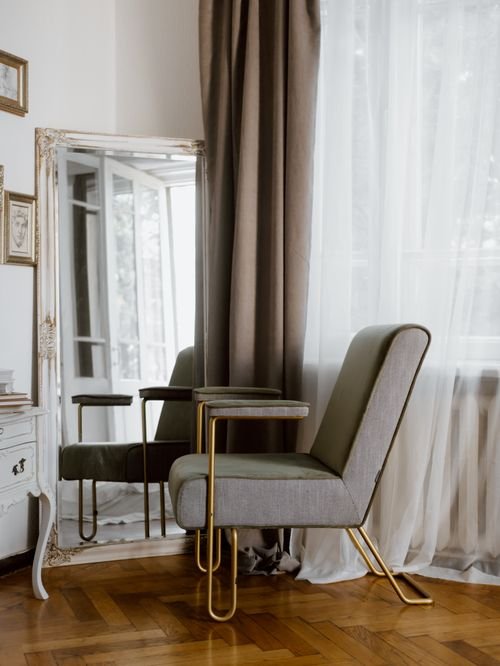
A corner chair is a single seat placed into or angled across a room corner, so the two walls frame it and turn unused floor space into a useful sitting spot. It can be a compact armchair, a slipper chair, a swivel chair, or a small lounge chair — the defining thing is not the style, it is the placement. Unlike a chair pushed flat against one wall, a corner chair usually sits at an angle, which opens up the seat to the room and makes the corner feel like a destination instead of a gap.
I like corner chairs because they solve two problems at once: they give you an extra seat without rearranging the whole room, and they finish a corner that otherwise looks unfinished. In a rental, that matters even more — no built-ins, no drilling, just a chair, a small table, and a light.
Why You’ll Love These Corner Chair Ideas
- They rescue dead space. Corners are the most commonly wasted square feet in a home, and one chair puts them to work.
- They add seating without a sofa. One good seat is often all a small room needs for guests, reading, or morning coffee.
- They are renter-friendly. Nothing here needs wall mounting, wiring, or a renovation.
- They create a destination. A chair plus a light plus a surface reads as a nook, not as furniture pushed aside.
- They work in every room. The same principles fit a living room, a bedroom, a home office, and a hallway corner.
- They are budget-flexible. A slipper chair or a secondhand find can do this job as well as a designer piece.
Corner Chair Ideas for Living Rooms
Living room corners are usually the biggest and the most visible, so they reward a chair with a bit of presence. Keep the footprint honest: most of these ideas need a square of about 4 by 4 feet once you count the chair, a side table, and room to walk past.
1. The 45-Degree Angle Classic
Angle a compact armchair at 45 degrees into the corner, with a small round side table on one side and a floor lamp behind the other. This is the placement I return to most, because it faces the room instead of the wall and leaves a triangle of breathing room behind the chair for a plant or a basket. Try it: tape a 36-inch square on the floor first — if you can walk around the taped square without shuffling sideways, the angle will work.
Best for: living rooms where the corner sits beside a sofa or a fireplace. Plan for a chair 28 to 32 inches wide and a side table no wider than 18 inches, so the grouping stays light.
2. The Barrel Chair That Softens Two Walls
A barrel chair, with its curved back wrapping around three sides, is made for corners because it has no sharp corners of its own. The curve echoes the corner instead of fighting it, and the chair looks good from the sofa side and the doorway side alike. Try it: pair it with a round rug, even a small one — the repeated curves make the whole corner read as one deliberate shape.
Best for: rooms full of rectangles — boxy sofas, square coffee tables, straight shelving. A barrel chair in bouclé or performance fabric softens all of it.
3. The Swivel Chair for Open Plans
In an open-plan room, a corner chair on a swivel base earns its keep: spin toward the conversation, spin toward the television, spin toward the window. Because the chair turns, you do not have to commit the corner to a single view, which is exactly what open rooms need. Try it: leave 3 inches of clearance on every side of the base, and keep the side table outside the spin radius so nothing gets knocked.
Best for: corners at the edge of a living-dining space, where one seat serves two zones. Look for a seat height within 2 inches of your sofa seat, or conversation feels lopsided.
4. The Pair That Builds a Conversation Corner
Two matching chairs angled toward each other across a tiny table turn a wide corner into a conversation spot, no sofa required. This works beautifully in a corner formed by a window wall and a solid wall, where the chairs catch daylight from one side and lamplight from the other. Try it: keep 8 feet or less between the facing seats — beyond that, people stop talking and start shouting.
Best for: larger living rooms, bay-window corners, and homes where guests gather in small groups rather than around one big sofa.
5. The High-Back Anchor for a Dark Corner
Dark corners swallow light and look smaller than they are, and a high-back chair fixes that by giving the eye something tall to land on. Choose a chair with a back 38 to 42 inches high, add a floor lamp that washes light upward, and suddenly the corner has height instead of gloom. Try it: pick a lighter upholstery here — cream, oatmeal, or sage — so the tall shape does not read as a dark block.
Best for: north-facing corners, corners far from windows, and rooms where the overhead light never quite reaches.
Also Read: 12 Reading Chair Ideas for the Perfect Nook
Corner Chair Ideas for Bedrooms and Small Spaces
Bedroom corners are smaller and quieter, so the chair here should be slimmer, lower, and easier to live with. The job is usually one of three things: a place to put on shoes, a reading seat before bed, or a landing spot for tomorrow’s clothes.
6. The Slipper Chair for a 26-Inch Corner
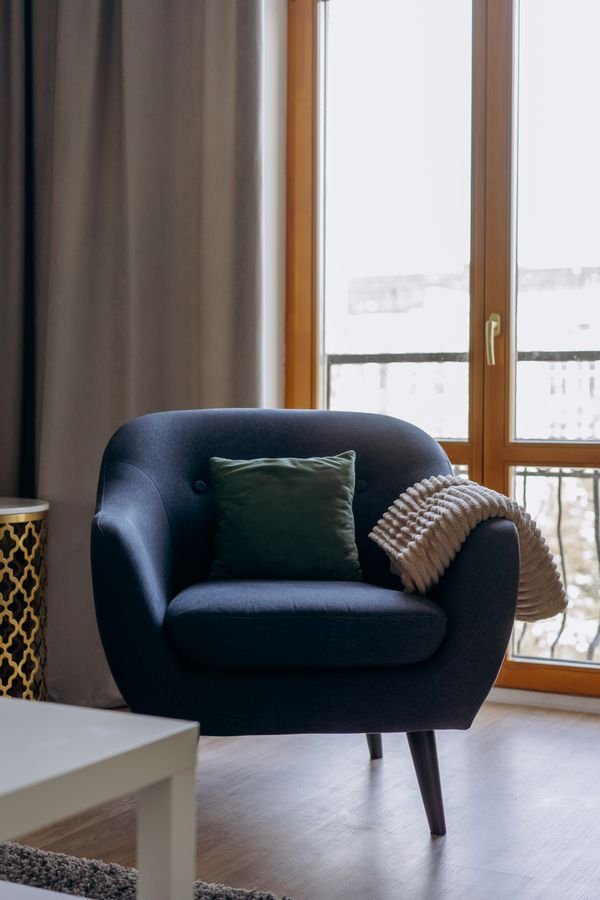
When the corner measures barely more than two feet wide, a slipper chair is often the only real chair that fits. Armless and low, it slides into a gap that would make an armchair look squeezed, and it doubles as a dressing chair in the morning. Try it: skip the side table here and mount a tiny wall shelf at 24 inches high for a book and a phone — the chair keeps its footprint, and you still have a surface.
Best for: studio apartments, small bedrooms, and hallway corners. Be honest about the trade-off: without arms, long reading sessions get tiring, so treat this as a beautiful perch, not a lounge seat.
7. The Bedroom Reading Seat
Claim the quietest bedroom corner, add a chair with a supportive back, a small table within arm’s reach, and a lamp with its shade bottom at your seated eye level. That is the whole formula, and it works because the corner’s two walls block distractions from the rest of the room. Try it: angle the chair toward the window for daylight reading, and put the lamp behind your reading shoulder for evenings — never directly overhead, where it glares.
Best for: readers who want a wind-down spot that is not the bed. Keep the chair at least 3 feet from the bed so the room does not feel crowded.
8. The Papasan Corner for Pure Comfort
A papasan chair, with its round bowl frame and fat cushion, turns a corner into a curl-up nest. The round shape is deceptive, though: a 44-inch bowl needs a 50-inch corner once you count the frame, so measure the diagonal, not just the width. Try it: add a chunky knit throw and a small plant beside it, and keep everything else in the corner minimal — the bowl is the whole statement.
Best for: boho bedrooms, teen rooms, and anyone who sits cross-legged. Budget for cushion fluffing: papasan cushions need rotating to stay even.
9. The Storage Corner Seat
A corner chair with a basket underneath or a storage ottoman beside it does double duty in a small room: seating plus a home for throws, magazines, or charging cables. I like this in bedrooms where a dresser already eats the wall space, because the corner seat hides clutter in plain sight. Try it: choose one basket, not three — a single woven basket under or beside the chair looks styled, while a cluster looks like storage overflow.
Best for: small bedrooms and studio apartments where every piece must earn its floor space twice.
10. The Window Corner Lounge
If your corner includes a window, push the chair as close to the glass as comfort allows and let daylight do the decorating. A low-profile lounge chair, 30 inches wide or less, sits happily under a window without blocking light, and a sheer curtain softens the whole corner. Try it: face the chair slightly into the room, not straight out the window — you get the light over your shoulder and the room gets a styled corner, not a chair back.
Best for: sunny corners, plant lovers (one trailing plant on the sill completes this), and slow weekend mornings.
Corner Chair Ideas for Work, Dining, and Entry Corners
Not every corner is for lounging. Some of the hardest-working corners in a home are the ones by the front door, beside a desk, or at the end of a dining table — and a chair makes each of them usable instead of awkward.
11. The Home Office Corner Chair
Beside a desk, this seat becomes the thinking seat: the place you move to for a phone call, a paper read-through, or a five-minute reset away from the screen. Pick something upright rather than slouchy, so it supports a working posture, and keep it light enough to pull out when a colleague or client visits. Try it: put a small side table between the desk chair and this seat — it becomes shared surface for both seats.
Best for: home offices, study corners, and bedrooms with a desk zone. Avoid a deep lounge chair here; it invites naps, not notes.
12. The Dining Corner Banquette Chair
In a dining nook, a corner banquette — a built-in or freestanding bench seat fitted into the corner — seats more people than chairs ever will, because it uses both walls. Pair it with a pedestal table (no legs to fight for foot room) and two loose chairs on the open side, and a tight breakfast corner seats four comfortably. Try it: leave 18 inches of table overhang past the bench edge, so people can slide in without the table edge digging into their legs.
Best for: kitchen nooks, bay-window dining corners, and families who eat most meals at the same small table.
13. The Entryway Perch
An entryway corner is perfect for a small, sturdy chair: somewhere to sit while putting on shoes, set down bags, and pause before heading out. Choose a durable fabric or leather that handles daily use, and add a hook or a small tray above for keys. Try it: keep the chair’s back to one wall and its side open to the door — you sit down facing the room, not the wall, which feels welcoming instead of cramped.
Best for: entryways, mudrooms, and hallway corners near the front door. Skip anything white or delicate here; this chair works for a living.
14. The Nursery Corner Rocker
A corner rocker or glider in a nursery uses the walls as a natural windbreak, which makes the corner feel sheltered for late-night feeds and early-morning cuddles. Gliders beat rockers in tight corners because they move on a fixed track instead of travelling across the floor. Try it: leave clearance behind the chair for the motion, and put a small table on the side your dominant hand reaches — water, phone, and book all within reach, no getting up.
Best for: nurseries and guest rooms that double as nurseries. Choose a washable fabric; this corner sees more spills than any other.
15. The Statement Chair That Owns the Corner
Sometimes the corner deserves a star: one bold chair — emerald velvet, burnt-orange bouclé, or a sculptural rattan peacock shape — with nothing else competing for attention. This works when the rest of the room is quiet, because the chair becomes the room’s jewelry. Try it: repeat the chair’s color once more in the room, in a pillow or a piece of art, so the bold choice looks collected rather than random.
Best for: minimal rooms, rooms with plain walls, and anyone who wants one confident piece instead of a full redecoration.
How to Measure and Place a Corner Chair
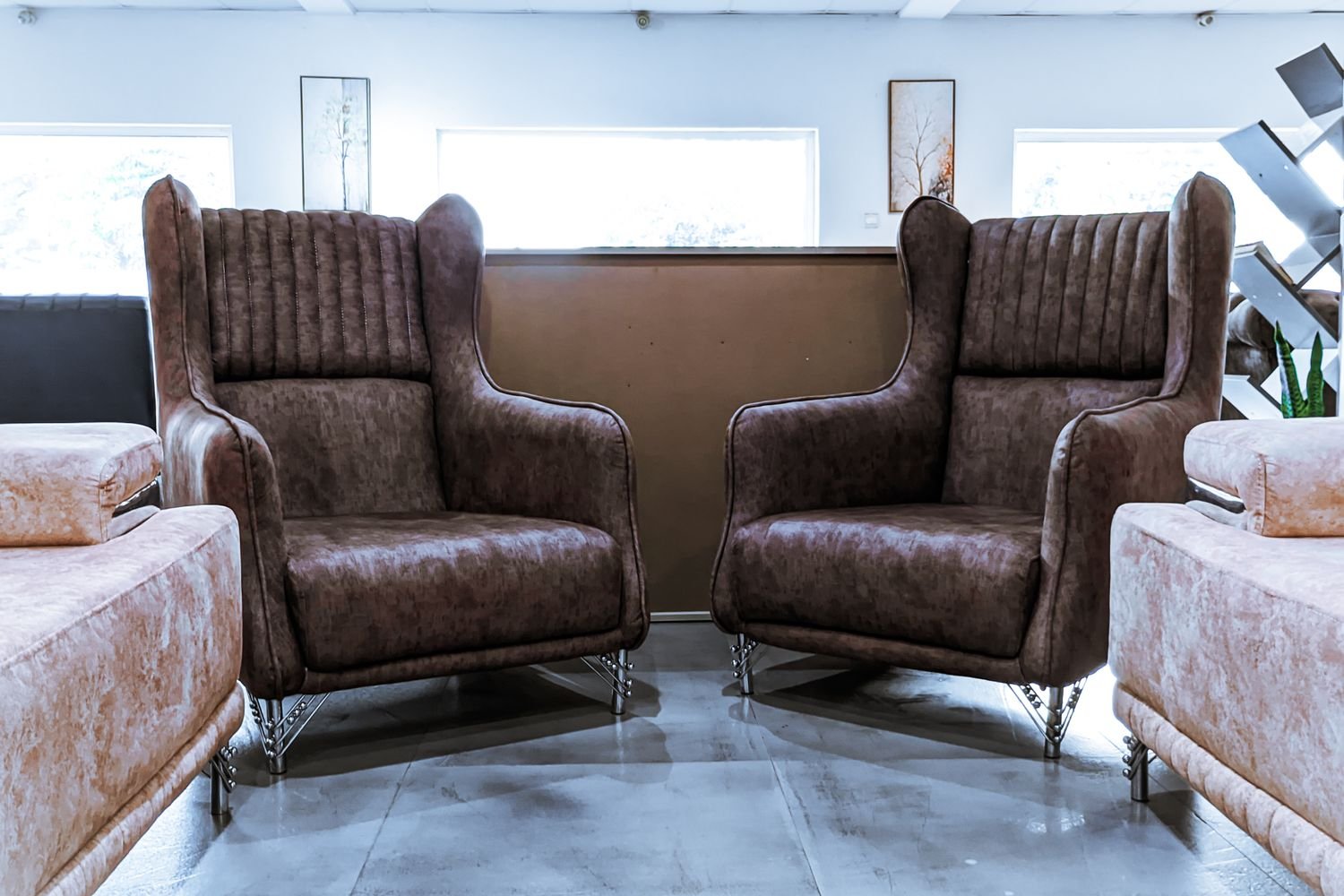
Before you buy, measure both walls from the corner outward, then measure the diagonal across the corner — chairs sit at an angle, so the diagonal is the number that actually matters. Tape the chair’s footprint on the floor with painter’s tape and live with the outline for two days; you will discover walkway collisions and door swings that no product photo reveals.
Three placement rules save most corners. First, leave 18 inches minimum for walkways, 24 to 30 inches for main paths. Second, keep 14 to 18 inches between the chair and any coffee table, so legs have room. Third, angle the chair 30 to 45 degrees to the walls rather than shoving it flush into the corner — flush looks squeezed, angled looks styled, and you gain a useful triangle behind the chair for a plant or a basket. For safety in homes with small children, check the stability of any tall or top-heavy piece nearby and anchor it if needed; the U.S. Consumer Product Safety Commission’s AnchorIt guidance covers the basics of securing furniture.
Light placement matters as much as the chair. A floor lamp slightly behind and to the side of your reading shoulder beats an overhead light every time, and a small table within arm’s reach (16 to 20 inches wide) completes the corner without crowding it.
Common Mistakes to Avoid
- Buying before measuring the diagonal. A chair that fits the wall width can still fail the corner diagonal. Fix: tape the footprint and check the angle, not just the width.
- Pushing the chair flush into the corner. Flush looks like the chair was shoved aside. Fix: pull it out and angle it 30 to 45 degrees, so the seat faces the room.
- Choosing a chair that is too big for the corner. An oversized chair in a small corner blocks walkways and dominates the room. Fix: for corners under 4 feet square, stay under 30 inches wide and consider an armless style.
- Forgetting the light. A chair in a dark corner goes unused, no matter how comfortable it is. Fix: add a floor or wall light before you judge the chair.
- Overfilling the corner. Chair plus table plus lamp plus plant plus shelves plus basket equals clutter, not a nook. Fix: chair, one surface, one light — then stop.
- Ignoring seat height. A chair that sits far above or below your sofa makes conversation feel lopsided. Fix: match seat heights within 2 inches.
- Picking fabric for the photo, not the room. Light bouclé in an entryway or by a muddy back door will not stay light. Fix: performance fabric or leather for hardworking corners, delicate fabrics for quiet ones.
Corner Chair Ideas at a Glance
| Corner | Best Pick | When to Use It |
|---|---|---|
| Living room | Angled armchair or swivel chair | You want an extra seat that faces the room and serves guests |
| Small bedroom | Slipper chair | The corner is under 30 inches wide and needs a slim perch |
| Reading corner | High-back or barrel chair | You sit for an hour or more and need back and head support |
| Dining nook | Corner banquette | You want to seat four in a tight breakfast corner |
| Entryway | Sturdy small chair | You need a shoe-changing perch that handles daily wear |
| Statement corner | Bold velvet or sculptural chair | The room is quiet and one confident piece will carry it |
Frequently Asked Questions
What size chair fits in a corner?
For most corners, a chair 28 to 32 inches wide works well, with about 4 by 4 feet of floor space for the chair, a small table, and walkway clearance. Measure the diagonal across the corner, not just the wall width, and tape the footprint on the floor before buying.
Should a corner chair face the wall or the room?
Face the room. Angle the chair 30 to 45 degrees to the walls so the seat opens toward the seating area. Facing the wall makes the corner feel like a time-out spot, while facing the room makes it part of the conversation.
Can a corner chair work in a really small apartment?
Yes — that is where it shines. A slipper chair or a slim barrel chair under 30 inches wide fits corners that a full armchair cannot, and one chair plus a wall shelf gives you a complete nook without a side table.
How do I style a corner chair so it does not look shoved aside?
Give it the full nook treatment: a small side table, a light source, and one soft layer like a throw or a cushion. Three elements read as intentional; a chair alone in a corner reads as storage.
Is a swivel chair good for a corner?
Yes, especially in open-plan rooms, because one seat can face the television, the conversation, or the window. Leave 3 inches of clearance around the base and keep the side table outside the spin radius.
What is the best chair for a dark corner?
A high-back chair in a light upholstery, paired with a floor lamp that washes light upward. The height gives the corner structure, the light color keeps it from reading as a dark block, and the lamp fixes the gloom that made the corner dead in the first place.
How much should I spend on a corner chair?
Decent options cluster at $100 to $250 for budget finds, $250 to $600 for the sweet spot of solid frames and better foam, and $600 to $1,500 or more for designer pieces. Spend the most on the chair you will sit in daily; a hallway perch can be a budget buy.
Can I put a corner chair in a dining room?
Yes, with a banquette or a single chair at the end of a small table. A pedestal table works best, because it leaves foot room free, and a bench fitted into the corner seats more people than loose chairs in the same space.
Final Thoughts
A corner chair is the smallest change that makes a room feel finished, because it turns the one spot everyone ignores into the spot everyone uses. Measure the diagonal, angle the chair toward the room, add one light and one surface, and stop before the corner gets crowded. Start with the corner you walk past most — that is the one that will reward you first — and let the chair earn its place one quiet sit at a time.

Founder of NestFlavors — sharing tested recipes and honest home ideas, made for real life.