
Clear, simple, and endlessly restyleable — glass vases are the hardest-working decor you already own.
I keep a crate of vases under my console table, and I reach into it more than any other decor I own. Birthdays, dinner parties, Tuesday nights when the living room just feels flat — there’s almost always a glass vase solution.
Here’s what I love about them: glass vases go with everything. They disappear into any color scheme, they bounce light around dark corners, and unlike a trendy ceramic that locks you into one look, a clear vase restyles itself every time you change what’s inside. In this guide I’m sharing 15 glass vases styling ideas — room by room, plus the fillers and tricks that make a $6 thrift-store vase look like a designer piece.
Fæ, CC0 via Wikimedia Commons
What Are Glass Vases?
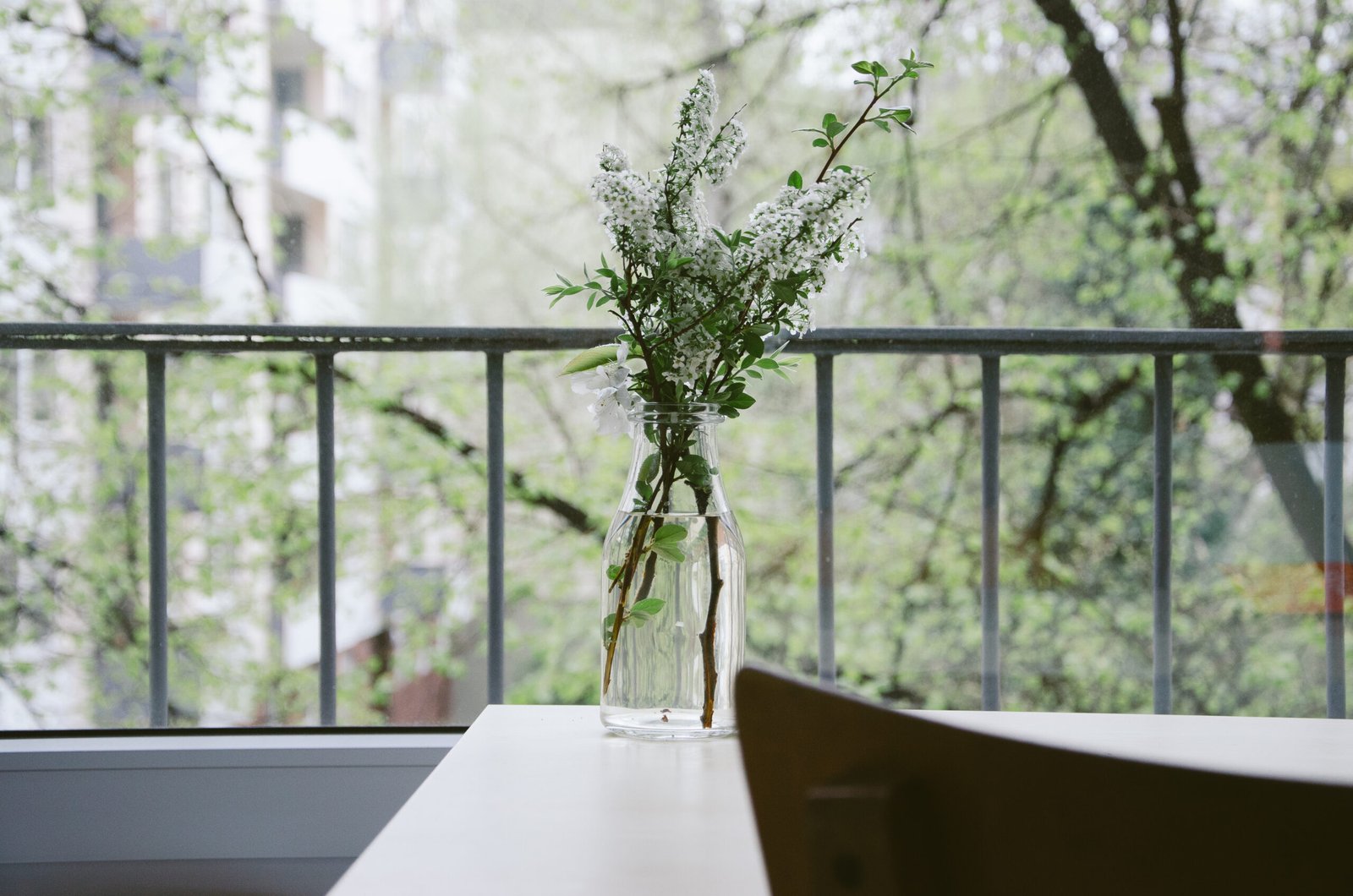
Glass vases are transparent vessels designed to hold flowers, branches, or decorative fillers — and because they’re clear, they double as display pieces for whatever you put inside them. They come in every shape from tiny bud vases to floor-standing cylinders, and their see-through quality makes them the most versatile styling object in home decor.
Most people buy vases for flowers and then leave them in a cabinet the rest of the year. That’s the waste I’m fixing today. The transparency that makes them perfect for stems also makes them perfect for candles, ornaments, fruit, sand, fairy lights — basically a blank canvas you can repaint every season without buying anything new.
Why You’ll Love Styling With Glass Vases
- They match literally everything. Clear glass has no color to clash, so they work in a farmhouse kitchen, a modern loft, and your grandma’s dining room equally well.
- They make small rooms feel bigger. Transparent objects don’t block sight lines. A glass vase on a crowded shelf adds interest without adding visual weight.
- They’re dirt cheap to start. Thrift stores are overflowing with them for $2–$8. The ideas in this guide are built around vases you can find anywhere.
- One vase, four seasons. Swap the filler — spring tulips, summer citrus slices, fall branches, winter ornaments — and the same vase looks brand new.
- They photograph beautifully. If you care how your home looks on camera (and who doesn’t these days), they catch light in a way that makes every corner look styled.
- They’re renter-friendly. No holes, no paint, no commitment. A vase is decor you can take with you when you move.
Glass Vases for the Living Room
The living room is where your vases earn their keep. These are the spots guests actually see — the mantel, the coffee table, the bookshelf — so this is where styling matters most.
Fæ, CC BY 4.0 via Wikimedia Commons
1. The Mantel Trio
Group three vases of different heights on your mantel — tall, medium, short — and leave two empty while the tallest holds a few branches. The empty ones aren’t unfinished; they’re negative space, and they make the arrangement look intentional instead of cluttered.
I use this on my own mantel from October through March with bare branches, then switch the tall vase to fresh flowers in spring. The two empty vases stay put year-round and nobody questions them. Odd numbers read as styled; even numbers read as storage, so always go odd.
Try it: gather three clear glass vases you already own, line them up tallest in the middle, and put curly willow or eucalyptus in the center one only.
2. Coffee Table Anchor
A low, wide glass vase — a bowl vase or a short cylinder — anchors a coffee table without blocking conversation across it. Keep the total height (vase plus contents) under 12 inches so sight lines stay open. This is the number-one rule I give friends: if you can’t see the person across the table, the vase is too tall.
Fill it with something low-maintenance that looks good for weeks: dried hydrangeas, a cluster of succulents on pebbles, or just water with floating candles for evenings. The glass keeps it feeling light, which matters on a surface that’s already holding books and remotes.
Try it: put a low glass bowl vase on a tray with one candle and a small stack of coasters — instant coffee table vignette.
3. Bookshelf Breathing Room
Bookshelves get visually heavy fast. Tucking a small glass vase between book stacks breaks up the density and catches light. I keep a bud vase on my shelf with a single stem that I change whenever I walk past with fresh flowers — one stem, zero effort, big payoff.
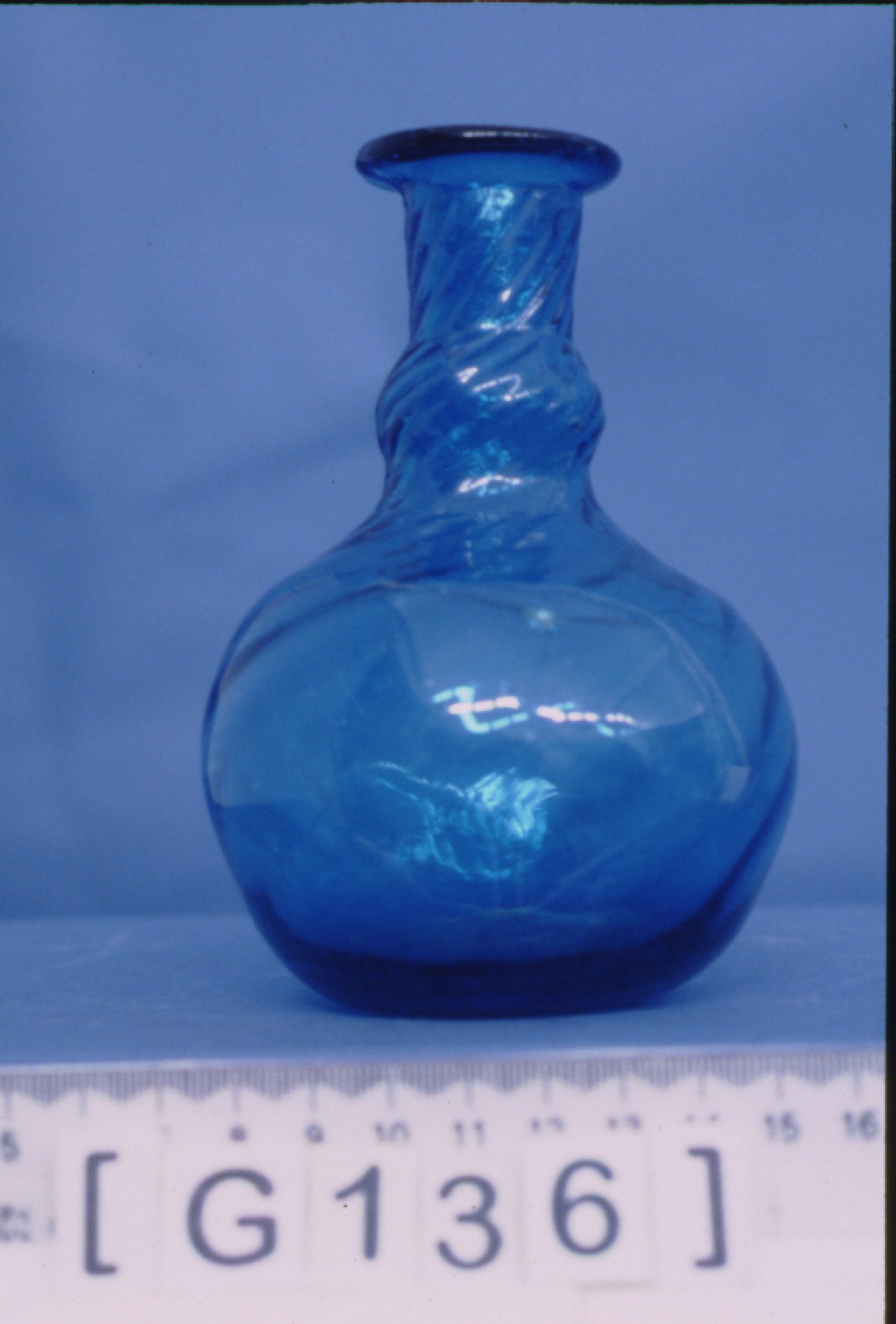
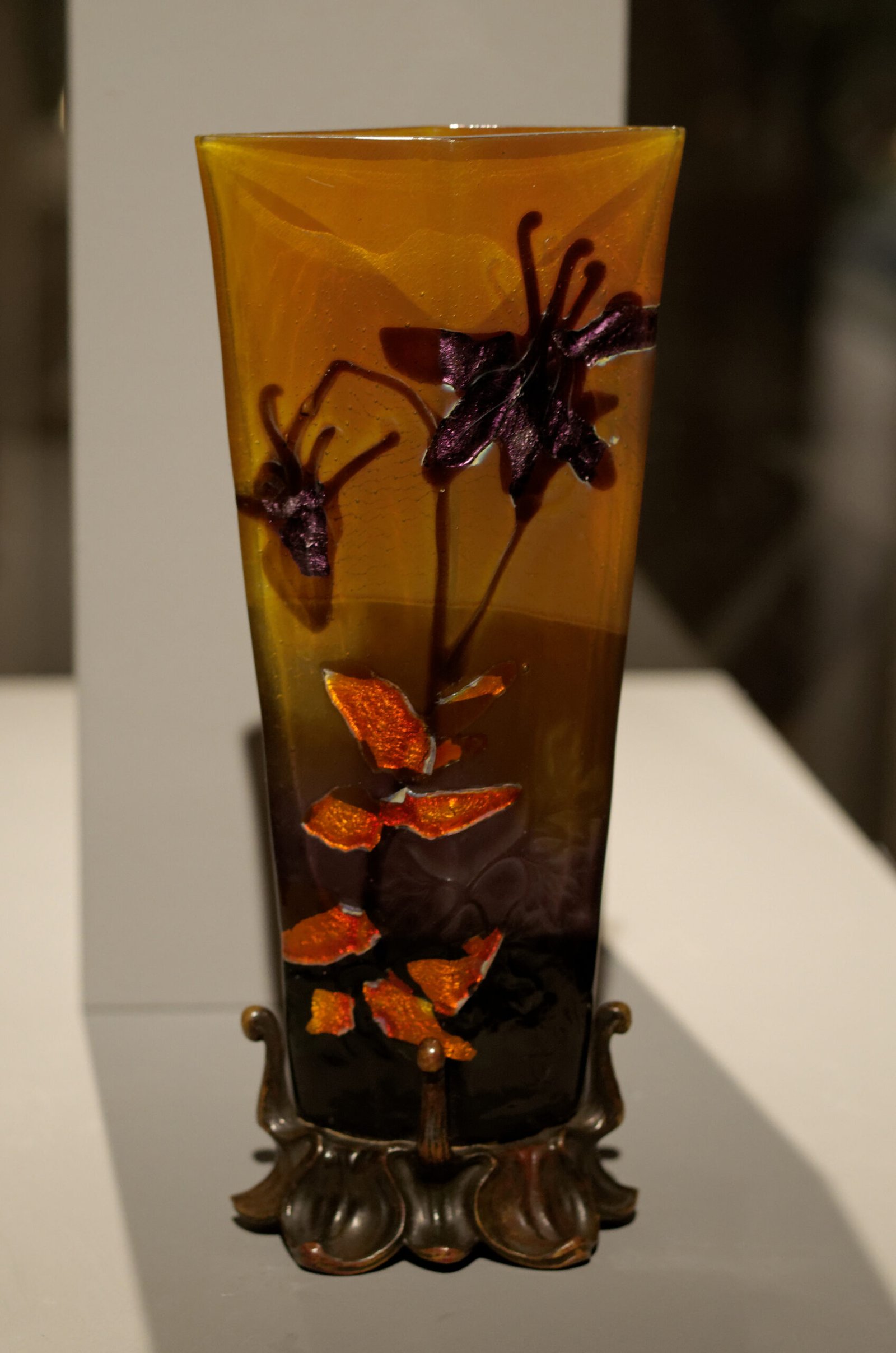
The trick is scale: the vase should be no taller than the books beside it, and it should sit slightly forward of the book spines so it reads as its own moment. Colored-glass versions work especially well here — a smoky gray or amber bud vase adds warmth without competing with book covers.
Try it: clear one 6-inch gap on a crowded shelf, add a bud vase with a single eucalyptus stem, and step back — the shelf instantly looks curated.
4. The Floor Vase Statement
One oversized floor vase in an empty corner does more than a whole gallery wall of small things. Look for vases 24 inches and taller — tall cylinders, trumpet shapes, or big apothecary jars — and fill them with pampas grass, dried palm fronds, or tall branches that need zero water and last for months.
This is my favorite fix for the awkward corner next to a sofa that nothing fits in. A floor vase fills vertical space, draws the eye up, and costs a fraction of a floor lamp or a plant you’d have to keep alive. Just make sure the base is wide enough that it can’t tip — dried arrangements are top-heavy.
Try it: place a tall glass vase in your most awkward empty corner with three stems of pampas grass and nothing else.
Glass Vases for the Dining Room and Kitchen
Dining spaces are where vases shine as centerpieces — but the rules are different here. Sight lines, food smells, and daily use all change what works.
5. The Low Dining Centerpiece
For the dining table, go wide and low. A row of three small vases down the center of the table — each with a different single stem — looks far more expensive than one big arrangement, and everyone can still see each other. Keep everything under 10 inches tall so conversation flows over the top.
I do this for dinner parties with whatever’s in season: three bud vases, three different flowers, done in two minutes. When the meal’s over, the vases scatter to side tables and the look keeps working around the room.
Try it: line up three matching bud vases down your table runner with one stem each before your next dinner.
6. Herb Garden Vases on the Windowsill
Small vases are perfect for rooting herb cuttings — basil, mint, rosemary — right on the kitchen windowsill. You get free herbs, the water and green stems look beautiful through the glass, and guests always ask about it. Change the water every few days so it stays clear and the cuttings actually root.
Use a set of matching small vases or even clean jam jars (same idea, zero cost) in a row. Once the herbs root, pot them up and start new cuttings. It’s the rare decor that’s also dinner.
Try it: snip three basil stems, put each in a small glass vase of water on the sill, and watch roots appear in about a week.
7. Fruit-Infused Summer Centerpiece
This one gets compliments every single time: nest a small glass vase inside a larger one, fill the gap between them with sliced lemons or limes and water, then put flowers in the inner vase. The citrus ring glows through the glass and the whole thing smells faintly amazing.
It takes five minutes and looks like a catering-company centerpiece. Swap the fruit every two days so it stays fresh — cloudy water ruins the effect. Oranges work for fall, cranberries and water work for the holidays, and it’s endlessly adaptable.
Try it: try the double-vase citrus trick for your next summer gathering and watch people photograph it.
8. Open-Shelf Display in the Kitchen
If you have open kitchen shelving, a row of empty vases in graduated sizes is both decor and storage. I keep my everyday vases on the shelf above my coffee station — they look intentional lined up, and they’re right where I need them when flowers come home.
Mix clear with one or two tinted ones (amber, sea glass green) for warmth. Keep the largest vases on the ends to frame the row, and don’t overthink it: utility displayed neatly IS decor in a kitchen.
Try it: pull every glass vase out of your cabinet, line them on one open shelf by height, and leave them there.
Glass Vases for the Bedroom, Bathroom, and Entryway
Smaller rooms, smaller vases, softer looks. These are the private spaces where glass vases add calm rather than drama.
Yelkrokoyade, CC BY-SA 3.0 via Wikimedia Commons
9. The Nightstand Bud Vase
A single bud vase with one stem on the nightstand is the smallest luxury I know. It takes ten seconds, costs almost nothing, and makes the bedroom feel like a hotel. Lavender, eucalyptus, or a single rose — anything with a gentle scent earns bonus points here.
Keep it tiny: a 4–6 inch bud vase won’t crowd your lamp, book, and water glass. I refill mine when I change my sheets, which is the only schedule I can actually stick to. Faux lavender works too if fresh flowers feel like too much upkeep — nobody’s judging.
Try it: put one stem in a bud vase on your nightstand tonight and notice how different the room feels in the morning.
10. Spa-Style Bathroom Vignette
A medium vase filled with rolled washcloths, bath salts layered over pebbles, or a big bunch of eucalyptus turns a basic bathroom into a spa moment. Eucalyptus is my top pick — it loves bathroom humidity, lasts for weeks, and the steam releases its scent every time you shower.
Hang the eucalyptus bunch from the shower head with twine if you want the full effect, or stand it in a tall glass vase on the vanity. Either way, keep the vase away from direct splash zones so water spots don’t build up on the glass.
Try it: stand a $5 eucalyptus bunch in a tall glass vase on your bathroom counter and call it a spa day.
11. Entryway Welcome Vase
The entryway sets the tone for your whole home, and a glass vase is the fastest way to make it feel finished. A tall, narrow vase with branches works in spaces too slim for furniture — it fills vertical space without eating floor space.
Rotate the contents with the seasons and your entryway always looks current: forsythia branches in spring, grasses in summer, colorful foliage in fall, pine and berries in winter. One vase, four free makeovers a year from your yard or the grocery store flower section.
Try it: put the tallest glass vase you own by your front door with whatever branches are in season right now.
Glass Vase Fillers and No-Flower Ideas
Here’s the part most guides skip: vases don’t need flowers at all. Because they’re transparent, the filler IS the decor. These are my most-used tricks for the months (or moods) when fresh flowers aren’t happening.
BMacZeroBot, Public domain via Wikimedia Commons
12. Layered Sand and Shells
Fill a glass vase one-third with sand, add a layer of small shells or pebbles, and top with a candle or leave it as is. It’s a beach vacation in a vase, it costs almost nothing, and it never wilts. Craft stores sell colored sand for a couple of dollars if you want stripes — white, then blue, then natural makes a gorgeous ombré.
This works best in vases with a mouth wide enough to arrange the top layer, and it looks especially good in bathrooms and coastal-style rooms. Shake it flat, don’t pack it — loose layers look more natural.
Try it: layer two colors of craft sand in a cylinder vase and top with three shells you already own.
13. Floating Candles
Fill a wide glass vase three-quarters with water, drop in two or three floating candles, and scatter a few flower petals or cranberries on the surface. Light them at dinner and the flickering reflection through the glass does all the decorating for you. This is my emergency “guests in 20 minutes” centerpiece.
Use unscented candles if food is on the table — scented candles and dinner are a bad mix. LED floating candles work just as well and you can reuse them forever, which I recommend if you have kids or cats.
Try it: set up one floating-candle vase before your next dinner party and time how fast someone asks about it.
14. Seasonal Ornament Fill
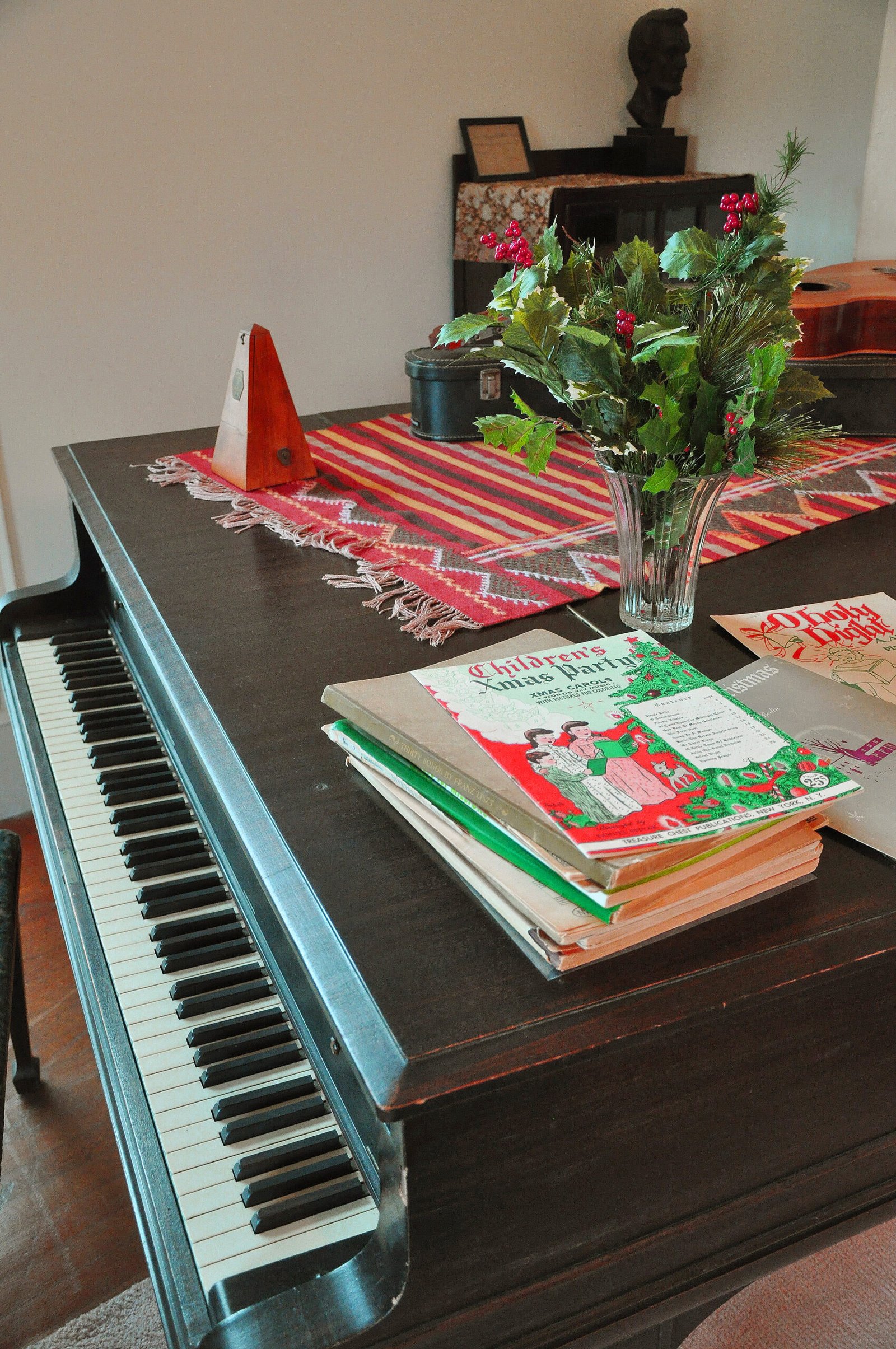
Vases are made for holidays: fill them with glass ball ornaments at Christmas, candy hearts at Valentine’s Day, mini pumpkins in fall, or pastel eggs at Easter. Fill only one-third to two-thirds full — a half-full vase looks styled, a stuffed one looks like storage.
I keep a bin of “vase fillers” with my holiday decor so the swap takes five minutes. After the holiday, the vase goes back to branches or empty, and the fillers go back in the bin. No new purchases, ever.
Try it: fill a hurricane-style glass vase halfway with ornaments from your tree box this December.
15. Fairy Lights in a Bottle
Coil a string of battery fairy lights inside a glass vase or bottle, hide the battery pack behind it, and you’ve got a glowing accent lamp for about $5. I use these on bookshelves, in bathrooms, and on the patio table in summer — anywhere an outlet isn’t convenient.
Warm white lights look classy; multicolor looks like a dorm room, so choose accordingly. Add dried flowers or pinecones around the lights for texture, or leave the vase empty and let the glow be the whole show. The timer function on most fairy lights means you set it once and forget it.
Try it: drop one $5 fairy light string into a tall glass vase on a dark shelf tonight.
Pro Tips for Styling Glass Vases Like a Designer
A few rules I follow every time, no matter the room:
- Clean the glass. Water spots and dust are ten times more visible on clear glass than on anything else. A quick vinegar rinse keeps them crystal clear — cloudy vases cheapen the whole look.
- Style in odd numbers. Three vases beat two, five beats four. Odd groupings look curated; even groupings look like you bought a set and stopped thinking.
- Vary the heights. A cluster of same-height vases looks flat. Aim for at least a 4-inch difference between the tallest and shortest in any grouping.
- Match the vase to the stem. Narrow-neck vases suit single stems and structured bundles; wide-mouth vases suit loose, garden-style arrangements. Forcing a big bouquet into a bud vase (or vice versa) always looks wrong.
- Don’t hide the mechanics. Floral foam and stem supports show through glass — use clear floral tape grids or decorative stones instead, or just embrace visible stems as part of the look.
- Leave some empty. An empty glass vase is a design object, not a failure. Glass catches light beautifully on its own, especially near windows.
Common Mistakes to Avoid With Glass Vases
- Using vases that are too tall for the table. A centerpiece that blocks faces kills conversation. Fix: keep dining arrangements under 10 inches total and coffee table pieces under 12.
- Letting the water go cloudy. Nothing ruins them faster than murky water — the whole point is transparency. Fix: change water every 2–3 days and trim stems each time.
- Overfilling every vase. Cramming a vase full of fillers or flowers looks busy, not abundant. Fix: fill one-third to two-thirds, and let negative space do the work.
- Ignoring scale. A tiny bud vase disappears on a big mantel; a floor vase overwhelms a small side table. Fix: the vase should be roughly one-third the height of the surface area it’s styling — bigger surfaces, bigger vases.
- Mixing too many vase styles in one spot. Five different vases on one shelf looks like a yard sale. Fix: keep groupings to one or two silhouettes (all cylinders, or all curved) with varied heights.
- Forgetting the back side. Vases are visible from 360 degrees, and the stems look messy from behind. Fix: strip leaves below the waterline and arrange so the vase looks good from every angle — spin it before you call it done.
Glass Vases at a Glance
| Vase Type | Best For | Fill It With |
|---|---|---|
| Bud vase (4–6″) | Nightstands, shelves, table rows | Single stems, herbs, one rose |
| Cylinder (8–14″) | Mantels, centerpieces, bathrooms | Branches, layered sand, floating candles |
| Bowl / low vase | Coffee tables, dining tables | Dining tables |
| Trumpet / flared | Entryways, mantels | Tall branches, pampas grass |
| Floor vase (24″+) | Empty corners, beside sofas | Dried palms, tall grasses |
| Apothecary jar | Bathrooms, kitchens, holidays | Ornaments, bath salts, fairy lights |
Frequently Asked Questions About Glass Vases
How do you style glass vases without flowers?
Fill them with layered sand and shells, floating candles, seasonal ornaments, fairy lights, fruit slices, pinecones, or decorative stones. Because they’re transparent, the filler becomes the decor — no flowers needed.
What looks good in a tall glass vase?
Tall branches (curly willow, eucalyptus, forsythia), pampas grass, dried palm fronds, and long-stemmed flowers like delphinium all suit tall vases. Keep dried, top-heavy arrangements in vases with wide, stable bases.
How do I keep my vases from looking cloudy?
Wash with warm water and a splash of white vinegar, then air-dry upside down. For vases holding flowers, change the water every 2–3 days — cloudy water is the number-one thing that makes glass vases look cheap.
Can you put candles directly in glass vases?
Yes — use pillar candles inside wide vases with sand or pebbles at the base for stability, or floating candles in water-filled vases. Never let a flame touch the glass directly for long periods, and keep wicks trimmed.
What size vase do I need for a dining table centerpiece?
Keep the total height (vase plus contents) under 10 inches so guests can see each other. A row of three small bud vases or one low bowl vase works better than a single tall arrangement.
Are empty ones okay as decor?
Absolutely. An empty glass vase catches light and adds sculptural shape, especially near windows. Designers routinely style empty vases in groups of three — it’s a deliberate look, not an unfinished one.
How do you arrange flowers in a wide-mouth glass vase?
Make a grid across the mouth with clear floral tape, or fill the bottom with decorative stones to hold stems in place. Both stay nearly invisible through the glass, unlike floral foam which looks messy.
Where’s the best place to buy affordable glass vases?
Thrift stores, dollar stores, and craft store clearance sections are the best sources — most cost $2–$8 secondhand. Check for chips around the rim and base, and make sure the vase sits flat without wobbling.
Final Thoughts
Glass vases are the rare decor that gets more useful the longer you own them. Start with three in different heights, learn the filler tricks, and you’ll never stare at an empty corner or a bare table the same way again. Pull yours out of the cabinet this weekend — they’ve been waiting long enough.
For the long history of vases across cultures and materials, see Wikipedia’s overview of the vase.

Founder of NestFlavors — sharing tested recipes and honest home ideas, made for real life.