
The first time I tasted pasta I’d made with my own hands, I stopped buying the blue box for anything except emergencies.
These 13 homemade pasta recipes are everything I wish someone had handed me the day I started: four master doughs, four hand-shaped pastas that need zero special equipment, two filled pastas worth the effort, and three sauces built specifically for fresh noodles. Every recipe uses US measurements, honest timing, and the “why” behind the technique — plus how to dry, freeze, and store your pasta so none of it goes to waste. No pasta machine? Perfect. Most of this guide assumes you don’t own one.
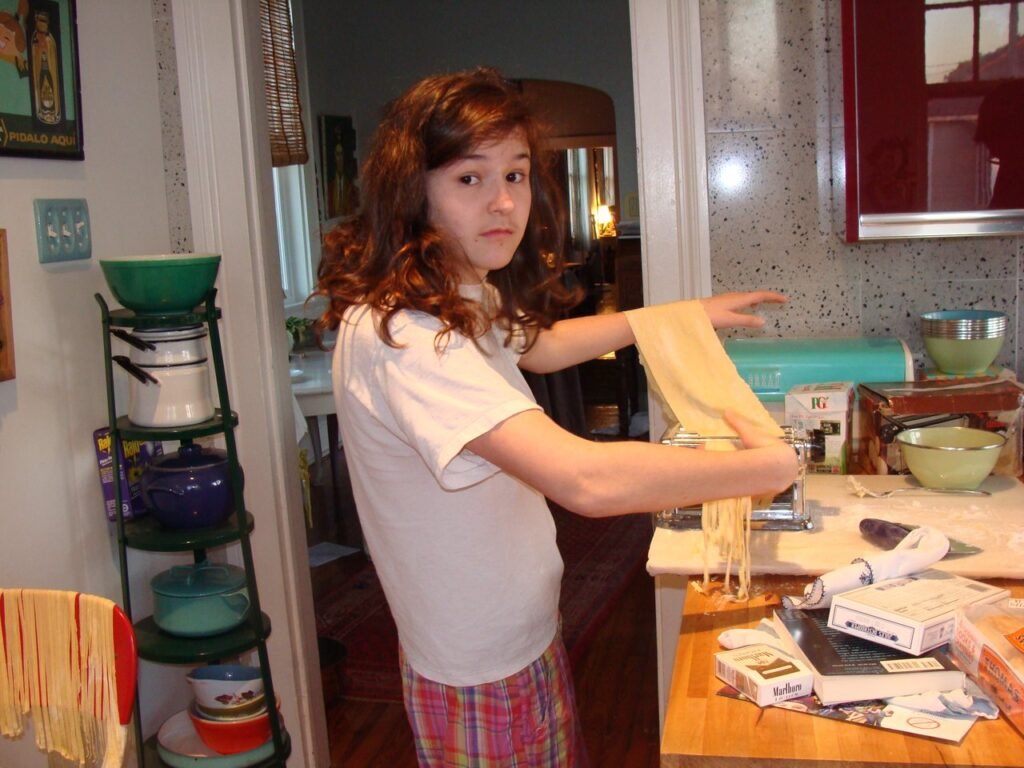
Table of Contents
- What Is Homemade Pasta?
- Why You’ll Love These Homemade Pasta Recipes
- The 5 Dough Rules (Read This Before You Start)
- Which Flour Should You Use for Homemade Pasta?
- How to Roll Pasta Without a Machine
- The Master Doughs
- Classic Egg Pasta Dough
- Eggless Semolina Dough (Southern Italian Style)
- Spinach Pasta Dough
- Cracked Black Pepper Pasta Dough
- Hand-Shaped Pastas — No Machine Needed
- Hand-Cut Tagliatelle
- Orecchiette (Little Ears)
- Pici (Hand-Rolled Tuscan Spaghetti)
- Potato Gnocchi with Brown Butter
- Filled Pastas Worth the Effort
- Three-Cheese Ravioli
- Spinach and Ricotta Tortellini
- Sauces Made for Fresh Pasta
- Garlic Butter Parmesan Sauce
- 20-Minute Fresh Marinara
- Brown Butter and Crispy Sage Sauce
- How to Dry, Store, and Freeze Fresh Pasta
- Common Mistakes to Avoid
- Homemade Pasta Recipes at a Glance
- FAQ
- Final Thoughts
What Is Homemade Pasta?
Homemade pasta is fresh pasta made by mixing flour and eggs (or flour and water) into a dough, kneading it, resting it, rolling it thin, and cutting or shaping it by hand — then cooking it in 2 to 3 minutes in boiling salted water. Unlike dried boxed pasta, homemade pasta recipes produce noodles with a tender, silky bite and a rougher surface that grabs sauce.
The standard ratio you’ll see across Italian kitchens is simple: about 1 large egg per 100 grams (roughly 3/4 cup) of flour. That ratio is your anchor. Everything else — resting, kneading, rolling — is technique, and technique is exactly what this guide teaches.
Why You’ll Love These Homemade Pasta Recipes
- Taste you can’t buy. Fresh pasta cooks in 2-3 minutes and has a tender, eggy richness that dried pasta can’t touch.
- No machine required. Four of these homemade pasta recipes are shaped entirely by hand — a rolling pin and a knife are the fanciest tools you’ll need.
- Cheaper than you think. Flour, eggs, salt. A batch that feeds four costs less than one box of premium imported pasta.
- Four doughs, endless dinners. Learn the master doughs once and you can spin out dozens of shapes and meals.
- Freezer-friendly. Fresh pasta freezes beautifully, so a Sunday batch becomes three weeknight dinners.
- It’s genuinely fun. Kneading dough is the most satisfying 10 minutes in home cooking. Kids love the shaping part too.
The 5 Dough Rules (Read This Before You Start)
Most homemade pasta recipes skip straight to the mixing, but these five rules are the difference between silky noodles and a frustrating mess. I learned every one the hard way.
1. Weigh your eggs, not just your flour. Eggs vary wildly in size, and pasta dough is unforgiving about hydration. The classic Italian ratio is 1 large egg (about 50 grams without shell) per 100 grams of flour. If your dough feels dry and shaggy after mixing, the eggs were probably small — add water 1 teaspoon at a time rather than dumping flour in.
2. Knead a full 8-10 minutes. This isn’t optional. Kneading develops gluten, the protein network that gives pasta its chew and structure. Under-kneaded dough tears when you roll it and cooks up gummy. You’ll know you’re done when the dough is smooth as a baby’s cheek and springs back slowly when you poke it.
3. Rest the dough at least 30 minutes. Freshly kneaded dough is tight and springy — try to roll it and it fights you like a rubber band. Resting lets the gluten relax and the flour fully hydrate. Wrap it tight in plastic wrap (exposed dough forms a dry skin in minutes) and walk away.
4. Roll thinner than you think. Fresh pasta should be almost translucent — for ribbon noodles, you should faintly see your hand through the sheet. Thick fresh pasta turns gummy in the middle. When in doubt, go one setting thinner on a machine or one more pass with the rolling pin.
5. Salt the water like the sea. This is your only chance to season the pasta itself. Fresh pasta cooks in 2-3 minutes, so there’s no time for flavor to develop in the pot — the water does that work. Taste it: it should taste like seawater.
Which Flour Should You Use for Homemade Pasta?
Walk into this decision with confidence, because the flour aisle is where most beginners freeze up. Here’s the honest breakdown:
- “00” flour (doppio zero): The Italian gold standard. Milled extra-fine from soft wheat, it makes the silkiest, most tender noodles with a delicate bite. If you can find it, use it for egg doughs. (I buy it online in 2-pound bags.)
- All-purpose flour: Works beautifully. Slightly chewier result than 00, and honestly, in a blind taste test with sauce on, most people can’t tell. This is what I used for my first two years of pasta making.
- Semolina flour (fine, not coarse): Made from durum wheat, the hard wheat of Southern Italy. It gives pasta a firm, toothsome bite and a beautiful golden color. Best for eggless doughs and hand-shaped pastas like orecchiette — the coarser texture actually helps the shapes hold.
- Whole wheat flour: Nutty and hearty, but the bran cuts through gluten strands, so dough tears more easily. My fix: use half whole wheat, half all-purpose (recipe 4 below uses this trick with honey for pliability).
My recommendation for beginners: start with all-purpose flour. It’s cheap, forgiving, and everywhere. Upgrade to 00 flour once you’re hooked — and you will be.
How to Roll Pasta Without a Machine
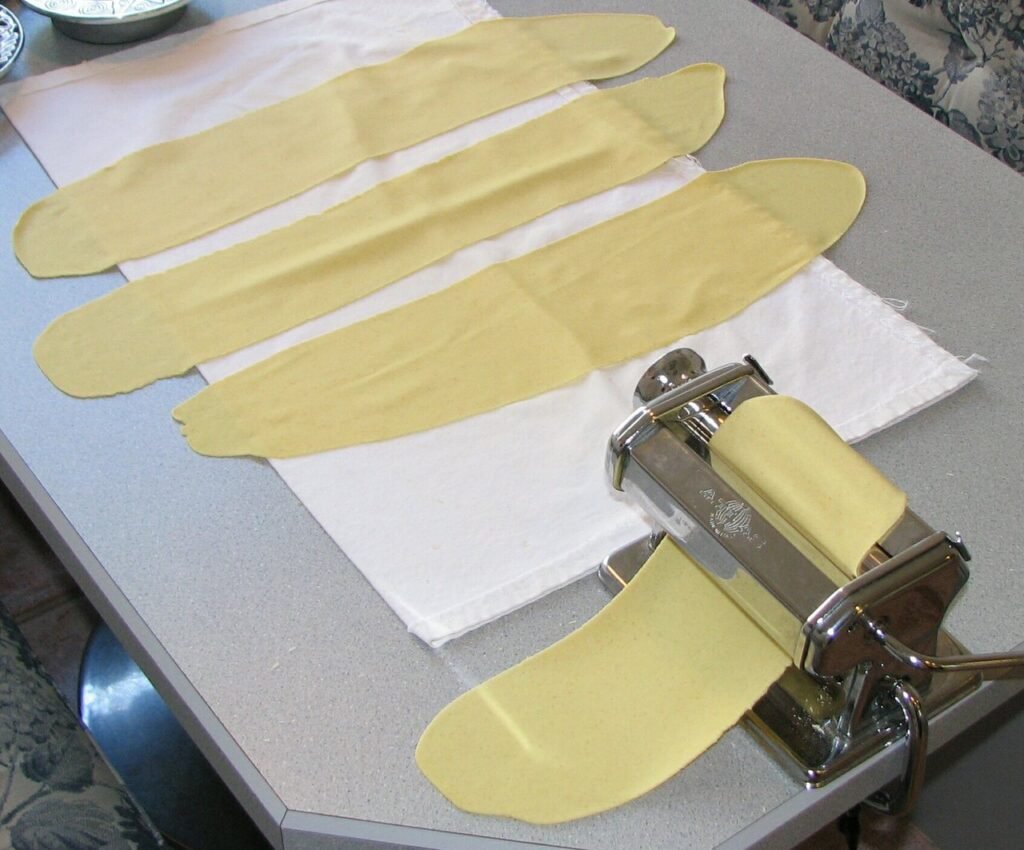
You do not need a pasta machine. I made pasta for two full years with nothing but a wooden rolling pin, and some of my best noodles came from that era. Here’s the method:
- Divide the rested dough into 4 pieces. Keep the pieces you’re not using wrapped tight — exposed dough dries in minutes.
- Flatten one piece into a thick oval with your palms on a lightly floured surface.
- Roll from the center outward, rotating the dough a quarter turn every few rolls. This keeps the sheet even and roughly round instead of lopsided.
- Dust lightly with flour whenever it threatens to stick, but go easy — too much flour makes the dough tough and prevents filled pastas from sealing.
- Roll until almost see-through, about 1/16 inch thick for ribbons. You should be able to faintly see your fingers through it.
- Let the sheet rest 5 minutes before cutting. Slightly dried sheets cut cleaner and the noodles don’t stick together.
For long noodles, loosely roll the sheet into a log and slice with a sharp knife — 1/4 inch for tagliatelle, 1 inch for pappardelle. Unroll the ribbons and toss with a little flour or semolina, then shape into loose nests. Don’t pack the nests tight or they’ll glue together.
The Master Doughs
Everything starts here. These four homemade pasta recipes are the foundation doughs — learn them and you can make every shape in this guide and invent your own.
1. Classic Egg Pasta Dough
The one dough to rule them all. Silky, golden, endlessly versatile — this is the dough for tagliatelle, ravioli, lasagna sheets, and everything delicate. The extra yolk is my secret: it adds richness and that gorgeous yellow color without making the dough wet.
Why these ingredients work: “00” or all-purpose flour gives you a tender bite; whole eggs provide structure while the extra yolk adds richness and color; olive oil makes the dough more pliable and easier to roll; salt seasons the dough from the inside.
Prep: 15 min | Rest: 30 min | Total: 45 min (plus shaping) | Servings: 4 (makes about 1 lb fresh pasta) | Calories: ~280 per serving (estimate, dough only)
Ingredients:
- 2 cups (250g) “00” flour or all-purpose flour, plus more for dusting
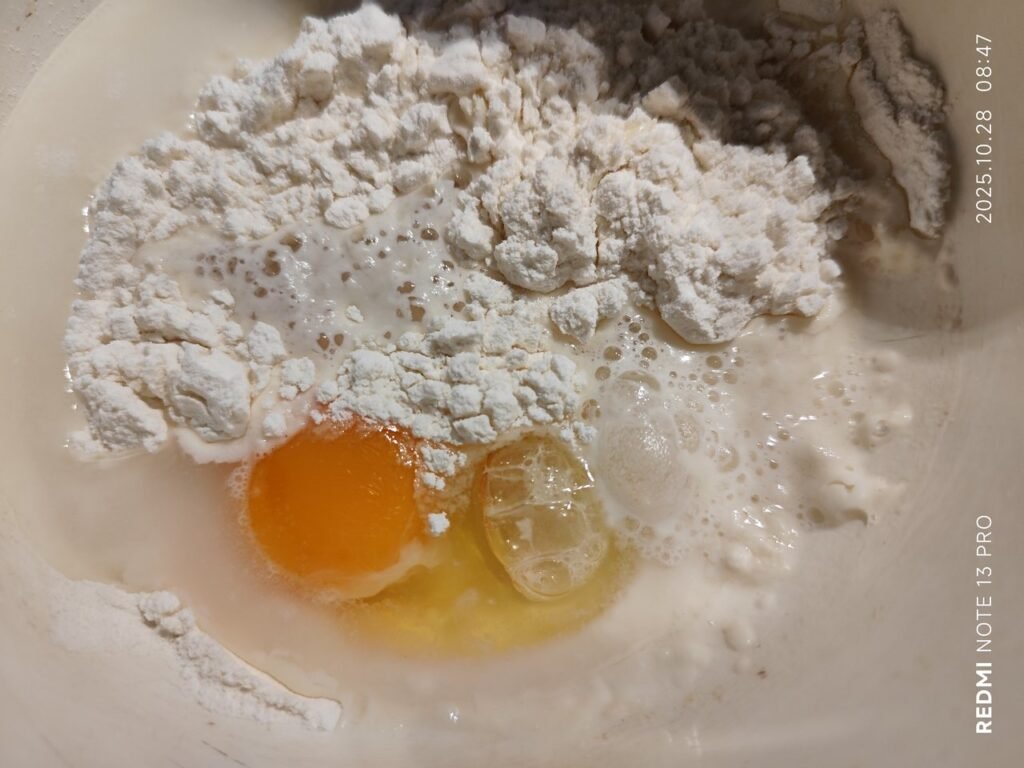
- 3 large eggs, at room temperature (about 150g total without shells)
- 1 large egg yolk
- 1 tbsp extra-virgin olive oil
- 1 tsp fine sea salt
- 1-2 tsp water, only if needed
Steps:
- Mound the flour on a clean counter or in a large bowl and make a deep, wide well in the center — like a volcano crater with thick walls. (My first attempt used a shallow well and egg ran everywhere. Go deep.)
- Crack the eggs and yolk into the well. Add the olive oil and salt on top.
- With a fork, beat the eggs gently, then start pulling flour in from the inner walls a little at a time. Keep your other hand guarding the outer wall so nothing breaches.
- When the mixture gets too thick for the fork (about half the flour incorporated), ditch the fork and use your hands to bring it together into a shaggy mass. If dry bits won’t incorporate, add water 1 teaspoon at a time.
- Knead 8-10 minutes: push the dough away with the heel of your hand, fold it back over itself, give it a quarter turn, repeat. It’ll go from rough to smooth — trust the process.
- Shape into a ball, wrap tightly in plastic wrap, and rest at room temperature for 30 minutes (or refrigerate up to 24 hours; bring to room temp 20 minutes before rolling).
Substitutions: All all-purpose flour works fine. For a richer dough, use 4 yolks instead of 1 yolk + 3 whole eggs.
Storage: Wrapped dough keeps 24 hours refrigerated or 1 month frozen (thaw overnight in the fridge). Cut noodles keep 30 minutes at room temp tossed in flour, or freeze nests on a tray then bag for up to 2 months.
Try it: Roll this into sheets and cut your first batch of tagliatelle (recipe 5) — the classic first project.
Classic Egg Pasta Dough
Ingredients
Method
- Mound the flour on a clean counter or in a large bowl and make a deep, wide well in the center — like a volcano crater with thick walls. (My first attempt used a shallow well and egg ran everywhere. Go deep.)
- Crack the eggs and yolk into the well. Add the olive oil and salt on top.
- With a fork, beat the eggs gently, then start pulling flour in from the inner walls a little at a time. Keep your other hand guarding the outer wall so nothing breaches.
- When the mixture gets too thick for the fork (about half the flour incorporated), ditch the fork and use your hands to bring it together into a shaggy mass. If dry bits won’t incorporate, add water 1 teaspoon at a time.
- Knead 8-10 minutes: push the dough away with the heel of your hand, fold it back over itself, give it a quarter turn, repeat. It’ll go from rough to smooth — trust the process.
- Shape into a ball, wrap tightly in plastic wrap, and rest at room temperature for 30 minutes (or refrigerate up to 24 hours; bring to room temp 20 minutes before rolling).
2. Eggless Semolina Dough (Southern Italian Style)
Southern Italy’s answer to pasta: no eggs, just durum wheat semolina and water. The texture is firmer and chewier than egg pasta — this is the dough behind orecchiette, pici, and cavatelli. It’s also naturally vegan, and honestly easier for beginners because there’s no well to breach.
Why these ingredients work: Fine semolina (durum wheat) creates a firm, toothsome bite that holds hand-pinched shapes; warm water hydrates the coarse flour faster than cold; olive oil adds pliability; the longer rest is non-negotiable because semolina hydrates slowly.
Prep: 10 min | Rest: 40 min | Total: 50 min (plus shaping) | Servings: 4 (makes about 1 lb) | Calories: ~260 per serving (estimate, dough only)
Ingredients:
- 2 cups (300g) fine semolina flour, plus more for dusting
- 3/4 cup warm water, plus 1-2 tbsp more if needed
- 1 tbsp extra-virgin olive oil
- 1 tsp fine sea salt
Steps:
- Mix the semolina and salt in a large bowl. Add the warm water and olive oil.
- Stir with a fork until a shaggy dough forms, then knead in the bowl or on the counter for 8 minutes. Semolina dough starts gritty and stiff — that’s normal. It smooths out.
- If the dough won’t come together, add water 1 tablespoon at a time. If sticky (rare with semolina), dust with more semolina.
- Wrap tightly and rest 40 minutes at room temperature. Don’t cut this short — semolina needs the time to fully hydrate, or your shapes will crack.
Substitutions: Half semolina, half all-purpose flour makes a slightly more tender dough that’s easier to roll thin.
Storage: Same as egg dough — refrigerate wrapped up to 24 hours, freeze up to 1 month.
Try it: This is the dough for orecchiette (recipe 6) and pici (recipe 7) — the hand-shaped stars of this guide.
3. Spinach Pasta Dough
Green pasta that actually tastes like something. The trick is squeezing the spinach bone-dry — I mean really wringing it out in a clean kitchen towel until no more water comes out. Wet spinach is the #1 reason spinach dough turns into sticky green glue.
Why these ingredients work: Cooked spinach adds color, earthy flavor, and nutrients; wringing it dry keeps the hydration ratio intact; the egg binds the vegetable matter into a smooth dough; a touch of extra flour compensates for the spinach’s moisture.
Prep: 20 min | Rest: 30 min | Total: 50 min (plus shaping) | Servings: 4 (makes about 1 lb) | Calories: ~270 per serving (estimate, dough only)
Ingredients:
- 5 oz fresh spinach (or 1/2 cup frozen spinach, thawed)
- 2 cups (250g) “00” flour or all-purpose flour, plus 2 tbsp extra
- 2 large eggs, at room temperature
- 1 tbsp extra-virgin olive oil
- 1 tsp fine sea salt
Steps:
- If using fresh spinach: sauté in a dry skillet over medium heat 2-3 minutes until fully wilted. Transfer to a clean kitchen towel and wring out every drop of water. You should end up with about 1/3 cup of dense green pulp. (If using frozen, thaw and wring the same way.)
- Finely chop the spinach, then blend or process with the eggs until as smooth as you can get it. Tiny flecks are fine — they look pretty.
- Mound the flour on the counter, make a well, and pour in the spinach-egg mixture plus olive oil and salt.
- Mix and knead exactly like the classic egg dough, 8-10 minutes. The dough will feel slightly softer — that’s the spinach. If sticky, add flour 1 tablespoon at a time.
- Wrap tightly and rest 30 minutes at room temperature.
Substitutions: Swap spinach for the same amount of blanched stinging nettles (very Italian) or roasted red peppers (pat them very dry).
Storage: Refrigerate wrapped up to 24 hours. The color fades slightly after freezing, so I prefer this one fresh.
Try it: Cut into wide pappardelle and toss with the brown butter sage sauce (recipe 13) — the green-and-gold combination is stunning.
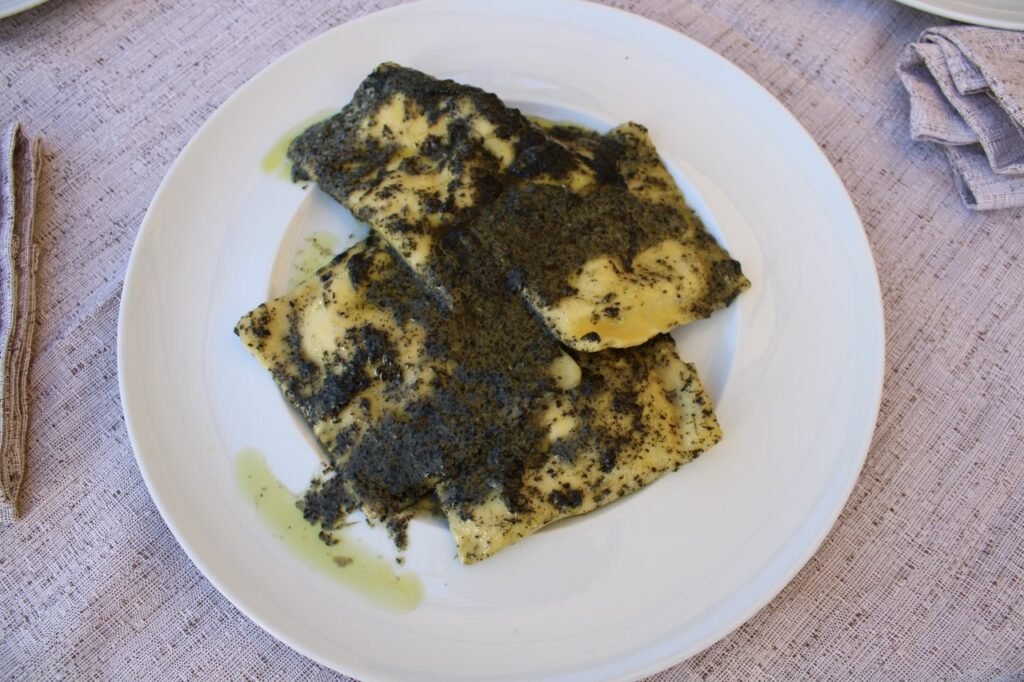
4. Cracked Black Pepper Pasta Dough
My weeknight dinner-party trick. The pepper toasts as the pasta cooks, perfuming the whole dish, and the black flecks look incredible against a creamy sauce. This is the dough I make when I want plain butter-and-cheese pasta to taste like a restaurant dish.
Why these ingredients work: Coarsely cracked black pepper blooms in the hot cooking water and in the pan sauce; toasting the pepper first (optional step below) deepens its flavor from sharp to almost floral; the egg dough base keeps the texture silky so the pepper is a highlight, not a grit.
Prep: 15 min | Rest: 30 min | Total: 45 min (plus shaping) | Servings: 4 (makes about 1 lb) | Calories: ~285 per serving (estimate, dough only)
Ingredients:
- 2 cups (250g) “00” flour or all-purpose flour
- 2 tbsp coarsely cracked black pepper, plus 1 tsp finely ground
- 3 large eggs, at room temperature
- 1 tbsp extra-virgin olive oil
- 1 tsp fine sea salt
Steps:
- Optional but worth it: toast the cracked pepper in a dry skillet 1 minute until fragrant, then cool. (This takes the harsh edge off.)
- Whisk the flour, toasted cracked pepper, and finely ground pepper together, then mound on the counter and make a well.
- Add eggs, olive oil, and salt to the well. Mix, knead 8-10 minutes, wrap, and rest 30 minutes — same method as recipe 1.
Substitutions: Lemon zest (1 tbsp) instead of pepper makes a bright citrus dough that’s beautiful with seafood.
Storage: Same as classic egg dough.
Try it: Cut into fettuccine and toss with just butter, parmesan, and pasta water — a 5-minute cacio e pepe cousin.
Hand-Shaped Pastas — No Machine Needed
This is the section the top-ranking homemade pasta recipes mostly skip, and it’s my favorite. No roller, no attachments — just your hands, a rolling pin, and a knife. These shapes are rustic by design, which means they’re forgiving.
5. Hand-Cut Tagliatelle
The classic first project. Long, flat ribbons about 1/4 inch wide — the traditional partner for Bolognese in Bologna. The rolling-pin method above gets you here; this recipe is about the cut and the cook.
Why this works: Tagliatelle’s wide, rough surface grabs meaty sauces better than spaghetti; cutting from a loosely rolled log gives you even ribbons without any special cutter; the brief 5-minute sheet rest before cutting stops the noodles from sticking together.
Prep: 15 min (after dough rests) | Cook: 3 min | Total: 18 min | Servings: 4 | Calories: ~320 per serving (estimate, pasta only)
Ingredients:
- 1 batch Classic Egg Pasta Dough (recipe 1), rested
- Semolina or all-purpose flour, for dusting
Steps:
- Cut the rested dough into 4 pieces; keep 3 wrapped. Flatten one piece into an oval.
- On a lightly floured surface, roll from the center outward, rotating a quarter turn every few rolls, until the sheet is almost see-through (about 1/16 inch thick).
- Let the sheet rest 5 minutes — the surface dries slightly and cuts cleaner.
- Starting from a short end, loosely roll the sheet into a log (don’t press it tight).
- With a sharp chef’s knife, cut the log crosswise into 1/4-inch ribbons for tagliatelle (or 1-inch for pappardelle).
- Immediately unroll the ribbons, toss gently with a dusting of flour, and shape into loose nests on a floured tray.
- Cook in a large pot of aggressively salted boiling water for 2-3 minutes, until the noodles float and taste tender with a slight bite. Drain (save a cup of pasta water) and toss with sauce immediately.
Substitutions: Use the spinach dough (recipe 3) for green tagliatelle, or the black pepper dough (recipe 4) for a speckled version.
Storage: Cook within 30 minutes, or freeze nests on a tray until solid, then bag for up to 2 months. Cook from frozen — add 1 minute.
Try it: Toss with the 20-minute marinara (recipe 12) and a snowfall of parmesan — the simplest proof that fresh beats boxed.
6. Orecchiette (Little Ears)
The pride of Puglia, shaped with nothing but a butter knife and your thumb. Each little cup catches sauce in its hollow — they’re engineered for catching bits of sausage and broccoli rabe. My first batch looked like tiny hats instead of ears. They still tasted great.
Why this works: The semolina dough (recipe 2) is firm enough to hold the cupped shape; dragging with a knife creates the rough outer texture that grips sauce; the thumb-press forms the hollow that traps sauce and small ingredients.
Prep: 30 min (after dough rests) | Cook: 4 min | Total: 34 min | Servings: 4 | Calories: ~300 per serving (estimate, pasta only)
Ingredients:
- 1 batch Eggless Semolina Dough (recipe 2), rested
- Fine semolina, for dusting
Steps:
- Cut the dough into 4 pieces. Roll one piece into a rope about 1/2 inch thick, keeping the rest wrapped.
- Cut the rope into 1/2-inch pieces (like tiny pillows).
- Take one piece. Press the edge of a butter knife (or bench scraper) onto it and drag firmly toward you across the counter — the dough curls into a little scroll. (Press hard enough to make it thin; timid dragging makes thick, gummy ears.)
- Flip the curled piece over your thumb tip and press the center to pop it inside-out into a cup shape. That’s an orecchio — a little ear.
- Set on a semolina-dusted tray. Repeat — you’ll get faster; my first 20 took 15 minutes, the next 80 took 20.
- Cook in salted boiling water 3-4 minutes, until they float and taste tender. Fresh orecchiette takes a minute longer than ribbons because they’re thicker.
Substitutions: The classic egg dough works but makes softer, less toothy ears. Stick with semolina for the real thing.
Storage: Dry on the tray 30 minutes, then refrigerate up to 24 hours or freeze solid on the tray and bag for 2 months.
Try it: The traditional Puglian pairing is sautéed broccoli rabe with garlic, chili, and sausage — the little cups trap the crumbled sausage perfectly.
7. Pici (Hand-Rolled Tuscan Spaghetti)
Tuscany’s hand-rolled answer to spaghetti — thick, chewy, gloriously uneven strands rolled entirely between your palms and the counter. No two pieces match, and that’s the charm. Kids are weirdly excellent at this.
Why this works: The eggless semolina dough has the elasticity to stretch without snapping; rolling with flat palms (not fingertips) gives you even pressure; the rustic thickness stands up to hearty sauces that would drown delicate noodles.
Prep: 25 min (after dough rests) | Cook: 4 min | Total: 29 min | Servings: 4 | Calories: ~300 per serving (estimate, pasta only)
Ingredients:
- 1 batch Eggless Semolina Dough (recipe 2), rested
- Fine semolina, for dusting
- Olive oil, for your hands (optional)
Steps:
- Pull off a walnut-sized piece of dough (keep the rest wrapped).
- Roll it between your palms into a short stubby rope.
- Lay the rope on a clean, unfloured counter and roll outward with flat palms, working from the center to the ends, until you have a strand about 1/4 inch thick and 8-10 inches long. (A lightly oiled counter helps if the dough sticks; a floured counter prevents rolling — counterintuitive but true.)
- Lay strands on a semolina-dusted tray without touching. Repeat until the dough is gone.
- Cook in salted boiling water 3-4 minutes until tender-chewy.
Substitutions: Add 1 tsp of finely chopped rosemary to the dough for an herbed version that’s incredible with just olive oil.
Storage: Same as orecchiette — tray-freeze for long storage.
Try it: The classic Tuscan sauce is just garlic, olive oil, and breadcrumbs toasted until golden (pici all’aglione uses tomato and lots of garlic). Both take 10 minutes.
8. Potato Gnocchi with Brown Butter
Technically a dumpling, but every homemade pasta recipes roundup worth reading includes gnocchi, and for good reason: it’s the easiest “pasta” to make by hand, and the pillowy result bears zero resemblance to the dense store-bought kind. The enemy is overworking — handle the dough as little as possible.
Why these ingredients work: Starchy russet potatoes (baked, not boiled) keep the dough dry — wet potatoes demand extra flour, which makes gummy gnocchi; one egg binds without toughening; minimal flour keeps them pillowy; brown butter’s nutty flavor is gnocchi’s soulmate.
Prep: 30 min | Cook: 15 min | Total: 45 min | Servings: 4 | Calories: ~420 per serving (estimate, with sauce)
Ingredients:
- 2 large russet potatoes (about 1 1/2 lbs)
- 1 large egg, beaten
- 1 1/4 cups all-purpose flour, plus more for dusting (you may not need it all)
- 1 tsp fine sea salt
- 6 tbsp unsalted butter
- 12 fresh sage leaves
- 1/2 cup freshly grated parmesan, plus more to serve
Steps:
- Bake the potatoes at 400°F for 60 minutes until completely tender (or microwave 10 minutes — just get them soft). Cut open and scoop the flesh out while hot.
- Rice the hot potato through a potato ricer or food mill onto a floured surface. (No ricer? Mash very smooth with a fork — lumps become dense spots.) Let cool 5 minutes.
- Drizzle the beaten egg over the potato, sprinkle with salt, and scatter 1 cup of the flour over the top.
- Gently bring it together with your hands, kneading as little as possible — 1 minute max. Add flour a tablespoon at a time only until the dough holds together and isn’t sticky. It should feel soft, almost like play-dough. (My first gnocchi failed because I kneaded like bread dough. Don’t.)
- Divide into 4 pieces. Roll each into a 3/4-inch-thick rope on a floured surface, then cut into 1-inch pillows.
- Optional: roll each pillow down the back of a fork to make ridges (they catch sauce). I do this for dinner parties and skip it on weeknights.
- Cook in batches in salted boiling water — they’re done 1 minute after they float to the top, about 2-3 minutes total. Scoop out with a spider or slotted spoon.
- While the gnocchi cook, melt the butter in a large skillet over medium heat. Add the sage leaves and cook 2-3 minutes until the butter smells nutty and turns amber and the sage crisps.
- Add the gnocchi straight into the brown butter, toss 1 minute, and shower with parmesan.
Substitutions: Sweet potatoes make a gorgeous orange gnocchi (roast them; they’re wetter, so expect to use a bit more flour). Ricotta gnocchi (1 cup ricotta + 1 egg + 3/4 cup flour) is even faster — no potatoes to bake.
Storage: Freeze uncooked gnocchi on a floured tray until solid, then bag for up to 2 months. Cook from frozen — never thaw, or they turn to mush. Cooked gnocchi keep 2 days refrigerated; reheat by pan-frying in butter (better than the microwave — the edges crisp).
Try it: Pan-fry leftover cooked gnocchi in butter until golden on two sides. Crispy-creamy. You’re welcome.
Filled Pastas Worth the Effort
Yes, they take longer. Yes, they’re worth it. Filled homemade pasta recipes are the ones that make people think you went to culinary school. The non-negotiable rule: keep everything sealed tight, because a leaky ravioli in boiling water is a tragedy.
9. Three-Cheese Ravioli
Ricotta, mozzarella, parmesan — the holy trinity. The filling must be thick: watery filling is the #1 cause of burst ravioli. If your ricotta looks wet, drain it in a cheesecloth-lined sieve for 30 minutes first. I learned this after a batch of ravioli soup.
Why these ingredients work: Ricotta gives creamy body; low-moisture mozzarella adds that pizza-like stretch; parmesan brings salty sharpness; the egg yolk binds the filling so it holds its shape; nutmeg is the quiet background note that makes cheese fillings taste Italian.
Prep: 45 min | Cook: 4 min | Total: 49 min | Servings: 4 (makes about 24 ravioli) | Calories: ~480 per serving (estimate)
Ingredients:
- 1 batch Classic Egg Pasta Dough (recipe 1), rested
- 1 cup whole-milk ricotta, drained if wet
- 1/2 cup shredded low-moisture mozzarella
- 1/2 cup freshly grated parmesan, plus more to serve
- 1 large egg yolk
- 1/4 tsp freshly grated nutmeg
- 1/2 tsp fine sea salt
- 1/4 tsp black pepper
- Semolina, for dusting
Steps:
- Stir the ricotta, mozzarella, parmesan, egg yolk, nutmeg, salt, and pepper together. Taste — it should be boldly seasoned, because the pasta dough itself is mild.
- Roll one quarter of the dough into a long sheet, as thin as you can get it (you should see your hand through it). Keep the rest wrapped.
- Drop 1-tablespoon mounds of filling along the sheet, spacing them 2 inches apart.
- Lightly brush water around each mound (this is the glue), then fold the sheet over the filling — or lay a second sheet on top.
- Press the dough around each mound, pushing out every air bubble as you go. (Trapped air expands in boiling water and bursts the seal — this step matters.)
- Cut into squares with a knife or fluted pastry wheel. Press the edges again to be sure.
- Set on a semolina-dusted tray, not touching. Repeat with remaining dough and filling.
- Cook in salted boiling water at a gentle boil — not a violent one — for 3-4 minutes, until they float and the edges taste tender. Lift out gently with a spider.
Substitutions: Swap the mozzarella for fontina (nuttier) or add 1/2 cup sautéed mushrooms, finely chopped, for a mushroom-ricotta version.
Storage: Freeze uncooked ravioli solid on the tray, then bag for up to 2 months. Cook from frozen, adding 1-2 minutes. Refrigerate up to 24 hours dusted with semolina (they’ll stick if crowded).
Try it: Toss with the brown butter sage sauce (recipe 13) — the classic pairing for a reason.
10. Spinach and Ricotta Tortellini
Smaller, trickier, and more impressive than ravioli. Tortellini are traditionally served in broth (in brodo), which is how I’ll serve them here — the rich chicken broth turns a fiddly project into the most comforting soup you’ve ever made.
Why these ingredients work: The spinach-ricotta filling is the Emilia-Romagna classic — earthy, creamy, balanced; tiny 1-teaspoon portions keep the tortellini delicate; serving in hot broth means even slightly imperfect seals survive (no violent boiling water to attack them).
Prep: 60 min | Cook: 10 min | Total: 70 min | Servings: 4 (makes about 40 small tortellini) | Calories: ~380 per serving (estimate, with broth)
Ingredients:
- 1 batch Classic Egg Pasta Dough (recipe 1), rested
- 1/2 batch of the spinach filling: 2/3 cup drained ricotta, 1/3 cup wrung-dry cooked spinach (about 2 oz), 1/3 cup grated parmesan, 1 egg yolk, pinch of nutmeg, 1/2 tsp salt
- 6 cups good chicken broth (homemade or low-sodium store-bought)
- Extra parmesan, to serve
Steps:
- Mix the filling ingredients until smooth. It should be thick enough to hold a peak.
- Roll the dough into thin sheets. Cut into 2-inch squares (a pizza wheel is fastest).
- Place 1 teaspoon of filling in the center of each square. Brush two adjacent edges lightly with water.
- Fold into a triangle, pressing out all air and sealing the edges firmly.
5: Wrap the triangle around your fingertip, bringing the two bottom corners together, and press to seal. That’s a tortellino — a little belly button. (Your first ten will be ugly. Number eleven will be perfect.) - Set on a semolina-dusted tray. Repeat — put on a podcast; this takes a while.
- Bring the broth to a bare simmer in a large pot. Add the tortellini and cook 3-4 minutes until they float and taste tender.
- Ladle into warm bowls with plenty of broth and a blizzard of parmesan.
Substitutions: Meat filling (finely ground pork + mortadella + parmesan) is the Bolognese original if you want to go traditional. Cheese-only filling works for vegetarians — just use recipe 9’s filling in smaller portions.
Storage: Freeze on the tray, bag for up to 2 months, cook from frozen in simmering broth.
Try it: On day two, toss leftover tortellini (not in broth) with the garlic butter parmesan sauce (recipe 11) — two dinners from one project.
Sauces Made for Fresh Pasta
Fresh pasta cooks in 2-3 minutes and has a delicate texture — it needs sauces that respect that. Heavy, long-simmered ragùs can overwhelm it (save those for dried pasta). These three homemade pasta recipes for sauces are quick, light, and designed to cling to fresh noodles.
11. Garlic Butter Parmesan Sauce
The 10-minute sauce that lets fresh pasta be the star. The technique is everything: starchy pasta water + butter + cheese, emulsified by tossing. It’s the same magic as cacio e pepe, minus the anxiety.
Why these ingredients work: Butter carries flavor and gives body; garlic sliced thin (not minced) infuses without burning; starchy pasta water is the emulsifier that turns fat and cheese into a glossy sauce instead of a greasy puddle; real parmesan melts smoothly while pre-shredded turns grainy.
Prep: 5 min | Cook: 10 min | Total: 15 min | Servings: 4 (sauces 1 lb fresh pasta) | Calories: ~310 per serving (estimate, sauce only)
Ingredients:
- 6 tbsp unsalted butter
- 6 cloves garlic, thinly sliced
- 1/2 tsp red pepper flakes (optional)
- 1 lb fresh pasta (any shape from this guide)
- 3/4 cup freshly grated parmesan, plus more to serve
- 1/4 cup chopped fresh parsley
- Salt and black pepper
Steps:
- Start cooking your fresh pasta in well-salted boiling water. Before draining, reserve 1 1/2 cups of the pasta water — this is the most important ingredient.
- Meanwhile, melt the butter in a large skillet over medium heat. Add the garlic and red pepper flakes; cook 2-3 minutes, stirring, until the garlic is pale gold and fragrant. Don’t let it brown.
- Add 1 cup of the pasta water to the skillet and swirl — it’ll look thin and broken. That’s fine.
- Drain the pasta (it’ll be just done — fresh pasta waits for no one) and add it straight to the skillet.
- Off the heat, add the parmesan a handful at a time, tossing constantly. The tossing + starch + fat transforms into a glossy sauce in about 60 seconds. Add more pasta water a splash at a time if it looks tight.
- Shower with parsley, season with salt and pepper, serve immediately.
Substitutions: Add a squeeze of lemon and call it lemon-butter; stir in a handful of baby spinach; swap parmesan for pecorino for a saltier punch.
Storage: Sauce doesn’t store well alone — make it fresh. Leftovers keep 2 days; reheat in a skillet with a splash of water.
Try it: This is the sauce for your very first batch of tagliatelle (recipe 5). Ten minutes, zero stress, maximum “I made this” pride.
12. 20-Minute Fresh Marinara
Not the all-day Sunday sauce — this is the bright, fresh-tasting marinara that takes 20 minutes and tastes like summer. The secret is good canned San Marzano tomatoes and not overcooking them. Fresh pasta + fresh sauce = the whole point.
Why these ingredients work: San Marzano tomatoes are naturally sweeter and less acidic, so the sauce needs no sugar; a whole garlic clove smashed (not minced) gives gentle flavor you can fish out; a pinch of red pepper adds warmth without heat; butter at the end rounds the acidity; fresh basil goes in off the heat so it stays bright.
Prep: 5 min | Cook: 15 min | Total: 20 min | Servings: 6 (sauces 1 1/2 lbs pasta) | Calories: ~120 per serving (estimate, sauce only)
Ingredients:
- 2 tbsp extra-virgin olive oil
- 4 cloves garlic, smashed with the side of a knife
- 1 can (28 oz) whole San Marzano tomatoes, crushed by hand
- 1/2 tsp red pepper flakes
- 1 tsp fine sea salt, plus more to taste
- 1/2 tsp dried oregano
- 2 tbsp unsalted butter
- 1/2 cup torn fresh basil leaves
- 1 lb fresh pasta
Steps:
- Heat the olive oil in a large skillet or saucepan over medium heat. Add the smashed garlic and cook 1 minute until fragrant and just golden at the edges.
- Pour in the hand-crushed tomatoes (careful — they splatter), red pepper flakes, salt, and oregano.
- Simmer 12-15 minutes, stirring occasionally, until slightly thickened but still bright and fresh-tasting. Don’t cook it to death — 15 minutes max.
- Fish out the garlic cloves (or leave them in if you’re a garlic person — I leave them).
- Off the heat, stir in the butter until melted, then the basil.
- Toss with freshly cooked pasta and a splash of pasta water. Serve with parmesan.
Substitutions: Add a diced onion with the garlic for a sweeter base; stir in a splash of cream at the end for rosé sauce; add browned Italian sausage for a meaty version.
Storage: Refrigerate 5 days or freeze 3 months. This sauce freezes better than any other in this guide — make a double batch.
Try it: Hand-crush the tomatoes instead of buying pre-crushed — the texture is chunkier and the flavor is noticeably fresher.
13. Brown Butter and Crispy Sage Sauce
Three ingredients, five minutes, and it tastes like a northern Italian restaurant. Browning butter is the single highest-leverage technique in this whole guide — the milk solids toast into something nutty and complex that plain melted butter can’t touch.
Why these ingredients work: Butter’s milk solids caramelize into hundreds of flavor compounds (this is the Maillard reaction doing its delicious work); sage leaves crisp in the hot butter and turn from garnish into a savory chip; the nutty butter is the perfect match for delicate egg pasta and filled pastas.
Prep: 2 min | Cook: 5 min | Total: 7 min | Servings: 4 (sauces 1 lb fresh pasta) | Calories: ~260 per serving (estimate, sauce only)
Ingredients:
- 8 tbsp (1 stick) unsalted butter
- 16-20 fresh sage leaves
- 1 lb fresh pasta (ravioli, tortellini, or spinach pappardelle are ideal)
- 3/4 cup freshly grated parmesan
- Salt and black pepper
- Squeeze of lemon (optional but lovely)
Steps:
- Start your fresh pasta cooking — this sauce finishes in the time the pasta boils.
- Melt the butter in a large skillet over medium heat. Add the sage leaves in a single layer.
- Cook 2-3 minutes, swirling the pan, until the butter foams, then the foam subsides, and the butter turns amber and smells nutty. The sage will crisp. Watch it like a hawk at the end — butter goes from brown to burnt in 30 seconds. (I’ve burned it. You’ll smell the difference — nutty good, acrid bad.)
- Pull the pan off the heat the second it turns amber.
- Drain the pasta, reserving 1/2 cup pasta water, and add it to the skillet with a splash of the water. Toss 30 seconds.
- Add parmesan, toss again, finish with black pepper and a squeeze of lemon if using. Serve with the crispy sage leaves on top.
Substitutions: Swap sage for thyme sprigs; add toasted chopped walnuts or hazelnuts for crunch; a spoonful of mascarpone stirred in at the end makes it creamy.
Storage: Make fresh every time — it takes 5 minutes. Leftovers keep 2 days; the sage won’t stay crispy, but the flavor holds.
Try it: This is the canonical sauce for the three-cheese ravioli (recipe 9) and the spinach tortellini (recipe 10). Make one of those + this sauce and you’ll understand why Italians are so calm about dinner.
How to Dry, Store, and Freeze Fresh Pasta
This is the section most homemade pasta recipes gloss over, and it’s the one that saves you from wasting food. Fresh egg pasta is perishable — treat it like fresh bread, not like a box of spaghetti.
Short-term (tonight or tomorrow): Toss cut noodles with a little flour or fine semolina, shape into loose nests on a floured tray, cover with a clean kitchen towel, and refrigerate up to 24 hours. The towel stops them drying out; the fridge stops them spoiling.
Drying for longer storage: Here’s the honest truth most blogs won’t tell you — fully drying egg pasta at home for room-temperature storage is risky. Without commercial drying equipment, the inside can stay moist while the outside looks dry, and that invites spoilage. If you want to dry pasta, hang strands on a pasta drying rack (or a clean wooden dowel) for 12-24 hours until completely brittle, then freeze it anyway for safety. The one exception: eggless semolina shapes like orecchiette dry more reliably because there’s no egg to spoil — 24 hours on a tray, then store airtight for 2 weeks.
Freezing (the best method): Freeze nests or shapes on a floured tray until completely solid (2-3 hours), then transfer to a freezer bag, squeeze out the air, and freeze up to 2 months. Cook directly from frozen — add 1-2 minutes to the cooking time. Never thaw first; thawed fresh pasta turns gummy and sticks together.
Cooked pasta: Toss with a little olive oil, refrigerate up to 3 days. Reheat in a skillet with a splash of water rather than the microwave — the microwave makes fresh pasta rubbery.
Common Mistakes to Avoid
- Skipping the rest. Unrested dough springs back when you roll it and tears instead of stretching. Thirty minutes, wrapped tight, every time.
- Adding too much flour while kneading. A dry, stiff dough makes tough pasta. If the dough feels tacky but doesn’t stick to your hands, it’s perfect — stop adding flour.
- Rolling too thick. Fresh pasta should be nearly translucent. Thick fresh noodles cook up gummy in the center while the outside goes mushy.
- Under-salting the pasta water. It should taste like the sea. Fresh pasta cooks in 2-3 minutes — there’s no time for flavor to develop, so the water does the work.
- Overcooking. Fresh pasta goes from perfect to mushy in under a minute. Start tasting at 2 minutes. When in doubt, pull it early — it keeps cooking in the hot sauce.
- Crowding shaped pasta to dry. Nests packed tight or ravioli touching each other will fuse into one sad mass. Give everything space on the tray.
- Boiling ravioli violently. A rolling boil batters filled pasta until the seals break. Gentle simmer, always.
- Saucing like it’s dried pasta. Fresh pasta needs less sauce, not more — its delicate flavor gets buried under a heavy ladle. Start with less than you think.
Homemade Pasta Recipes at a Glance
| # | Recipe | Type | Total Time | Skill Level | Best Sauce Pairing |
|---|---|---|---|---|---|
| 1 | Classic Egg Pasta Dough | Master dough | 45 min + shaping | Beginner | Any — the all-rounder |
| 2 | Eggless Semolina Dough | Master dough | 50 min + shaping | Beginner | Hearty, rustic sauces |
| 3 | Spinach Pasta Dough | Master dough | 50 min + shaping | Intermediate | Brown butter sage |
| 4 | Cracked Black Pepper Dough | Master dough | 45 min + shaping | Beginner | Butter + parmesan |
| 5 | Hand-Cut Tagliatelle | Hand-shaped | 18 min | Beginner | Marinara, bolognese |
| 6 | Orecchiette | Hand-shaped | 34 min | Intermediate | Sausage + broccoli rabe |
| 7 | Pici | Hand-shaped | 29 min | Beginner | Garlic oil, aglione |
| 8 | Potato Gnocchi | Hand-shaped | 45 min | Intermediate | Brown butter (included) |
| 9 | Three-Cheese Ravioli | Filled | 49 min | Advanced | Brown butter sage |
| 10 | Spinach and Ricotta Tortellini | Filled | 70 min | Advanced | Chicken broth |
| 11 | Garlic Butter Parmesan Sauce | Sauce | 15 min | Beginner | Any fresh noodle |
| 12 | 20-Minute Fresh Marinara | Sauce | 20 min | Beginner | Tagliatelle, pici |
| 13 | Brown Butter Sage Sauce | Sauce | 7 min | Beginner | Ravioli, gnocchi |
FAQ
Can I make homemade pasta without a pasta machine?
Absolutely. A rolling pin, a sharp knife, and your hands cover every recipe in this guide except none — even ravioli and tortellini are cut with a knife or pastry wheel. Roll the dough from the center outward, rotating a quarter turn every few rolls, until it’s almost see-through. My first two years of pasta making were 100% machine-free.
What’s the best flour for homemade pasta?
“00” flour makes the silkiest egg pasta, all-purpose flour works nearly as well and costs less, and fine semolina is best for eggless doughs and hand-shaped pastas like orecchiette. Beginners should start with all-purpose — it’s forgiving, cheap, and everywhere.
Why is my pasta dough too sticky or too dry?
Sticky dough usually means large eggs added too much moisture — dust in flour 1 tablespoon at a time while kneading. Dry, crumbly dough means small eggs — wet your hands and keep kneading, or add water 1 teaspoon at a time. Never add a big splash of water at once; pasta dough hydration is a game of teaspoons.
How long should pasta dough rest?
At least 30 minutes at room temperature for egg doughs, 40 minutes for semolina doughs. The rest relaxes the gluten so the dough rolls out instead of springing back. You can refrigerate wrapped dough up to 24 hours — just bring it to room temperature for 20 minutes before rolling.
How long does fresh homemade pasta take to cook?
Two to 3 minutes in aggressively salted boiling water — dramatically faster than dried pasta. Thicker shapes like orecchiette and gnocchi take 3-4 minutes. Start tasting early; fresh pasta goes from perfect to mushy fast.
Can you freeze fresh pasta?
Yes, and it’s the best storage method. Freeze nests or shapes on a floured tray until solid, then bag for up to 2 months. Cook directly from frozen, adding 1-2 minutes. Never thaw first — thawed fresh pasta turns gummy.
What’s the difference between 00 flour and all-purpose flour for pasta?
“00” refers to the fineness of the grind, not the protein content — it’s milled from soft wheat into a powder-fine flour that makes silkier, more tender noodles. All-purpose makes slightly chewier pasta. With sauce on, most people can’t tell the difference, so don’t let a missing bag of 00 stop you.
Why did my ravioli burst while cooking?
Three usual suspects: air trapped inside expanded in the heat (press out every bubble when sealing), the seal wasn’t moistened (brush water around the filling), or the water was at a violent boil (filled pasta needs a gentle simmer). Seal firmly, boil gently.
Is homemade pasta healthier than store-bought?
It’s simpler — just flour, eggs, salt, and water, with no preservatives or additives. Calorie-wise it’s similar to dried pasta. The real advantage is control: you choose the flour, the eggs, and exactly what goes in.
Final Thoughts
Homemade pasta recipes look intimidating until you make your first batch — then you wonder what you were worried about. Start with the classic egg dough and a batch of hand-cut tagliatelle this weekend. Toss it with the garlic butter parmesan sauce. Taste it. Then try the orecchiette, because hand-shaping pasta with your thumbs is weirdly therapeutic.
Which shape are you making first? If you try any of these homemade pasta recipes, I’d love to hear how they turned out — and if your first orecchiette looked like tiny hats, you’re in excellent company.

Founder of NestFlavors — sharing tested recipes and honest home ideas, made for real life.