



Blog
Japanese Cuisine: 15 Delicious Japanese Dishes You Should Try at Home

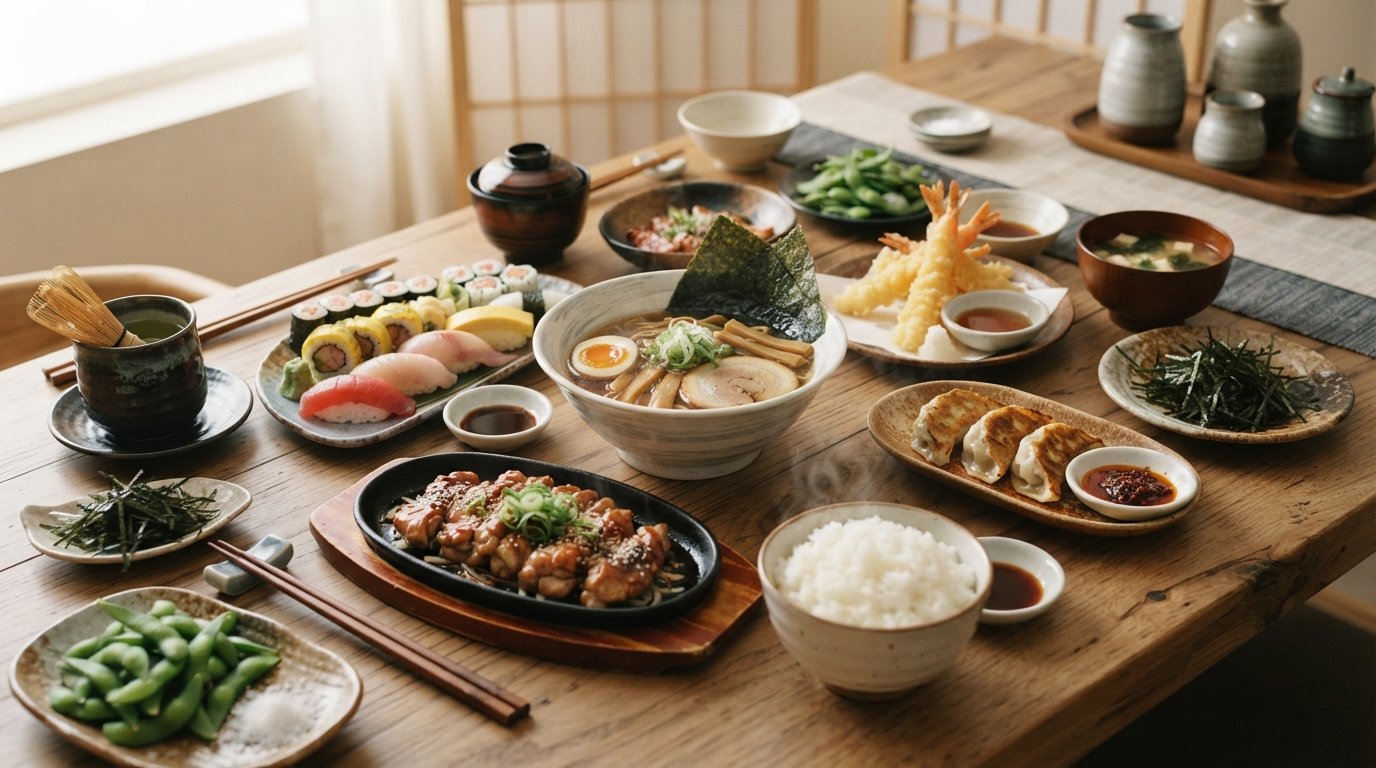
Japanese cuisine is famous around the world for its fresh ingredients, beautiful presentation, balanced flavors, and simple cooking techniques. From comforting bowls of ramen to delicate sushi, crispy tempura, flavorful teriyaki, and traditional miso soup, Japanese food offers something for almost every taste.
What makes Japanese cuisine especially interesting is its focus on balance. Many traditional dishes combine rice, vegetables, seafood, soy-based ingredients, broth, and fermented foods in ways that create satisfying meals without relying heavily on complicated sauces or excessive seasoning.
In this guide, we’ll explore 15 delicious Japanese dishes, their ingredients, traditional preparation methods, nutritional benefits, serving ideas, and interesting facts about Japanese food culture. Whether you are completely new to Japanese cuisine or already love Japanese food, this guide will help you discover dishes worth trying at home.
What Is Japanese Cuisine?
Japanese cuisine, often called Washoku, is the traditional food culture of Japan. It emphasizes seasonal ingredients, natural flavors, careful preparation, and attractive presentation.
Rice has historically been one of the most important foods in Japan, while fish, seafood, vegetables, soy products, noodles, seaweed, and fermented ingredients also play major roles.
Traditional Japanese meals often focus on five basic elements:
- Rice or another grain
- Soup
- A main protein
- Vegetables or side dishes
- Pickled or fermented foods
Japanese cooking is not only about taste. Appearance, texture, aroma, seasonality, and presentation are also important.
Why Is Japanese Food So Popular Around the World?
Japanese cuisine has become popular internationally because it offers a unique combination of flavor, simplicity, variety, and presentation.
Some of the main reasons include:
1. Fresh Ingredients
Fresh seafood, vegetables, rice, tofu, seaweed, and seasonal produce are commonly used.
2. Balanced Flavors
Japanese dishes often combine salty, sweet, sour, bitter, and savory flavors.
3. Umami-Rich Foods
Ingredients such as miso, soy sauce, mushrooms, seaweed, and fermented products provide umami, the savory taste associated with depth and richness.
4. Variety
Japanese cuisine includes sushi, noodles, soups, grilled foods, rice bowls, fried foods, desserts, and vegetarian dishes.
5. Beautiful Presentation
Food presentation is an important part of Japanese dining culture. Colors, shapes, bowls, plates, and arrangement can all contribute to the eating experience.
15 Must-Try Japanese Dishes
Here are 15 popular Japanese dishes that are worth discovering.
1. Sushi
Sushi is probably the most internationally recognized Japanese food.
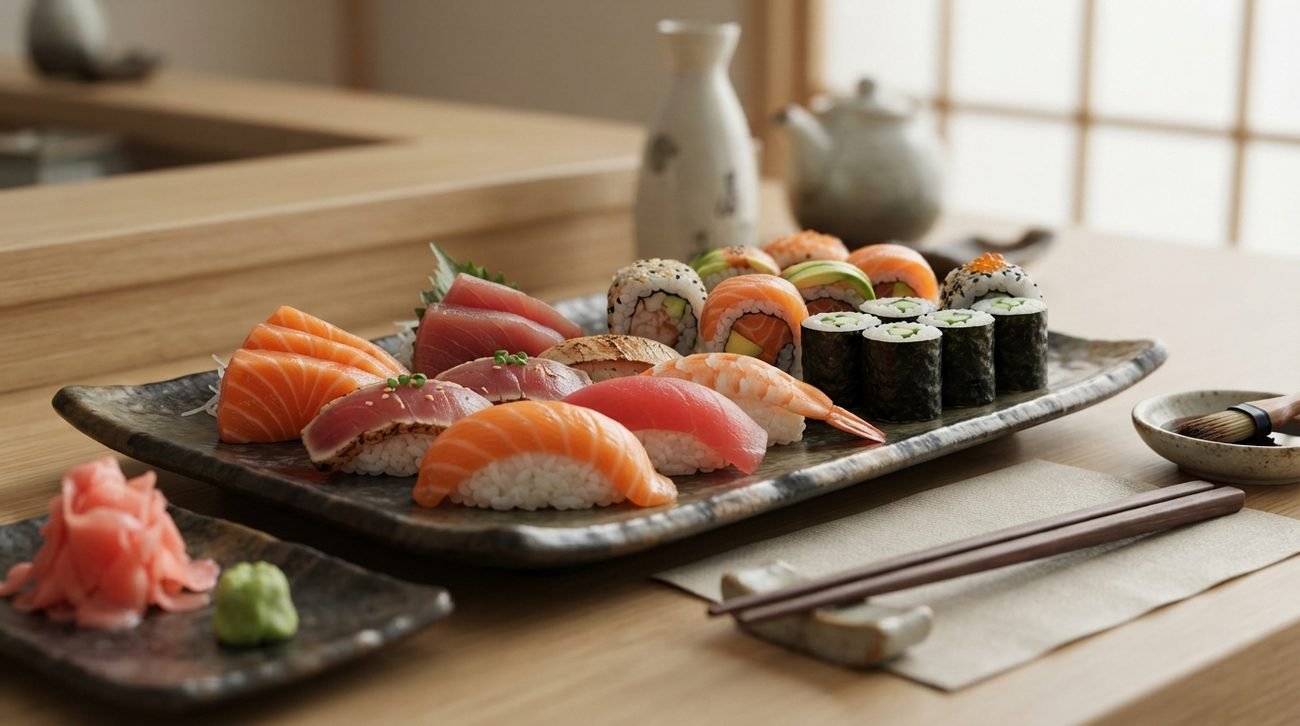
Traditional sushi generally combines seasoned rice with ingredients such as raw or cooked seafood, vegetables, egg, or other toppings.
Popular varieties include:
- Nigiri
- Maki
- Uramaki
- Temaki
- Gunkan
Common Ingredients
- Sushi rice
- Rice vinegar
- Nori
- Salmon
- Tuna
- Shrimp
- Cucumber
- Avocado
- Soy sauce
- Wasabi
- Pickled ginger
Why Try Sushi?
Sushi can provide protein, carbohydrates, healthy fats, and micronutrients depending on the ingredients used.
Tip: If you are making sushi at home, use ingredients specifically considered safe for raw consumption, or choose cooked seafood.
2. Ramen
Ramen is a comforting noodle soup that comes in many regional and modern varieties.
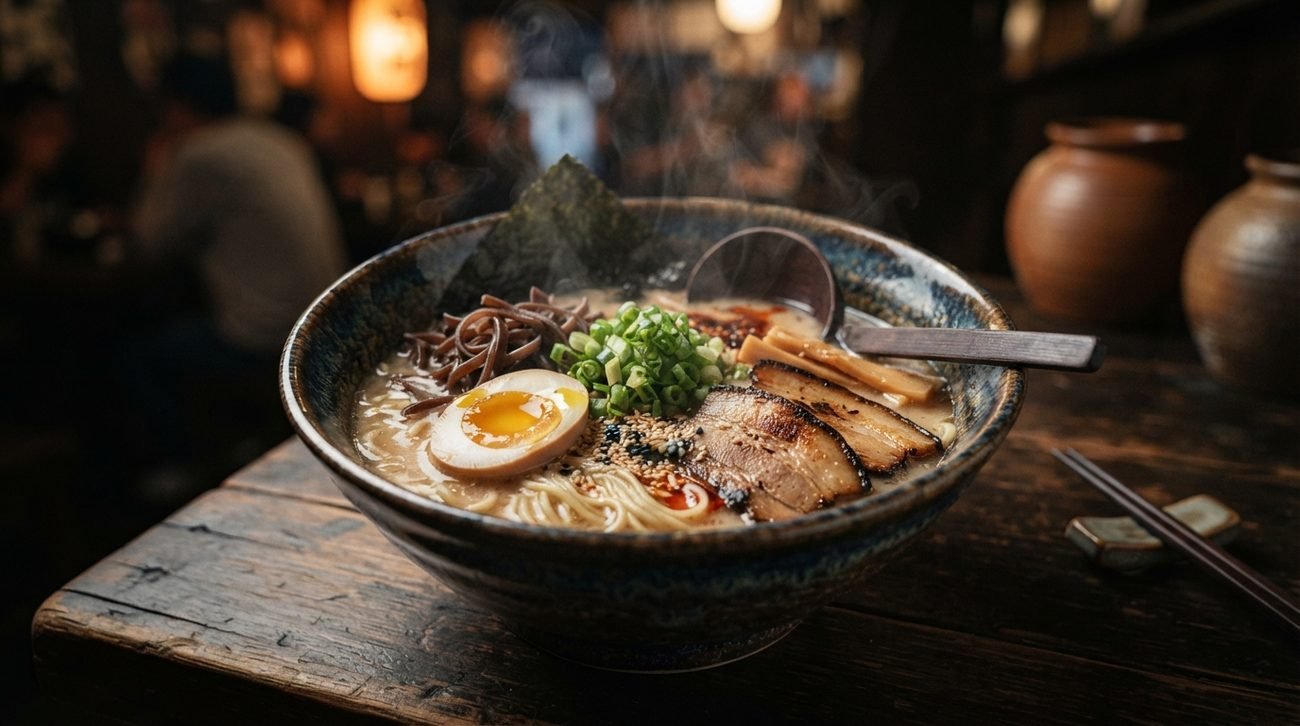
A typical bowl contains noodles, broth, protein, vegetables, and toppings.
Popular styles include:
- Shoyu ramen
- Miso ramen
- Shio ramen
- Tonkotsu ramen
Common Toppings
- Soft-boiled egg
- Green onions
- Mushrooms
- Corn
- Seaweed
- Bamboo shoots
- Sliced meat
Ramen is highly customizable, making it an excellent dish for home cooking.
3. Tempura
Tempura consists of seafood or vegetables coated in a light batter and fried until crisp.
Common ingredients include:
- Shrimp
- Squid
- Eggplant
- Sweet potato
- Pumpkin
- Mushrooms
- Green beans
The secret to good tempura is a light batter and controlled frying temperature.
Tempura is commonly served with a dipping sauce and sometimes grated daikon.
4. Teriyaki
Teriyaki is both a cooking method and a popular style of dish.
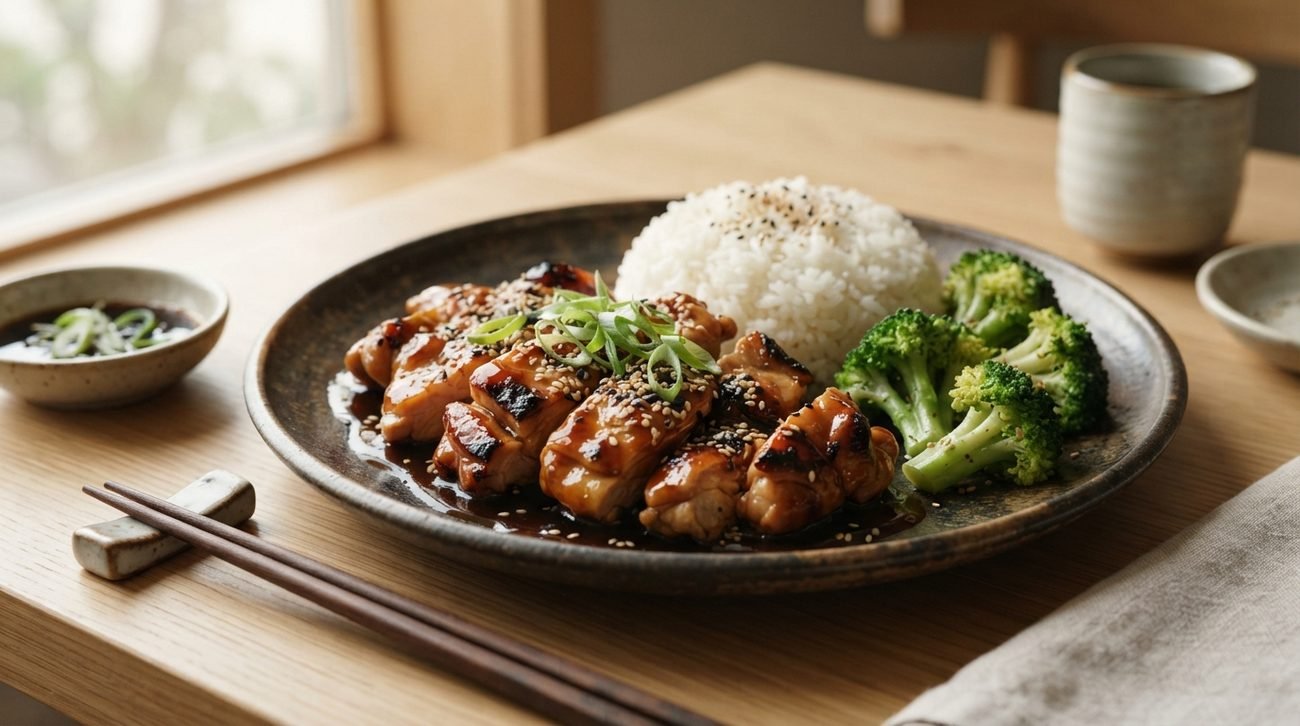
Chicken teriyaki is especially popular outside Japan.
The classic sauce generally combines ingredients such as:
- Soy sauce
- Mirin
- Sugar
- Sake
The sauce creates a glossy coating with a sweet and savory flavor.
Teriyaki can be served with:
- Steamed rice
- Vegetables
- Noodles
- Salad
For a healthier home version, reduce the amount of added sugar and serve it with plenty of vegetables.
5. Miso Soup
Miso soup is one of the most traditional Japanese soups.
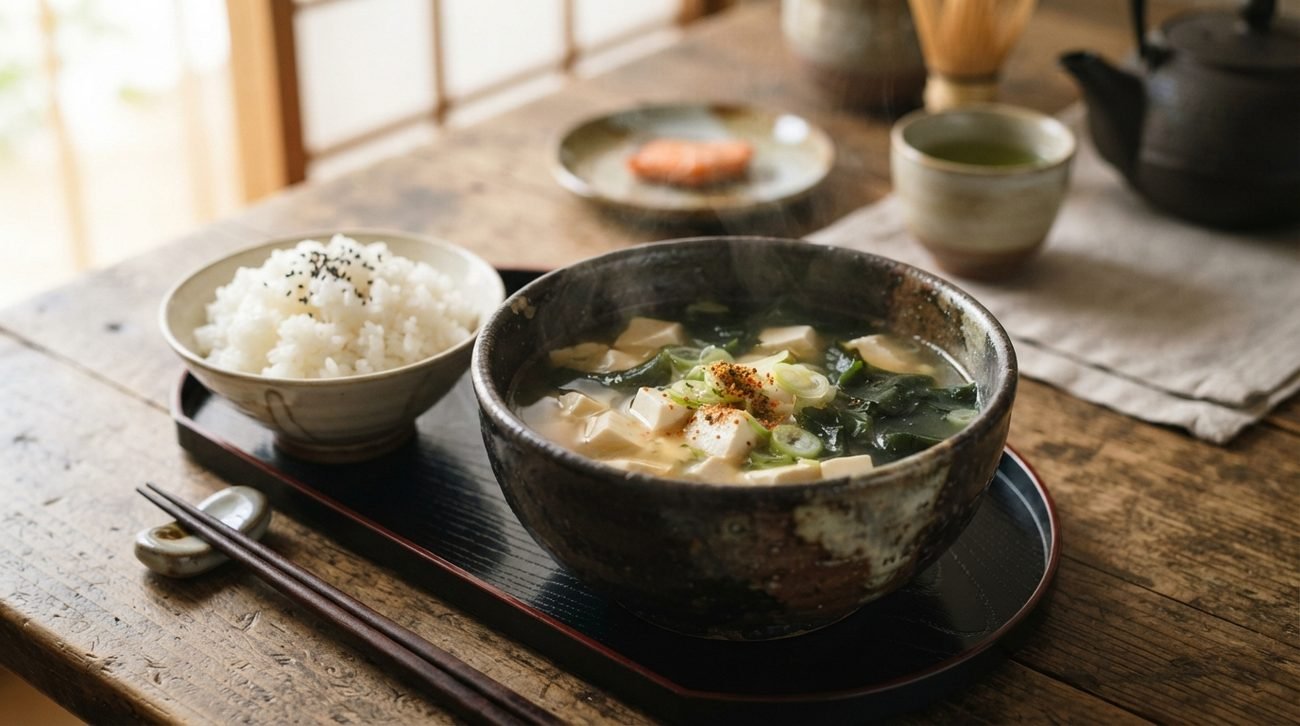
The soup is usually made with:
- Dashi
- Miso paste
- Tofu
- Wakame seaweed
- Green onions
Miso is a fermented soybean paste that provides a distinctive savory flavor.
Because miso and other soup ingredients can contain significant sodium, portion size and overall diet should be considered.
6. Donburi
Donburi refers to Japanese rice bowl dishes.
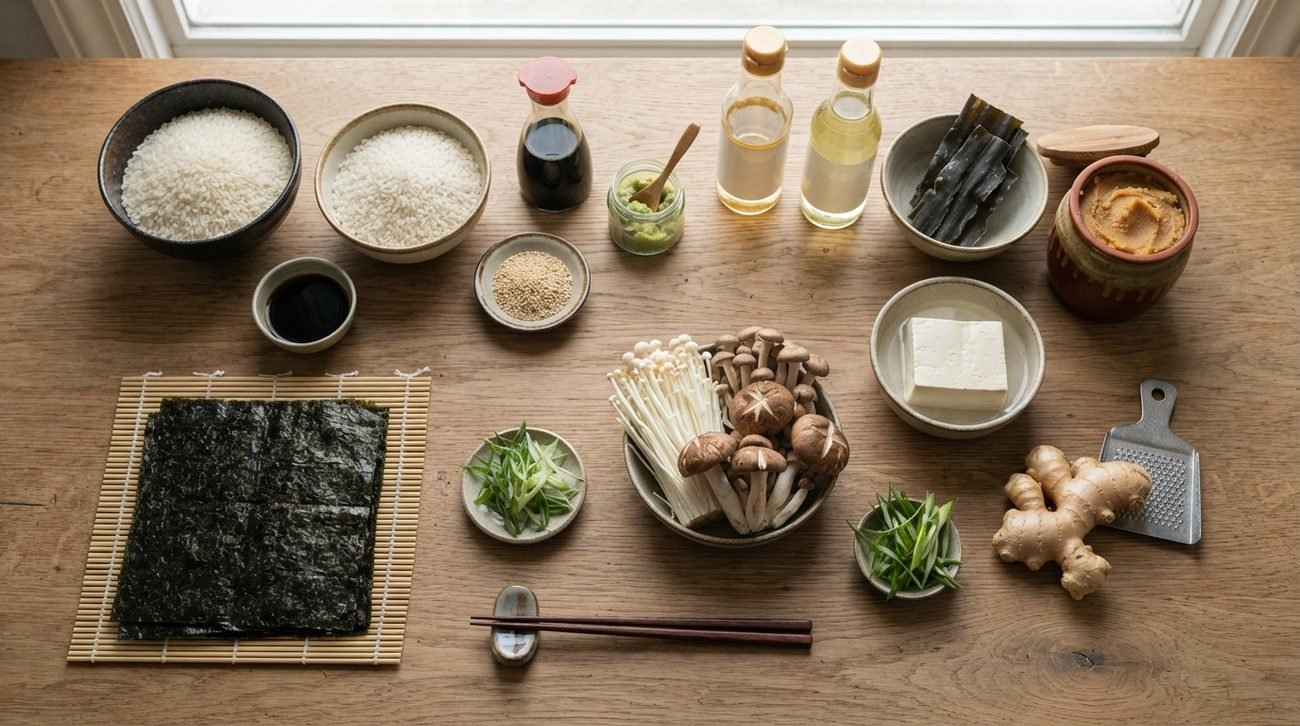
A bowl of steamed rice is topped with different ingredients.
Popular examples include:
- Oyakodon
- Gyudon
- Katsudon
- Tendon
- Unadon
Donburi is convenient, filling, and easy to customize at home.
7. Yakitori
Yakitori consists of grilled chicken skewers.
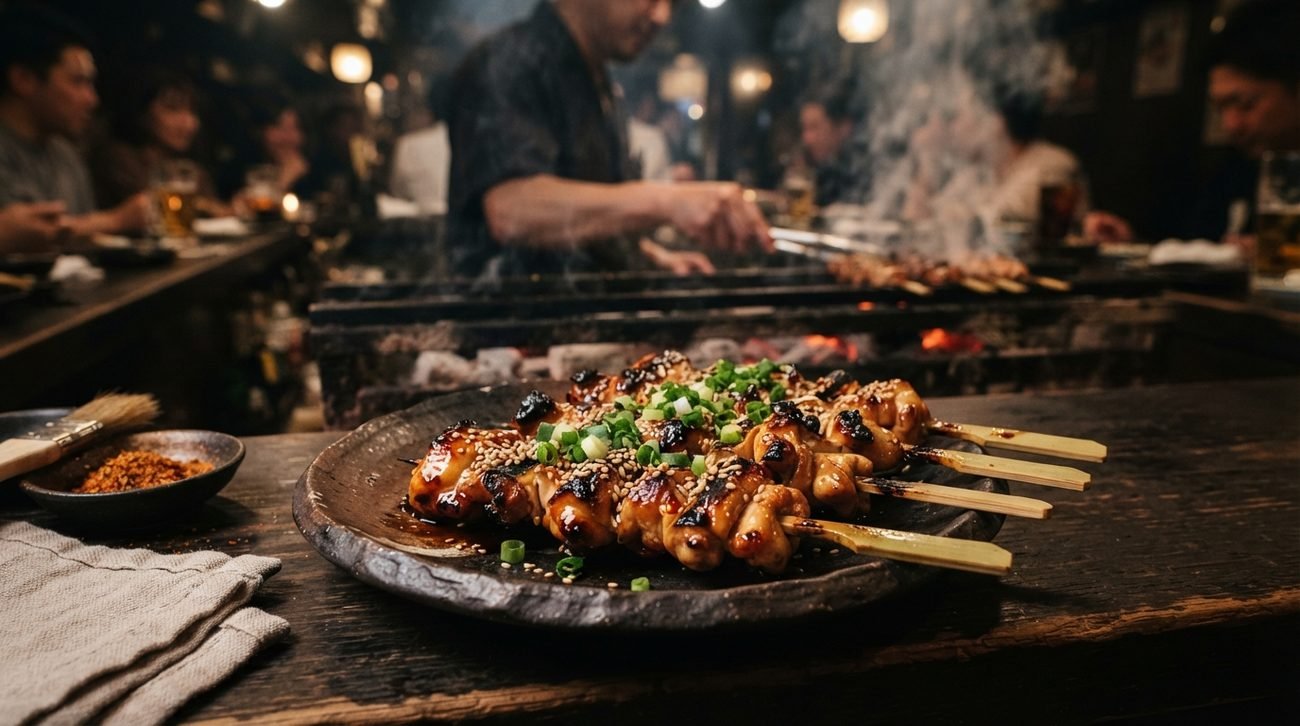
Different parts of the chicken can be used, including:
- Chicken thigh
- Chicken breast
- Skin
- Liver
- Meatballs
Yakitori may be seasoned with salt or coated with a sweet-savory tare sauce.
It is commonly enjoyed as a casual meal or snack.
8. Okonomiyaki
Okonomiyaki is a savory Japanese pancake.
The name is often associated with the idea of cooking something according to your preference.
Typical ingredients can include:
- Cabbage
- Flour
- Eggs
- Green onions
- Seafood or meat
- Okonomiyaki sauce
- Japanese mayonnaise
- Bonito flakes
- Aonori
Different regions of Japan have their own styles, with Osaka and Hiroshima being especially famous.
9. Udon
Udon is a thick, chewy Japanese noodle.
It can be served:
- Hot in broth
- Cold with dipping sauce
- With vegetables
- With tempura
- With meat or tofu
Because udon has a mild flavor, it works well with many different toppings and broths.
10. Soba
Soba noodles are traditionally made from buckwheat.
They can be served hot or cold.
Cold soba is often served with a dipping sauce, while hot soba may be served in a flavorful broth.
Buckwheat makes soba particularly interesting for people looking to include different grains and plant foods in their diet.
11. Gyoza
Gyoza are Japanese-style dumplings.
They are commonly filled with:
- Ground meat
- Cabbage
- Garlic
- Ginger
- Green onions
- Sesame oil
Gyoza are often pan-fried so that the bottom becomes crispy while the upper part remains soft.
Vegetarian versions can be made using mushrooms, tofu, cabbage, and other vegetables.
12. Onigiri
Onigiri are Japanese rice balls that are convenient and easy to customize.
They can be filled with ingredients such as:
- Salmon
- Tuna
- Pickled plum
- Kombu
- Vegetables
Many onigiri are wrapped partially or completely in nori.
They are popular as lunchbox foods, snacks, and travel meals.
13. Japanese Curry
Japanese curry is thicker and generally milder than many South Asian curries.
It is commonly served with rice.
Typical ingredients include:
- Potatoes
- Carrots
- Onions
- Chicken or beef
- Curry roux
Japanese curry is hearty and comforting and can easily be adapted into vegetarian or vegan versions.
14. Chawanmushi
Chawanmushi is a savory steamed egg custard.
Unlike sweet custards, it has a delicate savory flavor.
It may contain:
- Eggs
- Dashi
- Chicken
- Shrimp
- Mushrooms
- Green onions
The texture should be smooth and silky when properly prepared.
15. Mochi
Mochi is a Japanese food made from glutinous rice.
It can be enjoyed in many forms, including sweet desserts filled with ingredients such as red bean paste, fruit, or ice cream.
Because mochi is chewy and can be a choking hazard, it should be eaten carefully, especially by young children and older adults.
Japanese Food Nutrition Comparison
The nutritional value of Japanese dishes varies significantly depending on ingredients, portion sizes, cooking methods, and sauces.
| Dish | Main Ingredient | Protein | Vegetables | Typical Cooking Style |
|---|---|---|---|---|
| Sushi | Rice & seafood | Medium–High | Low–Medium | Raw/Prepared |
| Ramen | Noodles & broth | Medium | Medium | Boiled |
| Tempura | Seafood/vegetables | Medium | Medium | Fried |
| Teriyaki | Chicken/fish | High | Medium | Grilled/Pan-cooked |
| Miso Soup | Miso & tofu | Medium | Medium | Simmered |
| Yakitori | Chicken | High | Low | Grilled |
| Soba | Buckwheat noodles | Medium | Medium | Boiled |
| Udon | Wheat noodles | Low–Medium | Medium | Boiled |
| Gyoza | Meat/vegetables | Medium | Medium | Pan-fried |
| Onigiri | Rice | Low–Medium | Low | Prepared |
| Japanese Curry | Meat/vegetables | Medium–High | Medium | Simmered |
| Okonomiyaki | Cabbage & egg | Medium | High | Pan-cooked |
Important: This table is a general guide rather than a medical or exact nutritional analysis. Actual calories, protein, sodium, carbohydrates, and fats depend on the recipe.
Potential Benefits of Japanese Cuisine
Japanese cuisine can be part of a balanced eating pattern when meals emphasize vegetables, seafood, whole or minimally processed ingredients, and reasonable portions.
1. Seafood Can Provide Protein
Fish and seafood can provide high-quality protein and nutrients such as vitamin B12 and selenium. Fatty fish can also provide omega-3 fatty acids.
2. Vegetables Add Fiber and Micronutrients
Japanese meals can include mushrooms, cabbage, carrots, seaweed, daikon, spinach, eggplant, and other vegetables.
3. Fermented Foods Add Variety
Foods such as miso and certain pickled vegetables are traditional parts of Japanese cuisine.
4. Green Tea Provides Antioxidant Compounds
Green tea contains naturally occurring compounds called polyphenols.
5. Portion Awareness
Traditional Japanese meals often feature several smaller components rather than one extremely large dish.
A Healthier Japanese-Style Plate
A simple approach is:
½ plate: vegetables
¼ plate: protein
¼ plate: rice or noodles
Add soup or a small side dish if desired.
Traditional Japanese Ingredients You Should Know
If you want to cook Japanese recipes at home, these ingredients are useful to understand.
Soy Sauce
A salty fermented sauce used in marinades, dipping sauces, soups, and many cooked dishes.
Miso
A fermented soybean paste commonly used in soups, sauces, marinades, and dressings.
Rice Vinegar
A mild vinegar used in sushi rice, dressings, and sauces.
Mirin
A sweet Japanese rice seasoning frequently used in sauces.
Dashi
A traditional Japanese stock that forms the foundation of many soups and sauces.
Nori
Thin sheets of dried seaweed commonly used for sushi and onigiri.
Wasabi
A pungent condiment traditionally associated with sushi and sashimi.
Sesame Oil
Used in small amounts for aroma and flavor.
Tofu
A versatile soy-based food that can be grilled, fried, simmered, or added to soups.
Japanese Cooking Methods
Japanese cuisine uses several simple but effective cooking techniques.
Grilling
Used for foods such as yakitori and grilled fish.
Steaming
Steaming helps preserve delicate textures and is used for dishes such as chawanmushi.
Simmering
Common for soups, curries, vegetables, and many traditional dishes.
Frying
Used for foods such as tempura and some versions of gyoza.
Raw Preparation
Some dishes, particularly certain sushi and sashimi preparations, use carefully handled raw ingredients.
When preparing raw seafood at home, food safety is especially important.
Japanese Food Culture and Dining Etiquette
Japanese dining is about more than the food itself.
Some common dining practices include:
Say “Itadakimasu”
Before eating, many Japanese people say itadakimasu, an expression traditionally used before a meal.
Use Chopsticks Carefully
Avoid sticking chopsticks vertically into a bowl of rice because this resembles a funeral ritual.
Also avoid passing food directly from one pair of chopsticks to another.
Appreciate Presentation
Take a moment to appreciate the arrangement, colors, and presentation of the meal.
Avoid Excessive Waste
Japanese food culture traditionally places value on appreciating food and avoiding unnecessary waste.
Japanese Breakfast
A traditional Japanese breakfast can look very different from a typical Western breakfast.
It may include:
- Steamed rice
- Miso soup
- Grilled fish
- Pickled vegetables
- Tofu
- Nori
- Egg
This combination can provide carbohydrates, protein, vegetables, and savory flavors.
Japanese Lunch Ideas
If you want to prepare Japanese-inspired lunches at home, try:
- Salmon onigiri
- Chicken teriyaki rice bowl
- Vegetable soba
- Tofu miso soup
- Chicken yakitori with rice
- Vegetable gyoza
- Japanese curry
- Sushi rolls
- Udon noodle bowl
- Tuna rice bowl
Japanese Dinner Ideas
A simple Japanese-style dinner could include:
Main: grilled salmon or teriyaki chicken
Carbohydrate: steamed rice
Vegetables: sautéed or steamed vegetables
Soup: miso soup
Side: cucumber or seaweed salad
This creates a balanced and colorful meal without requiring dozens of ingredients.
Vegetarian Japanese Food
Japanese cuisine offers many vegetarian-friendly ingredients.
Try using:
- Tofu
- Mushrooms
- Eggplant
- Cabbage
- Daikon
- Seaweed
- Sweet potato
- Edamame
- Rice
- Soba
However, vegetarians and vegans should check sauces, broths, and seasonings because ingredients such as dashi or fish-based products may be included in dishes that otherwise appear vegetarian.
How to Make Japanese Food Healthier at Home
You don’t have to completely change traditional recipes to make them more balanced.
Try These Simple Changes
Use more vegetables: Add mushrooms, cabbage, spinach, carrots, or broccoli.
Choose grilled foods: Grilling can be an alternative to deep-frying.
Control salty sauces: Soy sauce, miso, and other seasonings can contribute significant sodium.
Reduce sugary sauces: Use smaller amounts of sweet sauces where appropriate.
Add lean protein: Fish, tofu, chicken, and other lean proteins can work well.
Watch portions: Even nutritious foods can contribute excessive calories when portions are very large.
Japanese Cuisine vs. Other World Cuisines
| Feature | Japanese | Italian | Mexican | Indian |
|---|---|---|---|---|
| Common staple | Rice/noodles | Pasta/bread | Corn/beans | Rice/roti |
| Popular protein | Fish/seafood | Meat/cheese | Meat/beans | Lentils/chicken |
| Common flavor style | Umami, savory | Herb-rich | Spicy/smoky | Spiced/aromatic |
| Fermented foods | Common | Some | Some | Common |
| Vegetable use | High | High | High | High |
| Popular cooking methods | Steaming/grilling | Baking/sautéing | Grilling/stewing | Sautéing/stewing |
| Famous dishes | Sushi, ramen | Pasta, pizza | Tacos, enchiladas | Biryani, curry |
Every cuisine has its own history and traditions, and no cuisine should be judged simply as “healthy” or “unhealthy.” The overall recipe, ingredients, portions, and eating pattern matter most.
Japanese Cuisine: Quick Facts
Country: Japan
Cuisine style: East Asian
Staples: Rice, noodles, seafood, vegetables, soy products
Famous dishes: Sushi, ramen, tempura, teriyaki, udon, soba
Popular seasoning ingredients: Soy sauce, miso, rice vinegar, mirin
Famous beverage: Green tea
Important concept: Umami
Traditional food culture: Washoku
Best Japanese Dishes for Beginners
If you’ve never tried Japanese cuisine before, start with familiar flavors.
Beginner-Friendly Choices
1. Chicken Teriyaki
Sweet, savory, and easy to understand.
2. Vegetable Tempura
Crispy and flavorful.
3. Miso Soup
Light and comforting.
4. Chicken Yakitori
Simple grilled flavor.
5. Udon
Mild noodles with customizable toppings.
6. Japanese Curry
Comforting and hearty.
7. Gyoza
Crispy dumplings that are easy to enjoy.
Best Japanese Dishes for Seafood Lovers
If you enjoy seafood, consider:
- Salmon sushi
- Tuna sushi
- Sashimi
- Shrimp tempura
- Grilled salmon
- Seafood ramen
- Seafood okonomiyaki
- Unadon
Always choose reputable sources and follow appropriate food-safety guidance when eating or preparing raw seafood.
Best Japanese Dishes for Vegetarians
Vegetarian-friendly options can include:
- Vegetable sushi
- Tofu dishes
- Vegetable tempura
- Vegetable soba
- Mushroom dishes
- Edamame
- Vegetable gyoza
- Vegetable curry
- Rice bowls
Always check the broth and sauces because some seemingly vegetarian dishes contain fish-based stock.
How to Create a Japanese Dinner at Home
You don’t need a professional kitchen to enjoy Japanese-inspired food.
Try this simple menu:
Starter
Miso soup
Main
Chicken teriyaki
Side
Cucumber and seaweed salad
Carbohydrate
Steamed Japanese rice
Dessert
Mochi or fresh fruit
Drink
Green tea
This menu creates a restaurant-style experience using relatively simple ingredients.
Frequently Asked Questions
What is the most famous Japanese food?
Sushi is arguably the most internationally recognized Japanese food, although ramen, tempura, teriyaki, and other dishes are also extremely popular.
Is Japanese food healthy?
Japanese cuisine includes many nutritious ingredients such as fish, vegetables, tofu, seaweed, and rice. However, some dishes can be high in sodium, sugar, or fat. The nutritional value depends on the specific dish and portion.
What is the healthiest Japanese dish?
There isn’t one universally “healthiest” Japanese dish. Grilled fish with vegetables and rice can be a balanced option, while vegetable-rich soups and tofu-based meals can also fit into a healthy eating pattern.
Is sushi always raw?
No. Sushi can contain raw seafood, cooked seafood, vegetables, egg, or other ingredients.
What is the difference between sushi and sashimi?
Sushi involves vinegared rice as a defining component, while sashimi generally refers to thinly sliced raw fish or seafood served without sushi rice.
Is ramen healthy?
Ramen can be part of a balanced diet, but some restaurant and instant varieties can be high in sodium and calories. Adding vegetables and protein and being mindful of portion size can make it a more balanced meal.
What Japanese food is best for beginners?
Chicken teriyaki, gyoza, tempura, udon, Japanese curry, and mild sushi rolls are good starting points for people new to Japanese cuisine.
What is umami?
Umami is one of the five basic tastes. It is often described as savory or deeply flavorful.
What is Washoku?
Washoku refers to traditional Japanese food culture and culinary practices. It emphasizes seasonal ingredients, balance, presentation, and respect for food.
Final Thoughts
Japanese cuisine is much more than sushi.
From comforting ramen and chewy udon to crispy tempura, flavorful teriyaki, delicate chawanmushi, savory okonomiyaki, and sweet mochi, Japan offers an incredible range of dishes to explore.
If you are discovering Japanese cuisine for the first time, start with a familiar dish such as chicken teriyaki or gyoza. Once you become comfortable with Japanese flavors, try ramen, soba, sushi, okonomiyaki, and other regional specialties.
Cook. Taste. Enjoy — and keep exploring the flavors of the world with NestFlavors.
One of the most appealing things about Japanese cooking is that many recipes can be adapted for the home kitchen. You can start with simple ingredients such as rice, vegetables, tofu, chicken, noodles, soy sauce, miso, and seaweed and gradually explore more traditional flavors.