
One good chair can rescue a whole living room — and a mid-century modern accent chair is the chair that does it most often.
I have watched a single tapered-leg chair with clean lines turn a bland sofa setup into a room that looks designed, not just furnished. It is not magic. Mid-century design is built on ideas that still work: honest materials, comfortable angles, and nothing extra. These 15 mid-century modern accent chair ideas show how to pick one that fits your room, your budget, and your actual sitting habits.
Below you will find mid-century modern accent chair styles from lounge chairs to barrel chairs, plus fabric, color, and placement guidance. I cover what to sit-test before you buy, because a chair that looks perfect and sits terribly is just an expensive sculpture.
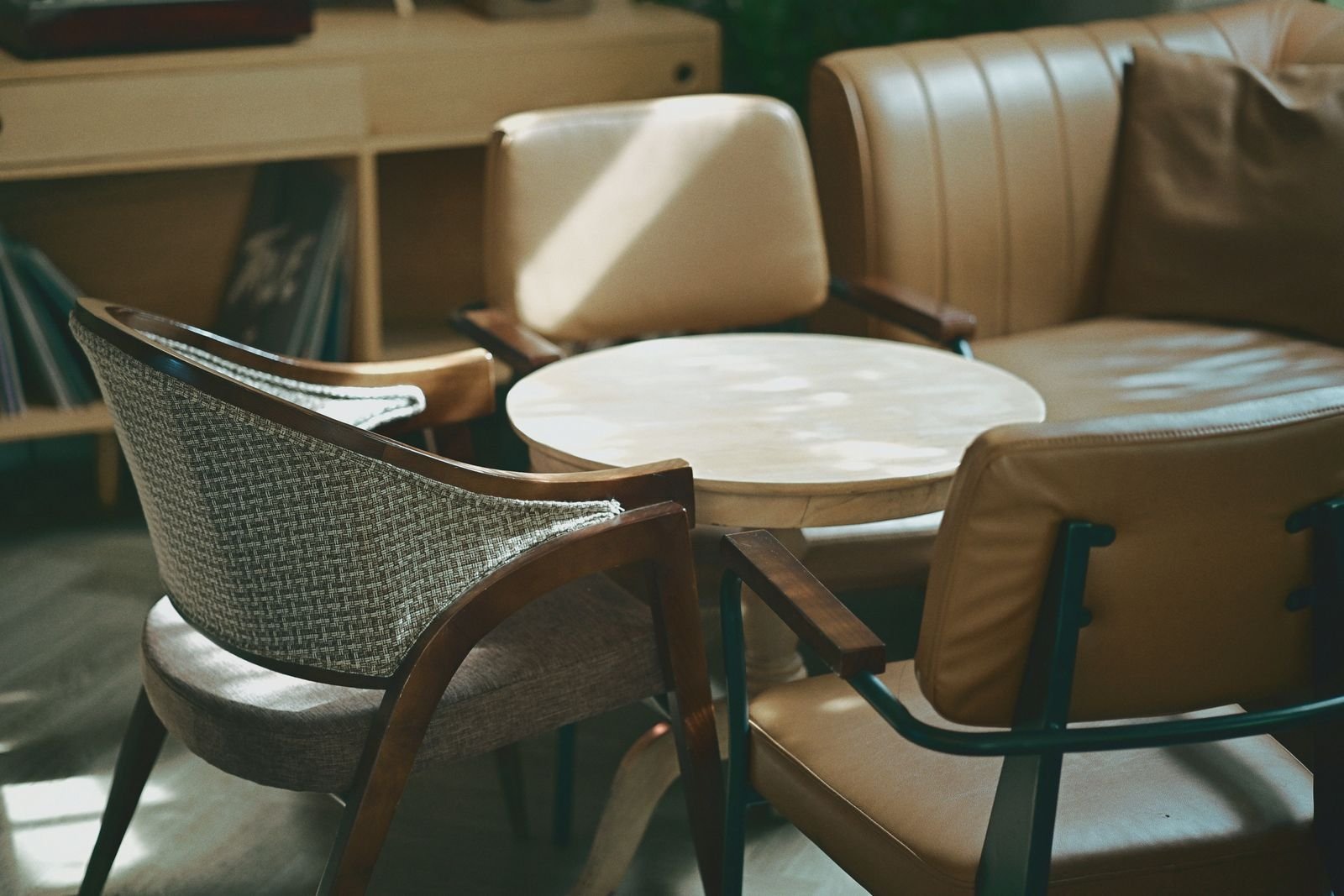
What Is a Mid-Century Modern Accent Chair?
A mid-century modern accent chair is a single statement chair inspired by 1940s to 1960s design — clean lines, tapered wooden legs, organic curves, and minimal ornament — made to stand out against a sofa rather than match it. Classic examples include lounge chairs with ottomans, egg chairs, barrel chairs, and low-slung club chairs, usually upholstered in leather, wool, bouclé, or velvet over a walnut or teak frame.
Mid-century modern accent chairs work because they balance simplicity with warmth. The wood legs add natural texture, the low profile keeps rooms feeling open, and the shapes — curved backs, angled arms, sculpted seats — add interest without clutter. That is why one mid-century modern accent chair can anchor a room that otherwise feels flat.
Why You Will Love These Mid-Century Modern Accent Chair Ideas
- They anchor a room instantly. One mid-century modern accent chair gives a seating area a focal point, even if everything else in the room is plain.
- They suit almost any sofa. Because they are designed to stand out, these chairs pair with gray, beige, leather, and velvet sofas alike.
- They are comfortable by design. Mid-century chairs were built for lounging — angled backs, deep seats, and supportive cushions are part of the style, not an afterthought.
- They age gracefully. Walnut, teak, leather, and wool all look better with a little wear, so a good chair looks more at home every year.
- They hold their value. Quality reproductions and vintage pieces alike resell well, because the style never really leaves fashion.
Classic Mid-Century Modern Accent Chair Styles
These are the icons. If you want a chair that everyone recognizes and that works in almost any room, start here.
1. The Lounge Chair and Ottoman
A low, wide lounge chair with a matching ottoman is the ultimate mid-century modern accent chair: deep seat, angled back, and a footrest that turns it into a nap station. It needs floor space — plan on about 30 inches of width plus room for the ottoman. Try it: place it at an angle to the sofa, not flat against a wall, so it invites sitting rather than posing.
2. The Egg Chair
A sculptural, enveloping chair with a curved shell that wraps around the sitter, the egg chair is a statement piece that also happens to be very comfortable. It suits a corner where its shape can breathe. Use it: keep the area around an egg chair clear, because crowding it with side tables kills the sculptural effect.
3. The Barrel Chair
A barrel chair’s curved back wraps around you like a hug, and its compact footprint fits small living rooms better than a lounge chair does. It is my pick for apartments. Try it: choose a barrel chair in a textured fabric like bouclé or tweed so the curve catches light and shadow.
4. The Low Club Chair
A low, boxy club chair with short tapered legs and a deep seat reads as relaxed and modern, and it pairs well with both leather sofas and fabric ones. Use it: keep the seat depth in mind — a deep club chair is wonderful for lounging but awkward for short legs, so sit-test it if you are under 5’4″.
5. The Wishbone-Style Chair
A wooden chair with a Y-shaped back splat and a woven seat brings mid-century craft into a dining area or a reading corner. It is lighter visually than an upholstered chair and works in rooms where a heavy chair would crowd the space. Try it: use wishbone-style chairs in pairs flanking a console for a collected, gallery-like look.
Mid-Century Modern Accent Chair Materials and Colors
Material and color decide whether a chair looks timeless or trendy. These five cover the range that actually lasts.
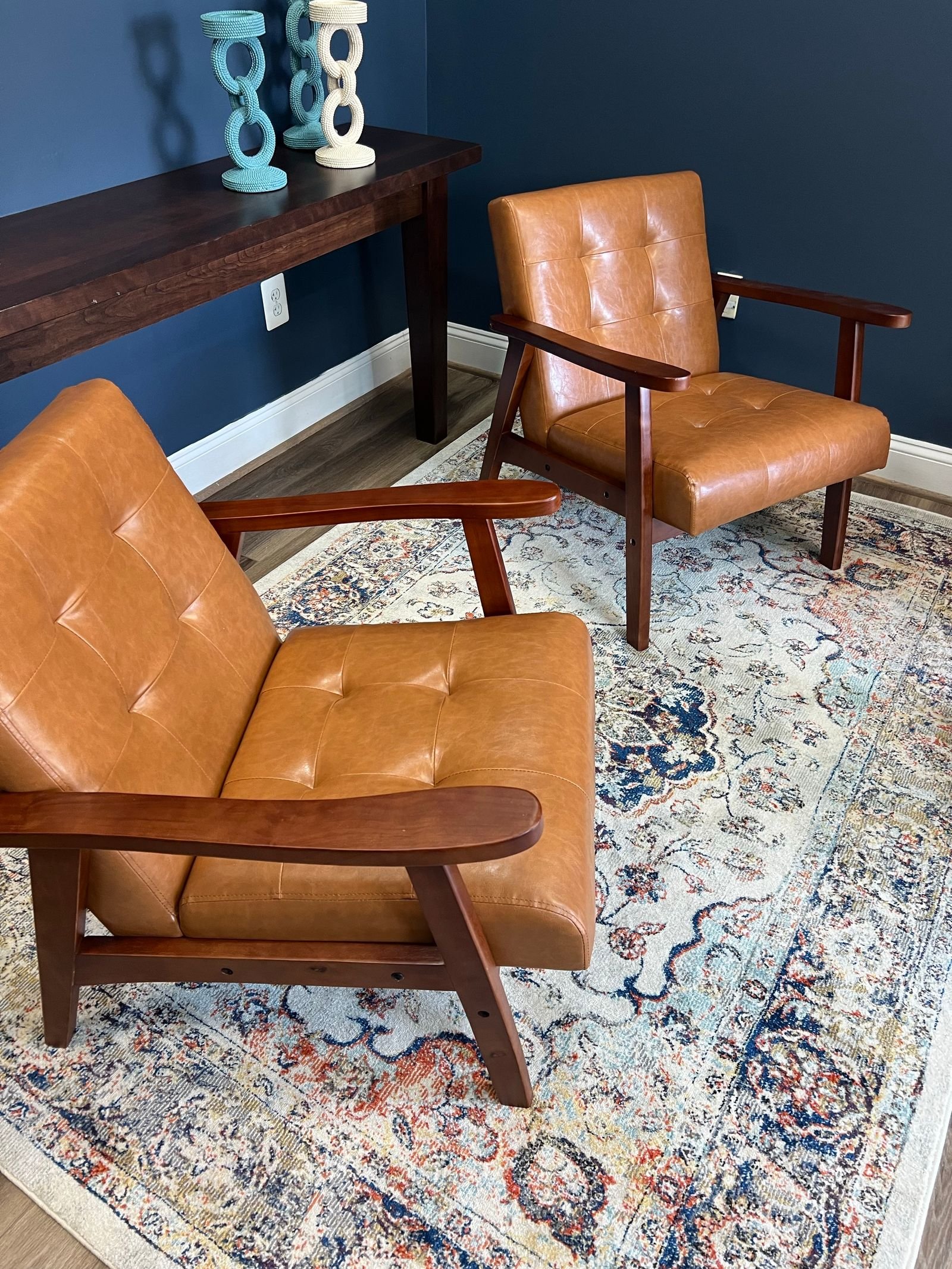
6. The Walnut and Leather Chair
Walnut legs with a cognac or black leather seat is the classic accent chair combination, and it ages beautifully — leather patinas, walnut deepens. Try it: condition leather twice a year so it does not dry out and crack, especially in sunny rooms.
7. The Bouclé Chair
Bouclé — that nubby, cloud-like white fabric — turns a simple chair shape into a cozy statement. It is everywhere right now, which is a risk, but in a classic shape it will outlast the trend. Use it: keep bouclé away from pets with claws, because the loops snag easily.
8. The Velvet Chair in a Bold Color
Mustard, forest green, or burnt orange velvet on a mid-century frame adds a punch of color without changing the room’s furniture. Velvet catches light beautifully and feels luxurious. Try it: pick one bold chair, not three — a room with three bold chairs looks like a circus, not a living room.
9. The Teak and Wool Chair
Teak frames with wool upholstery are the warmest, most natural combination in mid-century design, and vintage teak chairs are widely available secondhand at good prices. Use it: check vintage teak for wobble — tighten joints and oil the wood and a 60-year-old chair can feel brand new.
10. The Rattan and Cane Chair
Rattan frames and cane backs bring lightness and texture, and they suit sunrooms, bedrooms, and coastal rooms where a heavy upholstered chair would feel wrong. Try it: pair a rattan chair with a simple cushion in a solid color so the texture, not a pattern, does the work.
Where to Put a Accent chair
Placement is half the purchase. These five spots are where accent chairs earn their keep.
11. The Reading Corner Chair
A chair beside a window with a small table and a lamp becomes a reading corner, and a accent chair is made for this job: comfortable angle, good light, and a place for a book and a cup. Try it: the lamp should sit on the opposite side from your reading hand, and the table should be within arm’s reach without standing.
12. The Chair Opposite the Sofa
One accent chair facing the sofa creates conversation seating — two people can talk without craning their necks, and the room gains balance. Use it: leave about 18 inches between the chair and the coffee table so legs have room and the path stays clear.
13. The Bedroom Accent Chair
A chair in a bedroom corner gives you a place to read, put on shoes, or drape tomorrow’s clothes — and it makes the bedroom feel like a suite rather than just a bed in a room. Try it: choose a chair without arms for a small bedroom, because armless chairs take less visual space.
14. The Entryway Chair
A compact accent chair in a wide entryway gives guests a place to sit while removing shoes and gives the entry a furnished, welcoming feel. Use it: keep it slim and armless so the entry still feels open, and add a small tray for keys beside it.
15. The Pair of Chairs Flanking a Fireplace
Two matching accent chairs on either side of a fireplace create the most inviting seating arrangement in a house: symmetrical, warm, and built for conversation. Try it: angle both chairs slightly toward each other rather than straight at the fire, so people face each other as well as the flames.
How to Choose a Accent chair
Sit-test before you buy if you possibly can. Seat height should let your feet rest flat on the floor with knees at about 90 degrees; seat depth should support your thighs without cutting into the backs of your knees; and the back angle should feel relaxed, not slumped. For size, a chair 28 to 32 inches wide suits most rooms, and the chair should sit lower than your sofa’s back so it does not dominate the room.
For lighting around the chair, a small table lamp beside it makes the corner usable after dark. The US Department of Energy’s Lighting Choices to Save You Money guide notes LEDs use up to 90% less energy than incandescent bulbs, so a reading lamp beside your accent chair can glow all evening for pennies.
Common Mistakes to Avoid
- Buying a chair you have never sat in. Mid-century chairs vary wildly in comfort, and a beautiful chair that hurts your back is a waste. Fix: sit-test in a store, or buy from a retailer with free returns.
- Choosing a chair too big for the room. A lounge chair and ottoman need floor space, and cramming them into a small room blocks paths. Fix: tape the chair’s footprint on the floor before you buy.
- Matching the chair to the sofa exactly. An accent chair should contrast, not clone, the sofa. Fix: pick a different color or material that still shares a wood tone or style.
- Ignoring fabric practicality. White bouclé with pets and children is a cleaning job, not a chair. Fix: choose performance fabric or leather for high-traffic, high-spill households.
- Pushing the chair flat against a wall. Accent chairs look stiff and uninviting against a wall. Fix: pull the chair out a few inches and angle it toward the room.
Accent chair at a Glance
| Need | Best Pick | When to Use It |
|---|---|---|
| Ultimate comfort | Lounge Chair and Ottoman | Reading, napping, and long evenings |
| Small rooms | Barrel Chair | Compact footprint with a wraparound feel |
| Statement piece | Egg Chair | A corner that needs sculpture and comfort |
| Bold color | Velvet Chair | One punch of color in a neutral room |
| Budget | Teak and Wool Chair (vintage) | Quality secondhand pieces at fair prices |
Frequently Asked Questions
What makes a chair mid-century modern?
Clean lines, tapered wooden legs, organic curves, minimal ornament, and materials like walnut, teak, leather, and wool — all inspired by 1940s to 1960s design. A accent chair should look simple, warm, and functional rather than ornate.
Are accent chairs comfortable?
Good ones are very comfortable, because the style was designed for lounging: angled backs, deep seats, and supportive cushions. Cheap reproductions cut foam and frame quality, so sit-test or check return policies before buying.
How much should a accent chair cost?
Quality reproductions run $400 to $1,200, vintage pieces $300 to $1,500 depending on condition and maker, and iconic originals far more. Below $300, check the frame and cushion quality carefully — that is where corners get cut.
Can a accent chair work with a modern sofa?
Yes — it is one of the easiest pairings. The chair’s clean lines complement modern sofas, and its wood legs add warmth that a fully upholstered modern sofa lacks.
What color accent chair should I choose?
For a first accent chair, choose a color that contrasts with your sofa: cognac leather against gray, forest green velvet against beige, or cream bouclé against a dark sofa. One bold chair beats three competing colors.
How do I care for a leather mid-century chair?
Condition leather twice a year, keep it out of direct sun to prevent fading and cracking, and wipe spills immediately. Leather patinas with age, which is part of its appeal, but neglect turns patina into damage.
Are vintage mid-century chairs worth buying?
Often yes: vintage teak and walnut chairs were built to last, and many cost less than new reproductions of worse quality. Check joints, springs, and cushion condition, and budget for reupholstery if the fabric is worn.
Where should I place a accent chair?
At an angle to the sofa for conversation, in a reading corner with a lamp and table, or flanking a fireplace in a pair. Avoid pushing it flat against a wall — accent chairs look best pulled slightly into the room.
Final Thoughts
A mid-century modern accent chair is one of the few furniture purchases that changes a room the day it arrives. Choose a shape you love, sit-test it if you can, and place it at an angle where it invites sitting rather than posing. My own living room changed with a single walnut-and-leather lounge chair in the corner — suddenly the sofa had a partner, the room had a focal point, and the chair became everyone’s favorite seat. Start with one chair, live with it for a month, and you will know exactly whether your room wants a second.

Founder of NestFlavors — sharing tested recipes and honest home ideas, made for real life.