
Your room doesn’t need new furniture — it needs better jewelry. That’s how I think about accent decor: the small pieces that make a space feel finished, personal, and intentional, without a renovation, a paint job, or a single power tool. A tray on a coffee table. A throw over a tired sofa arm. One framed print hung at the right height.
Below are 12 accent decor pieces that genuinely transform any room, grouped by where they live in your home — surfaces, walls, soft furnishings, and the multitaskers that earn their keep twice over. Every idea is renter-friendly, most cost under $30, and each one comes with the styling detail that separates “random stuff on a shelf” from “this room looks designed.”
Let’s start with what accent decor actually is — because half the battle is knowing what counts.

What Is Accent Decor, Really?
Accent decor is any small-to-medium decorative piece whose job is to add personality, contrast, or warmth to a room — vases, trays, throw pillows, candles, small art, mirrors, baskets, and lamps. Unlike statement furniture, accent pieces don’t anchor a room; they finish it. They’re the difference between a space that looks “moved in” and one that looks “designed.”
The key idea: an accent is defined by its role, not its category. A ceramic vase is an accent on a bookshelf but might be the focal point of a tiny entryway console. What matters is the relationship between the object and its surroundings — contrast in color, texture, shape, or scale is what makes something read as an accent.
And here’s my golden rule, borrowed from designers who do this for a living: if everything is an accent, nothing is. One or two deliberate pieces per surface will always beat a crowded shelf of small things competing for attention.
Accent Decor for Surfaces
Tabletops, consoles, and shelves are where accent decor does its heaviest lifting. These three pieces work on practically any flat surface in your home — and the styling tricks transfer everywhere.
1. A Ceramic Vase (With or Without Stems)
A vase is the single hardest-working accent decor piece you can own. Empty, a sculptural ceramic vase adds shape and texture to a shelf or console; filled with grocery-store eucalyptus or dried pampas grass, it becomes a focal point. I keep three vases in different heights and rotate them around the house — the tall one lives on the dining console, the squat one moves between the coffee table and the bathroom shelf.
Scale is everything: a vase should be roughly one-third to one-half the height of the surface area behind it. Too small and it disappears; too big and it looks like it’s auditioning for a museum. For stems, the “twice the vase height” rule keeps proportions looking right.
Try it: Style it in a group of three — your vase plus two smaller objects (a candle, a small bowl) at staggered heights. Odd numbers always look more natural than pairs.
2. A Decorative Tray
A tray is accent decor with a superpower: it turns clutter into a composition. Remote controls, a candle, and a small plant look messy scattered on a coffee table — corral them on a tray and suddenly it’s a styled vignette. I use a round woven tray on my coffee table and a rectangular marble-look one on the dresser, and both make everything on them look 50% more deliberate.
Material matters more than price here. Wood adds warmth, mirrored or metallic trays bounce light around (great in dark corners), and woven textures soften modern furniture. Pick one that contrasts with your surface — a dark tray on a light table, or a light tray on dark wood.
Try it: Keep the tray’s contents to three items max, varying in height: something tall (a candle), something medium (a small plant), something low (coasters or a decorative box).
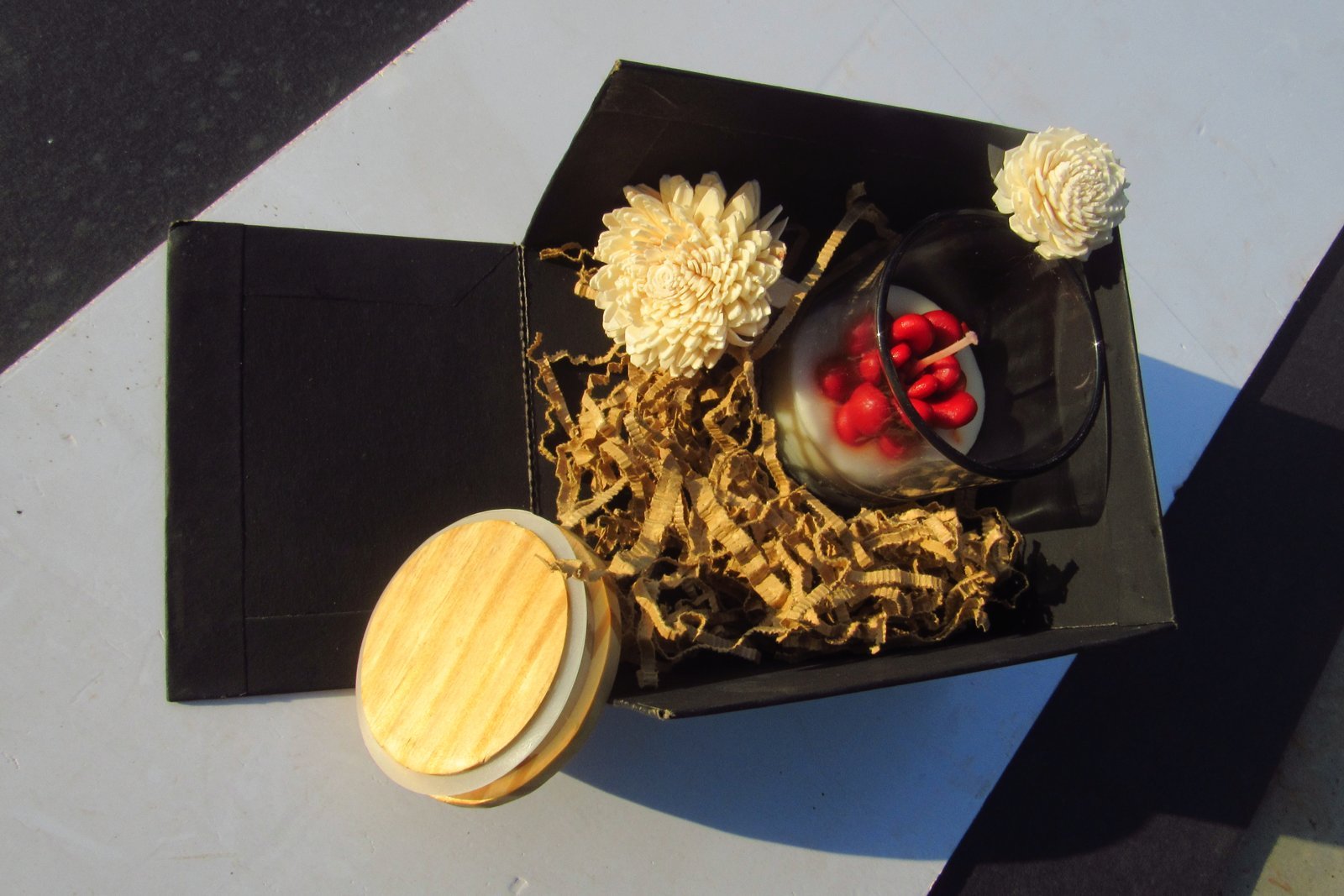
3. A Cluster of Candles
Candles are the cheapest mood lighting ever invented, and a cluster of them is one of the fastest accent decor upgrades I know. Group three to five candles of different heights on a tray or a stack of books — the varying heights create a little skyline that draws the eye, and at night the glow transforms the whole corner of a room.
Stick to one scent family per room (mixing vanilla, citrus, and pine in the same space is chaos), and use unscented pillars in the dining room so they don’t fight with food. LED flameless candles have gotten genuinely good — the Department of Energy notes that LED lighting uses a fraction of the energy of traditional bulbs, and flameless candles give you the glow with zero fire risk, which matters in rentals and homes with pets.
Try it: Put your candle cluster where you’ll see it lit most often — the coffee table or dining table beats a shelf you walk past twice a day.
Accent Decor for Walls
Walls are the biggest blank canvas in any room, and small-scale wall accents are the renter’s best friend — no drilling required for most of these. The goal is to break up empty wall space and give the eye somewhere to land.
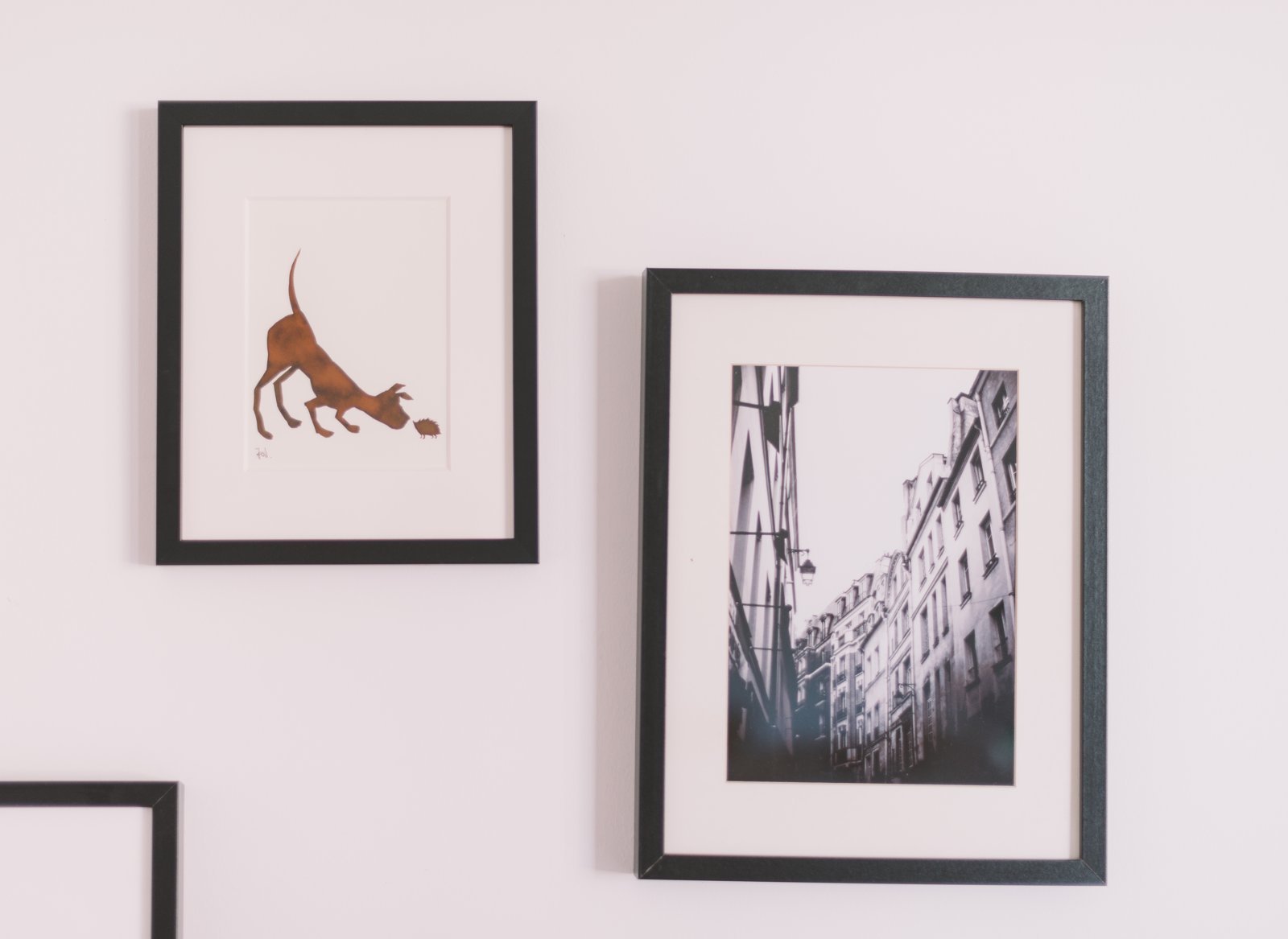
4. Small Framed Art Prints
You don’t need a gallery wall to make an impact — two or three small framed prints hung together do more than one giant canvas in most rooms. I frame inexpensive art prints (thrift stores and printable downloads are goldmines) in simple black or natural-wood frames, and the consistency of the frames is what makes mixed art look cohesive.
Hang art at eye level — the center of the piece should sit about 57 inches from the floor, which is the museum standard and the height most people get wrong. Above a sofa or console, leave 6–8 inches of breathing room between the furniture and the bottom of the frame.
Try it: Lay your arrangement on the floor first and photograph it from above — it’s much easier to shuffle frames on the floor than re-hang them on the wall.
5. A Decorative Mirror
A mirror is accent decor that works overtime: it bounces light, makes small rooms feel bigger, and fills wall space beautifully. A round mirror over a console, an arched mirror leaning on a dresser (no holes needed — renters, rejoice), or a small sunburst mirror in a hallway all punch above their weight.
Placement is the whole trick: hang or lean a mirror where it reflects something worth looking at — a window, a plant, a pretty lamp — not a blank wall or the ceiling fan. In a dark hallway, a mirror opposite the nearest light source can nearly double the perceived brightness.
Try it: A floor-length mirror leaned against the wall in a bedroom corner costs less than wall art, needs zero installation, and makes getting dressed easier. Triple win.
6. Floating Shelves with Styled Objects
Two short floating shelves turn dead wall space into a rotating display for your smallest accent pieces — tiny plants, framed photos, a stack of pretty books, one sculptural object. The shelves themselves are the accent framework; what you put on them is the personality.
Keep each shelf to 3–5 items and leave breathing room between them — the number-one mistake is cramming every souvenir you own onto two feet of shelf. Style in layers: something tall at the back (a frame or small art), medium items in the middle (books, a plant), and one small object in front. And yes, they need a stud or proper anchors — a shelf of ceramics crashing down at 2 a.m. is not the kind of drama anyone wants.
Try it: Restyle your shelves seasonally — swap in a pumpkin in fall, fresh greenery in winter, a bright print in spring. Five minutes, whole new look.
Accent Decor for Texture and Warmth
If your room looks fine but feels cold, the problem is almost always texture. These three soft accents add the tactile warmth that makes people want to sit down and stay awhile — and they’re the easiest pieces to swap when you want a refresh.
7. Throw Pillows (in Odd Numbers)
Throw pillows are the fastest, cheapest room refresh in existence. Two new pillow covers — not even new pillows, just covers — can change a sofa’s whole color story for under $25. I keep a small stash of covers in different seasons and swap them twice a year; it feels like redecorating without spending redecorating money.
The designer formula: odd numbers (three or five on a standard sofa), mixed sizes (start with 20-inch squares in back, 18-inch in front), and mixed textures (one solid, one pattern, one texture like velvet or boucle). Pull one color from your existing rug or art so the pillows connect to the room instead of floating in it.
Try it: The “chop” — karate-chop the top center of a filled pillow to create that plush dented look you see in styled photos. It works best with down or down-alternative inserts.
8. A Throw Blanket, Draped — Not Folded
A throw blanket folded in a perfect rectangle looks like a store display; the same blanket casually draped over a sofa arm or the foot of a bed looks like a home. Chunky knits add coziness, lightweight cotton or linen throws work year-round, and a faux-fur throw instantly makes a bedroom feel luxurious.
Color is your lever here: a throw in a warm rust, mustard, or deep green can introduce an accent color to a neutral room for the price of lunch. Drape it diagonally across one corner of the sofa or fold it in thirds over an ottoman — either way, keep it looking effortless, not arranged.
Try it: Keep your everyday throw on the sofa and store one seasonal swap (lighter fabric for summer, heavier for winter) — the rotation keeps the room feeling fresh.
9. A Small Area Rug or Layered Runner
A rug is technically floor decor, but a small accent rug — layered over a larger neutral one, tucked under a coffee table, or defining a reading corner — functions exactly like an accent piece. It adds pattern, color, and softness exactly where the room needs it, and in rentals it protects floors while doing it.
Layering is the pro move: a large, inexpensive jute or flatweave rug as the base, with a smaller patterned rug on top at an angle. You get the look of a much more expensive rug for half the price, and the top layer is easy to swap when your taste changes. Make sure at least the front legs of your furniture sit on the rug — a floating rug that touches nothing looks like an island.
Try it: In an entryway, a 2×3 rug with a bold pattern makes the whole entrance feel designed — it’s the first thing guests see.
Accent Decor That Pulls Double Duty
The best accent decor earns its place twice — looking good and doing something useful. In small apartments and rentals, these multitaskers are worth more than purely decorative pieces because every square foot has to work.
10. A Table Lamp with Personality
Overhead lighting is the enemy of cozy — a table lamp with an interesting base or shade is accent decor that literally changes how your room feels after dark. Ceramic gourd lamps, sculptural paper shades, vintage brass finds: the lamp is jewelry for your side table, and the warm pool of light it throws is the fastest way to make a room feel inviting.
Use warm-white bulbs (2700K) for living spaces — anything cooler reads as office lighting and kills the mood. A lamp on a console in a dark hallway or on a dresser in a bedroom corner turns dead space into a destination. And put it on a timer or smart plug so it clicks on at dusk automatically; coming home to a lit room changes everything.
Try it: If the shade is dated, replace just the shade — a $20 drum shade on a thrifted lamp base looks brand new.
11. Potted Plants and Greenery
Nothing softens a room like something alive. A trailing pothos on a bookshelf, a snake plant in a pretty pot by the sofa, a tiny succulent on a desk — plants add color, shape, and life that no object can fake. I consider plants accent decor because you choose them for how they look in the space, not just for gardening’s sake.
Match the plant to your light, not your dreams: snake plants and pothos tolerate low light and neglect (perfect for beginners), while fiddle-leaf figs demand bright light and attention. The pot matters as much as the plant — a $10 plant in a beautiful ceramic pot looks like a $50 styling decision.
Try it: Group three plants of different heights together — a tall floor plant, a medium tabletop plant, and a small one — for an instant indoor garden moment.
12. Woven Baskets
Baskets are the quiet heroes of accent decor: they add natural texture, hide clutter (blankets, toys, chargers, the stuff of real life), and cost almost nothing at thrift stores. A large basket beside the sofa corrals throw blankets; a medium one on a shelf holds rolled towels in a bathroom; small ones organize a console or entryway.
Mix materials for interest — seagrass, rattan, and woven cotton all read differently — but keep the color palette tight so they feel collected rather than random. A basket with a plant inside (pot tucked in, no repotting needed) is my favorite two-for-one styling trick.
Try it: Use a lidded basket for the things you want hidden (cords, remotes) and open baskets for the pretty stuff (blankets, magazines).
How to Style Accent Decor Like a Designer
Owning the pieces is half the battle — placing them is the other half. These five rules are what separate styled rooms from cluttered ones, and they work whether your style is modern, farmhouse, boho, or “I just moved in.”
Follow the rule of three. Groups of three (or five) look intentional; pairs look like bookends and singles can look lonely. Vary the heights within the group — tall, medium, short — so the eye travels.
Repeat one thing. Pick one color, material, or shape and echo it in two or three spots around the room. A brass frame on the shelf, a brass lamp base, a brass bowl on the coffee table — suddenly the room feels pulled together, even though the pieces have nothing else in common.
Vary texture, not just color. A room with five smooth, shiny objects feels flat even in great colors. Mix rough with smooth, matte with glossy, soft with hard — a nubby throw against a leather sofa, a rough ceramic vase next to a glass candle holder.
Leave negative space. The empty inches between objects are doing work — they let each piece breathe and keep surfaces feeling styled instead of crowded. If you can’t see surface between your objects, remove one thing.
Step back and squint. Stand in the doorway and squint at the room — you’ll see the shapes and color blocks without the detail noise. If one corner screams for attention while another disappears, rebalance. I do this every time I restyle a shelf, and it never fails.
Common Mistakes to Avoid
- Accenting every surface. The fastest way to make a room feel cluttered is decorating every flat surface. Leave some surfaces completely clear — the contrast makes your styled spots stand out more.
- Buying a matching set of everything. A five-piece “decor set” in identical finishes looks like a hotel lobby, not a home. Mix pieces collected over time (or that at least look like they were) for a space with personality.
- Ignoring scale. Tiny objects on a huge console look lost; oversized pieces on a small side table look top-heavy. Hold the piece up in the spot before committing — your eye knows instantly when the scale is wrong.
- Choosing decor before a color plan. Random accent colors in every corner create visual noise. Pick one accent color (plus neutrals), and make sure most of your pieces speak to it.
- Forgetting function. A beautiful tray you can’t lift because it’s overloaded, a lamp with no outlet nearby, a basket too small for anything — accent decor should make life easier or at least not harder. If you move it every time you use the table, it doesn’t belong there.
- Hanging art too high. The single most common decor mistake in America. Center of the piece at 57 inches from the floor; 6–8 inches above furniture. When in doubt, go lower than feels natural.
Accent Decor at a Glance
| Piece | What It Does | Best Spot | Budget Tip |
|---|---|---|---|
| Ceramic vase | Adds shape and height | Console, shelf, dining table | Thrift stores are full of them |
| Decorative tray | Corrals clutter into a vignette | Coffee table, dresser, ottoman | One tray beats three small dishes |
| Candle cluster | Warmth and mood lighting | Coffee table, mantel, bathroom | Group drugstore pillars by height |
| Framed art prints | Personality on walls | Above sofa, hallway, bedroom | Printable art + simple frames |
| Decorative mirror | Bounces light, enlarges space | Entryway, hallway, over console | Lean a floor mirror — no holes |
| Floating shelves | Display space for small pieces | Living room, kitchen, office | Two short shelves beat one long |
| Throw pillows | Color and comfort, instantly | Sofa, bed, reading chair | Swap covers, not pillows |
| Throw blanket | Texture and warmth | Sofa arm, bed foot, basket | One bold color transforms neutrals |
| Small area rug | Pattern and zone definition | Layered, entryway, reading nook | Layer cheap over cheaper |
| Table lamp | Ambience and task light | Side table, console, dresser | Replace the shade, keep the base |
| Potted plants | Life, color, softness | Shelves, corners, windowsills | Pretty pot upgrades a $10 plant |
| Woven baskets | Texture + hidden storage | Beside sofa, bathroom, entry | Thrift stores, always |
Frequently Asked Questions
What is considered accent decor?
Accent decor includes the smaller decorative pieces that add personality and finish to a room — vases, trays, candles, throw pillows, small art, mirrors, plants, baskets, and table lamps. They’re defined by their supporting role: they enhance the room’s main furniture rather than anchoring it.
What’s the difference between accent decor and statement pieces?
An accent piece adds interest and can be subtle; a statement piece commands attention and often becomes the room’s focal point. A small textured pillow is an accent, while a large sculptural chandelier is a statement. Some pieces can be both depending on the room.
How many accent pieces should a room have?
There’s no fixed number, but restraint wins: one to three deliberate pieces per surface, and not every surface styled. Start with one noticeable piece where the room feels emptiest, then add only where the eye still wants something. If everything is an accent, nothing is.
How do I choose accent decor colors?
Start with your room’s existing palette and pick one accent color to repeat in two or three pieces. Pull it from something you already own — a rug, art print, or even a book cover. Neutrals plus one accent color is the safest formula; two accent colors work if one clearly dominates.
Is accent decor renter-friendly?
Almost entirely, yes. Trays, candles, pillows, throws, plants, baskets, leaning mirrors, and tabletop pieces need zero installation. For walls, use adhesive hooks, leaning frames, and tension rods instead of drilling — you can transform a rental without touching the walls permanently.
Where should I not put accent decor?
Keep decor clear of high-traffic walkways, HVAC vents, and anything that blocks natural light. Avoid styling surfaces you use constantly (like a desk you work at daily) — decor that you have to move every day becomes clutter, not design.
How often should I change my accent decor?
Seasonally is the sweet spot for most people — swap pillow covers, throws, and small shelf objects four times a year and your home always feels fresh. Bigger pieces like mirrors, lamps, and rugs can stay for years. The whole point of accents is that they’re easy to rotate.
What’s the cheapest way to add accent decor?
Start with what you own: rearrange books by color, group candles you already have, drape a blanket you own differently. Then hit thrift stores for vases, baskets, frames, and lamps — they’re the most abundant and cheapest secondhand decor finds. New pillow covers are the best under-$25 refresh in existence.
Final Thoughts
Accent decor is proof that small decisions make the biggest difference. You don’t need a new sofa — you need a tray that makes your coffee table look intentional, a lamp that makes evenings feel warm, and one piece of art hung at the right height. Pick three pieces from this list this weekend, style them using the rule of three, and step back into the doorway. I promise you’ll see your room differently.

Founder of NestFlavors — sharing tested recipes and honest home ideas, made for real life.