
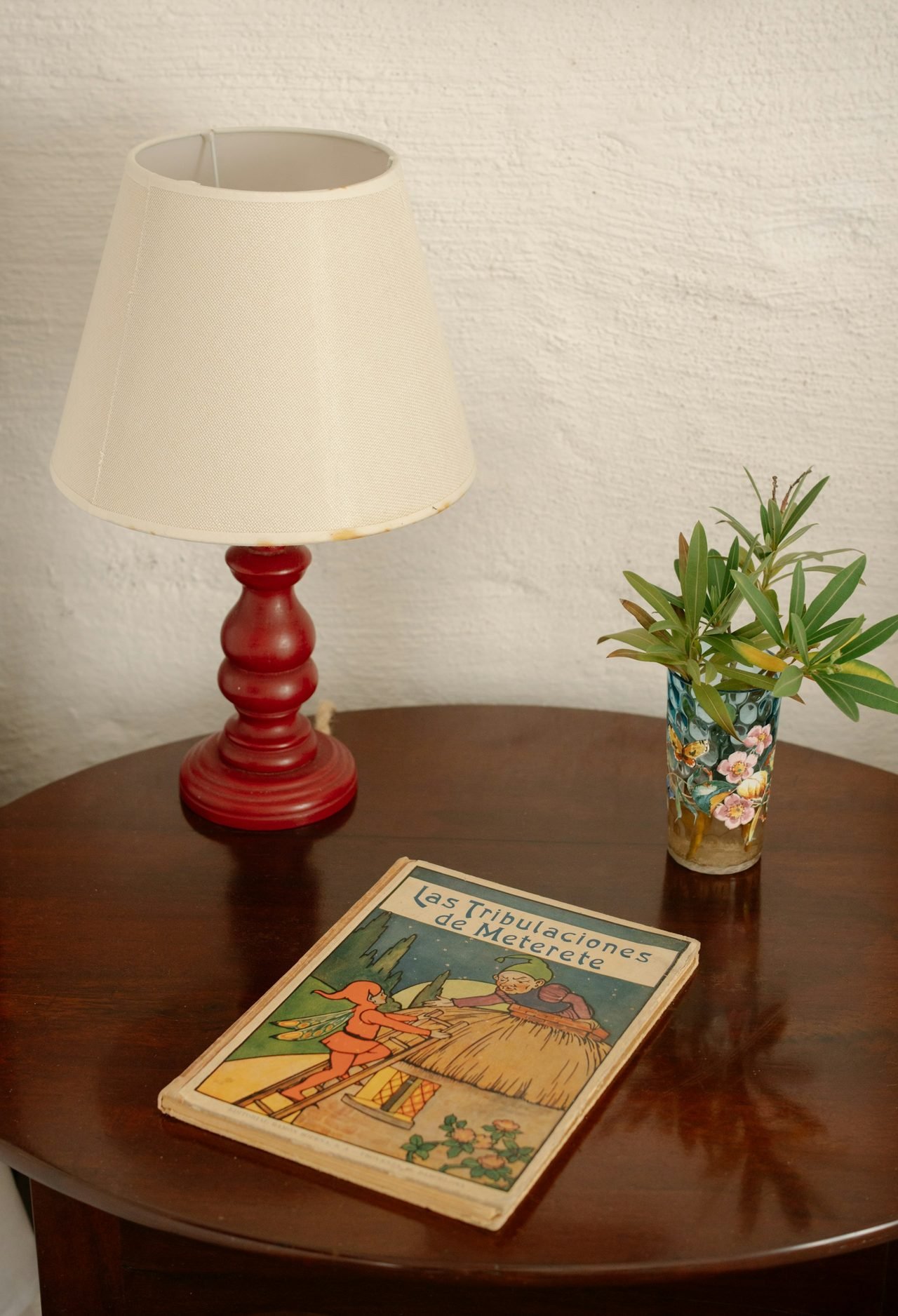
That awkward gap next to your sofa? It’s begging for an accent table.
An accent table is the hardest-working small piece of furniture you’ll ever own. It holds your coffee, anchors your lamp, fills dead corners, and gives your whole room that “designed” look — for less than the cost of a dinner out. Whether you’re working with a sprawling living room or a studio apartment, the right one ties everything together.
I’ve styled dozens of rooms, and I can tell you this: rooms without them always feel like something’s missing. You can’t quite name it, but the seating floats, the lamp has nowhere to go, and there’s nowhere to set a drink down. This guide gives you 15 accent table ideas across every style and budget, plus the exact sizing rules I use, the materials worth your money, and the mistakes that make a cheap table look cheap.
What Is an Accent Table?
An accent table is a small, decorative table — typically 18 to 26 inches tall — placed beside seating, in corners, or against walls to add both function and style. The term is actually an umbrella: end tables, side tables, console tables, and even small coffee tables all count when they’re chosen to complete a room’s look.
Here’s the honest truth about the naming confusion. Furniture brands use “end table,” “side table,” and “accent table” almost interchangeably because the difference is about placement, not the piece itself. An end table sits at the end of a sofa. A side table sits beside a chair or in a corner. It’s the same small table chosen for its style impact — it’s the one that adds the pop of marble, the curve of rattan, the gleam of brass. Same furniture family, different job description.
What makes an accent table different from a purely functional side table is intention. A side table just holds things. An accent table holds things and makes the room look better doing it. That’s the whole distinction.
Why You’ll Love Accent Tables
- They finish a room instantly. Seating without a side surface always looks temporary. One accent table makes a whole corner feel intentional.
- They solve the “nowhere to put it” problem. Drinks, remotes, reading glasses, a charging phone — small things need a home near where you sit.
- They’re the cheapest way to change a room’s style. Swapping a wood accent table for a marble one shifts the entire mood without touching the big furniture.
- They work in every room. Living room, bedroom, entryway, even a bathroom corner — an accent table fits anywhere a full table can’t.
- They move with you. Lightweight and compact, accent tables are the first thing I recommend to renters. They survive every move and adapt to every floor plan.
- They double as decor platforms. A table is a stage. A lamp, a stack of books, one great plant — that’s a styled vignette, and the accent table is what makes it possible.
Classic Accent Table Styles
These are the proven silhouettes — the shapes designers reach for again and again because they work in almost any room. If you only learn four accent table types, make it these.
1. The Round Wood Side Table
The universal donor of accent tables. A round wood side table — about 18 inches across and 22 inches tall — fits beside any sofa, any chair, any style. No sharp corners to bruise shins on, no visual bulk, and wood goes with literally everything.
Why does this work so well? Round shapes keep traffic flowing around them, which matters in tight living rooms where every inch counts. A simple turned-leg or pedestal-base wood table reads classic without being fussy, and you can find solid options for $50 to $120.
Try it: Place one on each side of a three-seat sofa for instant symmetry, or use a single one beside an accent chair in a bedroom corner.
2. The Drum Table
A drum table is a cylinder — closed all the way around like a barrel — and it’s the introvert of accent tables: all the function, none of the visual noise. Because the surface runs edge to edge with no legs, it reads as one clean shape and hides everything underneath.
Drum tables shine in modern and transitional rooms where you want a side surface without the clutter of visible legs and stretchers. Many come with a lid that lifts for hidden storage — throw blankets, board games, the remote graveyard. Budget versions run $60 to $150; real wood or metal drums go higher.
Try it: Use a drum table in a small living room where a leggy table would look busy — the solid silhouette grounds the space.
3. Nesting Tables
Nesting tables are two or three tables that tuck under each other like Russian dolls. Pull them out when guests arrive, tuck them back when it’s just you. This is the single best accent table idea for small apartments, and I’d argue every studio needs a set.
The trick to making nesting tables look intentional instead of “I bought the set on sale” is mixing materials — a wood top with a metal frame, or two different finishes in the same family. When they’re nested, they read as one sculptural piece. Typical sizes run 16 to 22 inches in diameter, 20 to 24 inches tall, and sets cost $80 to $200.
Try it: Keep the large one beside the sofa and tuck the small one under it; pull it out as a drink station during movie night.
4. The C-Side Table
A C-side table (sometimes called a laptop table) has a base shaped like the letter C that slides under the sofa cushion, so the top hovers over your lap. If you eat, work, or scroll on your couch — and who doesn’t — this is the accent table that was designed for your actual life.
The standard top is about 16 by 12 inches at 24 to 26 inches tall, sized to clear most sofa seats. They’re brilliant in small spaces because the base disappears under the furniture, eating zero floor space. Prices run $40 to $120, and honestly, the cheap ones work fine — there’s no joinery to fail.
Try it: Park one beside each end of a sectional so nobody has to balance a mug on the armrest again.
Statement Materials That Do the Talking
Sometimes the shape is simple and the material does all the work. These four materials turn a basic accent table into the piece guests ask about.
5. Marble and Travertine
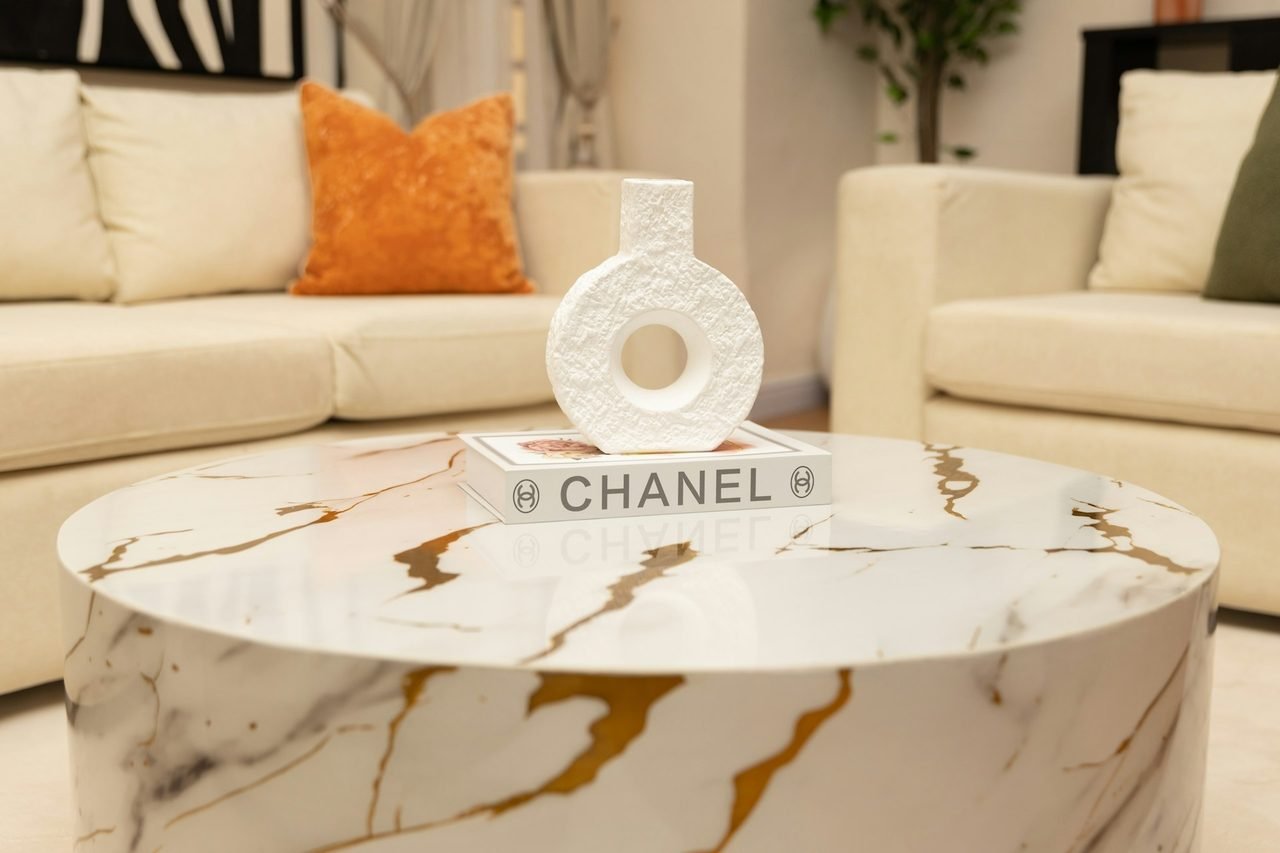
Nothing says “I have taste” like a marble accent table. The veining does the decorating for you — you barely need to style the top. Travertine, marble’s warmer, more casual cousin, brings the same stone luxury with a softer, pitted texture that hides fingerprints beautifully.
Here’s what to know before you buy. Real marble stains (red wine is its nemesis) and costs $200 to $600 for a small table. Marble-look porcelain or engineered stone gives you 90% of the look for under $150 and shrugs off spills. For renters and anyone with kids, the engineered version is the smarter buy every time.
Try it: A small round marble top on a simple metal base beside a velvet chair — that’s a corner that photographs itself.
6. Glass and Acrylic
Glass and acrylic accent tables are invisible furniture — they give you a surface without adding visual weight. In a small or dark room, that’s a superpower. A glass top lets the rug pattern show through and keeps sight lines open, which makes the whole room feel bigger.
Tempered glass is the safety standard; it’s stronger than regular glass and breaks into dull chunks rather than shards if it ever fails. Acrylic (clear plastic) is lighter and cheaper — $60 to $150 — but scratches over time, so it’s best in low-traffic spots. Keep the top simple: one sculptural object, not a clutter collection, because everything shows.
Try it: Use a glass accent table in front of a patterned rug or bold wallpaper so the pattern stays visible — the table disappears and the design shines.
7. Rattan and Cane
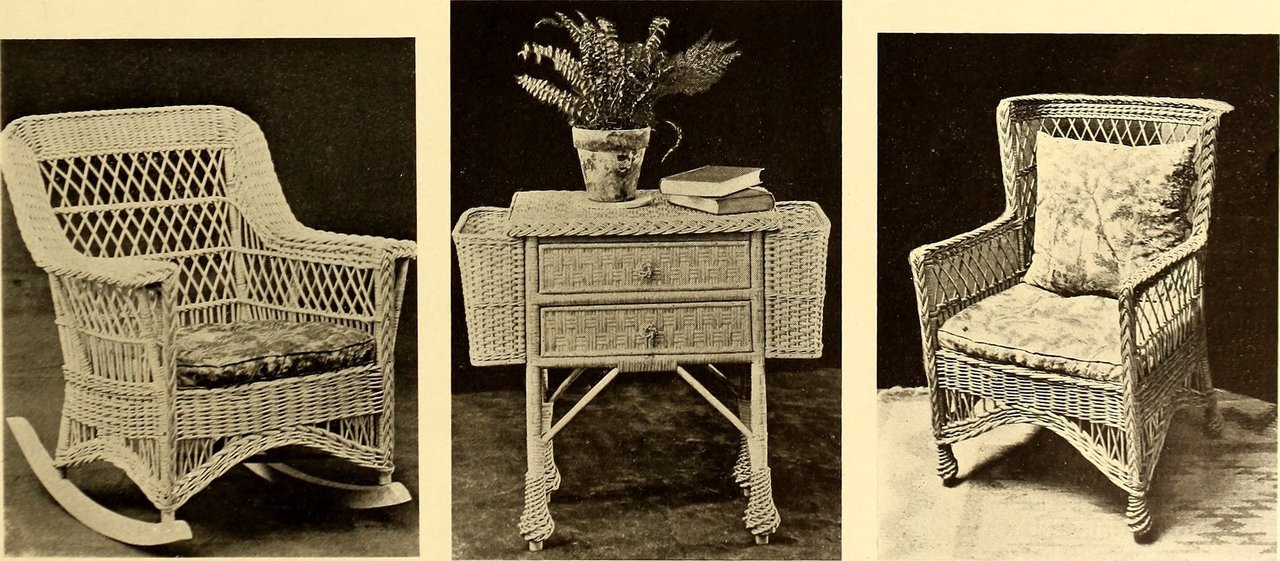
Rattan and cane accent tables bring instant warmth and texture. They soften rooms full of hard surfaces — leather sofas, metal frames, concrete floors — and they work across boho, coastal, traditional, and even modern spaces. A round rattan one is one of the most versatile pieces you can buy.
Buy for construction, not just looks. Real woven rattan should feel tight and springy, not loose or brittle. Budget versions ($40 to $90) use synthetic weave over a metal frame — totally fine for indoor use and actually more durable in humid rooms. Check the underside: a proper frame with cross-bracing won’t wobble when you lean on it.
Try it: Pair a rattan accent table with a linen sofa and one green plant — three textures, zero effort, completely cohesive.
8. Brass and Mixed Metals
A brass or gold-finish accent table is jewelry for your room. Metals catch light and add a layer of polish that wood and fabric can’t. And here’s the rule most people get wrong: your metals don’t have to match. Mixed metals — brass table, black lamp, chrome tray — look collected and confident; matched metals look like a showroom.
Stick to one dominant metal per vignette and let the accents play. A brass side table with a black-framed photo and a ceramic vase is a complete styling moment. Aluminum and iron versions run $70 to $180; solid brass is a lifetime piece at $300+. Wipe with a dry cloth — water spots are the enemy of a good metal finish.
Try it: If your room feels flat, a single metallic accent table is the fastest fix I know. Shine adds dimension that color alone can’t.
Hardworking Accent Tables With Storage
Pretty is good. Pretty and secretly holding all your clutter is better. These accent tables earn their floor space twice.
9. The Table With a Drawer
An accent table with a single drawer is the unsung hero of tidy living rooms. That drawer swallows remotes, reading glasses, chargers, coasters, and the random bits that otherwise migrate across every surface. Out of sight, still within arm’s reach.
Look for a drawer that glides smoothly and closes fully — cheap drawer slides stick and sag within a year. A drawer 4 to 6 inches deep holds the essentials without making the table bulky. Solid wood versions run $100 to $250; they’re worth it because a wobbly drawer table is worse than no drawer at all.
Try it: Dedicate the drawer to one category — “couch drawer” for remotes and chargers — and your coffee table stays clear forever.
10. The Trunk or Chest
A vintage trunk or small chest as an accent table is storage disguised as decor. It holds blankets, photo albums, or off-season pillows inside, and the top works as a side surface. In a bedroom, a trunk at the foot of the bed or beside it doubles as a nightstand with serious capacity.
Measure before you fall in love at the flea market. Trunks run 18 to 24 inches tall — right in accent table range — but they’re deep, often 16 to 20 inches front to back, so they need more floor space than a pedestal table. Check that the lid opens fully without hitting the wall and that hinges hold the lid up on their own.
Try it: A trunk between two chairs in a living room gives you a side table, a footrest, and a blanket chest in one $40 thrift find.
11. The Cube Table
Cube accent tables — hollow boxes, usually 15 to 18 inches square — are the minimalists’ storage table. Slide baskets or books into the open side, set a lamp on top, done. They stack, they group, and they look sharp in modern rooms.
The open cube is also the easiest DIY accent table in existence: four boards and some screws, or even a sturdy wooden crate turned on its side. Store-bought versions in wood veneer run $50 to $120. Style the opening with intention — a folded throw and two books, not a junk drawer on display.
Try it: Group two cubes of different heights beside a sofa instead of one table — asymmetric, interesting, and twice the surface.
Renter-Friendly and Budget Accent Table Ideas
You don’t need a furniture budget to have great accent tables. Some of the best ones I’ve seen cost less than a pizza. These are renter-approved: no mounting, no damage, and they move with you.
12. The Stool That Moonlights as a Table
A sturdy wooden stool is an accent table waiting to happen. Flip the script: any flat-topped stool between 18 and 24 inches tall is a side table. Garden stools — those ceramic drums with pierced patterns — are the classic version, and they cost $30 to $70 at home stores.
The rule is stability. Sit-test it (gently) before you commit — if it wobbles under you, it’ll wobble under a lamp. A flat, solid top beats a curved or slatted one for holding drinks. This is my favorite trick for entryways and bedrooms where you need a surface but don’t want “furniture.”
Try it: A ceramic garden stool beside a reading chair with a small plant on top — $45, zero assembly, looks like a design choice.
13. The Ottoman Table
A small ottoman with a tray on top is an accent table, a footrest, and extra seating in one. This is peak small-space thinking. Choose a firm-topped ottoman — soft poufs won’t hold a drink steady — and add a rigid tray to create a stable surface.
Round ottomans 18 inches across work beside chairs; a 15-inch cube ottoman tucks into corners. Storage ottomans add the hidden-clutter bonus. Prices run $50 to $150, and performance fabric (the stain-resistant kind) is worth the upgrade if you actually put your feet up.
Try it: Tray on top for drinks, feet up when the tray’s off. One piece, two jobs, no compromise.
14. The Thrift-Store Flip
Thrift stores are full of accent tables with good bones and bad finishes. A solid wood end table for $15, a can of paint or a Saturday of sanding, and you have a custom piece nobody else owns. I’ve flipped dozens — the bones matter, the finish is fixable.
Shop with a checklist: solid wood (knock on it — it should sound dense, not hollow), stable legs with no wobble, and dimensions that fit your spot. Skip anything with a swollen, peeling veneer — that’s not worth saving. And measure your space before you go; “it was only $12” is how trunk-loads of wrong-size tables happen.
Try it: Paint the base a bold color and leave the top natural wood — two-tone tables look custom and cost almost nothing.
15. The Plant Stand Corner Table
That dead corner where nothing fits? A plant stand is an accent table for your greenery. Tiered plant stands — 24 to 36 inches tall with two or three levels — turn one plant into a whole display and fill vertical space that a low table can’t.
Treat it like any accent table: the top level gets the statement plant, lower levels get smaller pots or a stack of books. Metal stands ($30 to $80) suit modern rooms; wood stands warm up traditional ones. Just check the weight rating if you’re loading it with big ceramic pots — water plus soil gets heavy fast.
Try it: A tiered stand in an empty corner with plants at three heights fills the space better than any single table could.
The 3-Number Rule: Buying the Right Size Every Time
Here’s the content gap most accent table guides skip: they tell you to “consider scale” and stop there. Useless. Here’s the actual math I use — three numbers, and you’ll never buy the wrong size again.
Number 1: Height — within 2 inches of the sofa arm. Measure your sofa arm from the floor. The tabletop should land within 2 inches above or below that height — ideally level or 1 inch lower. A table that’s 6 inches below the arm means reaching down for your drink; 6 inches above looks like it’s looming. Standard sofa arms run 24 to 28 inches, which is why most accent tables are 22 to 26 inches tall.
Number 2: Diameter — at least half the sofa’s seat depth. For a round accent table beside a sofa, the top should be at least half as deep as the seat is deep. A 36-inch-deep sofa wants a table at least 18 inches across — anything smaller looks lost. For square tables, match the tabletop depth to the chair’s seat width within a few inches.
Number 3: Distance — 18 inches of clearance, arm’s length away. Leave at least 18 inches of walkway between the table and any traffic path — less than that and people will clip it. At the same time, the table should sit within easy arm’s reach of the seat, roughly 6 to 12 inches from the sofa’s edge. Reachable but not in the walkway: that’s the sweet spot.
Write these on your phone before you shop: arm height, half the seat depth, 18-inch clearance. Three numbers, zero regrets.
How to Style an Accent Table Like a Designer
Buying the table is half the job. Styling it is the other half, and it’s where most people freeze. Here’s the formula I use on every single accent table: anchor, layer, life.
Anchor with something tall. Every styled table needs one vertical element — a table lamp, a tall vase, a stack of books with a candle on top. This gives the eye somewhere to land. Here’s the rule: the tallest object should stand about as tall as the table itself. A 24-inch table wants a 20 to 26-inch lamp, and the lamp base should cover no more than one-third of the tabletop.
Layer with something flat. A decorative tray, a folded runner, or a stack of two or three coffee table books creates a base layer that groups small items and protects the surface. Trays are the secret weapon — they turn three random objects into one intentional arrangement, and you can lift the whole thing when you need the surface.
Add something alive. A plant, fresh flowers, even a bowl of lemons. Living things add color and softness that objects can’t. If you kill plants (no judgment), a good faux stem in a real vase fools everyone at arm’s length.
Leave 50 to 70 percent of the surface clear. This is the rule people break most. A styled table is not a full table. Negative space is what makes the styled part look deliberate instead of cluttered. If you can’t set down a coffee mug without moving something, edit.
Style in odd numbers. Three objects beat two; five beats four. Odd groupings feel natural to the eye. And vary the heights — tall, medium, low — so the arrangement has rhythm instead of sitting in a flat line.
One last thing: style for your real life. If the table is where you actually set drinks, coasters live there permanently and the precious objects move elsewhere. A beautiful table you can’t use is just a sculpture.
Accent Table Placement Ideas, Room by Room
Most guides only talk about the living room. But this little table earns its keep all over the house. Here’s where I put them:
Living room: The classic — one beside each end of the sofa, or a single statement piece beside your favorite chair. If the room is large, a pair of matching-height tables on either side of the sofa creates the symmetry the space needs.
Bedroom: As a nightstand, an accent table beats a bulky traditional one in small bedrooms. Go 24 to 28 inches tall to match the mattress, and pick one with a drawer for chargers and glasses. In a primary bedroom, mismatched nightstands (different shapes, same wood tone) look far more designed than a pair.
Entryway: A narrow console-style accent table against the wall is a landing zone for keys, mail, and sunglasses. Add a tray to corral the small stuff and a mirror above it — the mirror bounces light and gives you a last look before you leave.
Home office: A small side table next to your desk holds the printer, reference books, or simply your coffee — keeping the actual work surface clear. A C-side table works here too, sliding under the desk edge.
Bathroom: A tiny stool or teak bench beside the tub holds a candle, a book, and rolled towels. Teak handles humidity better than most woods, so it’s the material I’d pick for this spot.
Dining room corners: A plant stand or small drum table in the dead corner between the dining table and the wall fills the gap and gives you a spot for a big branch arrangement or a bar tray during parties.
The pattern: anywhere you sit, stand, or pause regularly is a candidate. Walk through your home and notice where you set things down on the floor or the arm of a chair — that’s where a table belongs.
Common Mistakes to Avoid
- Buying before measuring. The number one accent table mistake. That perfect table is useless if it’s 4 inches taller than your sofa arm or blocks the walkway. Measure arm height, available floor space, and clearance before you shop — not after it arrives.
- Matching everything exactly. A matching set of end tables, coffee table, and console looks like a furniture showroom, not a home. Mix materials or finishes — wood table with a metal lamp, marble top with a wood frame. Cohesive, not cloned.
- Going too small. A tiny 12-inch table beside a deep sectional looks like a mistake. When in doubt, size up. A slightly-too-big accent table looks generous; a too-small one looks lost.
- Going too tall. A table that towers over the sofa arm breaks the room’s horizontal line and makes seating feel sunken. Remember the 3-number rule: within 2 inches of arm height.
- Cluttering the surface. Five candles, three frames, a plant, and a bowl is not styling — it’s storage. Pick three things, leave breathing room, and let the table itself show.
- Ignoring weight and stability. That $35 table is only a bargain if it doesn’t wobble. In the store, press down on one edge — if it rocks, walk away. At home, check that the base sits flat on your floor (rugs can make light tables tippy).
- Forgetting the lamp scale. A lamp that’s too big overwhelms a small accent table; too small and it looks like a dollhouse. The lampshade’s bottom should sit at about your seated eye level, and the lamp base should cover no more than one-third of the tabletop.
- Placing it in the walkway. An accent table sticking into a traffic path gets bumped daily — scratched tops, spilled drinks, bruised hips. Keep 18 inches of clear walking space, or choose a smaller footprint.
Accent Tables at a Glance
| # | Type | Typical Size (W × H) | Best For | Price Range | Watch Out For |
|---|---|---|---|---|---|
| 1 | Round wood side table | 18″ dia × 22″ | Any room, any style | $50–$120 | Wobble — check leg joints |
| 2 | Drum table | 18″ dia × 24″ | Modern rooms, hidden storage | $60–$150 | Heavy; hard to move |
| 3 | Nesting tables | 16–22″ dia × 20–24″ | Small apartments, guests | $80–$200 | Matchy look — mix finishes |
| 4 | C-side table | 16″ × 12″ × 24–26″ | Couch workers, small spaces | $40–$120 | Tippy if overloaded |
| 5 | Marble/travertine | 16–20″ dia × 22–24″ | Statement corners | $150–$600 | Staining (real marble) |
| 6 | Glass/acrylic | 18–22″ dia × 22–24″ | Small or dark rooms | $60–$150 | Scratches, fingerprints |
| 7 | Rattan/cane | 18″ dia × 22″ | Warmth, texture | $40–$90 | Loose weave on cheap ones |
| 8 | Brass/metal | 14–18″ dia × 22–26″ | Polish, glam | $70–$300+ | Water spots on finish |
| 9 | Table with drawer | 20–24″ W × 24″ | Tidy living rooms | $100–$250 | Sticky cheap drawer slides |
| 10 | Trunk/chest | 30″ W × 18–24″ | Storage, vintage style | $40–$200 | Needs more floor space |
| 11 | Cube table | 15–18″ sq × 15–18″ | Modern, DIY-friendly | $50–$120 | Open side shows clutter |
| 12 | Stool as table | 14–18″ dia × 18–24″ | Entryways, budget | $30–$70 | Must be rock-solid stable |
| 13 | Ottoman table | 18″ dia × 16–18″ | Footrest + surface | $50–$150 | Needs a tray for drinks |
| 14 | Thrift flip | Varies | Custom look, low cost | $15–$60 | Swollen veneer — skip it |
| 15 | Plant stand | 12–18″ W × 24–36″ | Corners, plant lovers | $30–$80 | Weight limits with big pots |
FAQ
What is the standard height of an accent table?
Most accent tables stand 22 to 26 inches tall, designed to sit level with or just below a standard sofa arm (24 to 28 inches). The rule I use: the tabletop should land within 2 inches of your sofa arm height. Bedroom accent tables used as nightstands run 24 to 28 inches to match mattress height.
What’s the difference between an accent table and an end table?
An end table is defined by placement — it sits at the end of a sofa. An accent table is defined by purpose — it’s chosen to add style to a room. In practice they’re often the same piece of furniture; “accent table” is the broader term that also covers decorative side tables, and brands use the names interchangeably.
How big should an accent table be for a small living room?
Choose a table 16 to 20 inches in diameter and keep at least 18 inches of walkway clearance around it. Round shapes work best in tight rooms — no corners to bump. Nesting tables or a C-side table are ideal because they add surface without permanent bulk.
What do you put on an accent table?
The classic formula: one tall anchor (lamp or vase), one flat layer (tray or stack of books), and one living thing (plant or flowers). Add coasters if you actually set drinks there. Keep 50 to 70 percent of the surface clear so the table stays usable, not just decorative.
Should accent tables match the coffee table?
They should coordinate, not match. Pick up one shared element — the same wood tone, the same metal finish, or the same style family — and let everything else differ. Exact matching sets look like a showroom; mixed pieces look like a home someone actually designed.
Can I use an accent table as a nightstand?
Absolutely — it’s one of the best uses. Choose one 24 to 28 inches tall (level with your mattress top), wide enough for a lamp plus a book and water glass (at least 16 inches across). A table with a drawer is ideal for corralling chargers and reading glasses.
How much should I spend on an accent table?
Budget $30 to $80 for simple stools, plant stands, and thrift finds; $80 to $200 for solid wood, nesting sets, and rattan; $200 to $400+ for marble, travertine, and designer metal pieces. Spend more on tables that get daily use beside your main seat, and save on purely decorative corners.
Where should I place an accent table?
Beside sofas and armchairs (within arm’s reach, 6 to 12 inches from the seat edge), in empty corners, in entryways for keys and mail, beside the bed as a nightstand, or behind a sofa as a narrow console. Anywhere you need a small surface or a dead spot needs filling is fair game — just keep it out of walkways.
Final Thoughts
An accent table is the smallest change that makes the biggest difference. It gives your lamp a home, your coffee a landing pad, and your room that finished feeling you’ve been chasing.
Start with the 3-number rule — measure your sofa arm, check your clearance, then pick the style that makes you happy. Which of these 15 are you bringing home first?

Founder of NestFlavors — sharing tested recipes and honest home ideas, made for real life.