
One nightstand looks like you ran out of money. Two look like you hired a designer.
A nightstand set of 2 is the fastest way to make a bedroom feel finished. Two matching bedside tables flanking your bed create instant symmetry, double your storage, and give both sleepers their own landing zone for a lamp, a book, and a glass of water. But “buy a pair” is where the easy part ends — get the height wrong and you’ll be reaching down into the dark every night; get the width wrong and a king bed makes them look like doll furniture.
I measured, styled, and lived with more nightstand pairs than I can count, and this guide distills all of it: 12 styles worth buying, the exact sizing math for your bed, the matching-vs-mixing debate settled, and the styling tricks that make a pair look expensive instead of flat-pack.
One note on intent: most “nightstand set of 2” search results are just product listings. This isn’t a store — it’s the buying guide I wish existed before I bought my first pair too short, then my second pair too narrow. Learn from my receipt pile.
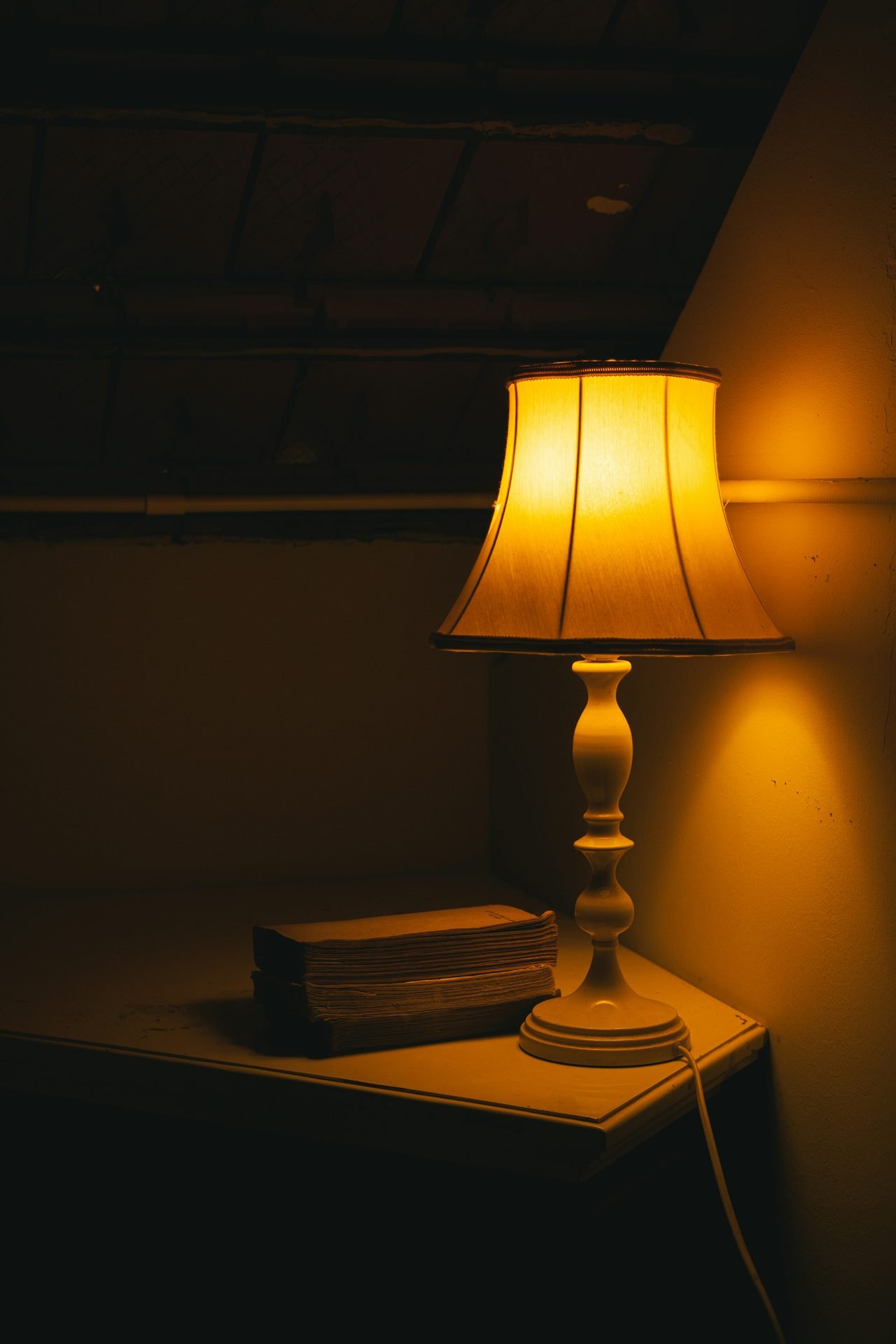
What Is a Nightstand Set of 2?
A nightstand set of 2 is a pair of matching bedside tables sold together as one purchase, designed to sit on either side of a bed. Unlike buying two single nightstands separately, a set guarantees the same height, width, finish, and hardware on both pieces — which is exactly what creates that calm, symmetrical look designers charge thousands for.
Most sets are sold as identical twins, though some “sets” are coordinated pairs (same collection, slightly different configurations — say, one with drawers and one with a cabinet). Either way, you’re buying the pair as a unit, usually at a lower per-piece price than two singles.
Why You’ll Love a Nightstand Set of 2
- Instant symmetry. Nothing balances a bedroom faster than two identical pieces flanking the bed. Your eye reads it as “designed” in about half a second.
- Cheaper per piece. A set of 2 almost always costs less than buying two single nightstands separately — often 15–30% less.
- Zero finish-matching roulette. Buy two singles months apart and good luck matching the wood tone. A set ships from the same batch.
- Two lamps, balanced light. A pair gives each side of the bed its own reading light at the same height — no more one partner squinting.
- Double the hidden storage. Two drawers (or four, or six) swallow chargers, meds, books, and the remote graveyard.
- Resale and rental friendly. A matched pair reads as intentional in listing photos, which matters if you ever sell or rent the place furnished.
Classic Wood Sets That Never Go Out of Style
Wood is the safe bet that doesn’t look safe. These are the sets that work with everything from a $200 metal bed frame to a $3,000 upholstered headboard, and they’ll still look right in ten years.
1. The Shaker Two-Drawer Workhorse
The plain white tee of nightstands: a simple shaker-front pair in solid pine or poplar, usually around 24″ wide x 18″ deep x 26″ high, with two smooth drawers and round wood knobs. It disappears into farmhouse, coastal, traditional, and Scandinavian rooms alike.
Why it works: Shaker fronts have no ornament to date them, and real wood (even budget pine) takes paint beautifully — buy it white now, paint it black later. Two drawers hit the storage sweet spot for most people: one for the personal stuff, one for the boring stuff.
Try it: Swap the stock knobs for unlacquered brass pulls. It’s a $12 upgrade that makes a $150 set look custom.
Check before buying: Confirm solid-wood drawer boxes (not just fronts) and metal drawer glides. On budget sets, the drawer bottoms are thin fiberboard — fine for socks and books, but they’ll sag under a heavy lamp base stored inside.
2. Mid-Century Tapered-Leg Pair
Walnut-toned veneer, splayed tapered legs, one drawer over an open cubby — the Don Draper of bedside tables, typically 20–22″ wide and 24–26″ high. The open shelf keeps the pair feeling light, which matters in smaller bedrooms.
Why it works: The raised legs show floor underneath, so the room feels bigger than it is. And the warm walnut tone plays nicely with both gray and beige bedding, which covers about 90% of bedrooms.
Try it: Style the open cubby with a short stack of books and nothing else. Cramming it full kills the airy effect you’re paying for.
Check before buying: Veneer quality varies wildly. Look for book-matched veneer (the grain mirrors across drawer fronts) and check reviews for chipping at the leg joints — that’s where cheap mid-century reproductions fail first.
3. Farmhouse Shiplap-Front Set
Distressed white or natural wood fronts with plank detailing, chunky turned legs, and a lower open shelf — usually 26–28″ wide, which gives you serious tabletop real estate. Made for queen and king beds that need visual weight on both sides.
Why it works: The texture does the decorating for you. In a plain bedroom with white bedding, these add all the character without a single throw pillow.
Try it: Pair with black metal lamps. The black-white-wood trio is the farmhouse formula that never misses.
Check before buying: Distressed finishes hide wear beautifully, but check that the “distressing” is in the finish, not actual damage. Run your hand along the top — you want smooth, sealed wood, not rough patches that’ll snag bedding.
Modern & Glam Sets With Attitude
If your bedroom leans sleek, moody, or a little bit extra, these are your pairs. Modern sets trade wood warmth for contrast — black, glass, metal, velvet — and they photograph beautifully.
4. Matte Black + Gold Two-Drawer Set
Deep matte black bodies with slim gold legs or gold-trimmed drawer fronts, around 18–22″ wide x 16″ deep x 24″ high. The most-searched look in the nightstand set of 2 world right now, and it earns it — the contrast reads expensive at every price point.
Why it works: Black grounds a light bedroom; gold warms it back up. Together they do the job of both a neutral and an accent, so the rest of the room can stay simple.
Try it: Keep bedding light (white, cream, pale gray). Dark bedding plus black nightstands turns the room into a cave.
Check before buying: Matte black shows dust and fingerprints more than any other finish. If that’ll drive you crazy, look for a satin or eggshell black instead — same drama, half the wiping.
5. Velvet Upholstered Round Set
Fully upholstered drum-shaped nightstands — no legs, no sharp corners — often in emerald, blush, or navy velvet with two or three curved drawers. Typically 20–24″ in diameter and 22–26″ high.
Why it works: In a bedroom full of hard rectangles (bed, dresser, door), something round and soft is a relief for the eye. The upholstery also makes them shin-friendly, which anyone who’s stubbed a toe at 2 a.m. will appreciate.
Try it: These show every speck of dust, so keep a lint roller in the top drawer. I’m serious — it becomes part of the routine.
Check before buying: Ask whether the velvet is removable or cleanable. Non-removable upholstery + a spilled glass of water = a permanent stain. Performance velvet (polyester) resists stains far better than cotton velvet.
6. Floating Wall-Mounted Pair
No legs at all — two compact wall-mounted drawer boxes (usually 16–20″ wide, 10–14″ deep) screwed into studs at exactly your mattress height. The floor stays completely clear.
Why it works: Floating nightstands make small bedrooms feel dramatically bigger, cleaning underneath takes ten seconds, and you set the height yourself instead of accepting whatever the factory chose.
Try it: Mount them 1–2 inches above your mattress top and leave a 2–3 inch gap from the bed frame. And find the studs — drywall anchors alone won’t hold a lamp plus a leaning elbow.
Check before buying: Verify the weight rating (look for 40+ lbs per unit) and confirm the mounting hardware is included. Some floating sets ship the box but not the French cleat or bracket — a nasty surprise mid-install.
Renters, read this: floating nightstands need studs and screws, which means wall holes. If your lease forbids drilling, look for “floating-look” narrow console tables (12–14″ deep) instead — you get the airy leg-free look with zero wall damage, and they move with you.
Small-Space & Budget-Friendly Sets
Small bedroom? Thin wallet? These sets solve both problems at once. Compact footprints, smart storage, and prices that leave room in the budget for the mattress that actually matters.
7. Compact Charging-Station Set
The overachiever: a 16″ x 12″ footprint, three open tiers or a drawer plus shelves, with two power outlets and two USB ports built into the back of each table. Usually 24–26″ high — sized for apartments and dorms.
Why it works: It deletes the tangle of chargers and power strips behind the bed, which is the single ugliest thing in most bedrooms. One cord to the wall per side, everything else plugs into the nightstand.
Try it: Check that the USB ports are USB-A, USB-C, or both before you buy — older models only have USB-A, and your new phone won’t care about your vintage ports.
Check before buying: Look at the cord length (6 feet is the practical minimum) and whether the outlets are on the back (cleaner) or the side (easier to reach). Also confirm the power strip is ETL/UL listed — cheap unlisted electronics next to your pillow is not the place to economize.
8. Rattan Cane-Front Set
Light wood frames with woven cane drawer fronts, typically 18–22″ wide and 24–28″ high. The weave hides what’s inside while letting air (and a little light) through — perfect for the “collected, not decorated” look.
Why it works: Cane reads as texture rather than pattern, so it works in boho, coastal, Japandi, and even modern rooms. It’s also genuinely lightweight, which renters moving every year will feel in their backs.
Try it: Cane and direct sunlight are enemies — the weave dries and cracks. Keep these out of the blast zone of a south-facing window.
Check before buying: Real woven cane vs printed cane-look: press the panel gently — real cane flexes slightly and you can see light through the weave. Printed laminate looks flat up close and peels at the edges within a year or two.
9. Open-Shelf Minimalist Set
One drawer (or none), one or two open shelves, slim metal or wood frame — the “I own twelve things” nightstand, usually under 18″ wide. Honest, cheap, and perfect when the bedroom is barely wider than the bed.
Why it works: Open shelves force editing, which is a feature. And visually, seeing through the piece keeps a tight room from feeling walled in.
Try it: Corral the shelf contents in one low basket per nightstand. Open storage without containment just becomes a clutter shelf with good intentions.
Check before buying: Stability matters more here than with heavier pieces — a lightweight open frame tips if a toddler yanks it or a dog barrels past. Look for anti-tip hardware in the box, and use it. See CPSC’s Anchor It! guide.
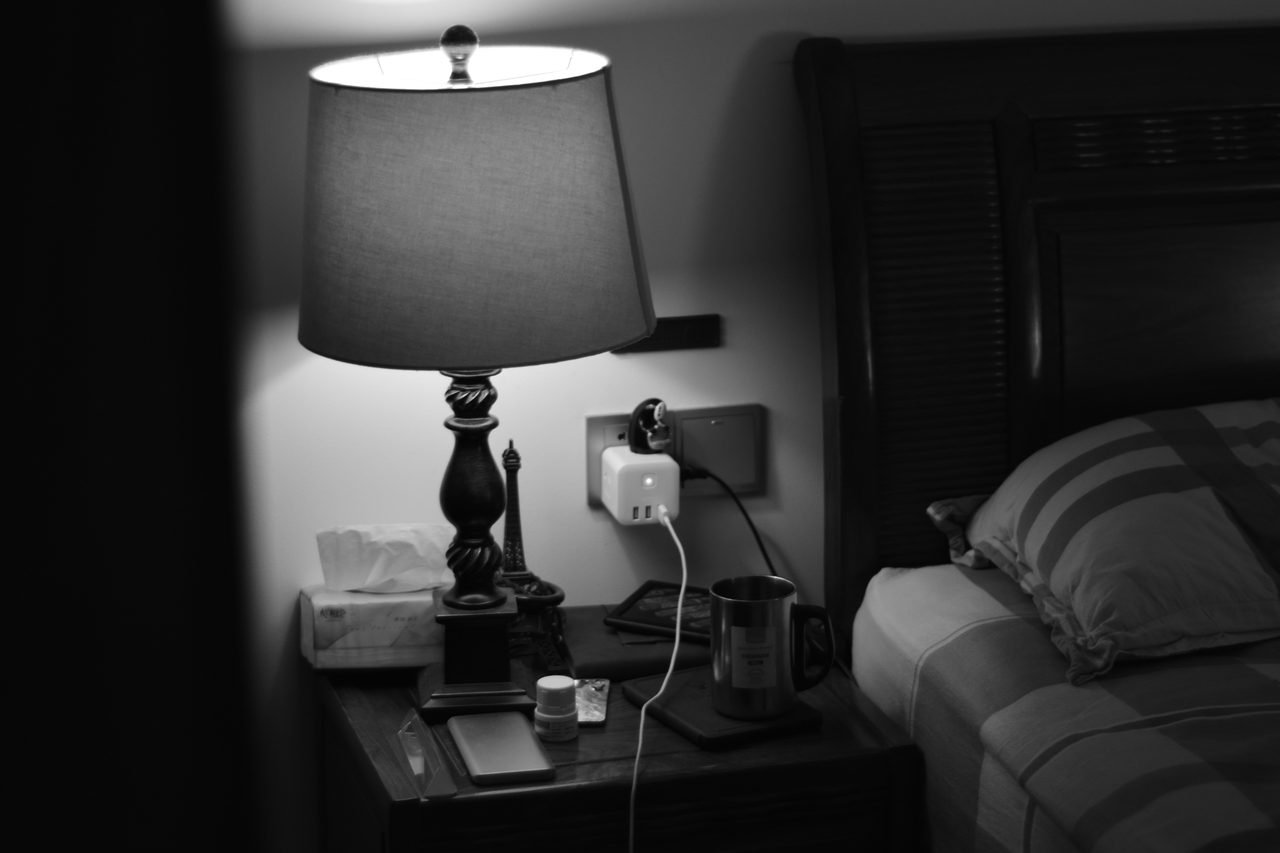
Statement Sets for Designer Bedrooms
Sometimes the nightstands aren’t the supporting actors — they’re the point. These pairs bring the kind of detail people ask about.
10. Campaign-Style Brass-Corner Set
Rectangular wood chests wrapped in brass corner brackets and flush pulls — the steamer-trunk look, shrunk to bedside size (about 22–26″ wide, 16–18″ deep, 24–28″ high). Equally at home in traditional and eclectic rooms.
Why it works: The brass corners catch light from across the room, so the pair reads as jewelry for the bedroom. And campaign hardware is genuinely sturdy — these are the sets that survive three moves without a wobble.
Try it: Match the brass to your curtain rods or mirror frame. Repeating one metal finish three times is the oldest designer trick there is.
Check before buying: Real brass hardware vs brass-colored plastic: the magnet test doesn’t lie (brass isn’t magnetic). Plastic “brass” chips and looks sad within a year; solid brass just patinas.
11. Marble-Top Set
Wood or metal bases topped with real or faux marble slabs — usually 20–24″ wide with a single drawer beneath the stone. The stone top shrugs off water rings, which makes it the practical luxury pick.
Why it works: You get the veined-stone look exactly where your eye lands when you walk in, without paying for a marble dresser. And unlike wood, you can set a sweating glass down without a coaster and a prayer.
Try it: Faux marble (printed laminate or sintered stone) looks identical from two feet away and costs half. Save the real-stone budget for the kitchen.
Check before buying: Real marble stains (coffee rings are forever) and needs sealing yearly; sintered stone and quartz don’t. If you actually live on your nightstand — water, coffee, skincare — pick the engineered top and pocket the difference.
12. Fluted Wall-Panel Set With LED
The showpiece: tall fluted wood panels that rise behind each nightstand with a slim drawer box and a built-in LED strip — the boutique-hotel look, sold as a pair. Dramatic, architectural, unforgettable.
Why it works: It turns the entire bed wall into a headboard moment. The LED strip gives you ambient light without a single lamp, which frees both tabletops completely.
Try it: This is a commitment piece — it visually anchors the room, so keep the bedding and art quiet. Let the panels be the loudest thing in the room.
Check before buying: Measure your wall, not just your bed — these panels are often 28″+ wide each and 5+ feet tall. And confirm the LED is warm white (2700–3000K); cool-white strips make a bedroom feel like a dental office.
Nightstand Set of 2 Buyer’s Checklist
Before you click buy on any nightstand set of 2, run through this checklist. Product pages bury the details that determine whether the pair lasts two years or twenty — here’s what actually matters.
Materials: know what you’re really getting. “Wood nightstand” usually means engineered wood (MDF or particleboard) with a veneer or laminate — which is fine at the right price, but shouldn’t cost solid-wood money. Solid pine or rubberwood sits in the middle: real wood, affordable, dents more easily. Hardwood (oak, walnut, ash) costs the most and lasts the longest. For a set of 2, I’d rather have a well-built MDF pair than a rickety “solid wood” pair — construction beats material snobbery.
Drawer construction: open one in the photos. Look for dovetail or box joints on the drawer corners, metal side glides (not just a center wood track), and drawer stops so they don’t fly out at 1 a.m. Soft-close glides are worth paying for on bedroom furniture — your partner will thank you.
Weight capacity: the lamp test. A pair of nightstands needs to hold a lamp (5–10 lbs), books, water, and the occasional leaning human. Look for 50+ lbs top capacity per nightstand. If the listing doesn’t state capacity, that’s your answer about quality.
Finish durability: the water-ring question. Whatever sits on a nightstand gets wet — glasses sweat, skincare spills. Catalyzed lacquer and polyurethane finishes shrug this off; waxed or unfinished wood doesn’t. If you love a raw-wood look, plan on coasters as a lifestyle.
Assembly reality check. Most sets ship flat-pack with 30–60 minutes of assembly per nightstand — double it, because there are two. Check reviews for the magic phrases “holes didn’t line up” or “instructions were pictures only.” Pre-assembled sets cost more but save a Saturday.
Cord management. Flip to the back-panel photo: is there a cord cutout? Open-backed designs (common on metal-frame sets) make cable routing trivial; fully enclosed backs mean drilling your own hole or living with cords draped over the side.
Returns: measure your doorway too. A set of 2 ships as one big, heavy box — often 50–80 lbs. Confirm the return policy covers the pair (some sellers charge return shipping per box, which can eat half the refund), and make sure the box fits through your doors and up your stairs before delivery day.
The Pair Math: How to Size a Nightstand Set of 2
This is the section every product page skips and every buyer needs. A nightstand set of 2 lives or dies on three measurements — get them right and the pair looks built-in; get them wrong and no styling saves it.
Height: match your mattress, not the catalog. Measure from the floor to the top of your mattress (not the bed frame — the mattress, where you actually lie). Your nightstand top should sit level with the mattress top, or up to 4 inches higher. More than 4 inches above and you’ll be lifting your shoulder to grab your phone; more than a couple inches below and things slide off into the bedding gap.
| Your bed setup | Mattress top height | Buy this nightstand height |
|---|---|---|
| Low platform bed, no box spring | 20–23″ | 20–24″ (low profile) |
| Standard bed + box spring | 24–28″ | 24–28″ (standard) |
| Pillow-top / thick mattress | 29–33″ | 28–32″ (tall) |
| Storage bed / canopy | 33″+ | 32–36″ (extra tall) |
Width: scale to the bed. A nightstand should be roughly one-third to one-half the visual width it sits beside — in practice: twin beds take 16–20″ wide, full/queen take 20–26″, and kings need 24–30″ per side or the pair looks lost. When in doubt between two sizes, go wider — undersized nightstands are the most common regret I hear.
Depth: 14–20 inches. Shallower than 14″ and lamps get tippy; deeper than 20″ and the pair starts eating your walkway. In tight rooms, steal depth before width — a 16″-deep nightstand against the wall is barely noticeable.
The gap: leave 2–6 inches between the bed frame and each nightstand. Closer than 2″ and fitted sheets become a wrestling match; wider than 6″ and the pair starts looking disconnected from the bed.
Don’t forget the lamp math. A nightstand set of 2 usually means two matching lamps, so size them together: total height (nightstand + lamp) should land around 58–64 inches from the floor, which puts the bulb shade at about seated eye level in bed — light pools on your book, not in your eyes. On a standard 26″ nightstand, that means a 30–34″ lamp; on a low 22″ floating nightstand, go 34–38″. And check the shade diameter against the nightstand width — a 16″ shade on an 18″ nightstand leaves no room for anything else.
Walkway clearance: measure from the nightstand’s front edge to the nearest wall, dresser, or door swing. You want at least 24 inches for comfortable passage, 30+ if it’s the main path to the bathroom. This is where depth matters more than width — in a tight bedroom, a 16″-deep set beats a 20″-deep set every time, even if the top feels a little cozier.
Matching vs Mixing: Do Your Nightstands Have to Match?
Short answer: no. Longer answer: matching is the safe play, mixing is the skilled play, and most people should match.
Buy the matching set of 2 when: you want a calm bedroom, your bed is the focal point and shouldn’t compete, you’re furnishing fast (new apartment, guest room), or decision fatigue is real. Symmetry reads as restful — there’s actual psychology behind it — and a matched pair never looks like a mistake.
Mix intentionally when: the room is large enough that two identical pieces feel repetitive, you already own one great nightstand, or your style is collected/eclectic. The rule for mixing: the two pieces should share at least two of these three — height (within 2 inches), wood tone or color family, and style era. Same height + same wood tone in different shapes looks designer. Different height + different color + different style looks like a storage unit.
The hybrid move: buy the matching set of 2, then style the two sides differently — different lamps, different books, one side gets the plant. You keep the architectural symmetry and get the collected feel for free.
Three mixing formulas that always work (for when you’re pairing two singles instead of buying a set):
- Same shape, different finish. Two identical silhouettes — say, two campaign chests — one in black, one in natural wood. The shape ties them together; the finishes keep it interesting.
- Same finish, different shape. A wood drawer nightstand on one side, a wood open-shelf stool-table on the other, both in the same oak tone. The material is the thread.
- Same height, deliberate contrast. A sleek modern piece on one side, a vintage wood piece on the other — but both exactly 26″ high with the same lamp style on top. The lamps do the unifying; the bases bring the personality.
The common thread in all three: something repeats. Height, finish, shape, or lighting — pick at least two, and the mix reads as a decision instead of an accident.
How to Style a Nightstand Set of 2
Two identical nightstands styled identically look like a hotel — clean, but lifeless. The trick is symmetric bones, asymmetric styling: same lamps (or same-height lamps), then let each side tell its own small story.
The formula that never fails: lamp + book stack + one living thing. On each nightstand, place a lamp at the back corner, a stack of two or three books slightly off-center, and one small object with life — a tiny plant, a bud vase with a stem, a candle. That’s it. Three elements per side, and the pair looks styled without looking staged.
Vary the heights. Put the lamp on the left side of the left nightstand and the right side of the right nightstand (mirrored), or keep both lamps on the outer edges so the inner edges stay clear for books and water. Either way, you want a high element (lamp), a medium element (book stack), and a low element (tray, dish, small frame) on each side — the triangle of heights is what makes it look designed.
Corral the small stuff. A nightstand accumulates: lip balm, hair tie, remote, vitamins. One small tray or dish per side — ceramic, wood, brass, whatever matches your room — turns clutter into a “moment.” Without the tray it’s mess; with the tray it’s styling.
Leave negative space. The most expensive-looking nightstands are the ones with visible tabletop. If every square inch is covered, remove one thing from each side. Breathing room reads as luxury.
Try it: Style both nightstands, then photograph them with your phone. The camera catches clutter and imbalance your eyes forgive — adjust once from the photo and you’re done.
Common Mistakes to Avoid
- Buying before measuring the mattress. The #1 nightstand regret. Measure floor-to-mattress-top first, then filter by height. Everything else is secondary.
- Going too small for a king. A 16″-wide nightstand beside a 76″-wide king looks like a typo. Kings need 24″+ per side — that’s exactly why sets exist.
- Zero inches of gap. Pushing nightstands flush against the bed frame makes sheet changes miserable and traps the duvet. Give it 2–6 inches.
- All closed storage, no surface plan. Two drawers are great until the lamp, the book, the water, the phone, and the glasses are all fighting for 200 square inches. Map your tabletop before you buy.
- Ignoring the lamp math. A 30″-tall lamp on a 24″-tall nightstand puts the bulb at eye level in bed — glare city. Total height (nightstand + lamp) should land around 58–64 inches from the floor.
- Matching the bedroom set exactly. The full matching bedroom suite (bed + dresser + nightstands, all identical) reads dated. If your bed and dresser already match, consider nightstands in a complementary finish instead of a third identical piece.
- Forgetting the cord situation. If you charge your phone by the bed — everyone does — a set with cable cutouts or built-in USB saves you from the daily behind-the-bed fishing expedition.
- Buying the set for one side. A set of 2 split across two rooms (one in the bedroom, one in the guest room) wastes the whole point. If you only need one nightstand, buy one good single instead.
Nightstand Set of 2 at a Glance
| # | Style | Typical size (W×D×H) | Best for | Price range (pair) |
|---|---|---|---|---|
| 1 | Shaker two-drawer | 24″×18″×26″ | Any bedroom, forever | $150–$400 |
| 2 | Mid-century tapered-leg | 22″×16″×25″ | Small rooms, warm minimalism | $180–$500 |
| 3 | Farmhouse shiplap | 27″×17″×28″ | Queen/king beds, cozy styles | $200–$550 |
| 4 | Matte black + gold | 20″×16″×24″ | Modern, glam, contrast lovers | $140–$400 |
| 5 | Velvet upholstered round | 22″ dia×24″ | Soft eclectic, toe-stubbers | $200–$600 |
| 6 | Floating wall-mounted | 18″×12″×8″ box | Tiny bedrooms, clean floors | $120–$350 |
| 7 | Charging-station compact | 16″×12″×25″ | Apartments, dorms, renters | $100–$250 |
| 8 | Rattan cane-front | 20″×16″×26″ | Boho, coastal, Japandi | $180–$450 |
| 9 | Open-shelf minimalist | 18″×14″×24″ | Minimalists, tight spaces | $80–$200 |
| 10 | Campaign brass-corner | 24″×17″×26″ | Traditional, eclectic, movers | $300–$800 |
| 11 | Marble-top | 22″×16″×26″ | Luxe look, practical tops | $250–$700 |
| 12 | Fluted panel + LED | 28″×19″×58″ panel | Boutique-hotel drama | $600–$1,500 |
FAQ
What height should a nightstand set of 2 be?
Measure from the floor to the top of your mattress. Each nightstand should be level with the mattress top or up to 4 inches higher. Standard nightstands run 23–28″ high, which suits most bed-plus-box-spring setups. If you’re between sizes, size up — a slightly tall nightstand is usable, a short one is a daily annoyance.
Should both nightstands match?
They don’t have to, but matching is the safer choice for a calm, cohesive bedroom. If you mix, keep both pieces within 2 inches of height and in the same wood tone or color family so it looks intentional, not accidental.
How far should nightstands be from the bed?
Leave a 2–6 inch gap between the bed frame and each nightstand. This gives bedding room to drape and makes changing sheets far easier, while keeping everything within arm’s reach.
Is a nightstand set of 2 cheaper than buying two singles?
Almost always. Sets are typically priced 15–30% below the cost of two identical single nightstands, since the retailer ships and sells them as one unit. The savings are biggest on mid-range furniture ($150–$400/pair) — at the luxury end, the discount narrows.
Can I use a nightstand set of 2 in the living room?
Absolutely — that’s why so many product pages list living rooms. Split the pair as end tables flanking a sofa, or keep them together as a console alternative. Just check the height works beside your sofa arms (usually 24–26″).
Drawer or open-shelf nightstands — which is better?
Drawers hide clutter (chargers, meds, remotes) and suit most people; open shelves suit book lovers and make small rooms feel lighter. The sweet spot for a set of 2 is at least one drawer per nightstand plus usable tabletop.
What size nightstand set works with a king bed?
Go 24–30″ wide per nightstand with a height matched to your mattress top. Anything narrower looks dwarfed beside a 76″-wide king — this is the single most common sizing mistake. For California kings (narrower but longer), prioritize height match over extra width.
Do nightstands have to match the bed frame?
No — and they arguably shouldn’t match it exactly. A fully matched bedroom suite can look dated. Aim for complementary: same wood tone family or a deliberate contrast (dark bed + light nightstands, or vice versa).
Final Thoughts
A nightstand set of 2 is one of the highest-impact, lowest-effort upgrades in home decor. Measure your mattress, pick the width your bed deserves, and choose the style that makes you happy at 11 p.m. — because that’s when you’ll actually see them.
Start with the tape measure, not the shopping cart. Which of the 12 styles is going home with you?

Founder of NestFlavors — sharing tested recipes and honest home ideas, made for real life.