
My first pink bedroom was an accident. I bought a blush throw because it was on sale, draped it over a white bed, and suddenly the whole room looked warmer. The white walls did not change, the furniture did not change, but the room felt softer and more finished. That one throw taught me that pink does not have to take over a room to change it.
Pink has a reputation problem. People picture a childhood room covered in bright pink from floor to ceiling, or a room that feels too sweet to relax in. A grown-up pink bedroom looks nothing like that. It uses soft, dusty, or warm pinks the way other rooms use beige or sage: as a color that calms the space and pairs well with wood, white, and linen.
The ideas below cover the full range, from a single pink pillow to fully painted walls, so you can pick the level of pink that fits your room and your comfort. Each idea works on its own, and most of them work together if you keep the shade family close. Done well, a pink bedroom feels calm and warm, not loud, and that balance is what the rest of this guide is about.
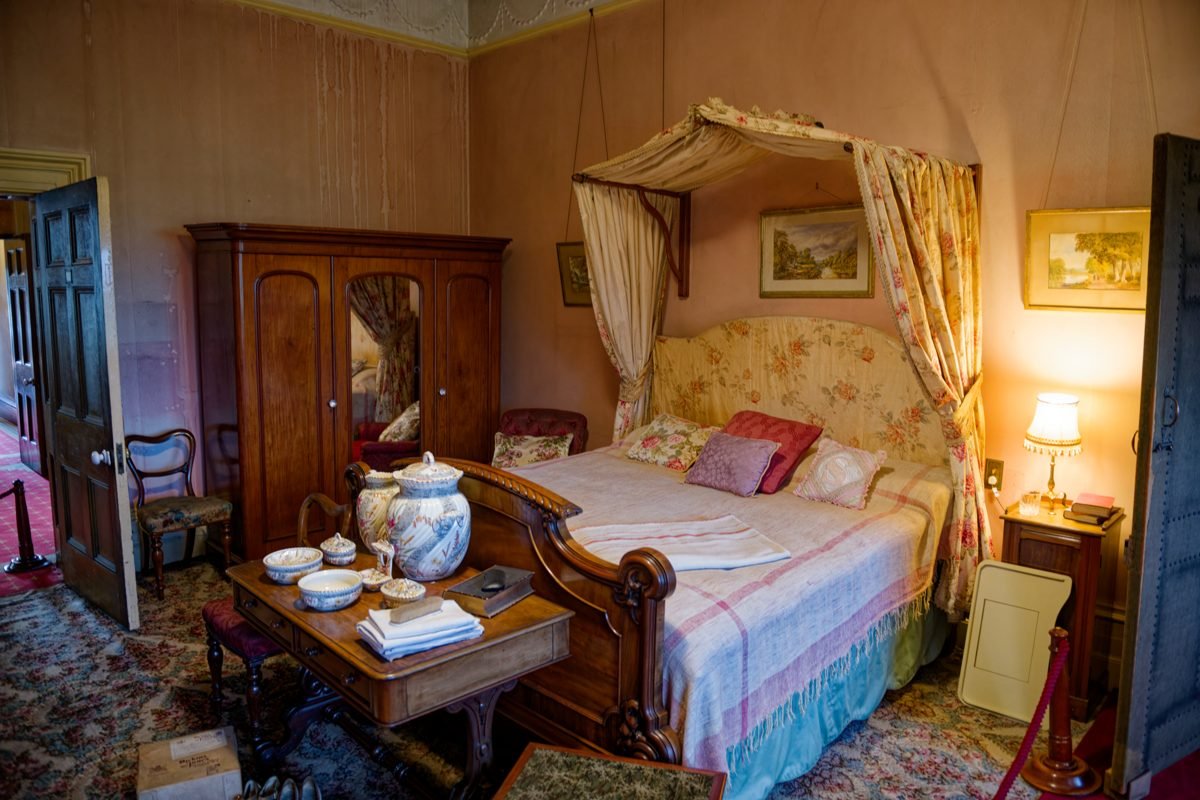
15 Pink Bedroom Ideas
1. Paint One Wall Blush Pink
One blush accent wall gives you the full effect of pink without repainting the whole room. Pick the wall behind the bed, since it frames the room and sits behind you when you sleep. Keep the other walls white or warm cream so the pink reads as a choice, not a takeover. This is the safest first step if you have never lived with a pink bedroom before, because one wall is easy to repaint if you change your mind.
2. Try Dusty Pink Bedding
Bedding is the fastest way to test pink, because the bed fills most of the room’s view. A dusty pink duvet cover with white sheets looks calm and layered, and it works with wood, black, or brass bed frames. If a full pink duvet feels like too much, start with pink pillowcases and a folded throw at the foot of the bed. You can wash and swap bedding in an afternoon, which makes it a low-risk way to try the color.
3. Add Pink Curtains for Soft Light
Pink curtains tint the daylight in a gentle way, especially in a room that gets morning sun. Sheer blush panels soften the light without darkening the room, while heavier rose drapes add drama in a larger bedroom. Hang them high and wide so the window looks bigger, and keep the curtain color close to your bedding pink so the room feels pulled together. A pink bedroom with matching curtains and bedding looks planned even when the rest of the room is simple.
4. Layer Pink and White Pillows
Pillows are where pink earns its keep. Mix white sleeping pillows with two or three pink accent pillows in different textures: linen, velvet, and cotton. The mix of textures keeps the pink from looking flat, and the white keeps it from looking heavy. Stick to two or three shades of pink at most. Five different pinks on one bed start to fight each other, while two close shades look rich.
5. Use a Pink Throw at the Foot of the Bed
A throw is the smallest commitment with the biggest payoff. Drape a knit or waffle-weave throw across the foot of the bed, slightly off-center so it looks casual rather than staged. In winter, a thicker throw adds warmth you can feel, not just see. In summer, a light cotton throw gives the same color without the heat. This is my favorite idea for renters, since it needs no paint, no tools, and no permission.
6. Pair Pink Walls With Dark Wood
Pink and dark wood balance each other well. The wood grounds the pink so it reads as warm, and the pink softens the wood so a heavy wardrobe or bed frame feels less stern. If your furniture is dark walnut or mahogany, a soft rose wall color keeps the room from going dark. If your furniture is light oak, a deeper dusty pink adds contrast without clashing. The pairing works because neither color shouts.
7. Go Bold With a Rose Accent Chair
One rose or dusty pink chair gives a neutral bedroom a clear focal point. Place it in a corner with a small side table and a lamp, and it becomes a reading spot as well as a color accent. Keep the rest of the seating neutral so the chair stands out. A pink bedroom does not need pink everywhere; one strong piece often does more than a room full of small pink items.
8. Add Pink Through Art and Prints
Art is an easy way to bring pink into a room you do not want to repaint. Look for prints with pink flowers, abstract rose shapes, or soft pink landscapes, and hang one large piece over the bed or a pair of smaller ones over nightstands. Art lets you try a bolder pink than you might paint, because you can take it down in minutes. Match one pink in the art to your bedding so the room feels connected.
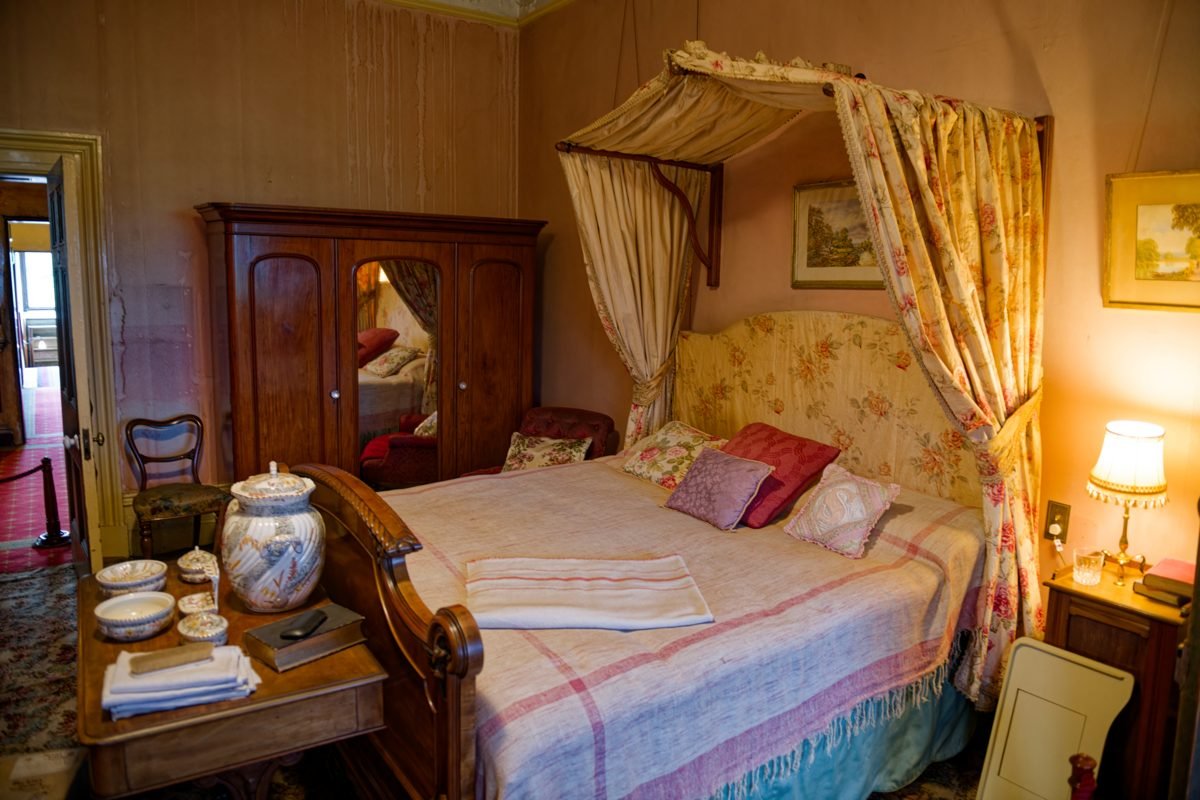
9. Mix Pink With Sage Green
Pink and sage green are a classic pairing for a reason. Green cools the pink, and pink warms the green, so the room feels like a garden rather than a candy box. Try sage curtains with blush bedding, or a sage throw on a pink bed. Plants help here too: a real green plant on the nightstand ties the two colors together without any extra shopping.
10. Use Pink in a Small Bedroom
Small bedrooms suit pink well, because soft pink reflects light and keeps walls from closing in. Paint the walls a pale blush, keep the bedding white with pink accents, and use a mirror to bounce light around. Skip dark, heavy pink in a tiny room, since deep colors shrink the walls visually. In a small space, pale pink does the work of a light neutral with more warmth.
11. Try a Pink Headboard
A pink upholstered headboard changes the whole bed without touching the walls. Velvet blush headboards look soft and a little luxe, while linen ones feel more casual. If a new headboard is not in the budget, a pink slipcover over an existing headboard, or a row of large pink euro pillows leaned against the wall, gives a similar effect. The headboard is the center of the room’s view, so this one change carries far.
12. Add Pink Rugs and Floor Layers
A rug in a soft pink pattern anchors the bed and warms bare floors. A flat-weave rug works in a warm room, while a plush rug feels good underfoot on cold mornings. If a full pink rug feels bold, choose a rug with a pink border or a faded pink pattern on a cream base. A rug is also an easy way to test whether a pink bedroom suits your floors, since you can roll it up and move it if the shade feels wrong. Layer a smaller rug over a larger neutral one if you want the pink to feel collected rather than bought as a set.
13. Style Pink Nightstands and Lamps
Nightstands are a good place for small pink touches: a pink ceramic lamp base, a blush candle, or a small vase with pink stems. Keep it to one pink item per nightstand so the surface stays useful for a book, a glass of water, and a phone charger. Matching lamps on both sides look calm, while one pink lamp and one neutral lamp look collected. Either way works as long as the heights match.
14. Create a Pink Reading Corner
A corner with a pink chair, a soft throw, and a small bookshelf turns an unused corner into the best seat in the room. Add a floor lamp with warm light so the corner works at night, and keep a basket nearby for the book you are reading. This idea suits a larger bedroom, but even a small corner with a single chair and a cushion gets the job done. The corner also gives pink a home outside the bed, so the color feels spread through the room.
15. Keep It Grown-Up With Neutrals
The trick to a grown-up pink bedroom is the company pink keeps. White, cream, warm gray, natural wood, and brass all calm pink down. Black accents, like a black frame or a dark lamp base, sharpen it. If the room starts to feel too sweet, add one of these neutrals rather than removing the pink. Most of the time, the pink was never the problem; the room just needed something to ground it.
How to Pick the Right Pink
Pink is a wide family, and the shade you pick matters more than how much pink you use. Blush is pale and warm, and it suits most rooms and most light. Dusty rose is deeper and grayer, and it suits larger rooms and dark wood. Hot pink is bright and bold, and it works best as a small accent, like a pillow or a piece of art, rather than a wall color.
Test paint the way you will live with it. Paint a large swatch on the wall behind the bed, then look at it in morning light, evening light, and lamplight before you commit. Pink shifts a lot between daylight and warm bulbs, and a shade that looks soft at noon can look peach or purple at night. Two or three swatches on the same wall, looked at over two days, will tell you more than any paint chip.
Keep your pinks in one family. Warm pinks with yellow undertones sit well with cream, wood, and brass. Cool pinks with blue undertones sit well with gray, silver, and white. Mixing warm and cool pinks in one room is the fastest way to make pink look wrong, even when each shade is pretty on its own.
What Pairs Well With Pink
White is pink’s easiest partner. White bedding, white trim, and white curtains keep pink light and fresh. Cream warms it up, which suits rooms with wood floors and warm light. Gray cools it down, which suits a modern room with clean lines.
Wood tones matter too. Light oak keeps a pink room airy, dark walnut makes it feel richer, and rattan or wicker adds a relaxed, summery feel. Brass and gold hardware warm pink up, while black hardware sharpens it. Pick one metal and use it across lamps, frames, and drawer pulls so the room feels settled.
Patterns help pink feel grown-up. Stripes, small florals, and subtle geometrics all work, as long as the pattern shares at least one pink with the rest of the room. If every pattern brings a new pink, the room starts to look busy. One shared shade across patterns is the thread that holds the room together.
Lighting deserves a say in the final look. Warm bulbs make blush read warmer and cozier, while daylight shows the truer shade. If your room faces north and gets cool light, a warm blush will stop the room from feeling cold. If it faces south and gets strong sun, a dusty rose will hold its color better through the afternoon. Try your bedding and paint swatches under the lamps you actually use at night, not just under the store lights, since night light is when you will see the room most.
Four Pink Bedroom Styles to Try
A modern pink bedroom keeps lines clean and color quiet. Think pale blush walls, white bedding, light wood, and one black accent, like a frame or a lamp base. The pink softens the modern edges without breaking the style, and the room stays easy to keep tidy.
A cottage pink bedroom leans into florals and soft textures. A floral duvet, a ruffled pillow, a white-painted bed frame, and a vase of fresh flowers all fit here. Keep the florals small in scale so the room feels charming rather than busy, and let white do most of the work.
A traditional pink bedroom pairs dusty rose with dark wood and classic shapes. A wood sleigh bed, a tailored bench at the foot, framed art in gold frames, and a patterned rug give the room weight. In this style, pink reads as rich rather than sweet, because the furniture around it is serious.
A boho pink bedroom mixes pink with rattan, woven baskets, plants, and layered textiles. A pink throw over a rattan chair, a macrame wall hanging, and a mix of patterned pillows make the room feel collected over time. The key is keeping the pinks warm and close in shade, so the mix looks gathered, not random.
Common Mistakes
The first mistake is using too many pinks. Five shades from five stores rarely match, and the room ends up looking like a clearance rack. Pick one main pink and one supporting pink, and let neutrals do the rest.
The second mistake is pairing pink only with pink. A room with pink walls, pink bedding, pink curtains, and pink rugs has nowhere for the eye to rest. Add white, wood, or gray so the pink has a frame.
The third mistake is forgetting light. Pink changes under different bulbs, so a shade that looks right in the store can look wrong at home. Test paint and fabric in your own room’s light before you commit to a large area.
The fourth mistake is making the room hard to sleep in. Bright pink walls, busy patterns, and strong scents can keep a bedroom feeling loud at night. Keep the sleep side of the room calm: soft colors near the bed, simple bedding, and a dark, cool, quiet bedroom environment for the hours you actually sleep.
The fifth mistake is buying everything pink at once. A room that grows slowly, one piece at a time, looks collected. A room bought as a matching set looks like a showroom. Start with bedding or one wall, live with it for a few weeks, and then decide what else the room needs.
Quick Summary Table
| Idea | Best For | Commitment |
|---|---|---|
| Blush accent wall | A first step into color | Medium: one wall to paint |
| Dusty bedding | Testing the color fast | Low: easy to swap |
| Curtains | Soft daylight | Low to medium |
| Pillows and throws | Renters and small budgets | Low |
| Dark wood pairing | Warm, grounded rooms | None: use what you own |
| Accent chair or headboard | One strong focal point | Medium |
| Art and prints | Bold color without paint | Low |
| Neutral partners | Keeping it grown-up | None: a styling choice |
Frequently Asked Questions
Does pink work in a master bedroom, or is it only for kids’ rooms?
Pink works well in a master bedroom when the shade is soft or dusty and the room has neutrals to ground it. The kids’ room look comes from bright pink on every surface, not from pink itself. A blush wall with white bedding and wood furniture reads as calm and adult.
What colors go with a pink bedroom?
White, cream, warm gray, sage green, and natural wood all pair well with pink. Brass warms it up, and black sharpens it. The safest mix is pink plus one neutral plus one wood tone, with a single metal used across the room.
Is a pink bedroom hard to resell or repaint?
Soft pink is easy to paint over with one or two coats of white or cream, and it photographs warmly. If resale is a worry, keep pink to bedding, curtains, and art rather than walls, so the next owner sees a neutral room. A pink bedroom styled with removable pieces is simple to change.
Can pink work in a small bedroom?
Yes, pale pink suits small rooms because it reflects light and feels warmer than plain white. Keep the pink pale, the bedding mostly white, and the furniture light in color. Deep pink in a tiny room can close the walls in, so save bold shades for accents.
What shade of pink is best for a bedroom?
Blush suits most rooms, dusty rose suits larger rooms with dark wood, and pale shell pink suits small or dark rooms. Test swatches in your own light at different times of day, since pink shifts between daylight and lamplight more than most colors.
How do I keep a pink bedroom from looking too sweet?
Add contrast: dark wood, black frames, gray bedding, or brass hardware. One strong neutral or dark accent stops pink from feeling sugary. Texture helps too; linen, wool, and wood keep the room feeling grown-up.
Can I mix pink with other bold colors?
You can, but keep one color in charge. Pink with sage green works because green is soft. Pink with navy or forest green works because the dark color grounds it. Pink with two other bold colors usually fights for attention, so pick one partner and let pink lead.
Where should I start if I am unsure about pink?
Start with a throw and two pillowcases. Live with them for two weeks and notice whether you reach for them or get tired of them. If you love the look, move to curtains or an accent wall next. Small steps beat a full room redo you end up regretting.
Final Thoughts
A pink bedroom does not need to be loud, young, or covered in one color. If you take one thing from this guide, let it be this: a pink bedroom works best when pink is the warmth in the room, not the only color in it. The rooms I like best use pink the way they would use any good neutral: as warmth in the background, with wood, white, and linen doing the grounding work. Start small if you are unsure, test your shade in your own light, and let the room grow one piece at a time.
My blush throw is still on my bed years later, and it still does the same quiet job it did on day one. That is the test I use now for any color in my home: if I still like it after a year of daily life, it earned its place.
Also Read: 15 Bedroom Wall Art Ideas for a Calm, Beautiful Room
Also Read: 14 Bedroom Curtain Ideas for Deeper Sleep and a Better-Looking Room
Also Read: 15 Wood Nightstand Ideas for a Warmer Bedroom

Founder of NestFlavors — sharing tested recipes and honest home ideas, made for real life.