
Your bed is the biggest piece of furniture in your bedroom, so the single fastest way to change the whole room is swapping what covers it.
I learned that the expensive way. I once spent a weekend painting my bedroom, then stood there afterward realizing the dingy, too-small top layer on the bed was still dragging everything down. When I finally replaced it with a proper king comforter — one actually sized for the mattress, with a color I had chosen on purpose — the room looked finished for the first time. These 15 king comforter ideas cover every style worth trying, plus the buying rules that keep you from wasting money.
If you are hunting for warmth, style, or both, this is the only guide you need. I have made every mistake on this list so you can skip straight to the good part.
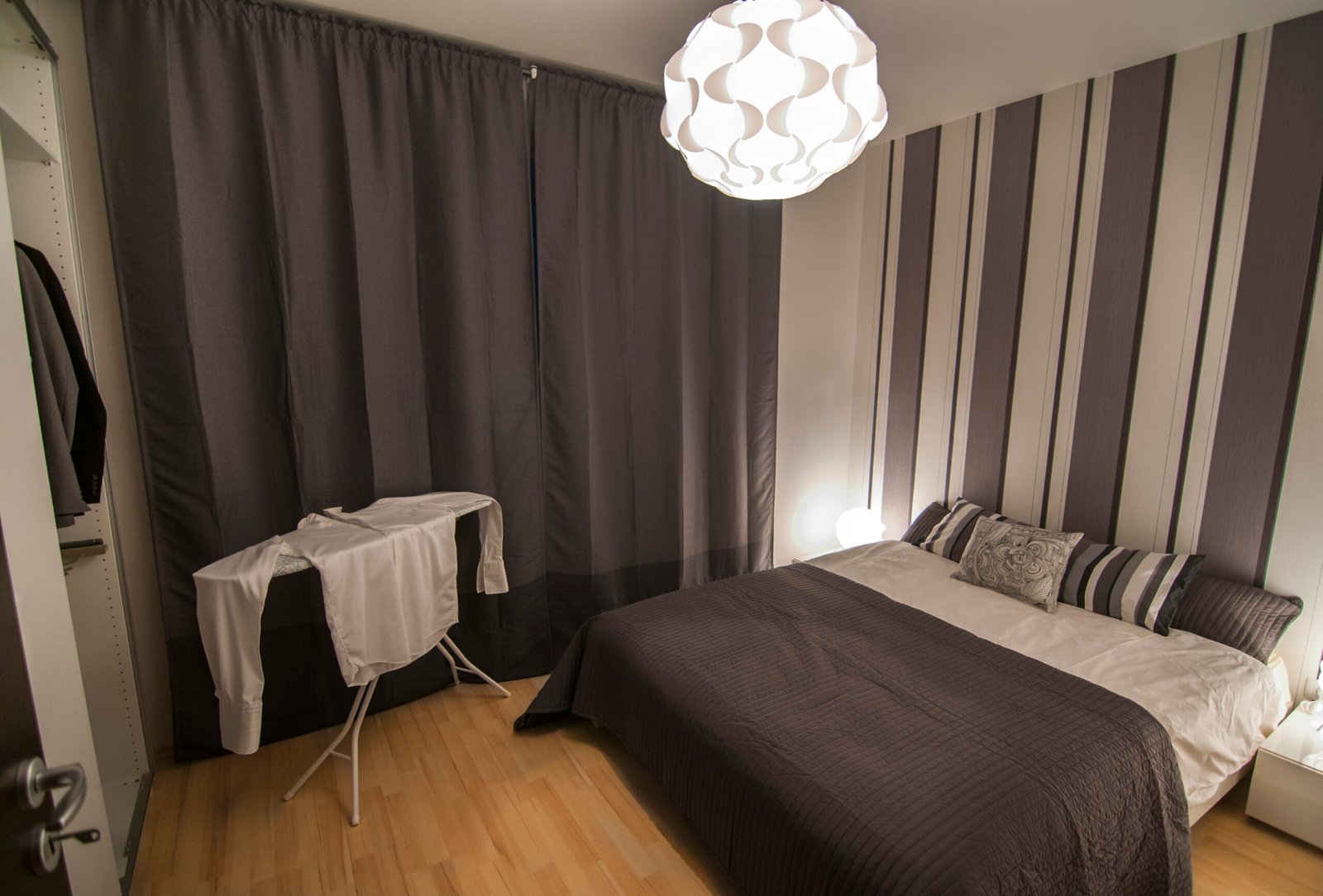
Dark & Moody King Comforters
Dark bedding has a reputation for being hard to pull off, but a king-size bed is the one place it almost always works. The wide surface absorbs deep color without closing the room in, and darker fabric hides wrinkles, lint, and the occasional midnight snack incident. These three picks are where I send people who want a bedroom that feels like a retreat.
1. The Charcoal Quilted King Comforter
The idea: a deep charcoal king comforter in a diamond-quilted pattern, the kind of bedding that makes the whole room look deliberate. Charcoal reads softer than black but still gives that grounded, hotel-at-midnight feel.
This is the comforter I bought for my own bedroom after the paint disaster, and it is still going strong. The quilting does two jobs: it keeps the fill from migrating into lumps, and it adds texture that stops the dark color from looking flat. I layered it over white sheets so the bed does not disappear into a cave, and it looked like a completely different piece of furniture.
Try it: pair charcoal bedding with warm wood tones or brass lamp bases so the dark side stays cozy instead of cold.
2. Deep Navy With a Quiet Pattern
The idea: navy is the mood color that never goes wrong, and on a comforter it turns the bed into the obvious focal point. Look for tone-on-tone patterns — damask, subtle stripes, or a small geometric — so it has depth without shouting.
I styled a navy comforter for a friend who was convinced her white walls made everything look washed out. The navy anchored the whole wall behind the bed, and suddenly her thrifted nightstands looked intentional. Pattern matters here: a flat solid navy can look a little dorm-room, while a faint jacquard weave catches light and looks custom.
Try it: add one cream or ochre lumbar pillow against the navy — that single warm note is what makes the color scheme feel finished.
3. Forest Green, the Underrated Dark
The idea: a forest or hunter green comforter brings the same drama as charcoal but with a living, organic quality. It photographs beautifully and pairs naturally with both wood and brass.
Green is my pick for bedrooms that already have plants, because the bedding and the greenery start talking to each other. A friend of mine went from a beige-on-beige bedroom to forest green bedding and told me guests started asking what designer she used. The answer was one comforter. One.
Try it: if you are nervous about a dark color, start with the comforter and keep walls and curtains light — dark bedding with light surroundings is the safest bold move there is.
Patterned & Printed King Comforters
A pattern on a king-size bed gets about 35 square feet of canvas, which means it sets the room’s entire personality. The rule that saved me: pick a pattern with at least one neutral in it, then echo that neutral somewhere else in the room.
4. Blue-and-White Block Print
The idea: the classic hand-blocked look — indigo or slate blue motifs on a natural white ground — gives a comforter the feel of something collected on a trip rather than bought in a set.
This is the most complimented bedding I have ever owned. People assume it is expensive because the irregular print reads handmade, and it layers beautifully with solid linen shams. The scale of the print matters: medium-scale motifs suit a king bed, while tiny prints get lost on that much fabric and huge ones can feel overwhelming.
Try it: pull one color from the print — a blue-gray — and use it for a throw or curtains so the room ties together without matching everything.
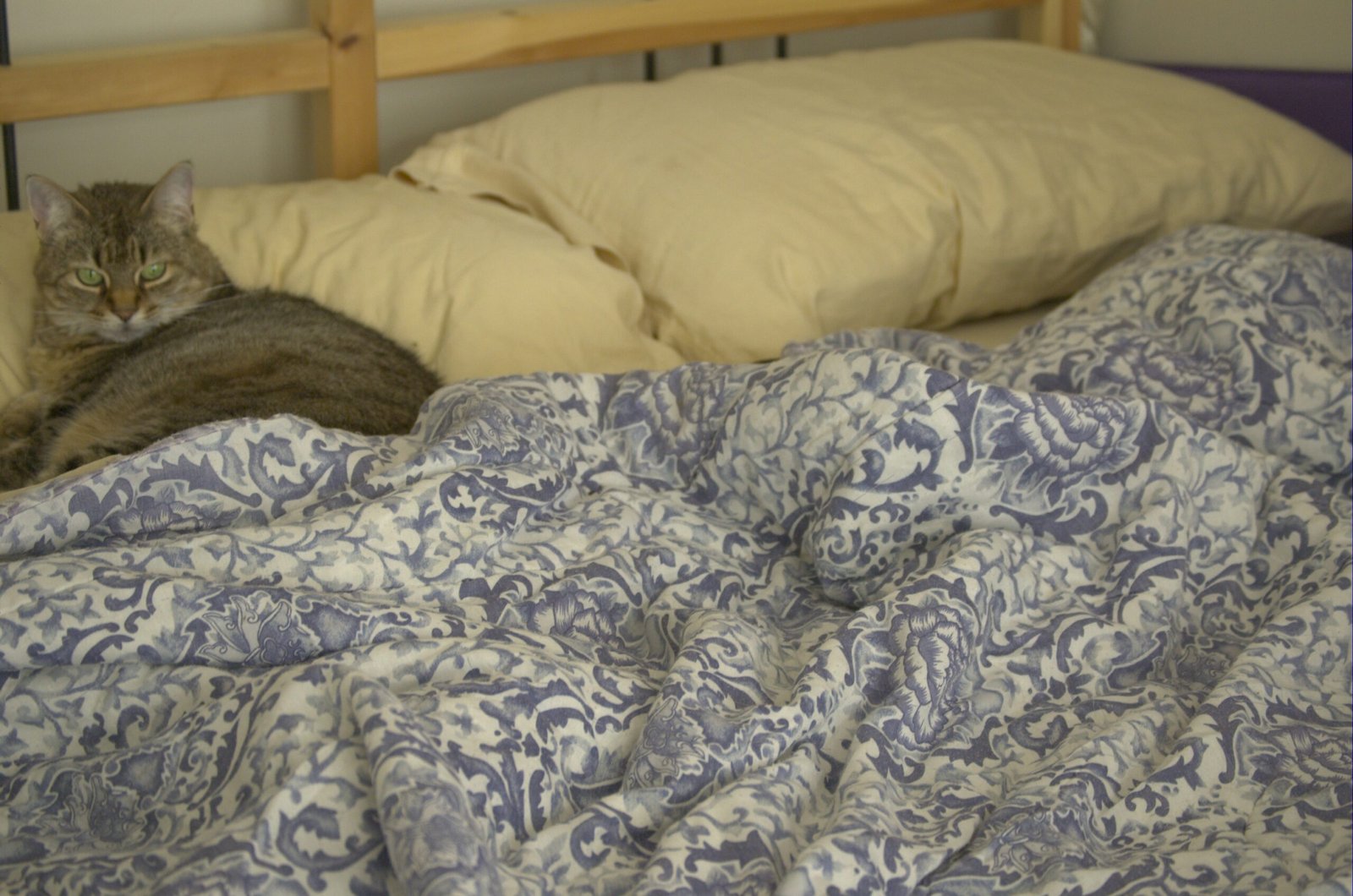
5. The Soft Stripe
The idea: stripes are the pattern for people who think they do not like patterns. A wide, soft stripe on a comforter reads classic and calm, and it works with literally every decor style from farmhouse to mid-century.
My rule for stripes: softer is better. Crisp ticking stripes can feel a little country-kitchen; wide bands of muted tone-on-tone feel tailored and modern. On a king bed, stripes also have a sneaky practical benefit — they make it easy to tell at a glance whether the comforter is centered, which is half the battle with a bed this wide.
Try it: run the stripes horizontally across the bed for a wider, more relaxed look, and add a textured solid throw at the foot.
6. Oversized Botanical Prints
The idea: large-scale leaves, branches, or florals on a comforter turn the bed into art. This is the boldest pattern move on the list, and it pays off biggest in simple rooms.
I will be honest: this one is a commitment. An oversized botanical print sets the room’s color palette, its mood, and half its shopping list. But in a bedroom with plain walls and simple furniture, it does the work of a gallery wall. Keep everything else quiet — solid shams in one pulled color, minimal pillows — and let the print carry the room.
Try it: before buying, photograph the comforter listing and drop it into a photo of your bedroom on your phone — you will spot clashes with your rug or curtains in seconds.
Light & Airy King Comforters
Light bedding is the fastest way to make a bedroom feel bigger and brighter, and on a king bed it has an extra advantage: pale fabric forgives wrinkles far better than dark. These are the picks for small rooms, low light, and chronic bed-rumplers.
7. Crisp White Cotton
The idea: the plain white comforter, done right, is the most versatile bedding choice that exists. It is not boring — it is a blank canvas that makes everything else in the room look better.
Here is what I got wrong the first time: not all white is equal. A cheap white comforter looks gray by month three; a mid-weight cotton one with a bit of body stays bright and photographs like a hotel bed. White bedding also has the most honest care routine — you can wash it hot, bleach it when needed, and never worry about colors bleeding. That alone makes it the easiest comforter to own.
Try it: stack white sleeping pillows against two Euro shams and finish with one colored lumbar pillow — the five-second stylist formula that never fails.
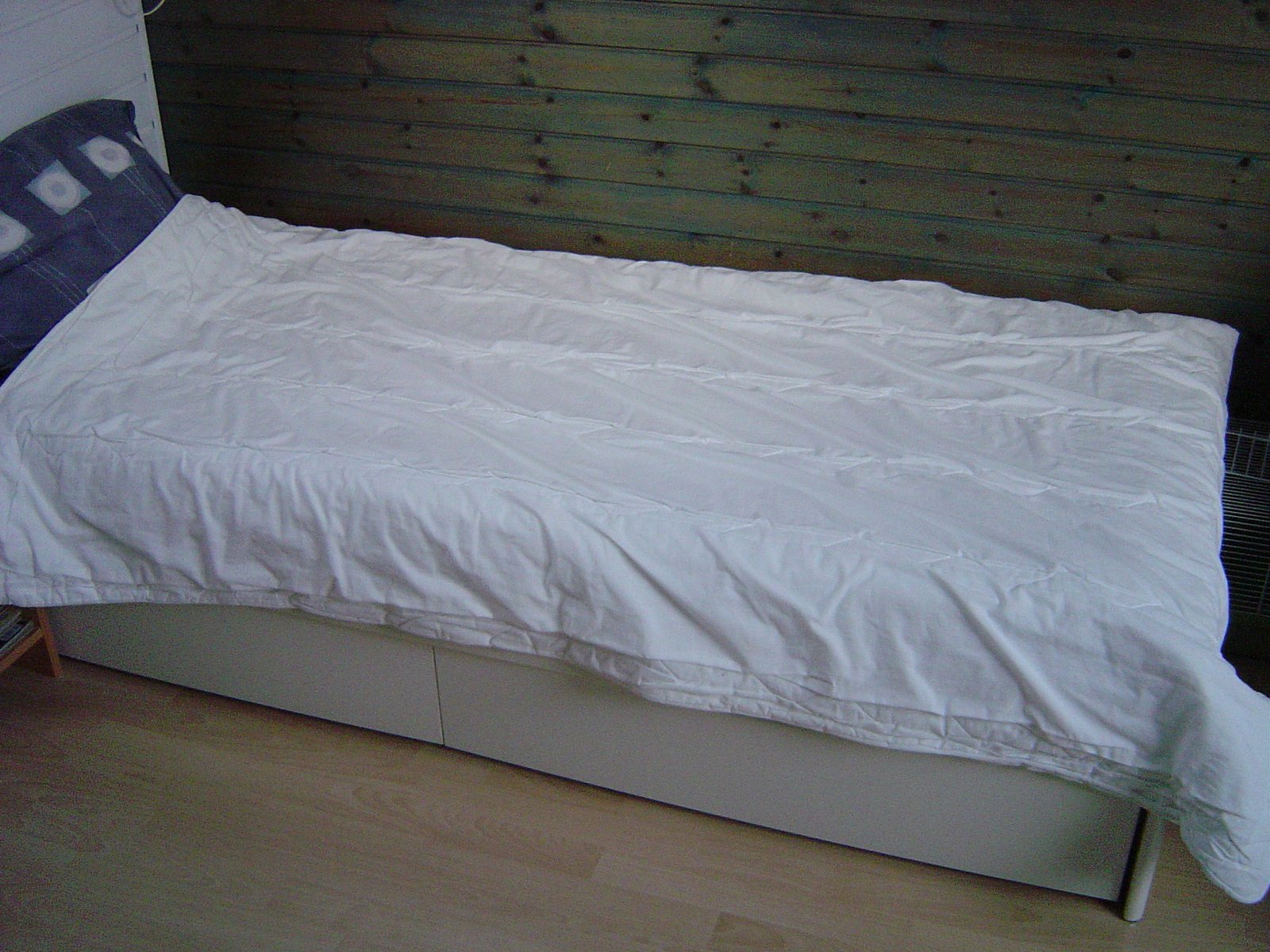
8. Ivory and Warm White Linen
The idea: for people who love white bedding but want it warmer, ivory or natural linen on a comforter gives the same brightness with a softer, more relaxed edge.
Linen-blend comforters wrinkle — let me say that up front, because if wrinkles bother you, walk away now. But those wrinkles are the entire look: lived-in, European, unbothered. I switched my guest room to an ivory linen comforter and stopped ironing or even caring about the top fold. It always looks intentional, which is the best thing bedding can do.
Try it: pair ivory linen bedding with natural textures — a jute rug, a wooden bench — and the room pulls itself together.
9. Pale Sage, the Quiet Color
The idea: a pale sage or eucalyptus comforter is the gentlest way to add color. It reads almost neutral but keeps the bed from feeling stark, and it works with both warm and cool palettes.
Sage is my default recommendation for anyone who says “I want color but I am scared of color.” It sits beautifully against white sheets, flatters wood tones, and somehow makes plants look lusher. On a king bed, the large expanse of soft green feels calm rather than busy — it is color as a background, not a statement.
Try it: add cream and clay tones around it — a terracotta throw, natural pillows — for a palette that feels gathered over time.
Textured & Layered King Comforters
Texture is what separates bedding that looks expensive from bedding that looks flat. On a king bed — a huge, flat surface — texture is not a luxury, it is a necessity. A textured comforter catches light and shadow, which is what gives a big bed its dimension.
10. Waffle Weave
The idea: the honeycomb waffle texture on a comforter is lightweight, breathable, and somehow both casual and polished. It is the texture equivalent of a really good white t-shirt.
Waffle weave is my hot-sleeper recommendation. The texture creates tiny air pockets, so it breathes better than flat cotton while still looking substantial on the bed. It also wrinkles into a casual rumple that looks intentional rather than sloppy. If your bedroom runs warm, this texture beats a heavy smooth comforter every time.
Try it: layer a waffle weave comforter over crisp cotton sheets and skip the top sheet fold — the texture is the styling.
11. The Chunky Knit Throw Layer
The idea: a solid comforter in any color, finished with a chunky knit throw folded across the foot. This is less about the comforter itself and more about the oldest stylist trick in the book — and it works every time.
Here is the math that matters: a throw made for a king bed needs to be wide, roughly 60 inches across, or it looks like a scarf on a football field. Fold it in thirds lengthwise and lay it across the bottom third of the bed. The chunky knit adds the one thing a smooth comforter lacks — visible, touchable texture — and it is the first thing guests reach for on the couch after.
Try it: pick a throw in a contrasting texture, not just a contrasting color — knit over smooth cotton, faux fur over linen.

12. Matelassé and Coverlet-Style
The idea: matelassé is a woven (not quilted) fabric with a raised, almost embossed pattern. On a comforter it reads tailored and classic — the bedding equivalent of a well-cut blazer.
I discovered matelassé in a boutique hotel and spent an embarrassing amount of time touching it. It is heavier than it looks, drapes beautifully, and does not need a duvet cover. Because the pattern is woven in rather than printed, it never fades, which matters on a piece you will wash dozens of times. It is the closest thing to buy-it-once bedding I have found.
Try it: use a matelassé comforter as your warm-weather top layer and swap in a heavier insert underneath when the temperature drops.
Seasonal & Lifestyle King Comforters
The last group is about matching the comforter to your life, not just your decor. A good comforter is a big purchase and a bigger laundry project, so the right seasonal or lifestyle call saves real hassle.
13. The Winter Flannel King Comforter
The idea: brushed flannel on a comforter is the bedding equivalent of a favorite sweatshirt. It feels warm the second you touch it, which matters on cold nights when cotton can feel chilly at first contact.
I resisted flannel for years because I associated it with cabins and childhood bedrooms. Then I tried a flannel comforter in a muted plaid and understood: the brushed surface traps warmth, it gets softer with every wash, and it makes the bed feel like it is hugging you. In a cold climate, this is the single coziest upgrade on the list.
Try it: choose a small-scale plaid or a solid in a deep tone — large buffalo checks can overwhelm a king bed.
14. The Lightweight Summer Pick
The idea: a thin, breathable comforter — percale cotton or a light microfiber — for sleepers who want the look of a full bed without the heat.
Here is the thing nobody tells you: you do not need the same comforter year-round. A lightweight comforter for summer and a heavier one for winter will each last longer than one comforter worked to death all year. Percale’s crisp, matte finish breathes better than sateen’s sheen, and a light fill means you can actually wash it in a home machine — a real consideration at king size.
Try it: store the off-season one in a breathable cotton bag, never vacuum-sealed, so the fill keeps its loft.
15. The Washable Everyday King Comforter
The idea: if you share your bed with kids, dogs, or a partner who eats crackers in it, your comforter needs to survive the washing machine — repeatedly, without complaint.
This is the most practical pick on the list and the one I recommend most often. A sturdy, machine-washable comforter in a forgiving color or pattern removes the anxiety from everyday life. Look for sewn-through or small-box quilting, which keeps fill in place through many wash cycles, and a fabric that does not demand special detergent or delicate cycles. The best bedding is the bedding you are not afraid to actually use.
Try it: buy two sets of pillow shams and rotate — the comforter stays fresher between washes and the bed always looks dressed.
How to Choose the Right King Comforter
Style is half the decision. These are the practical rules I wish someone had handed me before my first king-size purchase — they apply no matter which of the 15 ideas you fell for.
King Comforter Size, Explained
A standard king comforter measures roughly 104 by 90 to 94 inches, built to cover a 76-by-80-inch king mattress with generous drape on the sides. If your mattress is thick — pillow-tops and toppers add up fast — look for an oversized king comforter, which runs closer to 108 by 96 inches or more, so the sides actually get covered instead of riding up like a too-short skirt.
My measuring rule: the comforter should hang at least 12 to 15 inches down each side of the mattress. Anything less and it looks undersized no matter how pretty the fabric is. When in doubt, size up — it always looks more expensive than one that barely reaches.
Fill Types: What Is Inside Matters
Down alternative is the default for most shoppers: affordable, hypoallergenic, machine washable, and convincingly fluffy. Real down (rated by fill power — higher numbers mean more loft per ounce) is lighter and warmer but costs more and needs gentler care. Cotton batting is heavier, breathable, and great for hot sleepers who dislike puff. Wool fill regulates temperature brilliantly but is the priciest and usually needs special washing.
For a first comforter, I recommend down alternative in a medium weight. It is the most forgiving choice: washable, affordable, comfortable in most climates, and you will not cry if the dog claims it.
Fabric, Thread Count, and GSM
Thread count measures threads per square inch of the shell fabric — for cotton, 300 to 500 is the sweet spot of softness and durability; above that, you are mostly paying for marketing. GSM (grams per square meter) measures fill weight — roughly 150 to 200 GSM suits summer, 200 to 300 works year-round, and 300-plus is for serious winter.
Fabric choice changes the feel more than either number. Percale is crisp and cool, sateen is smooth with a slight sheen, linen is textured and breathable, flannel is brushed and warm. Touch the fabric if you can — numbers on a tag never tell the whole story.
Comforter vs. Duvet: The Honest Difference
A comforter is a finished, ready-to-use piece — quilted, decorative, washable as one unit. A duvet is a plain insert that needs a separate cover. Comforters win on simplicity: no wrestling a cover on and off. Duvets win on style flexibility: swap the cover, change the room, wash the cover weekly while the insert stays clean.
For a king bed, I lean comforter for everyday ease, because putting a duvet cover on a king-size insert is a two-person wrestling match I would not wish on anyone. If you love changing your look seasonally, though, a duvet system is worth the cover-fight.
Washing and Care
Most comforters are machine washable — check the tag, then check your machine. A standard top-loader can struggle with a king; a front-loader with at least 4.5 cubic feet of capacity handles it fine. Wash on gentle with mild detergent, and dry thoroughly on low with dryer balls to break up fill clumps. A damp comforter stored folded is how mildew happens.
Wash your king comforter two to three times a year, spot-clean between, and use a duvet cover or top sheet as a buffer if you want to stretch the intervals. Sun-drying on a clean line is the old-fashioned secret for freshness — UV light is a natural deodorizer.
Common Mistakes to Avoid
1. Buying the exact mattress size instead of sizing up. A comforter the same width as your mattress leaves the sides bare and looks skimpy. Fix: buy a comforter at least 25 inches wider than your mattress, or go oversized king.
2. Choosing white without checking the fabric weight. Thin white fabric goes gray and see-through fast. Fix: hold it up to light in the store — if you can read a tag through it, keep shopping.
3. Ignoring fill distribution. Cheap comforters have big unquilted sections where fill migrates into lumps. Fix: look for box stitching or baffle construction with squares no bigger than your hand.
4. Matching everything. A comforter set where the shams, sheets, and throw all match reads flat. Fix: let the comforter be the star; mix solid shams in a pulled color and one contrasting texture.
5. Forgetting the laundry math. A king comforter that needs dry cleaning will cost you a fortune over its life. Fix: default to machine-washable unless you have a plan — and a budget — for professional cleaning.
6. Skipping the seasonal swap. One heavy comforter all year means sweaty summers and a worn-out winter piece. Fix: a light summer king comforter plus a heavier winter one; both last years longer.
King Comforter at a Glance
| Category | Best Pick | When to Use It |
|---|---|---|
| Dark & Moody | Charcoal quilted king comforter | Master bedrooms that need a cozy, retreat-like feel |
| Patterned | Blue-and-white block print comforter | Simple rooms where the bed should be the art |
| Light & Airy | Crisp white cotton comforter | Small or dark rooms; easiest to keep clean |
| Textured | Waffle weave comforter | Hot sleepers and relaxed, touchable styling |
| Seasonal | Lightweight percale for summer, flannel for winter | Year-round comfort with a twice-yearly swap |
| Everyday Practical | Machine-washable down-alternative comforter | Homes with kids, pets, or snack-in-bed habits |
King Comforter FAQ
What size is a king comforter?
A standard king comforter is about 104 inches wide by 90 to 94 inches long, sized to drape over a 76-by-80-inch king mattress. Oversized ones run closer to 108 by 96 inches and suit thick pillow-top mattresses. Always check the listed dimensions rather than trusting the word “king” alone.
Will a king-size comforter fit in my washing machine?
Usually yes in a front-loader with at least 4.5 cubic feet of capacity, which gives the comforter room to tumble. Standard agitator top-loaders often struggle with a king. When in doubt, a laundromat’s large-capacity machine handles it easily, and many people prefer that for the twice-a-year deep wash.
What is the difference between a king comforter and a king duvet?
A comforter is a finished, decorative piece you use as-is and wash as one unit. A king duvet is a plain insert that goes inside a separate duvet cover. Comforters are simpler day to day; duvets let you change the look by swapping covers and wash the cover more often than the insert.
How often should I wash it?
Two to three times a year is enough for most households, with spot cleaning as needed. If you use a top sheet or duvet cover as a barrier, you can stretch that further. Wash it promptly if there are spills, pet accidents, or allergy flare-ups — a clean comforter genuinely sleeps better.
What fill is best?
Down alternative suits most people: affordable, hypoallergenic, machine washable, and warm enough for year-round use in moderate climates. Real down is lighter and loftier but pricier and fussier to wash. Hot sleepers should look at cotton or bamboo fills, which breathe better than synthetics.
Should I get an oversized king comforter?
If your mattress is thicker than about 14 inches, or you like generous drape that covers the sides fully, yes. A standard one on a thick pillow-top can look undersized, with the edges riding up. Oversized costs a bit more but looks dramatically more expensive on the bed.
What thread count should it have?
For a cotton shell, 300 to 500 thread count hits the sweet spot of softness, breathability, and durability. Higher numbers are not automatically better — weave type and fiber quality matter more. Percale weave feels crisp and cool; sateen feels smooth with a soft sheen.
How do I keep it from going flat?
Fluff it daily with a good shake, and tumble it in the dryer on low with dryer balls every few months to redistribute the fill. Store it loosely in a breathable bag between seasons rather than compressed. Box-stitched or baffle-box construction holds fill in place far better than unquilted designs.
Final Thoughts
A king comforter is the rare purchase that is both the biggest visual decision and the most-used item in your bedroom. You see it every morning, you sleep under it every night, and it sets the tone for the entire room. That is a lot of responsibility for one rectangle of fabric — which is exactly why it deserves more thought than a grab-whatever-is-on-sale trip.
My advice after years of getting this wrong: measure your mattress first, pick a fabric you can actually wash, and choose the color or pattern that makes you happy when you walk in the door — not the one a showroom told you to want. The right king comforter does not just keep you warm. It makes the whole bedroom feel finished, and there is no better feeling than climbing into a bed that looks as good as it sleeps.
Also Read: 15 Cool Rugs That Make Any Room Look Stylish
Photo credits: IFERREIRO and ArielGlenn — images used under CC BY-SA 3.0.

Founder of NestFlavors — sharing tested recipes and honest home ideas, made for real life.